Comparing Dental Insurance Plans
Choosing the right dental insurance plan is crucial for managing oral health expenses effectively.
There are various plans, each with different benefits and limitations. Understanding these differences can help adults and caregivers make informed decisions. It’s important to consider the types of dental plans available, such as HMO, PPO, and indemnity plans, and how your location might affect the options you can choose from.
This section will guide you through differentiating between plan types and understanding how location impacts your choices.
Differentiating Between Plan Types
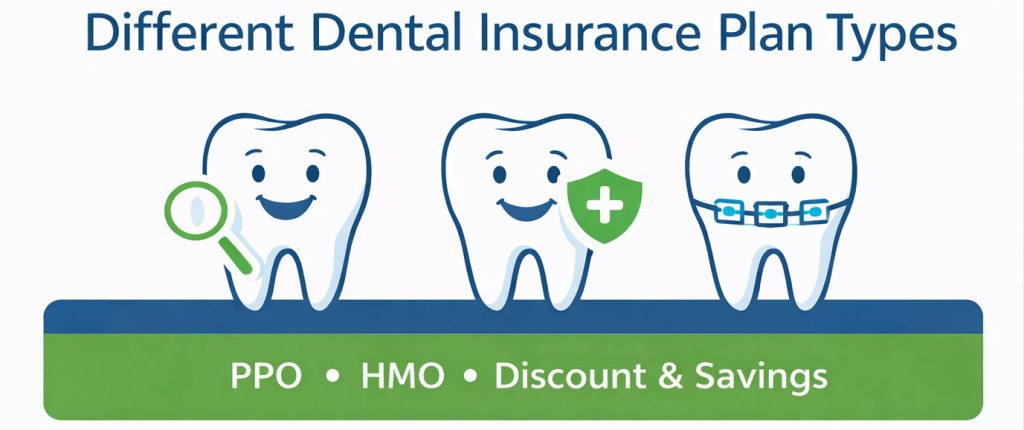
Dental insurance plans come in various forms, each catering to different needs and preferences. The three most common types are Dental HMO (Health Maintenance Organization), PPO (Preferred Provider Organization), and indemnity plans.
Dental HMOs often require you to stay within a specific network of providers. This can be a cost-effective option since premiums are generally lower. However, the trade-off is flexibility, as you may need referrals to see specialists or even general dentists outside the network.
PPO plans offer a middle ground. They have a network of dentists where you get better coverage, but you can also see out-of-network practitioners, albeit at a higher cost.
The flexibility of a PPO often comes with higher premiums, but it can be worth it for those who wish to maintain a long-term relationship with a specific dentist or have special oral care needs.
Indemnity plans, sometimes called traditional or fee-for-service plans, provide the most freedom.
With these plans, you can see any dental professional, but there is a structured payment scale for procedures, meaning you might pay more upfront and wait longer for reimbursements.
These plans are becoming less common as they tend to be more expensive than other types. When comparing these dental plans, it’s important to consider the waiting period for each plan.
Many dental insurance plans include waiting periods for major services like crowns or dentures, which means you’ll need to cover these expenses out-of-pocket unless the waiting period has been served.
Furthermore, the network size and dental plan benefits should be factored into your decision. Some insurance companies, such as Humana, have a wider network, offering better coverage across different locations.
Going with a plan from one of the larger insurance companies can sometimes provide additional benefits since these companies often have negotiated better rates with their dentists. However, always review the specific dental plan’s exclusions and coverage limitations, as this can affect what you pay overall.
By understanding the different types of dental insurance plans, seniors and caregivers can choose a plan that best fits their individual needs and financial situations.

How Location Affects Options
Dental insurance is a critical aspect of maintaining good oral health, helping to provide financial coverage for eligible dental services, such as preventive, basic, and major care.
With various dental insurance plans available, such as DPPO, DHMO, and fee-for-service plans, it’s essential to understand how dental insurance works and the factors to consider when choosing a plan.
In the following sections, we will guide you through the intricacies of dental insurance, discussing how it works, the types of plans available, and the factors to consider when choosing a dental insurance plan.
By the end of this blog post, you’ll have a solid understanding of dental insurance and be better equipped to make well-informed decisions for your oral health.
How Dental Insurance Works
The availability and cost of dental insurance plans can vary widely depending on where you live.
Urban areas often offer more dental plans and insurance options, providing a broader network of providers. This can benefit seniors who might need specialized care or have specific dentist preferences.
However, the higher concentration of providers doesn’t always mean lower prices; urban areas might have higher average costs for dental care services.
In contrast, rural areas might have fewer insurance options, but this isn’t always a negative aspect.
Sometimes, rural locations offer more tailored plans from local companies focusing on community health needs.
This can include specific benefits like coverage for mobile dental services, an essential offering for seniors who might have mobility issues.
Additionally, seniors living in smaller towns may have more straightforward options that cut through the clutter of too many dental insurance plans to choose from.
Another notable factor is how location affects plan network participation. Larger metropolitan areas often host a wider network of dental providers, allowing plans like PPOs to shine by offering broad choice and flexibility.
However, it’s crucial to remember that choosing a plan with a strong local network can save on costs, eliminating the need for out-of-network expenses, which can add up quickly.
Understanding how local dental practice patterns, network availability, and insurance plans intersect can guide you in choosing the right plan for your needs.
It’s worth researching the health policies prevalent in your state, as they can influence what plans are available and at what cost. Some states have dental assistance programs for seniors that could supplement traditional insurance plans, giving more financial relief.
Ultimately, knowing how your location impacts insurance plan options can prevent unexpected costs and offer peace of mind regarding dental health.
To explore your best options, enter your ZIP code above on this page or click the button below to see what dental insurance plans are available in your area.
This process helps ensure you select a plan that provides adequate dental care coverage suited to the unique demands of your locale and personal health requirements.

Key Features of Best Dental Insurance
Navigating dental insurance can seem overwhelming due to different plans, coverage, and costs.
Understanding the key features helps make informed decisions. Evaluating dental coverage and costs allows you to choose plans that balance affordability and comprehensive care.
Another critical aspect is the waiting period, which affects when benefits begin. Knowing these elements assists in selecting dental insurance that meets your needs while minimizing unexpected expenses.
Evaluating Dental Coverage and Costs
When exploring dental insurance options, it’s essential to evaluate dental coverage and costs to find a plan that truly meets your oral health needs.
Dental coverage details can vary widely among insurance plans, which is why it’s critical to examine what each plan offers.
During this assessment, consider whether preventive care, basic procedures like fillings, and major treatments like crowns or dentures are included. Look into whether your plan of interest, for example, a Cigna Dental or Spirit Dental plan, offers the coverage breadth you need.
Adequate coverage can significantly impact your ability to maintain oral health without bearing high costs.
Plan costs don’t only reflect monthly premiums but also include factors like deductibles, co-pays, and coinsurance rates that contribute to out-of-pocket expenses.
Thus, it’s a good idea to understand how these costs work together to affect your overall dental care budget.
Exploring different insurance plans can help you anticipate your financial responsibility when accessing services, from routine cleanings to unexpected treatments.
Remember, a plan that looks cheaper upfront might lead to higher costs if critical services are not covered comprehensively.
Researching the network of dentists associated with an insurance plan is equally vital. Access to a broad network can mean more choices in selecting a preferred dentist and possibly reducing treatment costs.
Plans affiliated with companies like Delta Dental often have expansive networks, enhancing your ability to seek care without paying extra fees for out-of-network services.
As you delve into dental insurance options, these network considerations help ensure you balance the plan costs with the convenience and quality of care.
Moreover, how an insurance plan addresses treatment costs varies. It’s crucial to check if the plan offers fixed-rate pricing or if reimbursements are capped, as this affects how much you might need to pay out-of-pocket for extensive procedures.
Many seniors appreciate plans that stipulate these details clearly, helping to avoid surprise bills and ensuring the selected insurance lives up to the expected dental coverage.
Evaluating dental plans through these lenses provides a clearer picture, supporting confident, informed choices for your dental care journey.
Importance of Waiting Periods
The waiting period is a pivotal feature of any dental insurance plan, affecting when you can access benefits for certain procedures.
Understanding waiting periods helps you plan better and avoid unexpected costs. A waiting period is the time you must wait after policy enrollment before receiving coverage for specific services.
For instance, insurance plans may have immediate coverage for preventive services but impose waiting periods for more costly treatments like crowns, dentures, or orthodontics.
Grasping the concept of waiting periods is especially significant for new policyholders or those switching plans.

If an unexpected dental issue arises before the waiting period ends, you may need to cover the cost yourself. Therefore, aligning this aspect with your health management strategy is essential.
Seniors, in particular, should be aware of these timelines, as delayed coverage can affect planned or necessary treatments, leading to financial surprises if not properly managed.
Insurance companies use waiting periods to manage costs and prevent policyholders from applying for coverage solely for significant procedures, which could raise policy prices across the board.
Popular providers like Cigna Dental and others often structure these waiting periods differently, affecting how soon you can access benefits.
As you assess potential insurance plans, scrutinize these terms carefully, as they can differ significantly between companies and affect your out-of-pocket expenses.
Besides the type of procedures affected, the length of the waiting periods is also crucial. Typically, more comprehensive services, like oral surgery or expensive treatments, have longer waiting periods.
This makes it crucial to strategize dental appointments and treatments around these periods if you intend to maximize your financial and health outcomes.
By understanding these timelines, seniors and caregivers can better navigate insurance benefits, fostering more effective planning and less strain on dental health budgets.
Exploring Popular Providers
When choosing a dental insurance plan, exploring popular providers can help you find the one that fits your needs.
Cigna Dental and Spirit Dental are two noteworthy companies offering diverse plans with unique benefits.
They each have their strengths, ensuring that various dental care needs are met, from preventive services to more involved treatments.
Delving into their offerings can demystify how these providers support oral health and financial needs, helping seniors select insurance that aligns with medical and budgetary requirements.
Cigna Dental Insurance

Cigna Dental is a well-known provider in the insurance realm, reputed for its expansive network of dentists and comprehensive plans.
Whether you’re seeking basic coverage or more extensive dental services, Cigna offers options that cater to different needs.
Cigna’s insurance plans typically cover preventive care like regular check-ups and cleanings, an indispensable part of maintaining oral health. For those concerned about basic and major dental procedures, Cigna plans often extend to cover fillings, root canals, crowns, and even dentures, although the extent of coverage might vary.
It’s crucial for seniors to compare these plans to what specific services are personally important.
Cigna Dental isn’t just about coverage; it’s about accessibility and convenience. With a broad network, policyholders often find it easy to stick with their chosen dentist.
This aspect is particularly comforting to seniors who value stability in their healthcare relationships.
The company also leverages digital tools like mobile apps and online portals, simplifying the process of tracking coverage details and claims, a convenience for tech-savvy seniors who appreciate easy-to-navigate insurance platforms.
Additionally, Cigna is notable for its commitment to transparency regarding dental care costs.
Before any procedure, policyholders can use the Cost Estimator tool to gauge anticipated expenses. This tool helps manage out-of-pocket costs effectively, avoiding any financial surprises.
For those who plan ahead, this clarity supports better budgeting and enhances overall financial planning. By providing estimates upfront, Cigna empowers policyholders to make informed decisions, strengthening both their oral health and financial outlook.
Belonging to a Cigna plan means gaining access to a wealth of resources that go beyond just insurance, like wellness programs that include preventive tips and personalized advice.
Such initiatives underline the company’s holistic approach to healthcare, aiming not only to treat but also to prevent and promote well-being.
Cigna’s dedication to providing reliable dental insurance solutions reflects its credibility and long-standing service in the field, making it a viable option for anyone assessing dental insurance providers.
MetLife Dental Insurance

MetLife Dental is a widely recognized insurance provider with a strong reputation for stability, nationwide reach, and a broad selection of dental plans. Known for serving both individuals and employer groups, MetLife offers coverage options designed to meet a wide range of oral health needs.
MetLife dental plans typically emphasize preventive care, including routine exams, cleanings, and X-rays, which play a critical role in maintaining long-term dental health. Many plans also extend coverage to basic and major services such as fillings, extractions, root canals, crowns, and dentures, though coverage levels and waiting periods may vary by plan.
For seniors, it’s especially important to review how each plan aligns with anticipated dental needs, particularly when major procedures are a consideration.
One of MetLife’s key strengths is its extensive dentist network, making it easier for policyholders to find in-network providers or continue seeing a preferred dentist. This continuity of care can be particularly valuable for individuals who prioritize long-standing provider relationships.
MetLife also offers convenient digital tools, including online account access and mobile features, allowing members to review benefits, locate providers, and track claims efficiently. These tools support a smoother, more transparent insurance experience.
Overall, MetLife Dental is often viewed as a dependable option for those seeking predictable coverage, strong provider access, and the backing of a long-established insurance brand.
Ameritas Dental Insurance

Ameritas Dental insurance is known for its flexible plan designs and consumer-friendly approach to dental insurance. The company has built a solid reputation for offering plans that balance affordability with meaningful coverage options.
Most Ameritas dental plans include preventive services such as exams, cleanings, and X-rays, often with minimal or no waiting periods. Coverage commonly extends to basic procedures like fillings and extractions, as well as major services such as crowns, root canals, and dentures, depending on the specific plan selected.
Seniors evaluating Ameritas plans may appreciate the emphasis on transparency and plan customization, allowing coverage to be tailored to individual dental priorities.
Ameritas features a sizable national dental network, giving members flexibility when choosing providers. For those who prefer out-of-network care, some plans still offer benefits, which can be appealing to individuals who want broader choice.
The company also provides online tools that help members estimate costs, review benefits, and manage claims, supporting informed decision-making and easier budgeting.
With a focus on clarity, flexibility, and preventive care, Ameritas Dental is often considered a practical option for individuals seeking straightforward dental insurance solutions.
Aetna Dental Insurance

Aetna Dental is a well-established provider offering a wide range of dental plans backed by a large national insurer. Known for its integrated approach to health coverage, Aetna provides dental options designed to complement overall healthcare needs.
Aetna dental plans generally prioritize preventive services, including routine checkups, cleanings, and diagnostic care. Many plans also cover basic and major procedures such as fillings, crowns, root canals, and dentures, with coverage levels varying by plan type and enrollment structure.
For seniors, reviewing waiting periods, annual maximums, and coverage percentages is essential when comparing Aetna dental options.
Aetna’s broad provider network makes it easier for members to find participating dentists across the country. This accessibility supports continuity of care and reduces the likelihood of unexpected out-of-network costs.
Members also benefit from Aetna’s digital tools, which include online portals for plan management, provider searches, and claims tracking. These resources help simplify the insurance experience and promote transparency around dental costs.
Aetna Dental is often viewed as a solid choice for individuals seeking comprehensive coverage from a nationally recognized healthcare organization.
Manhattan Life Dental Insurance

ManhattanLife Dental is known for its straightforward approach to dental insurance, offering plans designed with simplicity, accessibility, and predictability in mind. Unlike larger national carriers, ManhattanLife often appeals to individuals who prefer easy-to-understand coverage without excessive complexity.
ManhattanLife dental plans typically focus on essential preventive care, including routine exams, cleanings, and basic diagnostic services. Depending on the plan, coverage may also extend to common dental procedures such as fillings, extractions, crowns, and dentures, with clearly defined benefit limits and waiting periods.
For seniors, ManhattanLife can be an attractive option due to its emphasis on manageable premiums and transparent plan structures. Reviewing coverage details carefully is important, especially for those anticipating restorative or major dental work.
While ManhattanLife’s provider network may be more limited compared to larger insurers, many plans allow flexibility in choosing a dentist, including out-of-network options. This can be beneficial for individuals who prioritize provider choice over network size.
Overall, ManhattanLife Dental is often considered a practical choice for those seeking uncomplicated dental coverage with clearly outlined benefits, making it a viable option for individuals and seniors focused on budgeting and basic oral health protection.

Finding Insurance to Suit Senior Needs
Finding the right dental insurance can significantly impact seniors’ oral health by tailoring coverage to suit unique needs. Considerations like affordability, comprehensive coverage, and limiting out-of-pocket expenses are crucial when selecting a dental plan. Insurance companies offer various options, and understanding these can help seniors and caregivers make informed choices. This section will delve into budget-friendly considerations and how insurance plans can limit costs, ensuring you are well-informed and prepared for any dental care needs.
Budget-Friendly Considerations
When exploring dental insurance, budget-friendly options are often a top priority for seniors. Dental care is essential, but can quickly become costly without proper planning. Balancing the cost of premiums, co-pays, and deductibles with the level of coverage needed is the key to finding a budget-friendly plan. Insurance plans are available from numerous companies, each offering different premiums based on the coverage and network options they provide.
It’s crucial to look beyond just the premium when evaluating costs. Some insurance plans may have higher monthly fees but lower deductibles and out-of-pocket limits. This can be advantageous for those who anticipate needing more extensive dental care throughout the year. Additionally, plans with a more extensive network of dental care providers can reduce costs, as visits to in-network dentists usually come with lower co-pays. It’s worth noting that sometimes, a slightly higher premium could save money in the long run if it covers a broader range of services, thus preventing large treatment bills.
Consider the waiting period associated with dental plans. Plans with shorter waiting periods for major services like crowns or dentures might initially appear more expensive, but can offer significant savings if immediate care is needed. The waiting period is a critical factor because it dictates when you can start utilizing benefits for costly treatments. Some insurance plans have no waiting periods for preventive services, making them attractive options for those looking to maintain routine dental health from day one.
Another budget-friendly aspect to consider is discounts offered for seniors or through specific associations. Some insurance companies offer reduced rates for members of organizations or individuals in certain age brackets, which can substantially lower the overall cost. It’s also wise to compare how different insurance plans handle negotiations with dentists, as some insurers negotiate fees that can directly benefit you through lower treatment costs.
Ultimately, the goal is to find a balance between the cost and coverage that fits within your budget while ensuring adequate protection for dental health needs. By understanding all these facets, selecting a budget-friendly dental plan becomes more manageable, providing peace of mind and maintaining oral health without overspending. After reviewing these options, consider entering your ZIP code on our website to explore local plans tailored to your needs.

How Insurance Plans Can Limit Costs
Insurance plans are crucial in managing dental care expenses, allowing seniors to maintain oral health without facing overwhelming costs. These plans often strategically distribute costs across co-pays, deductibles, and premiums to make dental treatments more accessible and affordable. Understanding how insurance plans limit costs ensures seniors can confidently access necessary care without financial anxiety.
A primary way insurance plans help limit costs is through negotiated rates with in-network dentists. By choosing a dentist within the insurance company’s network, policyholders often benefit from reduced rates for visits and procedures. These savings can add up significantly, especially if regular dental care is needed. This network arrangement encourages utilizing preventive services that insurance plans typically cover entirely, including cleanings and check-ups, preventing more severe and costly dental issues.
While preventive services are generally covered at 100%, insurance plans also employ a cost-sharing model for basic and major dental treatments. This model includes factors like co-pays and coinsurance, which specify the proportion of costs covered by the plan versus the out-of-pocket expenses for the insured. Understanding these details helps manage expectations and plan appropriately for any necessary services like fillings or extractions, where portion costs still need to be covered independently.
Insurance companies often include caps on specific procedures annually or per service, further assisting in cost limitation. These caps mean the insurer will only pay up to a set amount for dental services per year. Knowing these limits is vital so seniors can plan extensive procedures while remaining within budget constraints. In scenarios where additional coverage is needed, some plans offer supplemental options, allowing for slightly higher premiums in exchange for increased coverage limits and lower excess payments.
Another aspect of managing costs through insurance plans is the deductible. Deductibles must be met before some coverages begin, so evaluating how different plans manage these can play a significant role in overall costs. Plans with lower deductibles might have higher premiums; however, once met, individuals can enjoy more comprehensive coverage with lower out-of-pocket costs.
In conclusion, by understanding how different elements of dental insurance work together, seniors can make informed decisions that keep dental care affordable and accessible. It’s about finding the right plan that offers the necessary coverage while aligning with your budgetary requirements. Don’t forget to enter your ZIP code on our website to discover more about available plans in your location, tailored to your specific dental needs.
Another key factor in ensuring seniors optimize their dental insurance effectively is staying informed about plan updates and changes. Here are additional steps to consider:
- Attend informational sessions or webinars hosted by your insurance provider to stay updated.
- Regularly review mailed notices or emails for changes in policy terms or coverage.
- Take advantage of online tools or apps provided by insurers for easier management of dental benefits.
By actively engaging with their insurance plans and staying informed, seniors can confidently maximize their benefits and enjoy better oral health outcomes.
Exploring dental insurance and coverage options helps you avoid unexpected expenses and maintain your oral health.
Understanding different plans and what they offer ensures you make well-informed decisions. With a variety of options tailored for seniors, it’s crucial to compare what coverage suits your needs best. Use our resources to learn about treatments covered, costs, and potential waiting periods. Enter your ZIP code on our site to explore and find plans available in your area.
Remember, dental care access and welfare can vary, making it vital to choose wisely for your peace of mind.