Comparing Dental Insurance for Implants

Dental implants can greatly improve the quality of life for seniors, but understanding how to cover their costs with dental insurance can be confusing.

This guide will help you explore coverage options for implants, highlighting important details such as benefits, limitations, and variations in plans.

Whether you’re new to dental insurance or looking to understand existing coverage, this comparison will provide clear, unbiased information to assist in making informed decisions.

Discover how affordable dental insurance can support your implant needs, improving not just oral health but overall well-being.

Key Highlights

  • Dental implants improve seniors’ quality of life; insurance options can be confusing.
  • Plans often cover basics like cleanings but vary for implants, affecting out-of-pocket costs.
  • Waiting periods for major treatments like implants can impact financial planning.
  • Comparing providers such as Spirit Dental highlights flexibility in coverage and costs.
  • Dental insurance plans differ by location, influencing availability and premiums.

Compare Dental Plans

Understanding the Basics of Dental Insurance

Diving into dental insurance is crucial when you’re considering treatments like implants. Dental insurance provides financial support for dental care, but understanding what it covers can be a bit tricky.

This section will explore common dental insurance coverages and the typical limitations and exclusions you might encounter. Knowing these fundamentals helps you make informed decisions about your dental care and prevents unexpected costs.

We’ll review essential information about insurance companies, dental benefits, and how different providers structure their plans to ensure you’re equipped with the right knowledge to evaluate your own dental insurance needs.

What Dental Insurance Typically Covers

What Dental Insurance Typically Covers

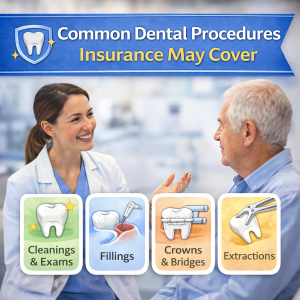
Dental insurance typically covers a wide array of dental care services, but it’s essential to know the specifics before proceeding with treatments like implants. Most plans focus on preventive services, which include regular check-ups and cleanings.

These are generally fully covered since maintaining oral health is a priority for both the insured and insurance companies.

However, when it comes to more complex procedures like fillings, crowns, or treatment for gum disease, coverage becomes a bit more involved and might involve out-of-pocket costs.

For example, basic procedures such as cavity fillings might be partially covered, where you pay a deductible or co-payment. Most plans also offer coverage for restorative care, which can include dental implants, though the coverage can vary.

Some insurance providers might cover a portion of the costs associated with the implants, while others may offer reduced benefits if the treatment is deemed cosmetic.

It’s important to compare the plans carefully in terms of what’s included for restorative work, specifically looking at what percentage of major treatments is covered and if there are any annual maximum limits.

You should also understand insurance network dynamics. Most plans operate within a preferred provider organization (PPO), offering lower costs if you use an in-network dentist.

If you opt for an out-of-network provider, your costs can be significantly higher. Familiarize yourself with the network your insurance operates within to optimize your dental insurance usage.

It’s wise to regularly review your plan’s details with your provider. This keeps you informed about what treatments you can expect to be covered and what might lead to additional expenses, so you’re not caught off guard.

Common Limitations and Exclusions

Even the most comprehensive dental insurance plans come with certain limitations and exclusions, which is crucial to understand to avoid unexpected costs. Generally, dental insurance doesn’t cover every aspect of dental treatment.

Many plans have waiting periods for major procedures, meaning you have to be enrolled for a certain number of months before the coverage kicks in for those services.

Implants, being categorized as major dental work, often fall into this category. This waiting period can significantly affect your planning if you’re considering immediate treatments.

Exclusions can also include certain types of appliances, such as cosmetic dentistry services like tooth whitening, which are typically not covered under standard dental insurance.

Some plans may exclude or have restrictions on pre-existing conditions, so if you’ve had prior dental work, this could impact your coverage eligibility.

You’re likely to find that orthodontic treatments are also not covered broadly unless you have a specialized plan that includes these services specifically.

Another common situation involves limitations on frequency and timing; for example, insurance may only cover two cleanings a year or have limits on the number of X-rays covered annually.

Networks are another key component where limitations might apply. If you choose to go outside the network of covered dentists, your coverage may be lower, leading to higher out-of-pocket costs.

Always verify with your insurer about out-of-network benefits and any penalties you might experience.

Understanding these limitations helps you navigate dental coverage more effectively. Always scrutinize the fine print of any plan you’re considering, and don’t hesitate to ask providers for clarification.

Ensuring you grasp these nuances allows you to tailor your choice of insurance to match your dental needs without unwelcome surprises, positioning you to make the most of the benefits offered by your dental insurance plan.

Exploring Dental Plans for Seniors

Exploring Dental Plans for Seniors

Dental plans for seniors can be complex due to varying coverage needs and locations. Seniors often look for plans that cover treatments like implants, while understanding the differences in plan offerings can be critical to finding suitable dental coverage.

With choices ranging from preventive services to complex treatments, seniors must compare the costs, provider networks, and insurance companies involved.

This exploration will guide you through how dental plans vary by location and delve into comparisons of providers, with a closer look at options like Spirit Dental, to aid in making informed decisions about oral health care.

How Plans Vary by Location

Dental plans can differ significantly depending on where you live, impacting both the cost and coverage of your dental insurance.

In urban areas, for example, you might have access to a wider variety of dental services and providers within the network, which can potentially lower your out-of-pocket expenses.

However, this increased selection can sometimes lead to higher premiums due to the cost of living.

Conversely, in rural locations, while premiums might be lower, you might face a scarcity of in-network providers, leading to a necessity to seek services from out-of-network dentists, which often incurs higher costs.

This dynamic is quite prevalent with dental insurance as companies often create networks that are geographically driven to manage costs and ensure quality healthcare delivery.

Understanding these variations helps in planning accordingly.

It’s essential for seniors to assess the availability of specific dental treatments critical to their needs, like implants, and whether these can be realistically managed with their chosen dental plan.

Some providers might offer plans that emphasize certain types of care over others, like preventive care versus restorative services, which can affect decisions substantially based on the dental health priorities.

In populous states, senior-specific plans might offer more comprehensive coverage, including more extensive implant coverage, reflecting a consumer base that deeply values a broad spectrum of dental care.

Meanwhile, states with a smaller retired demographic might focus on basic coverage, reflecting the local demand and cost-optimization strategies by insurance providers.

Regional variations can thus influence not just pricing, but also what access to specialized care like implant treatments looks like, stressing the importance of making plans that fit one’s individual dental care expectations and financial boundaries.

Furthermore, regulations in some areas might mandate certain coverages or consumer protections affecting dental care costs and network obligations.

These nuances highlight the need for seniors to engage robustly with insurance agents or engage with educational resources to grasp what’s distinctly available in their locale and what it means for their healthcare budget.

Comparing dental plans between urban, suburban, and rural settings reveals how policy terms adapt based on local healthcare economics, reinforcing the pivotal impact of location on dental insurance decisions.

This knowledge equips seniors to strategically select plans that align with their specific geographical healthcare context while balancing affordability and comprehensive care.

Comparing Plan Providers Like Spirit Dental

Comparing plan providers is a critical step in navigating dental insurance, particularly for seniors seeking extensive coverage options such as implants. A notable provider, Spirit Dental, illustrates the need to examine what different insurance companies offer.

Spirit Dental is known for its flexibility, often featuring no waiting periods for preventive services, which might be appealing for those eager to maintain regular dental check-ups without delays.

It’s important to see how various plans from providers like Spirit Dental can differ in terms of premiums, the extent of coverage, and included services.

For instance, while many plans cover basic and preventive care fully, coverage for major treatments like dental implants can vary significantly, with some plans offering partial payments and others providing a higher percentage based on the premium level.

Cost considerations are crucial when assessing these plans. Plans typically have different levels of premiums correlated with the extent of the network and benefits.

High-premium plans might offer more expansive networks and higher benefits for treatments, reducing out-of-pocket costs. In contrast, lower-premium plans might require more out-of-pocket spending, especially for high-expense procedures like implants.

Therefore, evaluating each provider on the cost versus coverage spectrum allows seniors to find a plan that aligns with both their healthcare needs and financial capabilities.

Additional factors to compare include the size and scope of each provider’s network. A larger network, like that offered by some plans under Spirit Dental, can ensure more options for treatment locations and specialists.

Network size affects not just access but also cost efficiency, as staying in-network typically offers better financial terms.

Comparing plan providers should also involve scrutinizing any exclusions or limitations specific to the age group, such as caps on treatments associated with aging, like implants or dentures.

Understanding these differences allows seniors to manage expectations and focus on what matters most for their oral healthcare.

Furthermore, accessible customer support and clear policy documentation are aspects where different providers can excel or fall short.

Ensuring that dental plans offer clear guidance and outstanding customer service can make a tremendous difference in handling claims or understanding nuances in coverage, which is increasingly important for seniors who may need more frequent interactions with their insurance.

Thus, thoroughly examining providers and their offerings is essential for finding suitable dental insurance.

By learning about plans like those from Spirit Dental, seniors can build confidence in selecting coverage that offers the maximum benefit and aligns with their oral health objectives.

Find & Compare Plans Online

Speak with a licensed insurance agent

1-833-667-3396TTY 711

Mon-Fri: 8am-9pm ET

Evaluating Implant Insurance Options

Understanding dental implant insurance options requires careful consideration of coverage, costs, and plan specifics. While implants are a crucial aspect of many seniors’ dental care, they’re often not fully covered by standard insurance plans.

Instead, examining dedicated implant insurance offerings becomes essential. This section will explore what dental implant coverage typically looks like, the factors influencing maximum coverage, and associated costs.

By comparing different plans and providers, you can develop a clearer picture of how implant insurance supports your overall oral health needs.

Coverage for Dental Implants

Coverage for Dental Implants

Dental implant insurance can be a complex topic, particularly because coverage levels vary significantly from one plan to another. Generally, insurance plans may cover a small portion of dental implant costs, often considering them as major restorative care.

This means that while you might find some coverage within your plan, it’s crucial to understand exactly what this entails. Many plans require policyholders to have completed a waiting period before any implant coverage is available.

This waiting period is typically several months, which can be a hurdle if implants are needed urgently. In such cases, knowing your plan’s specifics beforehand can help manage expectations and prepare financially.

Plans categorize dental implants variously, often labeling them as elective or cosmetic procedures, affecting how much of the cost is covered.

Typically, insurance does not cover 100% of the procedure, and many plans feature maximum annual or lifetime caps on the benefits. These caps limit the insurance payouts for all covered services, including implants.

Therefore, when evaluating an insurance plan, you need to assess these limits in relation to the potential out-of-pocket expenses.

Understanding how your plan defines major services and your copayment responsibilities can help you avoid financial strain during treatment.

Moreover, it’s vital to investigate the network providers associated with your insurance. Dental plans often operate within a network, meaning that seeing an out-of-network dentist for implants might result in higher costs or reduced coverage benefits.

Make sure to check if your chosen implant specialist is in-network to maximize the obtainable benefits. Another important consideration is the insurance company’s provider, such as Spirit Dental, known for offering diverse plans that may include partial implant coverage.

Through a comprehensive exploration of these insurance terms and offerings, you can better tailor your dental insurance plan to your implant needs and avoid unexpected coverage gaps.

Navigating Dental Implant Insurance Intricacies

  • Review your plan’s specific terms for implant coverage details.
  • Check the required waiting period and plan accordingly.
  • Verify annual or lifetime caps to forecast potential expenses.
  • Understand how implants are categorized within your plan.
  • Confirm in-network specialists to maintain optimal coverage benefits.
  • Evaluate partial coverage options if full coverage isn’t available.
  • Keep track of the insurer’s updates on implant coverage policies.
  • Consult with your dentist for an in-depth understanding of necessary procedures, which can aid in discussions with your insurer.
  • Double-check pre-authorization requirements to avoid claims denial.
  • Consider supplemental insurance plans to increase coverage if necessary.
  • Investigate any applicable discounts for using preferred network providers.

This list aims to guide you in effectively managing your dental implant coverage considerations and ensuring you maximize your insurance benefits.

Considering Maximum Coverage and Costs

When evaluating implant insurance options, understanding maximum coverage limits and potential costs is crucial.

Dental insurance plans often have defined maximum coverage limits annually, which dictate the top dollar amount an insurance company will pay for dental services in a year.

For seniors considering implants, this aspect is vital because these procedures tend to be expensive, sometimes exceeding typical maximum coverage amounts.

Before proceeding with any plan, identify these limits to determine if the coverage level matches your financial capacity for expected dental treatments.

Insurance premiums often correlate with coverage extent, meaning that higher premiums can sometimes translate to greater coverage benefits, including increased maximum coverage limits for costly treatments like implants.

For example, a high-premium dental plan might offer substantial coverage for major dental work, potentially reducing your out-of-pocket expenses.

Conversely, lower-premium plans might not provide sufficient coverage for the comprehensive costs associated with implant procedures.

Deciding on the right balance between premium expense and coverage is a key part of making dental insurance work to your advantage.

Investigate if the plan includes any deductible or co-payment aspects, as these will impact your overall costs.

Most implant insurance plans involve some form of cost-sharing, whether through a co-payment system or a deductible you must meet before insurance coverage applies.

These costs need to be weighed against the maximum coverage to understand the comprehensive financial impact fully.

Additionally, consider the scope of service coverage and any exclusions that might apply. Some plans might cover implant surgery but not the crown that completes the process, leading to substantial unforeseen expenses.

Reviewing what the insurance covers within the dental implant treatment, from consultations and preparatory work to post-op care, will provide a more cohesive view of expected financial outlays.

By thoroughly examining the financial considerations surrounding maximum coverage and related costs, seniors can make informed decisions when selecting a dental insurance plan that aligns with their needs.

Ensuring that your plan offers adequate, affordable coverage for implants is essential to maintaining not only your oral health but also your financial stability.

Dental Insurance Waiting Periods

Recognizing Waiting Periods and Their Impact

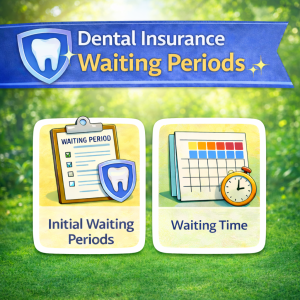
Understanding waiting periods in dental insurance is crucial, especially when considering treatments like implants. Waiting periods are the time you must wait after enrolling in a dental plan before coverage for specific services begins.

These periods can affect your treatment timeline and finances. Recognizing typical waiting periods and implementing strategies to manage them helps you plan effectively and maximize your benefits.

Let’s dive into the specifics and strategies around dental insurance waiting periods, ensuring you’re prepared and well-informed when choosing a dental plan.

Typical Waiting Periods for Dental Services

Waiting periods are common in dental insurance plans and can vary significantly based on the service type and the insurance provider.

Generally, these periods are put in place by insurers to prevent immediate use of expensive services right after policy initiation, which helps manage overall plan costs.

For routine preventive services like cleanings and check-ups, waiting periods are often quite short or non-existent, allowing you to maintain your dental health without delay.

This immediate coverage for preventive services is beneficial as it emphasizes ongoing oral health maintenance, which can mitigate major issues down the line.

However, when it comes to more involved procedures, considered major treatments like crowns, bridges, or dental implants, the waiting periods can stretch from several months to even a year.

This extended waiting time for major services reflects the higher costs associated and the insurance company’s strategy to manage risk.

Having a clear understanding of typical waiting periods can save considerable frustration down the road. For those planning dental implants, it’s imperative to consult your policy details well in advance.

If implants are medically necessary soon after you enroll, knowing about the waiting period upfront can help adjust your timelines or budget accordingly.

Additionally, the length of waiting periods can depend on whether your dental services are deemed elective or medically essential. In such cases, insurers might shorten or altogether waive the waiting period for necessary interventions.

Each insurance provider differs, and it’s wise to compare plans to understand their specific waiting requirements thoroughly.

Reviewing these potential constraints before deciding on a plan allows you to align dental treatment plans with your personal healthcare needs and financial limitations.

This proactive approach ensures that when the need for dental services, especially costly ones, arises, you’re not caught off guard. You can plan adequately, avoiding last-minute financial hurdles or treatment delays that could exacerbate oral health problems.

Strategies to Manage Waiting Times

Waiting periods in dental insurance can pose challenges, but there are strategies you can implement to manage them effectively.

Planning ahead is key; before enrolling in a new dental plan, evaluate your upcoming dental needs and select a plan that aligns with these requirements while also considering the waiting periods.

If you anticipate needing major dental work, such as implants, within a short timeframe, look for plans that offer shorter waiting periods for these services or consider delaying your enrollment until the waiting period won’t impact your treatment schedule.

Additionally, building a relationship with your healthcare provider can help in navigating these waiting times strategically. Some providers might offer flexible payment arrangements during your waiting period.

While these won’t eliminate the waiting period, they can ease the financial burden by spreading out costs over time.

It’s also beneficial to explore whether your current coverage includes any loyalty discounts or long-term membership benefits, as these can sometimes mitigate waiting periods.

Staying informed and regularly reviewing your policy terms ensures you’re making the most of any available perks. Moreover, you could research supplemental insurance options that might not impose the same waiting periods.

Although this involves extra cost, it can serve as a stopgap measure to bridge coverage gaps, especially for urgent dental care needs. Communication with your insurance company is another crucial strategy.

By discussing your specific health situation upfront, particularly if medical necessity can expedite certain treatments, you may benefit from exceptions or reduced waiting periods.

Demonstrating a comprehensive understanding of your dental history and needs can sometimes work in your favor in negotiations with insurance providers.

Incorporating these strategies into your planning not only helps in reducing the impact of waiting periods but also maximizes the potential benefits of your dental insurance.

By strategically managing these periods, you can ensure timely access to necessary dental care without significant disruptions to your treatment plans or financial health.

Always consider checking in with a dental insurance specialist who can offer personalized advice tailored to your circumstances, further optimizing your experience with dental insurance coverage.

Finding the Right Dental Plan

Finding the Right Dental Plan for Your Needs

Finding the right dental plan can be a challenge, especially when you’re considering treatments like dental implants.

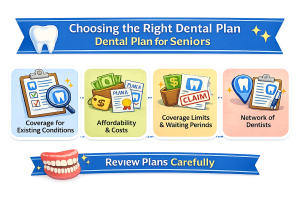
Dental plans vary widely in terms of coverage, networks, and cost, and it’s crucial to find a plan that balances these factors with your personal needs.

In this section, we’ll cover how to balance affordability with the required coverage and explore popular choices like Humana among dental insurance providers.

This information will help you identify which plan suits your dental care needs best and guide you through the essential considerations to make an informed choice about your dental insurance options.

Balancing Affordability with Coverage

Finding a balance between affordability and coverage is essential when choosing a dental plan, especially if you’re planning for treatments like implants.

Many people consider the cost of monthly premiums to be one of the most significant factors in their decision, but it’s equally vital to evaluate what those premiums offer in terms of coverage and out-of-pocket expenses.

Dental plans often operate within a network, meaning your costs could be lower if you use an in-network provider. On the other hand, opting for an out-of-network dentist might increase your costs, so it’s important to weigh these factors carefully.

The coverage that plans offer can greatly vary, with some plans providing more comprehensive care for preventive services and basic procedures, while others might extend more benefits towards major restorative treatments like implants.

Understanding these variations allows you to make informed decisions that align with your healthcare priorities and budget.

Comparing dental insurance requires more than just looking at the premiums; consider the coverage limits, network size, and any deductibles or co-payments involved in the treatment process.

Higher premium plans might include greater benefits and larger networks, reducing out-of-pocket expenses, whereas lower premiums might mean you bear more upfront costs for major services.

Another critical factor is understanding the annual maximums that your plan entails, as they cap the total coverage amount within a policy period.

Dental plans often have deductibles that must be met before the plan covers the expenses at the designated percentage, which means you’ll need to plan your budget accordingly.

To effectively balance affordability with coverage, seniors should explore various plans and providers to pinpoint which offerings deliver the best value for their specific needs.

Consider how often you require dental care; for frequent procedures or higher-cost treatments like implants, a plan with a higher premium but broader coverage can be advantageous in the long run.

It’s a good idea to evaluate how much flexibility you have in choosing dentists and whether the plan allows for specialist consultations when needed.

Understanding these aspects of dental insurance helps outline potential financial commitments and allows seniors to proceed with confidence, knowing that they’ve selected a plan that’s financially viable and supportive of their oral health goals.

Considering Popular Options such as Humana

Choosing a dental insurance provider is a significant decision, especially when you’re considering major treatments like implants. Among many options, Humana stands out as a popular choice due to its wide array of plans, which cater to various needs.

Humana offers plans ranging from basic preventive care coverage to more comprehensive options that include major services like implants.

When evaluating Humana against other insurance companies, consider how its network compares with others and what special features it might offer.

For instance, Humana’s customizable plans can be particularly appealing, allowing you to tailor the coverage level and cost to better suit your healthcare needs and financial circumstances.

The appeal of Humana also lies in its extensive network of providers. This aspect ensures that you have access to a broad spectrum of dental services and specialists, which is crucial if you anticipate needing complex procedures.

The flexibility provided by such a network can lead to lower out-of-pocket expenses since services are more likely to be in-network, providing better financial terms.

It’s also beneficial to verify whether Humana plans have long waiting periods for treatments like implants, as this can impact your decision, depending on the urgency of your dental care needs.

Another consideration with Humana is its focus on preventive care, which can be especially valuable. Regular cleanings and exams are often fully covered, promoting better oral health and potentially preventing more costly problems in the future.

Additionally, Humana offers various plans with different premium levels, allowing you to choose one that balances coverage with your budget.

It’s crucial to assess these variables and the overall cost implications thoroughly, such as deductibles and co-payments, which could influence your final decision.

In conclusion, when seeking dental insurance, considering a well-known provider like Humana can offer peace of mind, thanks to its flexible and diverse plans.

By analyzing your current and future dental care requirements, comparing plan features, and reviewing the financial aspects such as costs and network benefits, you can opt for a plan that fits your specific needs.

Engaging with such trusted names in dental insurance can potentially simplify the complex decision-making process, helping you manage your oral health needs more effectively and affordably.

When considering dental insurance for implants, understanding your coverage options can make it easier to choose the right plan for your needs. Different plans offer various levels of coverage, often with specific waiting periods and limitations.

Reviewing these details ensures you select a plan that matches your dental care priorities and budget. Remember, coverage and costs can vary by location and provider.

To explore plans available in your area, enter your ZIP code on our website. This way, you’ll be better prepared to make informed decisions about your dental insurance options.

Compare Dental Plans

Frequently Asked Questions

Are dental implants typically covered by dental insurance plans?

Coverage for dental implants varies by insurance plan. Some plans may cover a portion as part of major restorative care, but many categorize implants as elective or cosmetic, which can affect coverage levels. Check your specific plan details to understand coverage limits and possible out-of-pocket costs.

What are waiting periods in dental insurance, and how do they affect implant coverage?

Waiting periods are the time you must wait after enrolling in a dental plan before certain coverages become effective. Major treatments, like implants, often have waiting periods that can range from several months to a year, impacting when you can schedule your procedure unless medically necessary exceptions apply.

How do dental insurance network providers influence my out-of-pocket costs for implants?

Most dental insurance plans function within a network of providers. Using an in-network provider often results in reduced costs due to negotiated rates. Choosing an out-of-network provider can lead to higher costs, as they are not bound by the network agreements.

What should seniors consider when comparing dental plans for implants?

Seniors should evaluate the comprehensiveness of coverage for major restorative services like implants, waiting periods, network size, and maximum annual benefits. These factors differ by plan and can greatly affect both availability and total cost of care.

How can my location affect the dental insurance plans available to me?

Location impacts dental insurance availability, premiums, and network size. Urban areas may offer more options and larger provider networks, while rural areas might have fewer choices but possibly lower premiums. Comparing local plans is essential to find coverage that meets your needs effectively.

Have Questions?

Speak with a licensed insurance agent

1-833-667-3396

TTY users 711

Mon-Fri: 8am-9pm ET

Find & Compare Plans Online

Speak with a licensed insurance agent

1-833-667-3396TTY 711

Mon-Fri: 8am-9pm ET

ZRN Health & Financial Services, LLC, a Texas limited liability company