Limitations of Basic Dental Insurance

Understanding the ins and outs of dental insurance can feel overwhelming, especially when it comes to unraveling the limitations of basic plans. Not all dental plans are created equal, and knowing what your policy covers is crucial for effective dental care.

By collaborating with your dentist, you can navigate your coverage options and find a plan that aligns with both your budget and health needs.

This article will guide you through common limitations of basic dental insurance and how to make informed choices with professional advice.

Key Highlights

  • Dental insurance helps manage dental care costs, covering preventive services and various procedures.
  • Your dentist can assist in navigating insurance options and uncovering coverage details for different treatments.
  • Basic plans often cover preventive services but limit coverage on costly procedures like crowns or implants.
  • Compare plans by assessing coverage levels, network providers, and costs such as premiums and deductibles.
  • Enter your ZIP code on our site to explore local dental insurance options, as coverage and costs vary by location.

Compare Dental Plans

Understanding Dental Insurance: Basics and Importance

Dental insurance plays a crucial role in managing the costs of dental care, ensuring individuals can maintain their oral health without breaking the bank.

Understanding the basics of dental insurance helps individuals and families make informed decisions about coverage.

These insurance plans vary widely, with different types and levels of coverage. While preventive services are commonly included, other procedures might not be fully covered.

Knowing these details helps in choosing the right insurance plan. Recognizing how dental insurance fits into overall healthcare can empower you to seek the right dental care and protect your financial well-being.

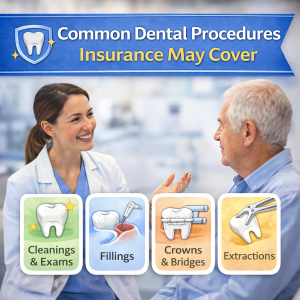
common dental procedures insurance may cover

Key Features of Dental Insurance Plans

When exploring dental insurance plans, it’s essential to understand their key features to make an informed choice.

Most plans are designed to cover part of the costs associated with various types of dental care, ranging from routine check-ups to more complex procedures.

Usually, dental insurance includes coverage for preventive services, which are crucial for maintaining long-term oral health. However, the extent of this coverage can vary significantly.

For example, individual plans from different companies might cover a larger portion of preventive care, while offering less for more expensive procedures like crowns or dentures.

Understanding your specific insurance plan’s network is also vital, as accessing services from providers within the network often results in lower out-of-pocket costs.

Finally, costs and coverage details need careful evaluation, as the balance between premiums, copayments, and procedural coverage impacts the overall affordability and effectiveness of your insurance.

This helps ensure that your dental care needs are met effectively and affordably.

The Role of a Dentist in Navigating Dental Insurance

Understanding dental insurance can be daunting, but your dentist can be a valuable ally in optimizing your dental insurance plan.

Dentists are not just healthcare providers; they’re familiar with the complexities of dental insurance and can guide you through your options. These professionals understand various insurance plans and the coverage they provide for dental treatments.

By discussing your needs with your dentist, you can uncover how different services, from preventive care to major procedures, are managed within your network.

Partnering with your dentist ensures you make informed decisions about your dental insurance, enhancing your coverage and care experience.

Discussing Insurance with Your Dentist

Talking with your dentist about your insurance plan can reveal insights into maximizing your coverage. Dentists often understand the fine print and can help identify which treatments are fully covered or may incur additional costs.

Discussing your dental plans lets you explore how preventive services like cleanings and check-ups fit into your insurance structure. Dentists can also explain how network affiliations affect what you pay out-of-pocket for different treatments.

By understanding these nuances, you can make well-informed decisions that align with your financial and dental care goals. This proactive approach can lead to better coverage for necessary procedures and unexpected dental services.

Common Coverage Elements in Dental Insurance

When examining dental insurance, it’s important to understand common coverage elements. Most insurance plans prioritize preventive services, which aid in maintaining oral health and can potentially lower overall dental care costs.

Coverage often includes routine check-ups, cleanings, and sometimes fluoride treatments. However, there are varying levels of coverage depending on the insurance company and plan.

Beyond preventive care, understanding how specific treatments are covered is critical. Knowing what types of procedures are included helps navigate expectations and plan better with your dentist.

Being aware of these elements provides a foundation for making confident choices in dental insurance.

Preventive Services and their Benefits

Preventive Services and Their Benefits

Preventive services form the cornerstone of most dental insurance plans, emphasizing early detection and maintenance to prevent costly treatments down the line.

These services typically include exams, cleanings, and fluoride applications, all crucial for maintaining oral health.

Coverage for preventive care varies across insurance companies, but such services are usually covered more comprehensively to encourage regular visits.

Importantly, accessing these services within your insurance plan’s network helps minimize out-of-pocket costs.

By prioritizing preventive treatments, insurers aim to curb more significant issues that arise from neglect, thus saving both money and potential discomfort. Regular use of preventive services supports long-term dental health.

Find & Compare Plans Online

Speak with a licensed insurance agent

1-833-667-3396TTY 711

Mon-Fri: 8am-9pm ET

Exploring the Limitations of Basic Dental Insurance

Basic dental insurance, while essential for maintaining oral health, often comes with notable limitations. Understanding these restrictions is crucial for effectively navigating your insurance plan and dental care needs.

Coverage varies significantly between companies and plans, impacting what treatments and services are included.

Many insurance plans might offer substantial coverage for preventive services, yet more costly procedures like crowns or orthodontics can face considerable restrictions.

Additionally, network limitations and deductibles can influence the affordability and accessibility of care. By exploring these constraints, you’re better equipped to address potential gaps in coverage and plan accordingly.

Understanding Coverage Restrictions

Coverage restrictions in dental insurance are multifaceted, driven largely by the specifics of your insurance plan. Nearly all insurance plans prioritize coverage for preventive services, such as cleanings and check-ups, which keep oral health in check.

However, when it comes to more expensive procedures, the limitations become apparent. Treatments like bridges, dentures, and implants often come with caps or might only be partially covered.

Understanding network restrictions is also key; using dental services within the specified network can reduce out-of-pocket costs significantly. Additionally, every insurance plan has deductibles, which are costs you’ll need to pay before the insurance kicks in.

Recognizing these coverage restrictions helps you prepare for any additional expenses you might encounter and strategically plan your dental care.

Consider discussing these details with your dentist, who can provide insights into how different procedures are covered and how you might optimize your insurance benefits.

How to Compare Dental Insurance Options

Finding the right dental insurance requires careful comparison of various options available. Evaluating these plans can be daunting, but a systematic approach will clarify the process.

We’ll explore key factors to consider, such as coverage levels, costs, and network restrictions. Understanding these elements helps you identify the best match for your dental and financial needs, ensuring comprehensive care without unexpected expenses.

Aligning your insurance plan with personal dental care priorities and consulting your dentist can further enhance your decision-making process. This empowers you to make informed choices about your dental health and budget.

Factors to Consider When Choosing Plans

When selecting a dental insurance plan, several critical factors can influence your choice. First, assess the types of coverage each plan offers.

While most plans include preventive services like cleanings and exams, coverage for procedures such as fillings, crowns, or orthodontics can vary significantly.

Look at the network of providers included in the insurance plan; choosing a plan with a broad network can save on out-of-pocket costs. Consider the services covered and those that aren’t to avoid surprise expenses.

Examining deductibles and premiums is also essential, as these costs impact affordability. Some plans might offer lower premiums but high deductibles, affecting your budget.

Additionally, review any waiting periods for certain procedures, which can delay needed treatments. Always consult with your dentist to get personalized advice based on your dental history and future needs.

By considering these comprehensive factors, you can confidently choose dental plans that meet your health and financial objectives.

Costs Associated with Dental Treatments

Understanding the costs of dental treatments can help you plan effectively for your dental care. Dental insurance plays a vital role in managing these expenses, but not all costs are fully covered by insurance plans.

From routine check-ups to more complex procedures, the out-of-pocket costs can vary significantly. This section explores the different costs associated with dental care and how to budget for these expenses.

We’ll look closely at how deductibles, coverage limits, and service networks impact what you pay for your treatments. Being informed can empower you to make wise decisions regarding your dental health and financial commitments.

Budgeting for Dental Insurance Expenses

Budgeting for dental insurance expenses requires a clear understanding of the various costs involved. Dental insurance plans typically involve premiums, deductibles, and copayments, each affecting your budget differently.

Premiums are the monthly payments you make to keep your dental insurance active, whereas deductibles are the amounts you need to pay out-of-pocket before your insurance begins to cover any dental services.

Copayments refer to the small fees you pay directly to your dentist for each treatment. Additionally, not all procedures are covered equally; preventive services often have lower costs compared to procedures like dentures or crowns.

Becoming familiar with your specific dental insurance plan’s coverage can help you anticipate potential expenses. Maintaining awareness of your network providers is also crucial, as out-of-network services generally result in higher costs.

By understanding these cost components, you’ll be better prepared to manage your dental care budget effectively and avoid unexpected financial burdens.

This knowledge is key to using your plan strategically, ensuring it meets your dental needs while staying within your financial reach.

As you delve deeper into managing your dental care finances, considering these practical strategies can further enhance your budgeting efforts:

  • Review your dental insurance policy to understand covered procedures and reimbursement rates.
  • Schedule preventive care visits since many plans offer full coverage for routine checkups and cleanings.
  • Utilize in-network dentists to benefit from lower negotiated rates for services.
  • Ask your dentist about available treatment alternatives that might cost less but achieve similar results.
  • Consider dental savings plans as a supplemental option for non-covered procedures.
  • Plan extensive treatments within a single policy year to maximize annual benefit limits.
  • Inquire about payment plans or discounts for paying in cash or upfront.
  • Track your out-of-pocket dental expenses for potential tax deductions.

By effectively implementing these strategies, you can ensure that your dental care remains both comprehensive and financially savvy.

Finding the Right Dental Insurance Plan

Finding the Right Insurance Plan for Your Needs

Choosing the right dental insurance plan can greatly impact your financial and oral health. With various options available, it’s vital to evaluate plan types, coverage levels, and costs tailored to your needs.

Understanding the differences among insurance plans helps you select the best fit for your dental care requirements and budget.

By examining preventive services, network considerations, and specific treatment coverages, you can find a plan that aligns with your goals.

Consulting with your dentist can also provide valuable insights, ensuring you maximize your benefits and avoid unforeseen expenses.

Evaluating Plan Options for Comprehensive Coverage

When evaluating plan options, focus on understanding the insurance plan’s coverage for both common and complex dental procedures.

Different plans often have varied coverage types, with some better suited for routine preventive services and others covering extensive treatments.

You’ll want to examine what your insurance plan will pay for dental services like check-ups, fillings, crowns, and even orthodontics. The network size and provider availability can affect your access to covered care.

A plan with a broad network often offers reduced costs and easier access to dental care. Additionally, consider the insurance company’s reputation and how smoothly claims are processed.

Pay attention to costs like premiums, deductibles, and out-of-pocket expenses, as they can impact your budget notably.

Consulting your dentist can help clarify coverage details, ensuring your chosen plan aligns with both your dental health needs and your financial situation.

Understanding the limitations of basic dental insurance and discussing your needs with your dentist can help you make informed decisions. Consider factors such as coverage for necessary procedures and potential out-of-pocket costs.

Dental plans vary widely, so it’s important to evaluate them carefully to find a suitable match. Explore your options to ensure you receive the care you need without unexpected expenses.

Enter your ZIP code on our website to learn more about dental insurance options available in your area, as costs and coverage can differ based on location.

Compare Dental Plans

Frequently Asked Questions

What are some common Limitations of Basic Dental Insurance plans?

Basic dental insurance plans often cover preventive services like cleanings and check-ups, but may limit coverage on more expensive procedures such as crowns, bridges, or implants. It is important to review the specific coverage details of any plan you consider.

How can my dentist help me understand my Dental Insurance Coverage?

Your dentist can provide insights into what treatments your insurance covers and help you plan for any additional out-of-pocket expenses. They are familiar with the intricacies of different plans and can advise on the best ways to maximize your benefits within the network.

What should I consider when comparing different Dental Insurance plans?

When comparing dental insurance plans, consider coverage levels for preventive and major dental services, network providers, premiums, deductibles, and out-of-pocket costs. Understanding these factors helps align the plan with your dental and financial needs.

How does entering my ZIP code on Bestdentalinsurance.org help me find the right plan?

By entering your ZIP code on Bestdentalinsurance.org, you can explore local dental insurance options, as coverage and costs often vary by location. This helps pinpoint plans available in your area that best match your needs.

What are the typical costs associated with Dental Insurance?

Dental insurance costs typically include premiums, deductibles, and copayments. Premiums are monthly payments, deductibles are the amounts paid out-of-pocket before insurance coverage starts, and copayments are small fees paid for each office visit or service. Balancing these costs is key to managing your dental care budget effectively.

Have Questions?

Speak with a licensed insurance agent

1-833-667-3396

TTY users 711

Mon-Fri: 8am-9pm ET

Find & Compare Plans Online

Speak with a licensed insurance agent

1-833-667-3396TTY 711

Mon-Fri: 8am-9pm ET

ZRN Health & Financial Services, LLC, a Texas limited liability company