Understanding affordable health, dental, and vision insurance bundles can greatly benefit those looking to simplify their coverage. These bundles often combine the essential coverage seniors need to maintain their health, from routine dental exams to necessary vision checks, making them a practical choice for budget-conscious individuals. This comprehensive approach to insurance aims to ease the process of finding necessary dental care and vision services without breaking the bank. By exploring how these bundles work and what they cover, seniors can make informed choices that align with their healthcare needs and financial situations.


Dental Insurance Plans
for individuals and families
Dental Plans start as low as $12.00 per month





Affordable Health Dental and Vision Insurance Bundle
Key Highlights
- Dental and vision insurance bundles simplify coverage and offer potential cost savings for seniors.
- Dental insurance is critical for seniors to manage oral health issues like gum disease and tooth decay.
- Understanding insurance coverage, including preventive care, can minimize out-of-pocket dental expenses.
- Combined plans often cover necessary services, making healthcare management simpler and more affordable.
- Local insurance options may provide tailored services, ensuring comprehensive coverage and lower costs.
Compare plans and enroll online
Understanding Dental Insurance for Seniors
Dental insurance is a vital part of maintaining overall health, especially as we age. For seniors seeking comprehensive care, it’s important to grasp how dental insurance works, including benefits and limitations. This understanding can help make informed decisions and avoid unexpected expenses. As we explore why dental coverage gains importance with age and consider the costs of common dental procedures, you’ll gain clarity and confidence in selecting an insurance plan that suits your needs. Affordability and coverage details are key factors to consider when evaluating insurance plans for oral healthcare.

Why Dental Coverage is Important as You Age
As we get older, dental health becomes increasingly vital to our overall well-being. Dental coverage plays a crucial role in managing oral health issues that may arise with age. For seniors, maintaining dental health isn’t just about a pretty smile; it’s essential for preventing more serious health problems. Conditions like gum disease and tooth decay can lead to infections that affect other parts of the body, possibly worsening existing medical conditions or leading to new health concerns. Thus, having dental insurance helps seniors access necessary preventive services like cleanings and check-ups, reducing the risk of serious dental issues.
Affordable dental insurance can significantly alleviate the financial burden of dental procedures that tend to be more common and costly as we age. Seniors are more likely to require more complex dental treatments such as crowns, dentures, and even implants. These are not just cosmetic procedures; they are often necessary for proper nutrition, speech, and maintaining facial structure. Dental insurance assists in offsetting these costs, providing a sense of financial security. Coverage can vary greatly between insurance plans, so understanding the specifics of what your plan covers is essential.
Another key reason dental coverage becomes important with age is the increased use of medications that may affect oral health. Many medications taken for various health conditions can lead to dry mouth, which significantly increases the risk of cavities and gum disease. Dental insurance that includes regular check-ups and cleaning can help manage these conditions effectively, preventing more extensive dental problems in the future. Additionally, the peace of mind knowing that potential high costs of dental care are managed is an invaluable benefit of having comprehensive dental insurance.
Common Dental Procedures and Their Costs
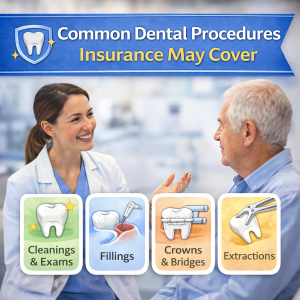
Understanding the costs associated with common dental procedures is a vital aspect of planning for senior healthcare. As we age, our dental needs may include more specialized treatments that range significantly in cost. Having dental insurance helps mitigate these expenses, making necessary procedures more accessible. Basic preventive services, such as routine cleanings and exams, are often fully covered by most insurance plans, serving as a foundational step for maintaining oral health without financial strain.
However, other procedures, like fillings and extractions, introduce varied costs. A standard filling, used to treat cavities, can cost several hundred dollars without insurance. Extractions, particularly of molars, can also run high in costs, especially if surgical interventions are required. Typically, with an insurance plan, these procedures are partially covered, reducing the direct out-of-pocket expenses for seniors. Surprisingly, not all dental insurance covers advanced procedures such as root canals, which can range from hundreds to thousands of dollars, or complex oral surgeries. Thus, it’s crucial for seniors to review their insurance coverage specifics.
Beyond basic teeth maintenance, many seniors find themselves needing more extensive dental work, such as crowns, bridges, and implants. A crown to cover a damaged tooth may cost significantly, but part of the expense is usually covered under comprehensive dental coverage plans. For tooth replacement options, like dental implants, the costs can be substantial, often reaching into the thousands, with insurance typically covering only a portion of the cost. Evaluating the nuances of your insurance plan can demystify what is included, empowering you to budget accordingly and avoid surprise bills.
Having a thorough understanding of your dental insurance scope helps seniors effectively plan for both routine care and unexpected dental needs. All these factors underscore the importance of selecting a plan that aligns with your medical history and future dental care expectations. Consider consulting with your healthcare provider about anticipated dental needs, so you can choose insurance plans or health coverage that align with your requirements, keeping your financial and dental health in balance.
Combining Dental and Vision Plans
Combining dental and vision insurance into a single plan offers multiple benefits, especially for seniors seeking comprehensive coverage. This approach simplifies the management of your healthcare needs and often results in bundled premium discounts. With a combined plan, you have access to a range of services under one umbrella, making it easier and potentially more affordable to maintain overall health. Such bundles give you a coordinated approach to healthcare, seamlessly linking dental and vision needs, which could positively impact your overall health.
Benefits of a Dental Vision Insurance Bundle
Combining dental vision insurance into one plan offers a range of benefits that can make managing your healthcare simpler and often more cost-effective. One of the most significant advantages is the potential for bundled premium discounts, which can lower your monthly costs. When dental insurance and vision insurance are paired, many providers offer discounts that you wouldn’t otherwise get. These savings often make such bundles a financially appealing option for seniors who may already be on a fixed income.
A bundled plan also offers the convenience of having just one insurance plan to manage, reducing paperwork and simplifying coordination of benefits. Instead of having separate providers for dental and vision services, which can sometimes lead to complications or forgotten payments, a single plan ensures coverage across both areas without the hassle. This simplification can be particularly beneficial as insurance becomes more intricate, making life that much easier and less stressful.
Moreover, bundled dental and vision insurance frequently covers a comprehensive array of services that focus on preventive care. Just as regular vision check-ups are vital for maintaining eye health and detecting more serious conditions early, routine dental visits help in preventing gum disease and other oral health issues. These preventive services are typically part of the bundle, helping to maintain your health in a cost-effective way while potentially catching problems before they become severe.
It’s important to explore your options by consulting both your healthcare needs and your budget. Each individual has unique health needs; understanding the specifics of what a dental vision bundle covers, such as eye exams, glasses, dental cleanings, and fillings, ensures that you’re only paying for services you intend to use. This consolidated coverage could be particularly beneficial if you’re looking to maintain overall health robustly, as these services often play a supportive role in identifying more systemic health issues.
Find & Compare Plans Online
How Vision Plans Enhance Overall Health
Vision plans are a critical component of overall health management, particularly as we advance in age and our bodies’ needs evolve. Vision insurance doesn’t just cover eye exams and corrective lenses; it plays a vital role in comprehensive health care by catching early signs of more complex health issues such as diabetes and high blood pressure. Through regular vision check-ups, healthcare professionals can often identify health problems that may otherwise go unnoticed. The role of vision plans in maintaining overall health extends beyond mere eye care.
As part of broader healthcare planning, vision insurance enhances overall wellness by ensuring consistent access to necessary vision services. This access provides an added layer of security for seniors who might be more susceptible to vision-related issues like cataracts or glaucoma. Vision plans often include coverage for preventive services, such as annual exams and glaucoma tests, addressing concerns before they escalate into more severe problems. This proactive approach is cost-efficient and aligns with senior health priorities.
Furthermore, clear vision contributes significantly to maintaining independence, which is vital for mental and physical well-being as we age. Some seniors might find it challenging to manage daily activities without adequate vision care. Vision insurance encourages regular monitoring, promoting a lifestyle that supports independence by preventing deterioration that could lead to a loss of mobility or increased risk of accidents.
Vision plans complement dental and healthcare services, creating a holistic approach that enhances a senior’s quality of life. When bundled with dental or healthcare plans, the resulting synergy is usually accompanied by reduced premiums and streamlined healthcare management. It’s important to learn about the full range of benefits offered by these services. With comprehensive vision insurance, seniors gain peace of mind knowing their vision health is well-managed, supporting broader health and happiness.
For those considering a comprehensive plan, understanding how vision plans contribute to overall health will ensure choices that align readily with long-term healthcare strategies. As each person’s health requirements are different, assessing current health conditions and consulting with healthcare providers can guide better decision-making, ensuring that both your sight and overall health are preserved without adding undue financial stress.
Understanding these benefits highlights the integral role of vision plans in a comprehensive health strategy:
- Access to regular comprehensive eye exams for early detection of health issues.
- Special services like glaucoma tests and cataract screenings.
- Cost-effective approaches that support preventive health care measures.
- Bundling options with dental and other health plans for improved coverage.
- Enhanced independence and safety through clear vision maintenance.
- Streamlined management of healthcare needs through bundled plans.
- Peace of mind from proactive vision health monitoring and management.

Comparing Different Insurance Plans
Choosing the right insurance plan can feel overwhelming due to the many options available, especially for seniors looking to bundle health, dental, and vision coverage. Understanding how insurance plans differ in terms of coverage, cost, and benefits is crucial to making informed decisions. By gaining insights into various factors to consider when selecting a plan and understanding the role of medical coverage, you can confidently choose a plan tailored to your specific healthcare needs. This comparison not only aids in selecting adequate coverage but also promotes peace of mind regarding potential healthcare expenses.
Factors to Consider When Choosing a Plan
When evaluating different insurance plans, particularly those combining health, dental, and vision coverage, several factors deserve your careful consideration. First, look at the extent of coverage offered by different plans. Consider which services are emphasized: does the plan prioritize preventive services like routine check-ups, or does it offer substantial benefits for major procedures like crowns and implants? Each insurance plan can vary dramatically in coverage specifics, and understanding these nuances can help ensure it meets your needs without unexpected gaps.
Next, assess the costs associated with each insurance plan, beyond just the premium. Evaluate deductibles, co-pays, and other out-of-pocket expenses that accompany the plan. Premium bundling often claims to save money, but it’s crucial to see if those apparent savings make sense for your individual situation. As a senior, understanding all cost implications of your chosen plan can be crucial to remaining on a fixed income budget. Also, consider whether your preferred healthcare providers are included in the insurer’s network, as out-of-network care can lead to increased costs.
Additionally, review the flexibility of the insurance plan and its adaptability to changing health needs. Seniors often have evolving medical needs, so flexibility in an insurance plan can prove invaluable. Understanding the different shades of what’s covered may also reveal the potential for more comprehensive care that aligns with your medical history. It’s often beneficial to speak with someone knowledgeable about healthcare services to ensure all your questions about the insurance plan are fully answered. By considering these factors thoroughly, you’ll be more likely to choose an insurance option that aligns with your long-term health strategies and provides peace of mind.
Understanding the Role of Medical Coverage
Medical coverage is a cornerstone of any robust insurance plan and plays a significant role in your overall health management strategy. Such coverage often extends beyond immediate healthcare needs, encompassing long-term medical support and preventive services. A comprehensive understanding of how medical coverage dovetails with dental and vision insurance can significantly enhance your approach to healthcare. This integration helps ensure that you’re not only managing existing health concerns but also preventing future issues through regular check-ups and preventive measures.
It’s vital to recognize that, while dental and vision plans provide specific benefits, medical coverage serves as the central support system, covering a broad spectrum of healthcare needs. It often includes access to healthcare providers, prescription services, and specialist consultations. When considering insurance, it’s essential to prioritize plans that provide extensive medical coverage to cover routine services as well as more specialized care for conditions that can develop later in life.
Also, consider how medical coverage within a bundled plan interacts with services like dental and vision coverage. Many insurance providers offer bundled plans that consolidate premiums, potentially leading to reduced costs. However, understanding each component’s role in your healthcare is essential. For instance, while a bundled package may provide appealing headline savings, ensuring each element’s coverage is thorough means examining the details carefully.
Effective medical coverage manages more than immediate situations. It aligns with both preventive care and ongoing health maintenance, offering security in knowing healthcare costs for unforeseen medical events might be more manageable. This aspect of insurance plans ensures that seniors can focus on maintaining health without being burdened by financial strains. Thoughtful choice of comprehensive medical, dental, and vision insurance supports a stable, healthy lifestyle.
Taking a holistic view of medical coverage can empower you to make decisions that will sustain your health long term. Exploring insurance options with this mindset allows you to tailor your plan, ensuring medical coverage meets your unique health needs and financial capabilities, while complementing your dental and vision choices.
Avoiding Unnecessary Dental Costs
Managing dental costs effectively is crucial, especially for seniors looking to avoid unnecessary expenses. Understanding insurance benefits, coverage, and limitations can empower seniors to make informed financial decisions regarding dental care. Access to the right resources and insurance plans can significantly reduce out-of-pocket expenses, ensuring affordable healthcare options without compromising quality. By learning how to minimize healthcare costs and optimize insurance coverage, seniors can maintain comprehensive health without financial strain. This section explores practical tips and strategies to reduce dental and medical expenses while maximizing the benefits of dental and vision insurance plans.
Tips to Minimize Out-of-Pocket Expenses
Reducing out-of-pocket expenses begins with understanding your insurance coverage and the dental benefits available. Start by reviewing your insurance plan thoroughly to identify what services are covered, particularly preventive services that are often fully covered. Regular dental check-ups and cleanings can prevent more costly treatments down the line, making them a wise investment. By staying consistent with routine healthcare services, you can reduce the need for expensive procedures, ultimately minimizing dental costs. Preventive care is your first line of defense in managing oral health efficiently and affordably.
Another effective strategy involves maximizing the use of healthcare resources. Many insurance plans offer discounts or benefits for using in-network dentists. These preferred providers have negotiated rates with your insurer, which can help reduce your medical and dental expenses significantly. It’s worth consulting your insurance provider to understand the network of dentists within your plan and choose one to ensure you’re paying the least out-of-pocket. Having a regular dentist familiar with your medical history can also provide continuity of care, aiding in preventing costly surprises.
Exploring ACA resources and understanding differences between Medicare and Medicaid benefits for dental care can also present additional avenues to manage costs. Seniors on fixed incomes might find that certain programs offer additional help not initially apparent. These programs sometimes provide coverage for services not included in standard dental insurance, potentially lowering expenses. It’s crucial to research all available options, as eligibility for different programs may unlock significant savings on dental services.
Prescription benefits tied to your health or dental plan can further mitigate costs, especially for seniors taking medications that affect oral health, like those causing dry mouth. Conditions like dry mouth can lead to more substantial dental issues, requiring treatment. By leveraging prescription coverage, you can manage such conditions effectively and avoid more severe complications that might arise, indirectly reducing potential high dental care costs.
Ultimately, being proactive about using your insurance benefits and seeking out additional support programs can significantly reduce dental expenses. Through smart planning, leveraging in-network dentists, and maximizing insurance resources, you can manage dental costs efficiently. For more information on how local options could further aid in reducing healthcare expenses, you might also consider entering your ZIP code to explore personalized insurance solutions available in your area.
Learn More About Local Options
When you consider dental and health insurance, you might be surprised at how much variation exists based on where you live. Each insurance company offers different plans, benefits, and costs that can vary from state to state or even within different regions. To effectively navigate this, it’s important to learn about local options that best suit your needs. By understanding what’s available in your area, you can tailor your insurance plans to ensure comprehensive coverage without unnecessary expenses.
Many insurance companies work closely with local healthcare providers to create plans tailored to regional needs. This collaboration often results in more suitable services and benefits, such as access to an extensive network of local dentists and specialists, which can drastically simplify finding care. Exploring services within your locale might include understanding the different dental clinics participating in your insurance network, potentially reducing out-of-pocket costs. Local plans may also offer specific advantages like lower premiums or specialized services aimed at the healthcare needs identified in your community.
Healthcare marketplaces are another crucial touchpoint when researching local options. These platforms allow you to compare different insurance offerings from varied insurers, including bundled plans that combine health, dental, and vision insurance. By doing this, you can learn about plans that provide essential preventive services and possibly other valuable additions relevant to Medicare supplements or prescriptions, tailored to the aging population. The marketplace can highlight plans that cater specifically to the needs of seniors, offering peace of mind through comprehensive coverage.
It’s essential to be proactive and consult available resources to ensure any specific health requirements you have are met by your chosen plan. Whether you need extensive dental services, comprehensive health benefits, or a combination, the local insurance market can provide suitable and sometimes more affordable solutions. Collaborating with local healthcare services means you can have access to prompt and efficient care.
If you’re curious about what’s specifically available to you, consider engaging with online resources or contacting local insurance representatives. By learning how to unpack these options, you create a guideline to narrow down your choices, ensuring your selected plan perfectly aligns with your financial and healthcare goals. For a personalized look at insurance solutions best suited for your requirements, simply enter your ZIP code on our site to discover plans available in your area.
Choosing an affordable health, dental, and vision insurance bundle can provide comprehensive care that meets your needs. It’s important to compare different plans, as coverage and costs may vary by provider and location. By understanding your options, you can find a plan that offers the right combination of services and fits within your budget. Feel confident in exploring various plans to find one that aligns with your unique requirements. To start, enter your ZIP code on our site to see available dental insurance options in your area.
Compare plans and enroll online
Frequently Asked Questions
What are the benefits of bundling dental and vision insurance?
Bundling dental and vision insurance can simplify your coverage, potentially reduce costs through premium discounts, and streamline management by combining services under one plan. This can be especially beneficial for seniors looking to maintain comprehensive health without added stress.
Why is dental insurance important for seniors?
Dental insurance helps manage oral health issues common in seniors, such as gum disease and tooth decay, which can lead to serious health complications. It provides access to preventive care, minimizing the risk of expensive treatments and maintaining overall health.
What should seniors consider when choosing an insurance plan?
Seniors should evaluate the coverage specifics, costs like premiums and out-of-pocket expenses, and ensure their preferred providers are in-network. Flexibility and comprehensive coverage for evolving health needs are also crucial factors.
How can seniors manage dental costs effectively?
Seniors can manage costs by understanding their insurance coverage and maximizing its benefits, using in-network providers, and exploring additional resources like Medicare or Medicaid for eligible services. Regular preventive visits help avoid more costly treatments.
How can local insurance options benefit seniors?
Local insurance options may offer tailored plans that address regional healthcare needs, provide access to a network of local providers, and potentially lower premiums. Seniors can explore these options to ensure comprehensive and cost-effective coverage.
Find & Compare Plans Online
ZRN Health & Financial Services, LLC, a Texas limited liability company

Russell Noga is the CEO of ZRN Health & Financial Services and the head content editor of several Medicare insurance online publications. He has over 18 years of experience as a licensed Medicare insurance broker helping Medicare beneficiaries learn about Medicare, Medicare Advantage Plans, Medigap insurance, and Medicare Part D prescription drug plans.