Navigating dental insurance can feel daunting for senior citizens, but understanding your options can ease worries about coverage for dental needs. Many insurance plans cover preventive care like cleanings and exams, along with benefits for fillings, crowns, dentures, and sometimes more. Knowing what each plan offers and its limitations can help you choose coverage that suits your needs and budget. This guide aims to explain dental insurance plans tailored to seniors, demystifying costs and coverage differences in a straightforward way. Enter your ZIP code on our site to see what’s available in your area.


Dental Insurance Plans
for individuals and families
Dental Plans start as low as $12.00 per month





Dental Insurance Plans for Senior Citizens
Key Highlights
- Senior dental insurance often covers preventive care and essential treatments like fillings and crowns.
- Understanding plan specifics helps align benefits with individual dental needs and budget constraints.
- Supplemental insurance fills Medicare gaps, offering broader dental coverage for seniors.
- Dental discount plans provide cost-effective savings on treatments without traditional insurance constraints.
- Comparing senior-specific plans ensures coverage matches dental needs while managing costs effectively.
Compare plans and enroll online
Understanding Dental Insurance for Seniors
As retirement approaches, understanding the nuances of dental insurance becomes crucial for seniors. Dental care is an essential part of maintaining overall health, but it often gets overlooked due to unclear coverage facts. Dental insurance plans for seniors offer a way to manage dental expenses effectively while balancing the need for various treatments. Whether you’re navigating basic coverage or exploring other comprehensive benefits plans, like hearing and vision, it’s essential to grasp how benefits align with your needs. From understanding Medicare and other insurance company options to considering AARP and senior-specific plans, knowing the right questions to ask can be invaluable in safeguarding your smile.
How Dental Insurance Works for Seniors
Dental insurance for seniors offers a structured way to handle dental costs, easing the financial burden of dental care. Generally, insurance plans cover a portion of various dental procedures, categorized into preventive, basic, and major services. Preventive care, including regular cleanings and check-ups, is often covered fully to encourage maintaining oral health. This not only supports your smile but also aids in detecting potential issues early when treatments are typically easier and less expensive. Basic services like fillings and extractions have partial coverage, typically around 70% to 80%. Meanwhile, major services such as crowns, dentures, or bridges often require more significant out-of-pocket spending, with coverage rates usually lower, around 50%.
Insurance plans for seniors are uniquely designed to meet the needs of an aging population. Plans can vary significantly depending on whether they are part of a Medicare advantage package, linked with senior organizations like AARP, or directly from an insurance company. For those enrolled in Medicare, understanding the limitations is key, as dental coverage is not standard under Original Medicare. Seniors might need to seek out separate dental insurance plans to fill these gaps.
Many insurance plans have a waiting period before certain benefits kick in, especially for major services. Understanding this aspect is crucial to plan better financially. Some plans specifically for seniors might offer shorter waiting periods or tailored coverage options. Thus, comparing these details among different plans offers insight into what coverage best suits individual dental needs. Online resources and local insurance companies can help seniors and their caregivers navigate these complexities. By investing time to explore these areas, seniors can find a plan that helps manage costs while ensuring essential dental care. Consistent dental visits, paired with the right insurance coverage, can support not just oral health but overall wellness during the golden years.
Why Dental Insurance is Important After Retirement
During the retirement years, dental insurance becomes a critical component of health care planning. The absence of employer-sponsored insurance means seniors must actively seek dental insurance to ensure ongoing access to dental care. Dental needs often intensify with age due to conditions like gum disease, tooth loss, and dry mouth, all of which require consistent attention to maintain overall health. Dental insurance offers a safety net against sudden high costs, allowing seniors to confidently access necessary treatments without fear of unpredictable expenses.
As many retirees experience fixed incomes, affordability is a common concern. Dental insurance plans provide financial predictability, which is crucial given that dental expenses can be substantial without such protections. Plans typically offer annual maximum benefits, aiding in planning and budgeting. Additionally, preventive services, covered by most insurance plans, encourage proactive health management, a vital aspect since preventive care can drastically reduce more severe dental issues down the road.
Consider that many retirees turn to Medicare for health insurance, yet are surprised to find little to no dental coverage. This gap highlights the importance of seniors seeking supplemental dental insurance or standalone plans expressly designed to fill these gaps. Options like joining an AARP dental plan can provide comprehensive coverage specifically tailored for seniors.
Ultimately, embracing dental insurance in retirement not only ensures access to routine care but also empowers seniors to make informed choices about their dental health. By comparing plans, carefully examining coverage details, and seeking guidance from reputable, unbiased resources, seniors can protect their oral health without financial strain. This strategic approach enables seniors to maintain a healthy, dignified lifestyle, underscoring the notion that a healthy smile continues to hold great value at any age.
To further explore the benefits of dental insurance during retirement, consider these key advantages that can help seniors maintain their dental health:
- Provides peace of mind with reliable support for dental care expenses.
- Encourages regular check-ups, reducing the risk of major dental issues.
- Offers access to a network of experienced dental professionals.
- Simplifies budget management with predictable monthly premiums.
- Supports coverage for routine and preventive dental services.
- Fosters a proactive approach to senior dental care.
These highlights demonstrate how dental insurance can significantly contribute to a healthier retirement life.
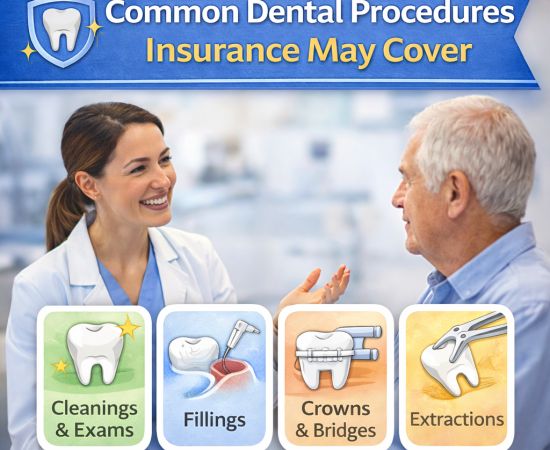
Common Dental Services Covered
Securing a dental insurance plan as a senior citizen can help you navigate the often costly landscape of dental care. Understanding common dental services covered under insurance plans is a key element in making informed decisions about your oral health. Coverage typically spans preventive care, which plays a significant role in detecting problems early, and services like fillings and crowns, crucial for maintaining dental stability and comfort. Exploring each category helps seniors balance costs with necessary treatments throughout retirement, ensuring that your dental needs are consistently and effectively met.
Preventive Care and Its Importance
Preventive care is the foundation of dental health, especially important for seniors who wish to maintain their smiles throughout retirement. Dental insurance typically offers comprehensive coverage for preventive services, recognizing their role in averting more severe health issues. This often includes bi-annual cleanings, dental exams, and X-rays, which provide early detection of possible concerns like gum disease or tooth decay. With preventive care fully covered by many dental insurance plans, seniors can take a proactive stance in maintaining their oral health. Insurance companies understand that prevention is more cost-effective in the long run, minimizing the need for more extensive procedures later. Preventive care not only safeguards your teeth but also supports overall health since oral health issues can lead to systemic problems if left unchecked.
In addition to cleanings and exams, some insurance plans provide fluoride treatments or sealants, further preventing decay. This coverage reassures seniors that they are receiving valuable treatments without the financial stress. Given the flexibility in plans, it’s wise to compare different dental plans to understand better which preventive services are included. Seniors can leverage this information to ensure that their dental insurance offers the most convenient options for regular check-ups. Maintaining regular dental visits aids in monitoring conditions unique to seniors, such as changes in the mouth or new concerns stemming from other health conditions or medications.
Preventive dental care provides seniors with peace of mind knowing they are actively participating in their healthcare. As you age, maintaining a routine of dental appointments can enhance life quality by preventing potential problems before they become serious. A pivotal part of planning dental care can even involve discussing personal needs with dental professionals, who can explain how preventive services fit into a broader treatment plan. Asking about coverage specifics helps align seniors’ dental visits with insurance benefits, effectively managing healthcare costs. For comprehensive oral health, understanding these elements helps seniors protect their smiles and overall well-being during their golden years.
Coverage for Fillings, Crowns, and More
The need for basic and major dental treatments tends to increase with age, making coverage for fillings, crowns, and more crucial for seniors. Dental insurance assists in managing these costs, typically providing partial coverage for procedures categorized as basic and major services.
Fillings, which fix cavities and may become more frequent with age, are often partially covered, helping to mitigate the immediate financial burden. Understanding the specifics of your insurance plan – such as the percentage of coverage and out-of-pocket costs – is essential for effective budgeting.
Crowns, another common need for seniors, are typically categorized as major services. These are crucial for restoring compromised teeth and ensuring functionality and appearance. While crown coverage usually involves a higher out-of-pocket contribution from the insured, most plans offer insurance benefits that significantly reduce costs.
It’s key for seniors to confirm waiting periods as these often apply to major services. This helps prepare financially for upcoming dental work. Being aware of these timelines enables seniors to strategize treatment plans aligning with insurance schedules, maximizing benefits and minimizing unexpected expenses.
Insurance plans also often cover other essential dental services, such as root canals, dentures, and bridges. These services are vital for not just maintaining oral health, but also for preserving quality of life, allowing seniors to enjoy meals and communicate comfortably. Each plan has a definitive outline of what is covered and at what percentage, so reviewing policy details and comparing them becomes instrumental in selecting the appropriate plan.
Considering the variability in coverage from different insurance providers, embracing a diligent approach to research helps in securing the services most essential to your circumstances. Seniors should engage with resources like Bestdentalinsurance.org to understand options across different locations and providers. In doing so, not only do you get clarity on what’s covered, but you align financial planning with ongoing and future dental care needs. The security provided by dental insurance means seniors can approach dental health with confidence, ensuring thorough care without financial strain.
Comparing Different Dental Insurance Options
Exploring various dental insurance plans can seem overwhelming, but it’s vital to ensure the best possible coverage for seniors. Dental insurance provides financial security and necessary support for maintaining oral health, particularly as dental needs evolve with age. From plans specifically designed for seniors to the role of supplemental insurance, each offers unique benefits tailored to different requirements. Understanding these options allows seniors to choose plans that align with their dental care needs and financial situations, supporting a healthy, confident lifestyle well into their golden years.
| Plan Type | Coverage Focus | Key Benefits | Considerations | Resources |
|---|---|---|---|---|
| HMO | Preventive Care | Lower Premiums | Limited Provider Network | Company Website |
| PPO | Comprehensive Services | Flexible Provider Choice | Higher Costs | Online Quote Tools |
| Indemnity | All Dental Services | Choice of Any Dentist | Upfront Payment Required | Brochure Downloads |
| Discount Plan | Reduced Fees | No Claim Forms | Non-Insurance Option | Referral Networks |
Short Description: This table summarizes various dental insurance plans available for seniors, emphasizing their features, benefits, and factors to consider for making well-informed decisions.
Find & Compare Plans Online
Plans Designed Specifically for Seniors
Insurance plans designed specifically for seniors focus on addressing the unique dental care needs that arise with age. These plans often provide comprehensive coverage that considers the high frequency of dental work required by older adults. Preventive care, an essential component of overall dental health, is typically well covered, ensuring that seniors have access to regular check-ups and cleanings at minimal or no out-of-pocket cost. These services help catch potential issues before they become significant, ultimately saving on more costly treatments down the road.
Senior dental plans often also include coverage for basic and major services, though this can differ between insurance providers. For example, fillings, extractions, and other minor repairs might be covered at 70% to 80%, reducing the financial burden significantly. When it comes to major services like crowns and dentures, which seniors are more likely to require, some plans offer favorable terms, but these often include a higher out-of-pocket contribution. Considering these factors, it’s important for seniors to understand the details of their coverage to maximize their benefits.
Another aspect to consider with senior-specific plans is the treatment of waiting periods. Some plans minimize or eliminate waiting periods for seniors, understanding that immediate attention to dental issues is often required. This allows seniors to receive timely care without having to endure delayed treatment due to waiting period restrictions. Access to insurance companies that offer these advantageous terms, such as those partnered with senior organizations like AARP, can be a valuable asset in securing dental health.
When comparing different plans, seniors should pay close attention to the limitations and exclusions present in their policies. By doing so, they can avoid unexpected costs and ensure that the essential services they need are adequately covered. Online platforms and resources such as Bestdentalinsurance.org provide valuable guidance, helping seniors understand the various options available and how each plan measures up in terms of affordability and coverage. This ensures that seniors can make informed decisions that support their dental care needs through comprehensive, tailored insurance solutions.
The Role of Supplemental Dental Insurance
Supplemental dental insurance plays a crucial role for seniors who rely on Medicare for their medical needs. Original Medicare covers very limited dental procedures, leaving a significant gap that could lead to high out-of-pocket expenses. Supplemental insurance plans are designed to bridge this gap, providing coverage for routine dental services that are not included under Medicare benefits. This includes preventive services like cleanings and exams, as well as treatments for more complex conditions that become more common with age.
Unlike traditional dental insurance, supplemental plans often focus on complementing what’s already covered, ensuring broader protection against dental health issues. Seniors who choose supplemental dental insurance can enjoy coverage that extends beyond the basic services, addressing major procedures that might otherwise prove financially burdensome. For example, root canals and dentures are generally not covered by Medicare, but supplemental plans can provide this essential coverage, significantly reducing costs.
Supplemental dental insurance also often offers flexibility by allowing policyholders to access a preferred network of providers or even choose out-of-network professionals. This flexibility is particularly beneficial for seniors living in remote areas where access to specific dental providers might be limited, ensuring that they receive the care they need without unnecessary travel burdens.
It’s important for seniors to carefully assess their individual needs when selecting a supplemental plan, considering factors such as existing dental health, anticipated treatments, and budget constraints. By doing so, they can secure a plan that effectively supplements their Medicare coverage in a cost-efficient manner. Additionally, engaging with insurance companies or educational resources like Bestdentalinsurance.org can provide the necessary insights to compare plans effectively, helping seniors craft a comprehensive approach to their dental care.
Supplemental dental plans often serve as an essential part of managing health care in retirement, ensuring that seniors have adequate protection against high dental costs and can maintain their oral health confidently. By understanding and utilizing supplemental insurance correctly, seniors can lay a strong foundation for ongoing dental wellness, aligning benefits with their lifestyle and needs.

Considering Costs and Coverage
Navigating the landscape of dental insurance can be challenging, especially for seniors needing tailored solutions to maintain their oral health. As dental care becomes more critical with aging, understanding the cost and coverage of insurance plans helps seniors make informed decisions. Balancing the cost of premiums with coverage benefits is crucial for ensuring comprehensive care without unexpected expenses. Exploring financial aids like dental discount plans can offer cost-effective options, providing a safety net for seniors looking to maintain their smiles while managing their budgets effectively.
Understanding Dental Discount and Cost-effective Options
Dental discount plans offer seniors an attractive alternative to traditional insurance, especially for those looking to manage their dental care costs more effectively. Unlike typical dental insurance plans, where premiums might be high and coverage limited, dental discount plans provide a more straightforward approach to savings. These plans work by negotiating reduced fees for dental services within a network of participating providers. Seniors pay a membership fee, which grants access to substantial savings on both routine and extensive dental treatments without the hassle of insurance claims or paperwork.
One of the primary advantages of a dental discount plan is the immediacy of savings. There’s no waiting period, so seniors can access discounts on necessary procedures right away. This is especially beneficial for those requiring urgent dental care or ongoing treatments. Seniors can enjoy up to 50% off the usual cost of services like cleanings, fillings, crowns, and even dentures, making these plans highly cost-effective. Given that dental care needs typically increase with age, this approach offers a convenient way for seniors to manage costs without the steep premiums associated with traditional insurance plans.
Moreover, dental discount plans eliminate concerns about preexisting conditions. Traditional insurance plans might have restrictions or higher premiums based on previous dental issues. Conversely, these discount plans do not. Seniors can join at any time without being penalized for their dental history, ensuring a hassle-free experience. Additionally, there’s no need to track annual limits as seen with traditional insurance, providing seniors with the flexibility to seek as much care as needed throughout the year.
When considering a dental discount plan, seniors should evaluate the network size and dental services included. This ensures that their preferred dentists participate and that commonly needed treatments are covered. Online resources and educational tools can help compare different plans and networks effectively. Seniors should carefully assess the overall costs, which include the membership fee and expected savings on procedures they anticipate needing.
To complement their insurance or in place of it, dental discount plans offer seniors an appealing avenue for managing dental care expenses. By understanding their needs and evaluating available options, seniors can choose the right plan that aligns with their financial situation and dental care priorities. This assurance of affordability and coverage flexibility provides seniors peace of mind, knowing their dental health is in good hands.
Understanding dental insurance helps seniors make informed decisions about their oral health. Coverage can vary by location and provider, so it’s important to explore options thoroughly. Consider your dental needs, budget, and the specifics of each plan. Preventive care, fillings, and dentures may be part of what insurance covers, but details can differ. Visit our site and enter your ZIP code to see plans available in your area. This helps you find the right match for your needs, giving you peace of mind about managing dental care costs effectively.
Compare plans and enroll online
Frequently Asked Questions
What types of dental procedures are usually covered by senior dental insurance plans?
Senior dental insurance plans often cover preventive care like cleanings and check-ups, basic services such as fillings and extractions, and major services like crowns or bridges. The extent of coverage can vary, so it’s essential to understand the specifics of what each plan offers.
How do supplemental dental insurance plans work for seniors?
Supplemental dental insurance plans help fill in the gaps of traditional health coverage, like Medicare. These plans cover additional dental services such as routine exams and more complex procedures not generally included in standard Medicare, offering a broader range of care options.
Are there any waiting periods for benefits under senior dental insurance plans?
Yes, many dental insurance plans have waiting periods before coverage for certain services kicks in, especially for major procedures. It’s beneficial to compare plans to find those with shorter or no waiting periods for seniors, aligning with their dental care needs.
What financial aids are available for seniors to help manage dental care costs?
Dental discount plans are a popular financial aid, offering immediate savings on treatments without extensive paperwork. These plans work by providing reduced fees at participating dental care providers, allowing seniors to manage dental expenses more efficiently.
How can seniors compare different dental insurance plans effectively?
Seniors can compare plans by examining coverage details, benefits, limitations, waiting periods, and costs. Online resources like Bestdentalinsurance.org allow seniors to enter their ZIP code and explore available options, aiding in finding suitable coverage for their dental needs.
Find & Compare Plans Online
ZRN Health & Financial Services, LLC, a Texas limited liability company

Russell Noga is the CEO of ZRN Health & Financial Services and the head content editor of several Medicare insurance online publications. He has over 18 years of experience as a licensed Medicare insurance broker helping Medicare beneficiaries learn about Medicare, Medicare Advantage Plans, Medigap insurance, and Medicare Part D prescription drug plans.