Finding the right dental and vision insurance can make college life much easier. With a focus on students, many plans offer flexible options that cover essentials like eye exams, braces, and routine dental care. Understanding coverage, costs, and benefits can feel overwhelming. Our goal is to help explain these affordable options so you can access the care you need without added stress. Explore coverage differences and choose a plan that fits your unique needs. Remember, the right insurance can help maintain your health and focus on your studies.


Dental Insurance Plans
for individuals and families
Dental Plans start as low as $12.00 per month





Dental and Vision Insurance for College Students
Key Highlights
- Dental and vision coverage is essential for maintaining overall health during college.
- Preventive care coverage helps avoid expensive dental procedures later.
- Knowing plan options ensures students choose affordable and comprehensive coverage.
- Supplemental dental insurance fills gaps in standard coverage, offering extra security.
- Understanding insurance limitations and waiting periods prevents unexpected dental costs.
Compare plans and enroll online
Understanding Dental Insurance for College Students
Dental insurance is a crucial aspect of health insurance that benefits college students in managing their healthcare needs. As they transition into adulthood, many may not realize the importance of being insured, especially for routine dental care and vision coverage. This section will delve into why having dental and vision insurance is vital, and how it can complement student health plans. Understanding these insurance plans helps college students make informed decisions about their healthcare coverage, ensuring they maintain both dental and vision health throughout their college years.
Why Dental and Vision Coverage Matters
Dental and vision coverage are often overlooked by college students, yet they’re essential for maintaining overall health. Dental insurance provides coverage for preventive dental care such as cleanings and exams, which are vital for avoiding more costly procedures down the line. These insurance plans can make dental care more affordable, helping students manage finances while in college. Furthermore, routine dental exams are essential for uncovering issues early, saving you stress and money later. Vision coverage is equally important, as it provides necessary eye exams, glasses, or contact lenses for those who need them. For students spending long hours on computers, proper vision care can prevent eye strain and enhance academic performance. Incorporating both dental and vision insurance into student health plans means benefiting from a more rounded healthcare approach, ensuring coverage for the most immediate and common health needs. Being insured not only provides peace of mind but also supports a healthier lifestyle. It’s critical for students to explore their options early in their college experience to address these essential healthcare aspects effectively. Armed with this knowledge, they can confidently navigate their insurance choices, prioritizing their well-being while managing their budget effectively.
The Basics of Dental and Vision Plans
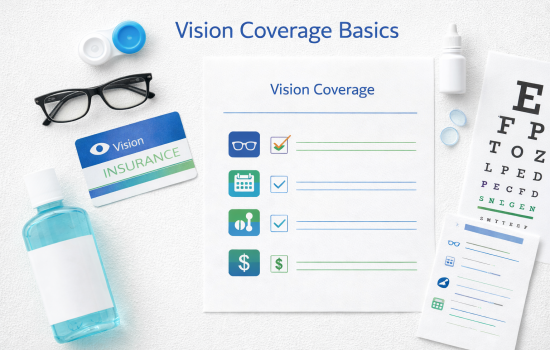
Navigating dental and vision insurance can be daunting for college students. These plans are vital for maintaining comprehensive health coverage during college years. Dental insurance helps cover routine dental care like cleanings and exams, crucial for preventing bigger health issues. Similarly, vision insurance is essential for students, offering eye exams and corrective eyewear options. Understanding the key features of these insurance plans helps students select coverage that suits their needs and budgets. Whether you’re part of a group plan or seeking individual options, knowing the basics ensures you’re informed and equipped for your healthcare journey.
Key Features of Dental Insurance
Dental insurance plans offer varying levels of coverage, making it important for college students to understand what each plan entails. Many plans prioritize preventive dental care, covering routine cleanings and exams that help maintain oral health and prevent costly procedures later. It’s worth noting that not all dental plans are the same. Some may offer group options through the college’s health insurance programs, which can provide more affordable coverage than individual plans. An awareness of these insurance plans is crucial for students who need comprehensive dental care throughout their college years.
AFLAC offers network dental insurance plans specifically designed to meet the needs of students. These plans often include coverage for both preventive services and more extensive procedures such as fillings and crowns. Students should investigate if their college offers such plans, as they can be more budget-friendly and offer the convenience of on-campus services. Vision and dental insurance plans come with their own set of limitations and benefits, but knowing these details helps students make educated decisions. Being insured means having a safety net for unexpected dental expenses, ensuring they stay focused on their studies without worrying about healthcare bills.
Comparing Available Dental Plans on Campus
College students have various dental insurance options available on campus, each catering to different needs and budgets. Comparing these plans helps students find affordable dental insurance that fits their lifestyle and financial situation. From group plans organized by colleges to individual insurance plans from well-known companies, students have a range of choices. Understanding the distinctions among these options ensures coverage that complements their health insurance and covers essential dental care needs. Navigating these choices with an understanding of costs, benefits, and coverage options can streamline the selection process and offer peace of mind throughout college years.
Finding Affordable Options for Students
Finding affordable dental insurance is key for college students striving to maintain their dental care without breaking the bank. Many colleges offer group dental plans as part of their student health insurance packages. These plans are typically negotiated with an insurance company to offer coverage at reduced rates, making dental care more accessible to students living on campus. It’s wise for students to compare these group options with individual insurance plans available from providers like AFLAC, which are known for offering network dental insurance plans suited for students’ unique needs.
Exploring different dental plans involves understanding what each insurance plan covers. Most college students should look for plans that include preventive care, such as routine cleanings, to maintain oral health without incurring additional costs. Before choosing a plan, students should investigate whether their college partners with any insurance company to provide in-network benefits, streamlining access to care. A key benefit of college-affiliated dental insurance is the potential for on-campus services, which adds convenience on top of cost savings. Becoming insured via these options not only reduces financial burden but also emphasizes preventive care, crucial for avoiding more expensive procedures in the future.
Being insured has its advantages beyond the cost. For college students, the affordability provided by group dental plans can provide freedom from financial stress associated with unexpected dental issues. Moreover, having access to professional dental care through affordable dental insurance encourages regular checkups, essential for long-term oral health. To capitalize on these benefits, students should take the time to decipher each plan’s specifics and choose the one that best blends with their student health and financial priorities. With the right dental plans, they can focus on their studies, armed with the assurance that their health needs are managed effectively.
Exploring Supplemental Dental Coverage
Supplemental dental coverage can provide an extra layer of dental care security for college students. These plans are designed to fill gaps in standard dental insurance, covering additional costs that primary insurance might not include. Understanding how supplemental dental works, especially in the context of student health needs, is crucial for maintaining access to comprehensive dental care while managing a tight budget. Students often look to enhance their dental plans with supplemental options for added benefits and flexibility, ensuring they don’t miss out on essential coverage despite the limitations of basic student health insurance plans.
How Supplemental Dental Works
Supplemental dental insurance is designed to complement your existing dental plan by covering additional services and costs that a standard policy might not handle. This type of coverage often includes enhanced protection for procedures not typically covered under basic insurance plans, like specialized treatments or higher coverage limits for certain services. When students are enrolled in a primary health insurance plan, supplemental dental can step in to provide extra security, especially for unexpected expenses that training athletes or students with particular dental needs might face. It’s a financial safeguard designed to minimize out-of-pocket spending and enhance overall dental care accessibility.
Often, supplemental dental plans are offered by insurance companies alongside health insurance or through specialized programs that target specific groups, such as college students. A company like Aflac offers network dental insurance plans that might include supplemental options designed for the diverse needs of students. These plans ensure you are covered for a broad range of dental procedures, from preventive care to more involved treatments like fillings and crowns. Opting for a supplemental dental plan can be especially beneficial for students who anticipate needing dental services beyond routine cleanings or are participating in athletic programs where dental injuries are more common.
For college students, understanding the ins and outs of supplemental dental insurance, including how it differs from standard coverage, is crucial. Unlike the primary dental plan, which might focus largely on preventive care, supplemental insurance provides for more extensive services and procedures, offering peace of mind. By knowing what each plan covers and how it fits with their primary student health plans, students can make informed decisions that align with their healthcare goals and budget constraints. Choosing supplemental options thoughtfully can translate into savings and more extensive care access, ensuring students remain focused on their studies, not their dental expenses.
Costs and Budgeting for Dental Care
Understanding the costs and budgeting for dental care is vital for college students managing tight finances. Dental insurance can ease this burden by offering a structured way to handle expenses. However, without careful planning, surprise costs can arise. By exploring different insurance options and understanding how various dental plans work, students can optimize their budgets. From preventive services to handling unforeseen bills, learning to manage these financial aspects ensures comprehensive dental care while in college, providing peace of mind and long-term oral health. Let’s delve into effective strategies for managing these expenses.
| Insurance Options | Expense Management | Preventive Care | Student Resources |
|---|---|---|---|
| Explore various plans | Budget for out-of-pocket costs | Schedule regular check-ups | Utilize campus health services |
| Understand coverage limits | Seek community clinics | Adopt proper oral hygiene | Investigate financial aid programs |
| Review policy networks | Compare service fees | Proactively address minor issues | Access online health resources |
This table encapsulates strategies for managing dental expenses, highlighting the significance of thorough planning and resource utilization for college students.
Find & Compare Plans Online
Managing Expenses and Avoiding Surprises
Budgeting effectively is crucial for college students when it comes to dental care. While dental insurance is designed to help mitigate costs, unexpected expenses can still occur if not managed properly. One way to manage expenses is by selecting insurance plans that offer comprehensive coverage, including preventive care like cleanings and exams. These services are crucial because they help catch potential issues early, preventing the need for more costly treatments later. Moreover, being proactive about dental health reduces the likelihood of unpleasant financial surprises from unexpected procedures.
Students should work with their insurance company to fully understand their dental plan options. There are often choices between different levels of coverage, some of which might include higher premiums but lower deductibles and vice versa. Understanding these differences will help students select a plan that matches their specific needs and budget constraints. Furthermore, considering supplemental dental insurance could provide additional coverage for services not included in the primary plan, offering greater financial security.
Many colleges have partnerships with insurance companies that provide student health plans, which can offer standard insurance at discounted rates. These group plans can make dental insurance more accessible and affordable. Also, leveraging on-campus dental services can further reduce costs, as these services are typically covered or partially covered under student health insurance plans. By understanding how to use these resources effectively, students can manage their dental care expenses proficiently, ensuring they remain healthy and financially stable throughout their college journey.
Waiting Periods and Coverage Limitations
Navigating the complexities of dental insurance can be challenging, especially when it comes to understanding waiting periods and coverage limitations. These are integral components of any insurance plan, impacting when and how your dental care is covered. Many insurance plans require a waiting period before coverage begins for certain services, which can vary by provider. Understanding these elements is essential for college students to avoid unexpected costs and ensure timely access to necessary dental care. Proper knowledge of these factors allows students to plan their health insurance needs more effectively during their college years.
What to Expect from Your Dental Plan
When choosing a dental plan, especially as a college student, understanding what to expect in terms of waiting periods and coverage limitations is pivotal. Most dental insurance plans have a specified waiting period before coverage for major services like crowns or root canals kicks in. During this time, you may have coverage for preventive services like cleanings and exams, but not for more extensive procedures. This period can range from a few months to a full year, depending on the insurance company and the plan type. It’s vital to understand these details upfront so you can plan your dental care accordingly.
Coverage limitations are another critical aspect to consider. Insurance plans often have annual maximums, the total amount they will pay in a policy year. Once you reach this limit, you’re responsible for any additional costs. It’s also common for plans to exclude coverage for certain pre-existing conditions or to have higher out-of-pocket costs for out-of-network dental care. These nuances mean carefully reviewing the summary of benefits and speaking with your insurance provider to clarify any doubts. Being informed helps you make educated decisions on which insurance plan best suits your needs.
College students should leverage resources available on-campus to better understand their insurance options. Many institutions provide access to insurance advisors who can explain these complex topics in simpler terms. Comparing different insurance plans, like those offered by AFLAC or through student health programs, can reveal which plan offers the most cost-effective and comprehensive coverage for your particular situation. Knowing what to expect from your dental plan ensures you’re prepared, mitigating stress and financial surprises, and allowing you to focus more thoroughly on your academic pursuits.
Continuing from the previous discussion, let’s delve deeper into understanding your dental plan’s specifics.
- Check the waiting period for major procedures like root canals or crowns.
- Review annual maximums and how they might affect yearly dental costs.
- Understand exclusions for pre-existing conditions and in-network versus out-of-network expenses.
- Access campus resources, like insurance advisors, for clearer plan clarifications.
- Compare different options through student health programs or providers like AFLAC.
Engaging with these factors helps you navigate your dental plan confidently and avoid unexpected issues.
Tips for Choosing the Right Dental Insurance
Choosing the right dental insurance is crucial for college students aiming to balance health care with a tight budget. It’s important to consider factors like coverage, costs, and plan options. Students must evaluate their current health insurance to integrate dental plans seamlessly. Understanding how insurance companies structure their plans, including network options like AFLAC’s network dental insurance plans, can aid in making an informed choice. Clear insights into dental insurance specifics empower students to secure a plan that supports their academic goals without financial strain.
Factors to Consider for Optimal Dental Care
When selecting dental insurance, college students should prioritize several key factors to ensure comprehensive dental care. First, assess the scope of coverage. Does the dental plan include preventive services like cleanings and exams? These are essential for maintaining oral health and can prevent costly procedures. Determine if the insurance covers more extensive treatments like fillings, crowns, and, importantly, any emergency dental care. Understanding these elements helps in choosing a plan that aligns with your health needs.
Cost considerations are next. Compare different insurance plans to find one that offers a balance of affordable premiums and minimal out-of-pocket expenses. Often, schools or universities provide group plans which might be more cost-effective. Investigate if these plans are available as part of your student health package. Some insurance companies, like AFLAC, offer plans specifically tailored for students, providing network advantages that reduce costs for in-network services.
Another important factor is the insurance company’s network size. A larger network means access to more dental care providers. If possible, opt for a plan that includes local dentists close to your campus for convenience.
Knowing where and how you can access care is crucial, especially during hectic college schedules. Lastly, consider the plan’s limitations, such as waiting periods for certain procedures and any exclusions. This insight not only aids in seamless integration with existing health insurance but also ensures students can confidently manage both their health and academic responsibilities. Entering college equipped with the right dental insurance safeguards against unexpected dental costs, ensuring a focus on studies and overall well-being.
Understanding dental and vision insurance options can help college students maintain their health without overspending. Exploring different plans will ensure you find one that fits your needs and budget. Each plan varies in coverage, so evaluate services like preventive care and routine check-ups carefully.
Remember, insurance helps manage out-of-pocket costs and access necessary care. To explore dental and vision insurance options and discover plans available in your area, you can enter your location details on the website. This step will guide you to options that are tailored to where you live.
Compare plans and enroll online
Frequently Asked Questions
Why is dental insurance important for college students?
Dental insurance is important for college students because it helps cover routine preventive care such as check-ups and cleanings, which can prevent more costly issues in the future. It eases the financial burden of unexpected dental expenses and supports overall health.
What should students consider when choosing a dental insurance plan?
Students should evaluate factors like coverage for preventive care, costs including premiums and out-of-pocket expenses, and any waiting periods or coverage limitations. Access to local dentists and the size of the insurance network can also be critical for convenience and cost efficiency.
Can college students access dental insurance through their university?
Many colleges provide dental insurance through group plans that are part of student health packages. These group plans often offer discounted rates and access to on-campus dental services, making them a cost-effective option for students.
What is supplemental dental insurance, and how can it benefit students?
Supplemental dental insurance provides additional coverage for services and costs not included in a primary plan. This can be especially useful for students who require extensive dental care beyond routine cleanings, offering added financial protection and flexibility.
How can college students find dental plans tailored to their needs?
Students can explore dental plans by visiting educational resources like Bestdentalinsurance.org. Entering your location on the site helps tailor recommendations, allowing you to find plans that best fit your needs and budget based on where you live.
Find & Compare Plans Online
ZRN Health & Financial Services, LLC, a Texas limited liability company

Russell Noga is the CEO of ZRN Health & Financial Services and the head content editor of several Medicare insurance online publications. He has over 18 years of experience as a licensed Medicare insurance broker helping Medicare beneficiaries learn about Medicare, Medicare Advantage Plans, Medigap insurance, and Medicare Part D prescription drug plans.