Understanding how dental insurance covers implants can feel overwhelming, but finding the right plan helps manage costs effectively. Dental implants offer a permanent solution for missing teeth, yet insurance plans vary widely in terms of coverage. Generally, most plans cover part of the procedure, such as exams or a portion of implant costs. However, they may have waiting periods or specific conditions. To navigate your options, it’s essential to compare different insurance plans. This page will guide you through the basics, helping you feel confident in choosing coverage that suits your needs and location.


Dental Insurance Plans
for individuals and families
Dental Plans start as low as $12.00 per month





Dental Implant Coverage Insurance
Key Highlights
- Dental implants often provide a permanent solution for missing teeth, mimicking natural teeth in both function and appearance.
- Insurance coverage for dental implants varies, with some plans covering portions like crowns or initial consultations.
- Assessing plans for implant coverage requires an understanding of policy limitations, annual caps, and waiting periods.
- Comprehensive dental care coverage, including preventive services, can offset overall costs and reduce the need for complex procedures.
- Entering your ZIP code on the website can help explore dental insurance options specific to your location.
Compare plans and enroll online
Understanding Dental Implants and Their Importance
Dental implants offer a reliable solution for those looking to restore their smile’s functionality and appearance, especially among seniors. They mimic natural teeth, contributing to improved oral health and overall well-being. Understanding the intricacies of dental implants can ease decision-making, revealing their long-term benefits, procedures, and how insurance policies can be leveraged to mitigate costs. Through a comprehensive grasp of what dental implants entail and their specific benefits, seniors can make informed choices that best suit their dental care needs.
What Are Dental Implants?
Dental implants are artificial tooth roots, often made of titanium, that provide a sturdy foundation for fixed or removable replacement teeth. They’re designed to match your natural teeth closely in both appearance and functionality. For those who have lost teeth due to decay, gum disease, or injury, dental implants act as a crucial component in dental restoration procedures. The procedure involves several steps, starting with the placement of the implant into the jawbone. Over time, the implant fuses with the jawbone in a process called osseointegration, securing the implant in place.
This procedure can vary based on individual needs. For some, it might include additional steps like bone grafting if the jawbone isn’t dense enough to support the implant initially. While the full procedure can span months due to necessary healing periods, the end result is often worth the wait. Many seniors find that implants significantly enhance their ability to chew and speak naturally. As a permanent solution, implants do require a commitment to oral hygiene and regular visits to the dentist, as they mimic natural teeth regarding general dental care requirements.
Choosing implants can be influenced by insurance policies. While some insurance covers part of the dental implant procedures, others may require you to pay more out-of-pocket. It’s important to discuss with your insurance company about the coverage specifics for implant treatment. Understanding what procedures insurance covers can help minimize unexpected expenses. Knowing these details ensures you’re well-prepared for any interactions with your dentist about this transformative journey. Never hesitate to ask your dentist about the dental procedures, so you know exactly what’s involved with dental implants.
Benefits of Dental Implants for Seniors
Dental implants offer numerous benefits, particularly for seniors seeking a reliable, long-term solution for missing teeth. First and foremost, they enhance oral health by preventing the shifting of neighboring teeth, thus maintaining proper alignment. Unlike dentures, dental implants don’t slip or shift, providing stability and comfort during activities like eating and speaking.
Another significant benefit is how they help preserve the jawbone. The stimulation that implants provide can prevent the bone loss that typically follows tooth loss. This stimulation is crucial for maintaining the structural integrity of the jaw, which can help counteract the appearance of premature aging often associated with jawbone deterioration. Furthermore, dental implants require no reduction of nearby teeth, preserving more of your natural oral structure.
Financially, while upfront costs might appear high, long-term savings become apparent over time. Implants generally last longer than other tooth replacement options, sometimes enduring for several decades with proper care. This longevity can offset initial expenses and is an attractive aspect for budget-conscious seniors.
Understanding the insurance landscape is vital here. Some insurance policies might not cover every aspect of implant treatment, focusing instead on less permanent solutions. However, some companies do provide partial coverage for specific procedures associated with implants. Evaluating these benefits can guide decisions, ensuring seniors pick plans that cater to their specific needs and budget constraints. For those exploring implant treatments, comprehending both their bounty of benefits and financial implications can lead to informed decisions, offering peace of mind and improved quality of life.
How Dental Insurance Works with Implants
Dental implants are an essential option for many seniors hoping to maintain a healthy and functional mouth. However, understanding how dental insurance interacts with implant treatments can be confusing. Though implants offer significant benefits, insurance policies might not cover them entirely. Navigating the specifics of coverage requires knowledge of common insurance limitations and the types of plans available. By demystifying these aspects, seniors can make educated decisions to reduce potential out-of-pocket costs for implant procedures.
Does Dental Insurance Cover Dental Implants?
When exploring implant treatments, a common question arises: does dental insurance cover dental implants? It’s crucial to understand that while some dental insurance policies do provide coverage for implants, it’s not always comprehensive. Insurance coverage might typically focus on preventive services and basic restorations like fillings or crowns. Implants, considered a more advanced restorative treatment, can fall under a separate category with different coverage rules.
Coverage depends heavily on your specific insurance policy and the insurance company providing it. Some policies might include portions of the implant procedure under their coverage, such as the crown placed on the implant. Other plans might cover initial consultations or necessary preparatory work, like extractions or bone grafting. However, many insurance plans have limitations on what they cover, often requiring you to pay for a significant portion of the implant out-of-pocket.
It’s wise to thoroughly review your dental insurance policy and discuss it with your provider, asking specific questions about what parts of the implant process are covered. Additionally, dental plans can vary significantly based on location and insurance companies, so what one policy covers, another might not. For seniors seeking to cover dental implants with insurance, fully understanding these variances ensures they are prepared financially and logistically for the implant process. Taking these steps allows for clearer planning and potentially reduced financial stress related to implant care.
Insurance Limitations for Dental Implants
Insurance limitations for dental implants can significantly impact the out-of-pocket costs for individuals considering this procedure. One of the primary limitations is that dental insurance often categorizes implants as elective or cosmetic, meaning some policies don’t cover them at all. Those that do might impose an annual maximum limit, beyond which the patient must pay for any additional costs.
Another common limitation is the waiting period. Many dental insurance companies include a waiting period for major procedures like implants, meaning you’ll have to be enrolled in a plan for several months, or even years, before implant work is covered. This can be an especially critical factor if immediate care is required. Always check your specific plan details and the insurance company’s position on such restrictions.
Furthermore, insurance coverage for implants might only cover certain aspects of the treatment. For instance, preparatory treatments, like bone grafts or tooth extractions, could be considered separate procedures and may not be fully covered. Understanding these distinctions in your insurance policy is critical to avoid unexpected expenses.
Seniors considering implants should thoroughly review their plan’s details and consider consulting with their dentist for advice tailored to their unique situation. They might also want to explore supplemental insurance policies specifically designed to cover implant procedures. Being proactive about understanding insurance limitations enables individuals to plan ahead, ensuring they make well-informed decisions while minimizing financial burdens.
| Coverage Aspect | Typical Coverage Details | Potential Limitations | Necessary Steps for Insurance Holders |
|---|---|---|---|
| Initial Evaluation | Often covered under routine exams | May require pre-approval | Verify evaluation coverage |
| Implant Costs | Partial coverage is frequently offered | Annual limits and exclusions | Understand benefit caps |
| Pre-Surgery Tests | May be included in basic coverage | Dependent on condition and policy | Inquire about pre-surgery inclusions |
| Surgical Fees | Coverage varies widely | Limited networks and provider issues | Check in-network provider status |
| Post-Operative Care | Sometimes covered for complications | Specific follow-up care often excluded | Clarify post-op care conditions |
This table provides an overview of how dental insurance interacts with implant procedures, highlighting key coverage aspects and common limitations.
Find & Compare Plans Online
Comparing Dental Insurance Plans for Implant Coverage
Choosing the right dental insurance plan for implant coverage is crucial for minimizing out-of-pocket expenses. As you explore various plans, it’s important to understand the specific coverage they offer, related costs, and any possible limitations. Some plans might cover portions of the implant procedure, while others may not cover implants at all. This section will guide you through what to look for in a plan and explain the costs associated with implant coverage, so you can make an informed decision that aligns with your dental and financial needs.
What to Look for in a Plan
When assessing dental plans for implant coverage, prioritize the extent of coverage dental implants receive under each plan. Analyze whether the insurance policies provide full or partial coverage and if they classify implants under major procedures. It’s crucial to check if the plan includes basic dental coverage like preventive services, which can often offset overall dental costs. Confirm what portions (consultations, crown placements) are covered by your chosen insurance company, as some plans might only cover specific parts of the dental implant procedure.
A comprehensive dental plan should also clearly state any annual maximums or out-of-pocket limits. With implants categorized as elective or major restorative work, the annual cap might impact your overall costs significantly. Moreover, look for any hidden costs or procedures not covered, like potential preparatory services such as extractions or bone grafting.
It’s wise to choose plans with detailed explanations of what’s included under insurance coverage. This clarity helps prevent unexpected costs and eases the financial burden of obtaining implants. Check for feedback or reviews about the insurance company’s reliability in handling claims related to implants. This step helps ensure that your plan not only looks good on paper but also performs well in practice.
Based on your assessment of dental plans for implant coverage, consider these essential factors to ensure an informed decision:
- Examine the proportion of coverage dedicated to dental implants.
- Ensure inclusion of preventive services to manage overall dental expenses.
- Evaluate which parts of the implant process are covered, like consultations or crown placements.
- Investigate any annual maximums and their impact on your costs.
- Identify hidden expenses, such as preparatory services, that might not be covered.
- Seek clarity in coverage details to avoid unexpected costs.
- Research customer reviews for insights on claim handling effectiveness.
These considerations will help you navigate the complexities of dental insurance for implants with confidence.
Understanding Costs Associated with Implant Coverage
The costs involved in securing dental coverage for implants can vary widely depending on your insurance company and their policies. Implants are usually seen as advanced restorative services, and thus, not every plan covers them comprehensively. When comparing plans, pay attention to the specifics of what they cover and any potential out-of-pocket expenses.
Many dental insurance policies come with annual maximums, which limit the amount the insurance company will pay in a year. Exceeding this limit means you’ll pay any leftover portion yourself. Some plans may also require a portion of the implant costs to be prepaid before coverage kicks in, which can further affect affordability.
Understanding these costs includes evaluating the insurance-covered portion of related services, such as initial consultations or procedures like bone grafting or teeth extractions. These preparatory services often have separate costs, so knowing if they’re covered can significantly alter your budgeting plan. Don’t forget to consider any waiting periods that might delay coverage, potentially complicating the timing of your implant procedure.
Finally, it’s essential to communicate with your dentist about the total expected costs and how your insurance coverage applies. They can provide insight into alternative financing options or payment plans, which could ease your financial burden. Understanding the entire cost scenario allows for better planning, ensuring that choosing implants is a financially feasible decision as you navigate your insurance options.
Steps to Choose the Right Dental Insurance Plan
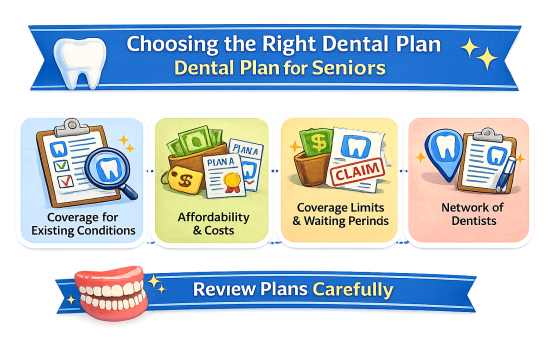
Choosing the right dental insurance plan is crucial, especially when coverage for dental implants is a priority. Not all plans offer the same benefits, and understanding these differences can help avoid unexpected costs. This section will walk you through evaluating your current dentist options, understanding the extent of general dental care coverage, and assessing insurance policies to find a plan that meets your needs.
How to Choose the Best Plan for Your Needs
Choosing the best dental insurance plan involves evaluating a range of factors that directly affect coverage and cost. Start by assessing what specific services are essential to you, particularly if you’re focusing on implants. Check if the insurance company offers coverage for the entirety of the implant procedure or just portions like the implant placement or crowns. Some policies might categorize implants under major services, impacting both coverage and out-of-pocket expenses. Understanding these distinctions helps in choosing a plan that aligns with your needs.
Consider whether the dental plan includes coverage for general dental care aspects, such as preventive services, since these can affect overall dental health. A comprehensive policy will often include these services, which can keep your dental health in check and reduce the need for more complex procedures down the line. Moreover, understanding the insurance coverage related to these services could significantly influence your decision, ensuring you choose a plan that offers both peace of mind and financial security.
Don’t overlook the terms and conditions of the plan regarding waiting periods. Many dental insurance policies impose these for major procedures, which could delay your dental care. Knowing the waiting periods in advance can help in planning your treatments effectively. Speak with your dentist to understand how various plans interact with your current dental needs. They can often offer insights into which insurance company or policy provides the most beneficial coverage for your specific situation.
Finally, evaluate the insurance policy’s annual limits and out-of-pocket maximums, which impact your financial responsibility if you exceed coverage limits. Opting for a plan with clear definitions of these parameters will prevent unexpected expenses. Your dentist can also assist in finding coverage that offers the best balance of costs and coverage, tailored to the services you require. This thoughtful analysis ensures you’re selecting a dental plan that doesn’t just fit your budget but also your long-term dental care goals.
Conclusion: Exploring Your Options
As you consider dental implants, it’s essential to thoroughly explore your options to find a dental insurance plan that best matches your needs. Dental insurance can often seem complex, especially when it comes to understanding what it will cover for procedures like implants. While dental implants offer significant benefits, they can also come with substantial costs. Therefore, navigating insurance options thoughtfully can help alleviate financial concerns.
Different insurance companies offer varying levels of coverage for dental implants, often depending on the specifics of their policies. It’s crucial to verify whether dental insurance plans provide coverage for the entire implant procedure or just particular parts, like the implant crown or preparatory services. Not all insurance policies cover dental implants as they may consider them elective or categorize them under different benefits, influencing how much your insurance pays.
Cost considerations play a significant role in this decision-making process. Evaluate the full costs associated with implant coverage, which might include jawbone-related procedures and out-of-pocket portions that your insurance may not cover. Understanding these aspects allows for better financial planning and decision-making. Keep in mind that location can also impact plan options, so it’s wise to evaluate what’s available in your area.
Engage openly with your insurance provider to clarify what your policy includes and identify any waiting periods that apply, as these can affect the timing of your treatment. Ensuring that you have a clear understanding of your dental insurance coverage allows you to maximize benefits for your dental care needs. As you finalize your choices, consider using our platform by entering your ZIP code to explore available dental plans. Remember, the right dental insurance can be a valuable ally in managing the costs and complexities of dental implants.
Understanding dental implant coverage can feel complex, but knowing your options is empowering. Dental insurance plans vary, and not all cover implants, so it’s essential to read your plan details carefully. Comparing plans based on what they cover, especially for restorative procedures, helps you find the right fit for your needs. Remember, costs and coverage change by location, so enter your ZIP code on our website to explore options available to you. This research ensures that when you’re ready for dental implants, you’ll make informed decisions that bring peace of mind.
Compare plans and enroll online
Frequently Asked Questions
Does dental insurance cover implants?
Dental insurance coverage for implants varies. Some plans may cover parts of the implant process, like initial exams or placing the crown, while others may not cover implants at all. It’s important to review your policy and contact your insurance provider for specifics.
What factors affect dental insurance coverage for implants?
Many factors can influence coverage, including your plan specifics, policy limitations, and annual maximums. Coverage often depends on whether implants are classified as a major procedure in your policy. Waiting periods may also apply.
Are there waiting periods for dental implants under insurance plans?
Yes, many dental insurance plans impose waiting periods on major procedures like implants. These can range from several months to over a year. Confirm the waiting period details with your insurance provider to plan accordingly.
How can I find out if my insurance covers dental implants?
The best way to determine coverage is to thoroughly review your dental insurance policy and speak with your provider. Ask specific questions about which parts of the implant procedure are covered. Additionally, entering your ZIP code on Bestdentalinsurance.org can help explore options in your area.
What should I consider when selecting a dental insurance plan for implants?
When choosing a plan, consider the extent of coverage for implant procedures, annual caps, and any additional costs for preparatory work. Also, assess whether preventive care is covered, which can help maintain overall dental health and potentially reduce future needs for intensive treatments.
Find & Compare Plans Online
ZRN Health & Financial Services, LLC, a Texas limited liability company

Russell Noga is the CEO of ZRN Health & Financial Services and the head content editor of several Medicare insurance online publications. He has over 18 years of experience as a licensed Medicare insurance broker helping Medicare beneficiaries learn about Medicare, Medicare Advantage Plans, Medigap insurance, and Medicare Part D prescription drug plans.