Understanding dental insurance can be a challenge, especially for seniors looking for plans that include coverage for dental implants. These plans can vary in terms of coverage, benefits, and costs. It’s important to find a plan that matches your needs and budget. Seniors often have specific requirements, like replacing missing teeth, which can be expensive without insurance. This guide will help you explore how dental insurance works for implants, what to look for in a plan, and how you can confidently choose what’s right for you. Remember, coverage and costs can depend on where you live. Read our other articles for more information, such as Major Services Dental Insurance.


Dental Insurance Plans
for individuals and families
Dental Plans start as low as $12.00 per month





Dental Plans for Seniors That Cover Implants
Key Highlights
- Dental insurance helps manage costs for essential services like check-ups and cleanings.
- Diverse plans offer varying coverage for preventive, basic, and major dental procedures.
- Understanding dental implants, their costs, and insurance coverage aids financial planning.
- Consider plan factors like coverage extent, costs, and network dentists when choosing.
- Review location-specific dental insurance to meet personal needs and budget constraints.
Compare plans and enroll online
Understanding Dental Insurance for Seniors
Understanding dental insurance is crucial for seniors as they seek affordable ways to maintain oral health. Dental insurance provides coverage for a variety of dental care services, helping to manage costs effectively. Seniors often confront complex choices related to insurance plans, which may offer different benefits and limitations. From basic preventive services to more extensive procedures like implants, knowing what dental insurance can cover is key. Exploring common services covered by these plans can make this easier. Let’s delve into what dental insurance is and what services are typically covered by it.
| Service Category | Typical Services | Coverage Level |
|---|---|---|
| Preventive Care | Routine exams, cleanings, X-rays | Typically 80-100% |
| Basic Procedures | Fillings, simple extractions | Approximately 70-80% |
| Major Procedures | Root canals, crowns, dentures | Generally 50% |
| Orthodontics | Braces, aligners | Limited coverage, varies by plan |
| Emergency Care | Urgent extractions, pain relief | Varies, usually subject to plan limits |
This table highlights the various service categories covered by dental insurance, assisting seniors in navigating their options and understanding potential coverage levels.
Find & Compare Plans Online
What Is Dental Insurance?
Dental insurance is a type of coverage designed to reduce the financial burden for essential dental care services. It acts as a safety net, helping seniors cover costs associated with dental visits, cleanings, and treatments. These insurance plans typically operate by requiring a monthly premium, after which the insurance covers or partly covers specific services. Insurance may cover routine check-ups, making it easier to maintain regular dental care and catch problems early. Additionally, dental insurance aims to lower out-of-pocket expenses while promoting preventive care, which includes procedures such as teeth cleanings and fluoride treatments.
With dental insurance, seniors can access a network of dentists, which often results in reduced fees due to negotiated rates. This is particularly beneficial when considering more extensive services like dental implants, which can be costly without coverage. Though dental insurance plans vary, they usually cover a percentage of the cost for major services after satisfying deductibles. To choose the right plan, understanding the extent of coverage is crucial. Some plans might even incorporate dental benefits in Medicare Advantage, differing notably from Original Medicare, which doesn’t typically cover dental care.
The coverage amount and specifics depend significantly on the insurance provider and the chosen plan type. Therefore, seniors need to examine different options, comparing plans based on coverage for services such as crowns, fillings, and tooth extractions. Proper evaluation helps in selecting a plan that fits both health needs and budgetary constraints. Importantly, seniors should be aware that not all plans cover all procedures or offer the same benefits, and actual out-of-pocket costs can vary. By demystifying how dental insurance works, seniors can feel confident in managing their dental care needs.
Common Services Covered by Dental Insurance
Dental insurance plans typically cover a range of services, categorized into preventive, basic, and major procedures. Preventive services are crucial as they help maintain overall dental health and prevent more serious issues down the line. These include regular check-ups, teeth cleanings, and x-rays, often covered at a high percentage or even fully by many insurance policies. By regularly assessing their dental health, seniors can promptly address potential issues, reducing the likelihood of more costly treatments later.
Basic procedures under dental insurance might include restorative treatments like fillings for cavities. These services are generally covered to a lesser extent compared to preventive care but are essential for maintaining strong teeth and gums. Coverage for such services can make the difference between prompt treatment and delaying necessary care due to costs. It’s worth noting that while preventive and basic services enjoy broader coverage, understanding the specifics of each insurance plan’s terms is vital for financial planning.
Major procedures, including dental implants and crowns, represent significant costs but are partially covered under many insurance plans. These intensive procedures require deeper consideration, often involving more thorough budgeting and planning due to higher out-of-pocket expenses. Some plans may offer better benefits through a Medicare Advantage plan rather than Original Medicare, which typically excludes dental care.
In conclusion, knowing what common services are covered by dental insurance empowers seniors to make informed decisions about their oral healthcare strategies. It also facilitates discussions with dental care professionals about treatment options and anticipated costs. Ultimately, understanding coverage can reduce anxiety about potential dental bills and enable a more proactive, structured approach to oral health management.
To navigate dental insurance effectively, delve into these essential considerations:
- Investigate the extent of coverage for orthodontic treatments like braces and aligners.
- Determine whether your plan supports emergency dental care and what services are included.
- Review the range of coverage for pediatric dental services if you have children.
- Analyze how out-of-network services influence your out-of-pocket costs.
- Compare annual maximum benefits and how they align with your expected dental expenses.
- Examine the implications of waiting periods for specific dental procedures.
- Verify whether cosmetic dentistry treatments, such as teeth whitening, are covered.
These factors will empower you to make informed decisions about your dental insurance and ensure you receive the appropriate care when needed.
Understanding Dental Implants and Their Costs
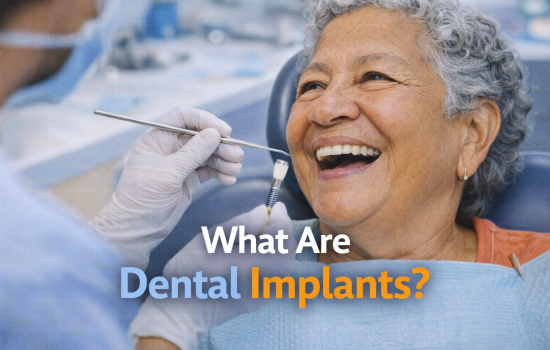
For seniors, understanding dental implants is essential when considering dental health options. Implants can significantly impact quality of life, providing durable solutions for tooth loss. However, they come with unique costs and benefits. By exploring why dental implants might be needed and the typical costs associated with them, seniors can make informed decisions. Dental implants offer longevity and functionality, closely resembling natural teeth. Understanding both the need and the associated expenses will guide seniors in navigating the financial aspects of dental insurance coverage.
Why Dental Implants Might Be Needed
Dental implants are increasingly recommended for seniors experiencing tooth loss. As we age, maintaining robust dental health becomes crucial, and implants serve as a reliable replacement for missing teeth. Unlike dentures, which can sometimes shift or cause discomfort, implants provide a stable, permanent solution. They’re secured directly into the jawbone, mimicking the structure of natural teeth. This integration with the jawbone supports bone health and prevents the jawbone from deteriorating, which is a common issue with missing teeth over time. Such stability not only improves the aesthetics of one’s smile but also enhances chewing function, greatly impacting nutritional intake and overall health.
Implants are particularly beneficial for those with multiple missing teeth. For seniors who have worn dentures and experienced discomfort or slippage, switching to dental implants can be transformative. The process requires a sturdy jawbone for the implant to anchor effectively, so a thorough evaluation by a dental professional ensures candidacy. Advances in dental technology have made implants more accessible than before, but they do come with specific requirements. Understanding these enables individuals to plan better and have discussions with their dental care providers about the potential for implants given their unique oral health conditions.
Choosing to proceed with dental implants is often driven by the desire to maintain an active lifestyle without the inconvenience of loose-fitting dentures. Seniors value the natural feel and function of implants which mimic real teeth, supporting one’s confidence in eating, speaking, and smiling. However, this decision also involves considering the financial aspect since implants are among the more costly dental procedures. Thus, knowing why implants are needed helps seniors weigh the benefits against potential out-of-pocket expenses, and check if their dental insurance offers coverage for these needs. It promotes informed decisions aligned with health and financial goals.
Typical Costs Associated with Dental Implants
The financial investment in dental implants can be significant but understanding these costs helps seniors plan effectively. Implant costs vary based on several factors, including the number of implants needed, the condition of the jawbone, and any additional procedures required, such as bone grafts. On average, a single implant can cost thousands, which may seem daunting at first glance. The cost encompasses several stages: consultation, surgery, post-surgical care, and the implant crown. Each plays a crucial role in the total expenses incurred.
Insurance coverage for dental implants depends heavily on the specifics of the plan. Not all dental insurance plans include implants under regular coverage, making it essential to carefully review plan details. Some plans might cover a portion of the implant procedure as a major restorative service, while others require supplemental coverage. It’s crucial for seniors to contact their insurance provider to get clarity on what’s included, especially considering that custom dentures, bridges, or alternative treatments may be covered instead.
The cost of not proceeding with dental implants can also come in non-financial forms, discomfort, decreased confidence, or additional dental problems over time due to untreated tooth loss. This aspect is worthy of consideration when evaluating overall value. Some clinics offer payment plans to help distribute the cost burden over time, allowing more predictable financial planning. Seniors can also explore whether their insurance offers discounts when using in-network providers.
Discussing individualized costs with a dental professional will provide a clearer picture of all expenses involved. Aligning this with insurance benefits helps in choosing the most cost-effective care. Remember, information is key. Thoroughly understanding implant costs alongside potential coverage options allows for better decision-making, empowering seniors to find the best path forward for their dental health needs.
Insurance Plans That Cover Dental Implants
Dental implants are a significant investment, and insurance plans can help mitigate these costs. Understanding how different insurance plans cover implants is crucial for making informed decisions. While not all dental plans cover implants, many offer partial coverage to support seniors requiring these essential restorations. This section explores how dental insurance can cover implants, providing clarity on the types of coverage available. Knowing what to expect from insurance coverage is essential for seniors who want to ensure they receive the dental care they need without facing unmanageable expenses.
How Dental Insurance Covers Implants
The journey of getting dental implants often begins with understanding what insurance plans cover regarding these procedures. Dental implants, viewed as a necessary investment in oral health, can significantly enhance a senior’s quality of life. Not all insurance plans offer straightforward coverage for implants, which means seniors must delve into the specifics of their coverage to determine potential benefits. Typically, dental insurance plans categorize services into preventive, basic, and major procedures. Implants typically fall under major procedures, where insurance plans might cover a portion of the total cost. A common structure is for plans to cover 50% of major procedures, following the meeting of deductibles, although this varies.
Given the high costs associated with dental implants, some insurance plans might incorporate them into supplementary plans or dental discount programs. Seniors can often access these through options like employer-provided insurance, union plans, or standalone dental policies that cater to more extensive dental needs. Comprehensive plans that offer coverage for major restorative procedures may require higher premiums but provide crucial support when it comes to expensive treatments like implants.
Importantly, understanding the terms and conditions of full coverage dental insurance is vital. It’s common for plans to impose waiting periods before coverage begins, especially for major services. Seniors must carefully read the policy details, as some plans might cover alternative treatments like bridges or dentures instead of implants, or only cover a part of the procedure, such as the surgical aspect but not the crown placement. Engaging with insurance providers to clarify the details is a wise step. This includes asking about in-network dentist options, as using network providers often results in lower out-of-pocket costs due to negotiated fees.
For seniors keen on preserving their dental health with implants, exploring insurance plans that offer dental coverage for implants can provide both peace of mind and substantial financial relief. It’s advisable to regularly review insurance policies and consider the broader landscape of dental insurance coverage, aligning personal dental care needs with financial realities. Encouragingly, many senior-friendly insurance plans are designed with these specific considerations in mind, aiming to provide better access to vital dental services. The right information and preparation can transform the often daunting process of securing dental implants into a manageable, well-informed endeavor.
Comparing Dental Plans for Seniors
Navigating dental plans can feel overwhelming, especially for seniors making essential healthcare decisions. With numerous options available, comparing dental plans becomes crucial to find one that suits individual needs. Considerations can range from insurance coverage specifics to out-of-pocket costs and the types of dental care services included. A focused comparison helps in understanding the benefits offered and the limitations of each plan. Whether looking for basic dental coverage or plans including implants, knowing how to choose the right dental coverage can ease decision-making and ensure the best possible dental health outcomes.
Factors to Consider When Choosing a Dental Plan
When selecting a dental plan, seniors should consider several important factors to ensure the plan meets their needs and fits within their budget. One critical factor is the extent of the benefits offered, does the plan cover the full spectrum of dental services from preventive care to major procedures, such as implants? Understanding the insurance coverage for specific treatments is key; this includes examining whether your dental care plan involves limited coverage only for general dental care or extends to more comprehensive procedures. It’s essential to also compare the percentage coverage provided for basic services versus major ones, as these can greatly differ among dental plans.
Cost is another significant factor to keep in mind. Monthly premiums vary widely, as do deductibles and co-pays. Seniors should assess how these costs align with their financial situation and healthcare needs. Some plans might feature lower premiums but higher out-of-pocket costs for actual dental services, while others may be structured the other way around. Evaluating these aspects will help determine which plan balances affordability with coverage adequately. It’s also important to consider if the plan provides discounts for using dentists within a specified network, as this could lead to potential savings.
The choice of dentist should also play a role in the decision. Some plans might restrict you to a particular network of dental care providers, so it’s important to check if your preferred dentist is included under these terms. Access to a network can not only affect the cost you pay out-of-pocket, but also the convenience and quality of care you receive. For many seniors, maintaining a long-standing relationship with a trusted dentist is crucial for comfortable and effective dental care.
Finally, consider any plan differences related to geographic location, as dental plans can vary significantly depending on where you live. Factors like these can influence what benefits are available to you and at what cost. By comparing these elements thoughtfully, seniors can choose dental plans with confidence, ensuring they select the option that best meets their needs, suits their financial situation, and aligns with their personal dental health priorities. Gathering this information allows for informed decision-making, reducing anxiety about unexpected costs and ensuring that dental care remains accessible and effective.
Exploring Dental Benefits and Coverage Options
Understanding dental benefits and insurance coverage can be a game-changer for seniors seeking to protect their oral health. With a variety of dental plans available that cater to different needs, knowing what coverage to expect is essential. These plans can help manage the costs associated with necessary dental services, from routine check-ups to major procedures like implants. As seniors navigate these options, a clearer picture of what dental insurance can cover, and the extent of coverage offered can be valuable. Let’s delve into the specifics of what dental coverage might include to better equip seniors in making informed decisions about their dental care.
Understanding What Dental Coverage May Include
Diving into dental coverage, particularly within various insurance plans, offers seniors a better grasp of managing their oral health expenses. Dental benefits often encompass a wide range of services, categorized into preventive, basic, and major procedures. Preventive care forms the cornerstone of many dental plans. It typically covers regular check-ups, cleanings, and x-rays, often at high percentages or even fully, due to its role in maintaining overall dental health. This means seniors can focus on preventing problems rather than reacting to them, promoting long-term oral health.
Basic procedures, usually involving restorative care like fillings or emergency dental services, are also a component of many insurance plans. Coverage for these procedures might not mirror the assurances given for preventive care, but it remains essential in addressing dental issues promptly. By taking advantage of coverage for fillings and similar treatments, seniors can avoid the progression of dental problems that might otherwise require more costly interventions. While reviewing these options, it’s important for seniors to understand each plan’s specific terms and percentage coverage for such services.
Major procedures, including dental implants, represent a more complex aspect of insurance coverage. These services address significant oral health needs and can be costly without adequate insurance. Some plans might include partial coverage for implants, reflecting a balance between comprehensive care and the economic realities of providing extensive treatment. However, insurance coverage varies, with some plans opting to cover alternative solutions, such as dentures or bridges. Seniors should thoroughly review their policies to determine whether they cover implants directly or rather as part of broader coverage dental insurance.
Ultimately, comprehending what dental coverage includes and how it aligns with personal health needs is key for seniors. By exploring insurance offerings, seniors can strike a balance between managing potential costs and ensuring access to the necessary dental services. In this way, they can better prepare for any out-of-pocket expenses, benefiting from the financial support such plans are designed to provide. This understanding not only reduces the stress of navigating dental care decisions but also empowers seniors to take charge of their dental health with confidence. Seniors interested in more specifics can easily find plans that match their needs by exploring offerings based on location.
If you’re considering dental implants, it’s important to explore different insurance plans to find the one that fits your needs. Remember, dental insurance costs and coverage can vary based on where you live and the provider. Some plans might cover a portion of implant costs, while others may not. Take the time to review plans carefully to ensure they meet your dental needs. Enter your ZIP code on our website to explore the dental insurance options available in your area. Understanding your options empowers you to make informed choices for your oral health.
Compare plans and enroll online
Frequently Asked Questions
What should seniors look for in a dental insurance plan for implants?
Seniors should consider the plan’s coverage extent for implants, costs like premiums and deductibles, as well as whether their preferred dentists are in-network. Reviewing location-specific options for coverage differences is also important.
How do dental insurance plans categorize services?
Dental insurance plans usually categorize services into preventive (like cleanings and check-ups), basic (such as fillings), and major (like implants and crowns) procedures. Coverage percentages for these categories can vary significantly.
Do all dental insurance plans cover implants?
Not all dental insurance plans cover implants. When they do, implants are usually classified as major procedures, with coverage depending on the plan’s specifics. Seniors should verify coverage details within their chosen plan.
Why are dental implants important for seniors?
Dental implants are important for seniors as they replace missing teeth, helping to prevent jawbone deterioration, improve chewing function, and enhance their overall quality of life. They offer a stable and durable solution compared to dentures.
How do insurance plans manage costs for preventive dental services?
Insurance plans typically cover preventive services at a high percentage or fully, depending on the plan, as a means to encourage regular dental care and early problem detection, reducing the need for more costly interventions later.
Find & Compare Plans Online
ZRN Health & Financial Services, LLC, a Texas limited liability company

Russell Noga is the CEO of ZRN Health & Financial Services and the head content editor of several Medicare insurance online publications. He has over 18 years of experience as a licensed Medicare insurance broker helping Medicare beneficiaries learn about Medicare, Medicare Advantage Plans, Medigap insurance, and Medicare Part D prescription drug plans.