Vision, Dental, and Health Insurance

Explore how adding supplemental health benefits to your current vision, dental, and health insurance can enhance your coverage. Understanding these additional options can help you manage unexpected costs while ensuring that your health needs are met. Supplemental benefits often span a variety of areas, from dental treatments to eyewear and beyond, offering extra peace of mind.

This guide aims to clarify how integrated insurance plans work, what coverage might include, and how to find options that fit individual needs and budgets. Let’s delve into the advantages of expanding your insurance with supplemental benefits.

Key Highlights

  • Supplemental health benefits enhance vision, dental, and health coverage, offering more comprehensive care.
  • Dental insurance covers preventive, basic, and major services with varying out-of-pocket costs.
  • Evaluate dental plans for network, service coverage, and cost-sharing details for informed choices.
  • Vision insurance complements dental plans, reducing expenses and facilitating preventive care.
  • Explore local insurance options as plan availability varies by location, impacting coverage and costs.

Compare Dental Plans

Understanding the Basics of Dental Insurance

Navigating dental insurance can often feel overwhelming, but understanding its basics helps make informed decisions about your oral healthcare. Dental insurance is primarily designed to reduce the cost burden of dental services. Different insurance plans offer varying levels of dental coverage, with each having its own network of dentists.

They also differ based on services covered and limitations inherent to each plan. It’s important to understand the relationship between dental insurance and provider networks to make the best choice for your needs.


Coverage CategoryIncluded ServicesTypical Costs to PatientCommon Limitations
Preventive CareExams, Cleanings, X-raysLittle to no costAnnual limits on cleanings
Basic ProceduresFillings, Root Canals, Extractions20-50% of the total costFrequency limits on services
Major ProceduresCrowns, Dentures, Bridges50% of the total costPre-authorization requirements
OrthodonticsBraces50% of the total costAge restrictions apply

This table provides a concise overview of dental insurance coverage categories and typical considerations, facilitating informed decisions about oral healthcare.

Learn About Coverage Options and Limitations

Dental insurance offers a variety of coverage options, often categorized as preventive, basic, and major services. Preventive services might include exams, cleanings, and x-rays, aimed at maintaining oral health and preventing serious issues down the line. While many insurance plans cover preventive services fully or with little out-of-pocket cost, dental coverage for more comprehensive procedures like fillings, crowns, or root canals can vary significantly.

Understanding the specifics of these options is crucial because it directly affects what you pay when you visit a dentist.

Likewise, each dental insurance plan has limitations. For example, certain plans may not cover cosmetic dentistry procedures or may have longer waiting periods for specific treatments like orthodontics. Insurance companies also impose annual maximum limits, which cap the amount a plan will pay for dental services in a year.

Knowing these limitations ahead of time can save you from unexpected expenses. Furthermore, selecting a plan within your network can help minimize costs, as services from out-of-network dentists usually come at a higher price. It’s essential to review these details when choosing your plan, as they directly impact both your wallet and your healthcare experience.

Popular Services Covered Under Dental Insurance

Dental insurance is an essential component of healthcare for anyone looking to maintain a healthy smile, and it helps reduce the financial strain of dental services. Understanding what’s typically included in dental coverage can ease concerns, especially for seniors who want to keep their dental health intact.

From preventive services like those regular cleanings and exams to major treatments such as dentures, each dental insurance plan covers different aspects depending on your chosen plan. Knowing what your insurance company offers can help you confidently make decisions about your dental care needs.

Popular Services Covered Under Dental Insurance

From Cleanings to Dentures: What's Included?

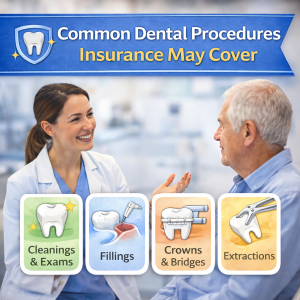
The scope of dental insurance coverage varies, but most plans share some common features that benefit you, the policyholder. Preventive services often take the forefront, as they’re crucial for catching issues before they worsen. These typically include bi-annual cleanings, fluoride treatments, and oral exams.

Many plans include these services with little to no out-of-pocket costs, encouraging consistent care without financial worry. This preventive aspect forms the building blocks of many benefit plans, aiming to instill good dental habits early on, even covering these essential services for children.

As for more intensive treatments, dental coverage can extend to basic procedures like fillings or extractions. These are generally covered, though you might share the cost with your insurance company. Many plans do include some form of cost-sharing, which ensures you’re not faced with huge bills unexpectedly.

And when it comes to major procedures, such as crowns and bridges, or restorative treatments like dentures, the coverage becomes more intricate. Some insurance plans might cover a portion of the costs, while others might have specific conditions for these services. Understanding these details is key to avoiding unforeseen expenses during your dental visits.

Moreover, it’s worth noting that some plans might include waiting periods for certain procedures, which means there might be a required timeframe before you can access these benefits after enrolling. Be mindful of this aspect, as it could impact when you receive certain types of care. With these facets of dental insurance laid out, you can better evaluate which plans perfectly align with your and your family’s dental care needs.

Comparing Dental Plans to Find Your Fit

Choosing the right dental plans requires careful consideration to ensure you receive adequate dental coverage. With a variety of options available in the insurance marketplace, understanding key differences in dental plans will help you find one that meets your needs. Each insurance company offers unique services, networks, and cost structures.

Knowing what to look for can make selecting the perfect dental coverage less overwhelming. Comparing insurance plans based on factors like type of dentist network and out-of-pocket costs is essential to making an informed decision.

What to Consider When Selecting Plans

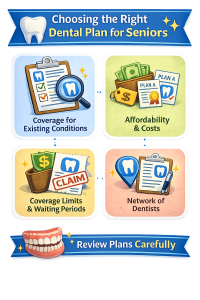
When selecting dental plans, it’s vital to consider several factors to ensure you’re obtaining the best fit for your needs. First, evaluate the type of dental coverage each plan provides. Plans may include preventive services, basic procedures, and major treatments, each with varying levels of coverage and costs.

It’s essential to match your typical dental service needs with a plan that offers sufficient coverage in those areas. Consider whether the insurance company has a robust network of preferred dentists. A more extensive network may offer more flexibility in choosing a provider and could lead to lower costs when sticking to in-network services.

Additionally, review the costs associated with each plan. This includes monthly premiums, deductibles, and co-payments. Your budget will dictate what plan type, be it a basic plan with lower premiums but higher out-of-pocket costs, or a comprehensive plan with more expansive coverage but higher premiums, is most suitable for you.

Also, it’s crucial to carefully assess the plan’s limitations, as some services might not be covered fully, or not all dentists are in-network.

Another critical consideration is waiting periods for certain services. Some plans may impose a waiting period before you can receive coverage for specific treatments. Lastly, verify if the plan complies with any federal or group regulations if you’re purchasing through a group or federal marketplace.

Ultimately, the right choice hinges on understanding your current dental health needs and forecasting future requirements while ensuring the plan fits within your financial constraints. Remember to weigh these factors carefully against the backdrop of services offered and network breadth to find a plan that effectively supports your dental health journey.

Find & Compare Plans Online

Speak with a licensed insurance agent

1-833-667-3396TTY 711

Mon-Fri: 8am-9pm ET

Vision Insurance: An Overview

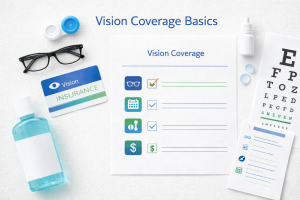
Vision insurance plays a critical role in maintaining your overall health, complementing dental coverage to ensure a comprehensive approach to your well-being. With various vision benefits that cover key services like routine eye exams and eyeglasses, vision plans can greatly enhance your existing insurance landscape.

Understanding how these insurance plans work alongside dental coverage can help you make informed decisions to protect your health. We’ll explore the dynamics of vision care, examine how plans integrate seamlessly with dental options, and highlight the advantages of having a solid benefit plan in place.

How Vision Plans Complement Dental Coverage

Vision plans are a vital part of a well-rounded insurance strategy, much like dental coverage. Both types of insurance aim to reduce the out-of-pocket expenses associated with health maintenance. With vision insurance, you gain access to a variety of vision care services that typically include routine eye exams and discounts on eyeglasses.

This not only aids in maintaining clear vision but also helps in identifying potential eye-related health risks early. Similar to dental plans focusing on preventive care, vision insurance emphasizes regular check-ups to catch and correct issues before they become severe.

By integrating vision plans with dental coverage, you create a coherent healthcare strategy that addresses different aspects of your well-being. This alignment makes it easier to manage healthcare expenses and simplifies dealing with various benefit plans under one umbrella. For instance, many insurance plans offer bundled options that include both vision and dental insurance, which can be financially beneficial.

Bundling these services often results in lower premiums, reducing overall costs. Moreover, when both insurance types are managed collectively, it simplifies the paperwork and claim processes, making it easier for seniors and their caregivers to navigate.

Having both vision and dental coverage ensures that routine healthcare needs are met without breaking the bank. Seniors, in particular, can benefit greatly from these plans as they provide an expanded safety net that covers a wider spectrum of health issues. By evaluating the available insurance plans and considering your individual health requirements, you can select complementary dental and vision plans that best fit your lifestyle needs.

So, navigating your healthcare journey becomes not just about coverage, but about ensuring peace of mind and being proactive in your health management.

Vision Insurance: An Overview

The Role of Supplemental Health Insurance

Supplemental health insurance plays a vital role in closing the gaps left by standard health insurance plans. It provides additional medical coverage that enhances your existing benefit plan, ensuring you don’t face unexpected costs during healthcare visits. Offering a range of options tailored to specific needs, supplemental health benefits can cover areas such as dental and vision care, essential for a comprehensive healthcare approach.

By expanding your coverage network, these plans offer peace of mind, knowing you’re covered beyond basic insurance services, especially when dealing with specialized treatments or additional costs that are often out-of-pocket.

Enhancing Coverage Beyond Basic Insurance Plans

When your primary insurance doesn’t cover everything you need, supplemental health benefits can significantly enhance your medical coverage. These insurance plans are designed to offer additional protection against expenses that aren’t fully covered by your main health insurance. They can include payments for copayments, deductibles, and coinsurance, effectively minimizing out-of-pocket costs.

Many insurance companies offer these plans to fill the gaps within federal or private health insurance networks, ensuring a broader range of services and coverage options. For instance, individuals often choose supplemental plans to extend benefits in areas like dental or vision care, where typical policies may fall short. If you’re looking to boost your existing coverage, exploring these options can be beneficial.

They offer an extra layer of security, especially when unexpected medical needs arise. Moreover, supplemental plans provide flexibility to align with various healthcare providers, ensuring you receive necessary services without financial strain.

Understanding how these benefits work and comparing plan options can lead to more comprehensive insurance coverage that’s tailored to your health needs. Considering supplemental insurance means preparing for a wider array of health scenarios, helping to avoid unforeseen medical expenses.

Key Differences Between Health and Dental Insurance

Health and dental insurance serve distinct roles within your overall insurance portfolio. While health insurance covers a broad range of medical services, dental insurance focuses on oral health. Each type of coverage offers a unique set of benefits and limitations.

Understanding these differences is essential in making informed decisions about your insurance plans. By learning how each operates within its network, you can choose options that effectively meet your healthcare needs and budget. Providing clarity on these distinctions helps simplify the often-complex world of insurance for seniors and their caregivers.

Understanding How Each Type of Coverage Works

Health insurance generally provides coverage for a wide range of medical services, from doctor’s visits and specialist consultations to hospital stays and surgeries. It typically operates within a network of healthcare providers, and the extent of your benefits can depend on whether the provider is in-network or out-of-network. This network aspect can offer more flexibility in choosing healthcare professionals based on your needs and preferences.

Furthermore, health insurance often involves cost-sharing elements such as copayments and deductibles, which influence your overall medical expenses. Most plans include preventive care without additional costs to encourage routine check-ups and early detection of health issues.

On the other hand, dental insurance specifically caters to oral health needs. Coverage often includes preventive services like cleanings and exams, which help maintain your dental hygiene at little to no out-of-pocket cost. Dental coverage may also extend to more involved procedures, such as fillings or crowns, though this often comes with particular limitations or cost-sharing requirements.

Unlike health insurance, dental plans might impose annual maximums, limiting how much the insurer will pay within a year. Understanding these elements of dental insurance is crucial to managing your dental expenses effectively.

Moreover, dental insurance typically offers a narrower network compared to health insurance, but it focuses on preventing and treating oral health issues. Specific policies might not cover cosmetic procedures or may include waiting periods for significant treatments.

The varied nature of both insurance types underscores the importance of evaluating each plan based on your healthcare priorities, ensuring that your chosen plans meet your holistic health requirements. This knowledge empowers seniors and caregivers to select coverage that offers both peace of mind and financial security.

Important factors when evaluating your insurance options:

  • Assess the network size to ensure it includes preferred healthcare providers and specialists.
  • Investigate cost-sharing details like copayments, deductibles, and annual maximums for clarity on potential expenses.
  • Evaluate preventive care benefits to minimize out-of-pocket costs for routine check-ups.
  • Understand any restrictions on services, such as cosmetic dental procedures or coverage for major treatments.
  • Consider the flexibility offered by in-network vs. out-of-network provider options.
  • Review any waiting periods for specific services to avoid unexpected delays in treatment.
  • Ensure alignment with personal health priorities and budget constraints.

These points can help tailor your insurance selection to fit both your medical and financial needs seamlessly.

Key Differences Between Health and Dental Insurance

Explore Insurance Options by Location

Finding the right insurance plans can be a daunting task, especially when benefits, costs, and coverage differ by location. Where you live significantly influences the available health, dental, and vision plans. Local insurance offerings often vary in terms of network providers, services covered, and pricing.

This makes understanding location-specific options crucial for securing the dental and vision coverage you need. With resources like the federal marketplace, seniors can explore dental plans, vision plans, and overall health insurance plans available in their area, tailored to their specific needs and network availability.

Finding Dental and Vision Plans Near You

Location plays a pivotal role in determining your healthcare options, especially when it comes to dental and vision plans. Each area may have a different set of insurance companies offering various services, making it important to explore what’s available locally. Start by checking the federal marketplace, which provides a platform to view a variety of dental plans, vision plans, and health insurance options.

This resource allows for a comprehensive search, helping you identify plans suitable within your region. Whether you need dental plans focusing on preventive services or vision insurance for routine exams, the marketplace is a useful starting point.

Additionally, local offices or online portals of insurance companies often have specific information regarding the network of available healthcare providers. Exploring these networks is essential to ensure that you’ll receive necessary care without unexpected costs. Many insurance plans offer local discounts or specialized services that may not be available elsewhere.

By contacting local offices directly, you can gather information about plan specifics, such as premiums, coverage limitations, and in-network services. This step is crucial for aligning your healthcare needs with available benefits in your area.

Don’t forget to consider how supplemental health benefits can augment your primary insurance. Many plans offer the option to add on extras like dental or vision care, providing a more robust level of coverage. These benefits might be particularly attractive if your basic health plan lacks comprehensive coverage in these areas.

By thoroughly examining local insurance offerings, from the federal marketplace to individual company websites, you can confidently select a plan that matches your health needs and financial capabilities. Remember, the more informed you are about local options, the better positioned you’ll be to make a decision that enhances your overall healthcare experience.

We hope this guide helps you understand the benefits of enhancing your coverage with supplemental vision, dental, and health insurance. It’s important to explore options that suit your needs and financial situation. With a range of available plans, you can find coverage that complements your existing insurance and provides peace of mind.

Remember to carefully review the terms and conditions to make informed decisions. To explore dental insurance options specifically tailored to your location, feel free to enter your ZIP code on our website. Your journey to better health begins with understanding and access to the right resources.

Compare Dental Plans

Frequently Asked Questions

What are supplemental health benefits, and how can they enhance my insurance coverage?

Supplemental health benefits are additional insurance options that you can add to your existing health, dental, or vision plans. They help cover costs that aren’t typically covered by basic insurance, like dental treatments or eyewear, providing extra peace of mind by managing unexpected expenses.

What aspects should I evaluate when choosing a dental insurance plan?

When choosing a dental insurance plan, consider the network of dentists, the types of services covered, and the cost-sharing details like premiums, deductibles, and copayments. Assessing these factors ensures the plan aligns with your typical dental service needs and budget.

How do dental insurance plans categorize coverage for different services?

Dental insurance plans often categorize coverage into preventive, basic, and major services. Preventive services include exams and cleanings; basic procedures may cover fillings and extractions; major treatments involve crowns and dentures. Coverage levels and out-of-pocket costs can vary for each category.

Why is it important to understand the limitations of a dental insurance plan?

Understanding a plan’s limitations helps prevent unexpected expenses. Some plans may not cover cosmetic procedures or have waiting periods for treatments like orthodontics. Many plans also have annual maximum limits, capping the amount the insurer pays each year.

How can I explore insurance options specific to my location?

Location affects your available insurance options due to the varying coverage and costs in different areas. You can use resources like the federal marketplace or local insurance portals to explore plans specific to your region, ensuring the coverage fits your needs.

Have Questions?

Speak with a licensed insurance agent

1-833-667-3396

TTY users 711

Mon-Fri: 8am-9pm ET

Find & Compare Plans Online

Speak with a licensed insurance agent

1-833-667-3396TTY 711

Mon-Fri: 8am-9pm ET

ZRN Health & Financial Services, LLC, a Texas limited liability company