Combining medical and dental insurance can offer a holistic approach to your healthcare needs, providing comprehensive coverage for both your general health and dental care. By bundling, you may simplify managing your benefits while potentially finding more affordable options for the services you need. It’s important to explore supplemental health benefits that enhance your protection and cater to specific medical or dental needs. Understanding how these plans work together helps ensure you receive the support and treatment essential for maintaining optimal health as you age.


Dental Insurance Plans
for individuals and families
Dental Plans start as low as $12.00 per month





Medical and Dental Insurance Bundle
Key Highlights
- Bundling medical and dental insurance simplifies management and may reduce costs through discounts.
- Dental plans for seniors focus on preventive care and common services like check-ups and fillings.
- Understanding covered services and plan exclusions ensures comprehensive dental coverage.
- Affordability is key; budgeting helps manage insurance costs effectively over time.
- Comparing plans based on needs and costs leads to better health care decisions.
Compare plans and enroll online
Understanding Medical and Dental Insurance Bundles
Combining medical and dental insurance into a single, comprehensive bundle offers significant value and convenience for individuals and families alike. With this approach, insured individuals can streamline coverage, making it simpler to manage both health insurance and dental insurance needs. These bundles can often be more economical and easier to handle, as one insurer provides all the necessary coverage, and you might find enhanced service options compared to separate plans. Understanding how these bundled insurance plans work can help you make informed decisions about your health care and explore all your options in a supportive, reassuring manner.
Benefits of Combining Health Plans
Choosing to combine medical and dental insurance plans into a single insurance package allows for a seamless and coordinated approach to your health care. This bundled option often brings financial benefits by potentially reducing costs due to discounts that insurance companies offer when policies are bundled. Furthermore, having a single point of contact can streamline communication, reducing the hassle of dealing with multiple providers. This combined approach also improves the patient experience through comprehensive health coverage, simplifying claim processes and service inquiries. People who have both medical and dental needs, like routine doctor visits or dental cleanings, benefit by keeping their paperwork all in one place, increasing their convenience and saving time.
In addition to convenience, a bundled insurance plan can offer expanded coverage options that make sure you’re protected in varying situations. For instance, in some cases, it might include supplemental health benefits like vision insurance, which can be pivotal for those needing broader coverage apart from just dental or medical needs. Supplemental plans, like critical illness coverage, are often easier to add-on when they’re part of a bundled package rather than seeking separate policies. This way, you cover unpredictable high costs of serious health issues while maintaining routine healthcare services in one insurance network.
Bundling insurance plans also shapes an individual’s access to a better healthcare network, which can be crucial for those seeking comprehensive access to varied medical and dental services. By enjoying a single network for various healthcare services, insured persons can enjoy seamless service across health and dental care. This can include preventive services, regular check-ups, dental care, and access to specialists. Having this cohesive plan makes it easier to navigate different health and dental systems without having to juggle separate policies for separate needs, enhancing the overall healthcare management experience.
Coverage Options for Both Kinds of Insurance
When considering combining your health insurance with dental coverage, exploring your options is paramount. Bundled insurance plans can include a range of services under one umbrella, offering standard medical coverage for doctor visits, prescription drugs, preventive care, and emergency services. Dental insurance usually adds coverage for routine check-ups, X-rays, fillings, and other preventive care necessities. Understanding the intricacies of these bundled plans, such as what specific dental services are covered, is vital for making the most of your health insurance.
Exploring bundled packages often reveals that they might come with additional vision insurance to cover eye exams, glasses, and contacts, enhancing the scope of health coverage. Plans might also incorporate short-term and critical illness coverage, which could be an essential part of your health plan if you’re concerned about unexpected health challenges. Along with primary insurance, supplemental health benefits can be tailored to meet specific needs, ensuring comprehensive protection.
Knowing the limits and exclusions of these insurance bundles is equally important. Some plans may not cover certain dental services or have waiting periods for specific healthcare services. It’s essential for individuals to read plan details carefully and communicate directly with the provider to avoid any surprises regarding coverage limitations. Additionally, insurers might offer different levels of coverage within the same plan structure, allowing insured persons to choose based on their specific medical and dental needs, budgets, and preferences.
Overall, bundled insurance plans provide a cohesive approach to managing healthcare needs, ensuring that individuals and families have access to comprehensive, integrated health care and dental insurance. By taking the time to learn about the mechanics and offerings of bundled insurance packages, one can explore the most fitting options while maintaining affordability and meeting all necessary healthcare requirements. This way, healthcare management becomes a less daunting task, providing peace of mind and financial efficiency.
Exploring Dental Plans for Seniors
Dental plans specially tailored for seniors are designed to ensure older adults receive adequate dental care without financial stress. These plans typically offer a wide range of coverage that caters to the unique dental needs of seniors, from regular check-ups to more complex procedures like crowns and dentures. Understanding the common services covered, exclusions, and the examples of dental services included under these plans can help seniors choose the right insurance that offers maximum benefits. Our focus is to provide clear and simple explanations to help seniors navigate their dental insurance options confidently.
Common Dental Coverage and Exclusions
When exploring dental insurance, understanding what is typically covered and what exclusions may apply is crucial. Most dental plans for seniors will cover preventive services such as cleanings, exams, and X-rays. These services are essential for maintaining oral health and are usually fully covered because they help prevent more severe issues from developing. However, coverage for routine services can vary depending on the insurance network and plan type. It’s common for plans to include some level of coverage for basic services like fillings and simple tooth extractions, optimizing the insured value by maintaining comprehensive health care across various needs.
Despite these inclusive options, exclusions are key to be aware of when selecting a dental plan. High-end procedures such as crowns, bridges, and dentures might only be partially covered or not covered under some plans, requiring seniors to pay out-of-pocket for a significant portion of these costs. Critical care like root canals or emergency procedures could also fall under exclusions or have limited coverage, which is why understanding your specific plan details is vital. Additionally, dental plans often have waiting periods for certain services, which means benefits kick in after a specific time has elapsed since the insurance started.
For seniors, choosing a plan involves striking a balance between expected costs and coverage needs. Plans associated with Medicare can sometimes offer additional savings but may also come with their own set of exclusions and network restrictions. It’s beneficial to carefully review these elements in a dental plan to avoid unwelcome surprises when accessing health care services. For better peace of mind, checking if the plan covers prescription needs related to dental treatments can also be a good consideration for comprehensive support.
Examples of Dental Services Included
Understanding the variety of dental services included in senior dental plans can aid in making informed decisions. Most senior-focused plans emphasize comprehensive care starting with preventive services, a cornerstone of oral health. These typically include twice-yearly cleanings, fluoride treatments, and annual exams and X-rays. Preventive services are generally fully covered to encourage routine maintenance, preventing more serious dental issues which could be costly.
Beyond preventive care, many senior dental plans offer coverage for basic services. These could include fillings for cavities, certain tooth extraction procedures, and treatments for minor oral diseases. Depending on the plan and provider, the level of coverage for these services can vary, allowing for flexibility based on individual needs and budget considerations. Insurers often design these plans to provide practical support for maintaining day-to-day oral health.
More comprehensive plans might also include coverage for major dental work. This could encompass endodontics (like root canals), periodontics (such as treating gum disease), and prosthodontics, which covers dentures and crowns. However, these services often come with limitations or specific conditions of coverage, such as waiting periods or higher out-of-pocket costs, making it important to read all details carefully. Furthermore, some plans might extend to offer reduced rates for dental specialist services, or even alternative treatments, as long as they fall within the insurance network.
Finally, group dental programs or those with network options can often bargain better rates with dentists, enabling more affordable treatments for insured individuals. By looking at the full spectrum of offered services, seniors can ensure that their dental health plan is robust enough to cover both anticipated and unexpected needs, reducing stress about potential uncovered costs. For more information on coverage options tailored to your needs, considering entering your ZIP code on our site to view specific local plans.

Cost Considerations for Dental and Medical Coverage
Understanding the costs associated with dental and medical insurance is crucial for making informed decisions about your health care. Whether you’re seeking coverage through a bundled insurance plan or considering separate policies, affordability plays a major role. In this section, we’ll explore budgeting tips to help manage your expenses effectively and examine the difference between short-term and long-term cost implications. As you explore your options, it’s essential to learn how these cost considerations impact your plan benefits and overall financial well-being.
| Cost Management Tips | Short-Term vs. Long-Term | Bundled Plan Benefits | Supplemental Coverage | Budget Planning |
|---|---|---|---|---|
| Evaluate financial situations | Immediate affordability vs. future savings | Cost-saving through discounts | Mitigates unexpected healthcare expenses | Plan and set aside funds for unforeseen needs |
| Explore group insurance programs | Short-term premium savings | Simplifies management with one provider | Fills coverage gaps | Prepares for emergencies to prevent financial strain |
| Consider bundled plans | Long-term plan sustainability | Enhanced coverage range | Provides peace of mind | Supports financial stability |
| Regularly review coverage options | Balancing cost today vs. benefit tomorrow | Potentially lower overall costs | Offers additional support during major expenses | Aids in avoiding unexpected out-of-pocket costs |
This table highlights how thoughtful financial planning and strategic coverage selection can address dental and medical insurance cost considerations effectively.
Find & Compare Plans Online
Affordability and Budgeting Tips
Affordability is a top concern for many individuals and families when choosing dental and medical insurance. To achieve a balance between cost and coverage, it’s important to evaluate your current financial situation and health needs. Begin by determining how much you can realistically allocate from your budget towards health insurance. This helps keep costs manageable while ensuring you receive necessary medical and dental services. A sound approach is to list monthly expenses and compare them against your income, leaving enough room for health insurance without compromising other essential needs.
When considering an insurance company, it’s useful to explore group insurance programs. These often provide cost-effective options due to negotiated rates within a network, making healthcare more affordable. Another strategy is to consider bundled plans, combining medical coverage with dental and vision insurance. Bundled options offered by insurance companies might provide discounts, making them a financially wiser choice compared to purchasing separate plans. By choosing a bundled package, you can benefit from streamlined services, potentially lowering overall costs, and simplifying the management of your health coverage.
Setting aside a portion of your budget for unexpected health care expenses is crucial. Dental procedures, even with insurance, can come with out-of-pocket costs if you require services beyond what a standard plan covers. One way to mitigate unexpected expenses is to consider supplemental insurance for areas not covered under typical plans, such as dental or vision care. Supplemental plans serve as additional layers of coverage, filling gaps and reducing financial strain from unforeseen medical events. It’s advisable to regularly review your plan benefits and modify them as your health needs and financial situation evolve, ensuring sustained affordability.
Balancing affordability while achieving comprehensive health coverage can be challenging, but by taking deliberate steps and assessing your unique circumstances, you can find a plan that fits both your financial and health needs. Always remember to consult with professionals or use resources that allow you to compare plans, as this will provide valuable insights. Planning and budgeting are essential to maintaining access to essential health services without overwhelming financial burdens. In the end, your peace of mind is just as important as the coverage itself, ensuring you can focus on wellness rather than worries about costs.
Here are some practical strategies to maximize your health plan efficiency:
- Evaluate potential savings by adjusting coverage levels to fit your actual healthcare needs.
- Join employer-provided insurance to benefit from shared cost savings.
- Compare multiple insurance providers to identify ones that meet your specific preferences.
- Explore Health Savings Accounts (HSAs) for tax-reducing benefits on medical expenses.
- Use telehealth services to save on routine in-person visits.
- Regularly review and adjust your insurance plan based on changing circumstances.
- Incorporate preventive care to minimize long-term healthcare costs.
By implementing these strategies, you can better manage healthcare costs while ensuring adequate coverage for your needs.
Short Term vs. Long Term Cost Implications
When evaluating the costs of dental and medical insurance, it’s important to understand the difference between short-term and long-term cost implications. In the short term, opting for lower monthly premiums might seem appealing, especially if your immediate budget is tight. However, it’s vital to recognize that lower premiums often come with higher out-of-pocket expenses, which can be problematic if unexpected health needs arise. Plans with higher deductibles may save money upfront but could lead to larger expenditures later if significant medical or dental care is required. Weighing these factors will help in making informed decisions about the type of coverage that aligns best with your financial situation and health needs.
In contrast, considering long-term implications involves anticipating future health care needs and how they might affect costs. Many find that investing in comprehensive coverage today offers savings over time by avoiding hefty costs associated with untreated conditions that develop later. For instance, regular preventive services often covered by dental insurance can prevent more serious and costly dental issues. The right plan provides security and access to broader health benefits over a longer period, well beyond immediate cost savings. Ensuring continuous coverage can mitigate financial uncertainty and avoid hefty emergency bills that could strain your finances.
Another aspect to consider is how health insurance interacts with Medicare for seniors. Those eligible for Medicare might explore supplementing their coverage with additional insurance options that fill in any gaps. This supplemental coverage is especially useful as Medicare may not cover everything, particularly in dental care. While there is a consideration of cost, these additional benefits can protect against inflationary trends in healthcare, offering a safeguard as plan costs evolve over time. This kind of strategic planning is essential, especially for older adults, who must balance both immediate affordability and long-term security.
Assessing both short-term and long-term cost considerations equips you with the knowledge to choose a plan that supports your health responsibly. Take time to learn and understand your options, seeking professional advice when necessary to navigate the complexities of insurance. By aligning your healthcare choices with your long-term financial goals, you ensure better health management and peace of mind. Furthermore, those exploring bundled plans should do so with a clear understanding of how costs might change as health needs evolve, ensuring a secure, cost-effective solution that grows with your life stage and healthcare demands.
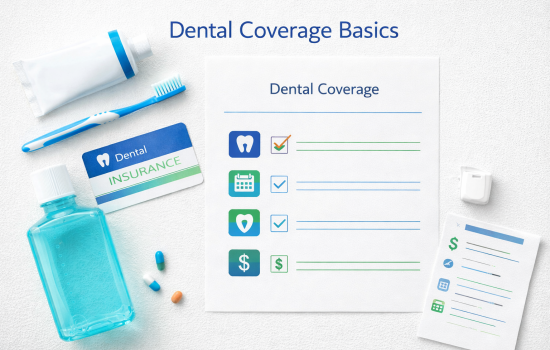
How to Compare Insurance Plans
Finding the right insurance plan can feel like an overwhelming task, especially with the plethora of options available today. Understanding how to effectively compare insurance plans is vital when evaluating health insurance, dental, and supplemental health benefits to fit your unique needs. By learning about the differences between plan types and assessing what each offers, you can make informed decisions to ensure long-term health care satisfaction. This not only saves you time and potential costs but also ensures that you are aligning your choices with both immediate and future health care requirements.
Finding an Insurance Plan that Meets Your Needs
When it comes to insurance, one size does not fit all. To find an insurance plan that meets your needs, you must consider several factors, starting with understanding what you want from your health care and dental services. Begin by listing your primary health priorities, such as coverage for preventive services, dental care, or vision insurance. This includes considering short-term needs, like regular doctor and dental visits, and long-term goals, such as ongoing care for chronic conditions or major dental work.
As you compare insurance plans, a crucial step is to line up these needs against the available options. Insurance companies offer a range of programs, from group insurance plans that might be cost-effective due to their network rates, to supplemental health benefits that cover gaps a regular insurance plan might not. With health insurance, consider what services each plan covers and any exclusions. Supplemental health benefits, such as vision or critical illness coverage, can be valuable additions if your primary plan lacks specific coverages, particularly if you need more robust health care.
It’s essential to assess the financial aspect too. Finding a plan that aligns with your budget is as important as meeting healthcare needs. Look into plans that offer flexibility within their rates, accommodating your financial situation. Many people explore healthcare options that include bundled insurance plans, combining medical, dental, and vision services to potentially lower costs and streamline service management.
Furthermore, how you interact with and learn about a plan is key. Insurance plans should be transparent and comprehensible. The best way to gather this information is by using resources that allow you to compare plans side by side, revealing service details, premiums, deductibles, and out-of-pocket costs. By taking a comprehensive view of what each plan offers, you can better determine which insurance company provides the services you need at a manageable cost.
For those seeking tailored advice, connecting with a knowledgeable adviser might also be beneficial. They can provide clarity, cutting through the jargon and helping you understand the long-term impact of your choices. Whether you’re interested in a short-term plan or something more enduring, having professional insights assists you in navigating the complexities of insurance. In conclusion, thoroughly comparing insurance plans while keeping your personal needs and financial capacity in focus ensures you secure a plan that supports your health effectively. Don’t hesitate to explore your options, as well-informed choices today can lead to healthier, more affordable outcomes tomorrow.
How to Learn More About Coverage Options
Navigating the world of health coverage doesn’t have to be daunting, even with so many choices available. To gain a clearer understanding of your insurance options, it’s important to begin by educating yourself on the various plans and benefits. Whether you’re looking into dental insurance, medical coverage, or a bundled plan that combines both, having a grasp of coverage details simplifies decision-making. Many insurance providers offer resources online, allowing you to learn about the specifics of each health insurance plan, from services and restrictions to out-of-pocket costs and deductibles.
Start by identifying what you need from an insurance plan. Are you seeking extensive dental care, essential healthcare services, or inclusive medical insurance that covers prescriptions? By defining your priorities, you can better navigate insurance offerings. Many platforms provide tools to compare plan details side by side, helping you understand the differences between programs. This comparison highlights key aspects such as premiums, service coverage, and the level of care provided for dental and medical needs, all crucial factors for making an informed choice.
It’s also beneficial to reach out for more personalized information. Speaking with insurance experts or advisors can provide tailored insights that online resources might not fully convey. They can assist in clarifying complex details and help streamline your understanding of how a particular plan might suit your healthcare needs. Additionally, some may offer seminars or webinars designed to educate consumers about different types of insurance coverage. Participating can enhance your understanding and boost your confidence when choosing a plan.
For those looking into bundled insurance plans, consider how these options may enhance your healthcare experience by providing more comprehensive benefits. Researching the specifics of each bundle, including any supplemental health benefits or exclusions, is crucial. A good starting point is to look at how these bundles integrate services like dental and medical coverage under one program, simplifying healthcare management and potentially offering cost savings.
Finally, don’t overlook community resources. Many local health organizations or support groups for seniors provide educational materials and sessions to help demystify healthcare coverage. By engaging with these resources, you not only learn about coverage options but also join a network of individuals with similar interests, who may share valuable first-hand experiences. To explore tailored plans in your area, consider entering your ZIP code on our site to find specific coverage options available to you.
Combining medical and dental insurance with supplemental health benefits can enhance coverage and offer peace of mind. Understanding plan details, costs, and limitations helps seniors make informed decisions tailored to their needs. Exploring available options can provide comprehensive protection, easing healthcare concerns. Enter your ZIP code on our website to find suitable plans in your area. Remember, coverage varies based on location, and comparing options ensures a choice that fits both lifestyle and budget.
Rich content results: FAQs
Compare plans and enroll online
Frequently Asked Questions
What are the benefits of bundling medical and dental insurance?
Bundling medical and dental insurance can offer comprehensive coverage, potentially reducing costs through discounts. It simplifies management by having a single insurer for both health and dental needs, which can streamline communication and service handling.
How does a bundled insurance plan affect healthcare management?
Bundled insurance plans offer a coordinated approach by combining services under one coverage umbrella. This can improve patient experience by simplifying claim processes and providing a unified healthcare network for various needs such as preventive services and specialist access.
Are there any additional benefits with bundled insurance plans?
Yes, bundled plans often include supplemental health benefits like vision insurance, which enhance overall coverage. They may also offer options for adding short-term and critical illness coverage, providing broader health protection.
What should seniors look for in dental insurance plans?
Senior-focused dental plans should cover preventive care, such as cleanings and exams, and basic services like fillings. It’s important to understand exclusions and waiting periods, particularly for major procedures like crowns and dentures.
How can I manage insurance costs effectively?
Effectively managing insurance costs begins with setting a realistic budget and exploring group insurance options for better rates. Considering bundled plans can also streamline costs, and having supplemental insurance can cover areas not included in standard plans.
Comparing plans using tools and resources can provide insights into financial implications, helping balance affordability with coverage needs.
Find & Compare Plans Online
ZRN Health & Financial Services, LLC, a Texas limited liability company

Russell Noga is the CEO of ZRN Health & Financial Services and the head content editor of several Medicare insurance online publications. He has over 18 years of experience as a licensed Medicare insurance broker helping Medicare beneficiaries learn about Medicare, Medicare Advantage Plans, Medigap insurance, and Medicare Part D prescription drug plans.