Choosing the right dental plan is crucial for seniors in Connecticut. Medicare Advantage can offer dental benefits as part of comprehensive healthcare coverage. Access Health CT provides additional options, allowing comparison of different plans to find suitable coverage. Understanding the benefits and limitations of these plans helps seniors in making informed decisions about their dental health. This guide breaks down the essentials of Medicare Advantage and Access Health CT dental plans, aiming to clarify options for residents in Connecticut. Stay informed and explore dental coverage that aligns with your specific needs.


Dental Insurance Plans
for individuals and families
Dental Plans start as low as $12.00 per month





Dental Plans for Seniors in CT
Key Highlights
- Medicare Advantage combines dental benefits with other health services, but coverage is often limited to preventive care.
- Standalone dental plans cover extensive procedures like fillings and dentures, offering more provider flexibility than Medicare Advantage.
- Consider essential coverage details, costs, network providers, and treatment limits when choosing a dental plan in Connecticut.
- Location affects provider accessibility and service costs; urban and rural areas differ in dental insurance options.
- Discount plans offer affordable dental care through provider networks, bypassing traditional insurance costs and restrictions.
Compare plans and enroll online
Understanding Dental Plans for Seniors in Connecticut
Navigating dental plans in Connecticut can feel daunting, especially for seniors seeking affordable, comprehensive options. It’s important to understand the differences between Medicare Advantage and standalone dental plans, as both offer unique benefits and limitations. As you explore plan options, knowing what to look for in a basic plan can help ensure your coverage meets your specific needs. This guide will provide critical information about Medicare Advantage, standalone dental plans, and key factors to consider when choosing a plan. Let’s dive into how these options work so you can make informed choices about safeguarding your smile.
Differences Between Medicare Advantage and Standalone Dental Plans
The world of dental insurance is vast, with Medicare Advantage and standalone dental plans being two popular choices for seniors in Connecticut. Each type of plan has its distinct advantages and caters to different needs. Medicare Advantage plans often bundle dental coverage with other health insurance benefits. This can simplify your healthcare management, providing a one-stop solution by combining hospital (Part A) and medical (Part B) coverage with secondary benefits like vision, hearing, and dental. However, the dental coverage within these plans can be limited, focusing mainly on preventive services such as cleanings and exams. Seniors should closely examine which dental services are included under Medicare Advantage to ensure it meets their treatment needs.
On the other hand, standalone dental plans provide a wider range of dental services. These plans typically cover more extensive procedures, such as fillings, crowns, dentures, and even implants, though they may come with higher premiums. Standalone plans also offer more flexibility when it comes to the dental provider network, allowing retirees to choose from a broader selection of providers compared to some health plans bundled within Medicare Advantage. If you’re considering a standalone option, it’s crucial to check if your preferred dentist is in-network, as going out-of-network can significantly increase your costs. Understanding these distinctions can guide you in selecting a dental plan that aligns with your oral health priorities and financial situation.
What to Look for in a Basic Plan
When evaluating basic dental plans in Connecticut, seniors should consider several critical factors to choose the most suitable plan. Initially, look at the coverage details. A basic plan should cover essential preventive services such as cleanings, exams, and X-rays. These services help maintain oral health and can prevent more costly procedures down the line. Additionally, check if the plan includes, or allows for, basic treatments like fillings or periodontal care, as these can be common needs among seniors.
Another aspect to consider is the cost of the plan. Seniors should evaluate both the monthly premium and any copayments or deductibles associated with services. Balancing these costs with your budget can help avoid unexpected expenses. It’s also beneficial to take note of any waiting periods before specific services are covered, as some basic plans include waiting times for certain procedures.
The plan’s network is crucial; confirm that it includes a range of dental providers to suit your preferences or specific requirements. A robust network ensures you have access to experienced professionals without excessive out-of-pocket costs. Finally, ensure the plan provides clear information about treatment limits or exclusions, so there are no surprises when obtaining dental services. For seniors, understanding these elements within a dental plan can significantly impact long-term satisfaction and financial stability. As you consider these options, remember that open enrollment is your opportunity to make changes and find the coverage best suited to your needs. Armed with this information, exploring dental plans becomes a straightforward task, allowing you to confidently select the right insurance for your dental care needs.
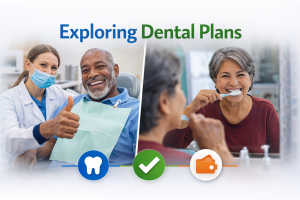
Exploring Dental Care and Coverage Options
Dental care for seniors is vital, and having the right dental plan can make a big difference in maintaining oral health without straining the budget. While exploring dental coverage options in Connecticut, it’s crucial to understand the common dental services covered and be aware of potential limitations and exclusions. Seniors need to know which dental plans, including Medicare Advantage and standalone dental options, provide the necessary benefits to meet their dental needs this open enrollment season. Access Health CT, in conjunction with various group insurance providers, offers diverse plans that highlight the nuances of dental coverage, ensuring retirees can make informed decisions.
Common Dental Services Covered
The scope of coverage under a dental plan can significantly impact a senior’s out-of-pocket expenses and health outcomes. Most health insurance policies, whether through Medicare Advantage or standalone plans like those offered by Delta Dental, cover essential services like routine exams, cleanings, and preventive treatments. These services form the baseline of coverage, designed to catch potential issues early and keep costs manageable. However, it’s the more advanced treatments that require careful consideration. Services such as fillings, crowns, bridges, and dentures are typically included under comprehensive dental plans, although the extent of coverage may vary significantly between different insurance options.
In Connecticut, the specific services covered can depend on the network of the dental plan. For example, some plans may emphasize preventive services and limit more extensive treatments unless they are deemed medically necessary. Seniors should thoroughly review the details of any dental plan they’re considering during open enrollment to ensure it aligns with their specific oral health needs. Health plans in the state, like those categorized under Access Health CT, often facilitate easier access to in-network dentists, which can help retirees control costs.
It’s also important to consider the financial structure of these plans. While some policies offer low premiums, they might come with higher deductibles and co-pays for certain types of dental services. Understanding these nuances in dental care coverage can help seniors avoid unexpected expenses. By assessing the balance between coverage extent and overall cost, retirees can find a dental plan that provides peace of mind and helps maintain their oral health without compromising their financial stability.
Potential Limitations and Exclusions
Understanding the limitations and exclusions of dental insurance policies is crucial for seniors. Many plans have caps or restrict coverage on certain treatments, which can affect overall healthcare budgets. For instance, some plans impose annual maximums on the amount they’ll pay for dental services, leaving any additional cost to be covered by the patient. This can impact how seniors plan their dental treatments throughout the year, making it necessary to choose wisely during enrollment. Moreover, certain procedures like dental implants or cosmetic treatments may be entirely excluded from coverage, which is why retirees should look closely at the specifics of any plan they’re considering.
Another potential limitation seen in dental plans is the waiting period before coverage kicks in for more comprehensive services. For example, while preventive care like cleanings may have no waiting period, services such as fillings or crowns often require several months of plan membership before benefits apply. It’s important for seniors to plan around these waiting periods, especially if they anticipate needing significant dental work soon. Network exclusions also present challenges, as going out-of-network typically results in higher out-of-pocket expenses. Therefore, it’s prudent to verify whether preferred dentists are in-network under potential plans.
In Connecticut, tailoring a plan to fit personal needs often means weighing these potential limitations against the overall cost and benefits. It’s helpful to consult directly with insurance providers, explore various group policies, and even consider combinations of health plans that can provide more robust coverage. By understanding the constraints of dental plans, such as exclusions, waiting periods, and network restrictions, seniors can make informed decisions during open enrollment and secure the dental insurance that best fits their life stage and financial plans.
| Coverage Aspects | Limitations | Financial Considerations |
|---|---|---|
| Routine check-ups and cleanings included | Cosmetic procedures often not covered | Premiums vary widely by plan and coverage level |
| Preventive care such as X-rays and exams | Waiting periods may apply for certain treatments | Out-of-pocket expenses can be significant without adequate coverage |
| Basic procedures like fillings and extractions | Annual coverage caps might limit benefits | Co-payments required for many services |
| Some plans offer partial coverage for dentures | Provider networks can limit dentist choice | Options for adding dental coverage to health insurance plans |
This table succinctly outlines the critical components of dental plans, helping seniors understand and navigate their options during the open enrollment period.
Find & Compare Plans Online
Special Considerations for Connecticut Residents
Connecticut offers a unique landscape for dental insurance, especially for seniors pondering Medicare Advantage and standalone options. The state’s insurance market presents various choices that hinge significantly on location, impacting everything from coverage to cost. Seniors in Connecticut should be aware of the influence their place of residence has on their dental plans, access to services, and potential exclusions. By understanding these local nuances, residents can make informed decisions about their dental care needs, ensuring they pick plans that align with their health priorities and budget. This section explores how living in Connecticut shapes your dental insurance experience.
How Location Impacts Dental Insurance Choices
In Connecticut, where you live plays a crucial role in shaping your dental insurance options. The state offers diverse health insurance plans through a variety of providers, including Medicare Advantage and standalone plans, each with their own networks and exclusions. Urban areas, like Hartford or New Haven, may have different network availability compared to more rural areas. This variation can influence which dentists are accessible under your plan, directly affecting your dental care choices. Make sure to research the network of dentists included in any plan you’re considering, as in-network services typically cost less out of pocket.
Additionally, Connecticut’s range of dental insurance plans includes both Medicare Advantage and standalone dental options, providing different levels of coverage. Medicare Advantage plans often bundle dental care with other medical benefits, which can be convenient but might come with limitations on treatments or less flexibility in choosing providers. On the other hand, standalone dental plans might offer broader coverage for complex procedures but often come with higher premiums. Considering these differences is crucial for making the best choice for your dental care needs and financial balance.
Furthermore, location in Connecticut can impact the cost of dental treatments and services. Urban areas may have higher service costs than rural locations due to the availability and competition among dental providers. This can affect your coverage and the total amount you’re expected to pay when receiving treatment. Being mindful of geographic cost variations helps in making decisions that suit your budget while still receiving necessary care. Exploring dental insurance in Connecticut means considering these specific local factors alongside general coverage details. Ultimately, Connecticut residents can choose plans that are well-suited to their daily lives and oral health needs.

Dental Coverage Costs and Budgeting for Seniors
Understanding dental coverage costs is essential for seniors aiming to budget effectively. Dental care can be a significant expense, especially as you age and might need more treatments. By exploring various costs associated with health plans, such as Medicare Advantage, retirees can find coverage options that align with their needs. This section delves into cost-saving options, including discount plans and the role of networks like Delta Dental in reducing overall costs. Knowing these elements helps seniors plan better and ensures they receive adequate insurance to cover necessary services.
Exploring Cost-Saving Options Like Discount Plans
For seniors trying to manage dental costs, exploring cost-saving options like discount plans is a practical approach. Discount plans aren’t traditional insurance but membership programs offering reduced prices on dental services from a network of providers. These networks often include popular options like Delta Dental, allowing you to access affordable care without the constraints of insurance premiums and waiting periods. By paying a modest annual fee, members receive discounts on treatments such as exams, cleanings, fillings, and more advanced procedures, helping to keep dental expenses within a manageable budget.
Discount plans can be particularly advantageous for those who may not require comprehensive coverage or prefer more flexibility in choosing their dentists. Unlike insurance, which may restrict certain services or impose maximum payout limits, discount plans provide clear savings without surprise exclusions. Seniors can visit their chosen provider within the network and pay the contracted lower rate, ensuring transparency in treatment costs and minimizing unexpected expenses.
Another benefit of discount plans is their simplicity and lack of restrictions. They often have no deductibles, co-pays, or health requirements to join, making them accessible for seniors who might find traditional insurance choices limited or costly. Additionally, these plans typically activate quickly, allowing seniors immediate access to discounted dental services. It’s an excellent solution for those who may need dental work sooner rather than later and want to avoid the long waiting periods seen in some insurance policies.
In summary, seniors looking to budget effectively while maintaining their oral health should consider discount plans as a viable option. By including these plans in your array of health plans, such as Medicare Advantage or standalone dental insurance, you can create a comprehensive strategy that balances cost and access to essential services. As you navigate dental coverage, keeping a focus on diverse plan options ensures you’re prepared for any eventuality, maximizing both savings and care quality.
Considering the benefits of discount plans, here are some key factors to aid your decision-making:
- Compare costs between discount plans and traditional insurance.
- Verify if your preferred dentist is in the discount plan’s network.
- Assess the range of services covered under the discount plans.
- Consider how soon you may need dental services when selecting a plan.
- Evaluate annual fees against potential treatment savings.
- Check for member reviews and ratings of various plans.
- Ensure the plan’s simplicity aligns with your healthcare preferences.
Choose the right plan to balance dental care quality with cost-effectiveness.
If you’re considering dental plans for seniors in CT, it’s essential to explore what Medicare Advantage and Access Health CT offer. Different plans may have varying benefits, costs, and coverage. Understand how these can help cover preventive services, fillings, or more advanced treatments. To find what suits your needs, enter your ZIP code on our site. This allows you to see options based on your location and compare their offerings. Remember, each plan has unique features and may provide different levels of coverage. Take the next step to feel confident in your dental care by exploring today.
Compare plans and enroll online
Frequently Asked Questions
What are the key differences between Medicare Advantage and standalone dental plans?
Medicare Advantage plans generally bundle dental benefits with other health services, focusing primarily on preventive care, while standalone dental plans often cover a wider range of procedures and allow more flexibility in choosing dental providers.
How do location and network affect dental plan choices in Connecticut?
In Connecticut, your location affects dental provider accessibility and service costs. Urban areas might have a different range of network providers compared to rural areas, which can influence your dental care choices and costs under a plan.
What should seniors consider when evaluating basic dental plans?
Seniors should consider coverage details, plan costs, network providers, and treatment limits. Ensuring the plan covers necessary preventive and basic treatments while fitting within your budget is crucial for long-term satisfaction.
How do discount dental plans work?
Discount dental plans offer reduced prices on services through a network of providers instead of traditional insurance benefits, helping you manage dental expenses by paying a membership fee for discounted rates.
What are some common limitations of dental insurance for seniors?
Common limitations include annual maximums, waiting periods for certain procedures, and network restrictions. Seniors should carefully review these aspects to plan around potential out-of-pocket expenses effectively.
Find & Compare Plans Online
ZRN Health & Financial Services, LLC, a Texas limited liability company

Russell Noga is the CEO of ZRN Health & Financial Services and the head content editor of several Medicare insurance online publications. He has over 18 years of experience as a licensed Medicare insurance broker helping Medicare beneficiaries learn about Medicare, Medicare Advantage Plans, Medigap insurance, and Medicare Part D prescription drug plans.