Understanding dental insurance for seniors can be complicated, especially when considering different plan types like HMO and PPO. Deciding which plan suits you can significantly impact your dental care choices and expenses. HMO dental insurance, in particular, offers unique features and potential savings but comes with certain limitations. Dive into this guide to learn what HMO dental insurance means, how it works, and how it compares to other options. By the end, you’ll be better equipped to decide which type of coverage fits your needs and budget. Let’s explore these choices together.


Dental Insurance Plans
for individuals and families
Dental Plans start as low as $12.00 per month





What is HMO Dental Insurance?
Key Highlights
- HMO dental insurance offers budget-friendly plans with lower premiums and no deductibles, emphasizing in-network primary dentist selection.
- Dental HMOs provide cost-effective care focused on preventive services, with insurance companies compensating providers directly for covered services.
- Dental HMO plans require choosing a primary dentist within a network, limiting flexibility but offering lower costs.
- PPO plans allow more provider freedom, offering flexibility at higher premiums, unlike the structured network of HMOs.
- Local plan options and costs vary, so compare HMO and PPO features in your area to suit your dental care and budget needs.
Compare plans and enroll online
Understanding Dental HMOs
Diving into the realm of dental HMOs can help unravel the fundamental parts of dental insurance plans. This article explores how HMO insurance affects dental care, clarifying how it operates under a Health Maintenance Organization structure. We’ll look closely at how a Dental HMO plan, often known as a DHMO, functions, its impact on costs, and how it can be a budget-oriented plan that helps keep your dental expenses lower.
What is Dental HMO Insurance?
A Dental HMO, or Health Maintenance Organization, is a type of dental insurance where you select a primary dentist from within a network. This setup ensures broad access to dental services while managing costs. Unlike other types of dental plans, dental HMO insurance often features lower premiums and no deductible. Hence, if you’re conscious of your budget, this could be appealing. With a DHMO plan, the insurance company compensates the dental service provider directly for covered services, which means you might pay less out of pocket when you receive care. Dental services under an HMO plan include preventive, routine, and sometimes major care at reduced costs. But keep in mind, using a primary dentist is part of the arrangement, so choosing practitioners wisely within the dental plan is crucial for optimal dental care. The goal is to help keep your dental costs lower while maintaining comprehensive care.
How Dental HMOs Work
Dental Health Maintenance Organizations, or Dental HMOs, provide structured and cost-effective dental insurance solutions. These plans are designed to connect individuals with a network of providers, focusing on preventive and routine services to help keep costs lower. By requiring members to choose a primary dentist, Dental HMOs work to reduce overall expenses and offer lower premiums. Covered dental services are managed within this network, where the insurance company directly reimburses the providers, eliminating the need for deductibles. This structure makes Dental HMOs an appealing option for those who wish to maintain dental care without straining their finances.
Role of the Primary Dentist
In a Dental HMO, your primary dentist plays a central role in providing your care. This dentist is your go-to professional for all initial consultations and determines the need for specialist referrals, if any. Working within the Health Maintenance Organization framework, your primary dentist helps coordinate your dental care efficiently, ensuring you’re able to take full advantage of the lower-cost services offered by the plan. By choosing a primary dentist, you’re tapping into a system designed to help lower your out-of-pocket expenses by managing treatment and directing appropriate care. The insurance company pays directly for covered services you receive, so understanding this relationship can help manage expectations and costs effectively.
Your primary dentist also assists you in understanding your dental plan’s benefits and limitations clearly, which helps in planning for future dental needs. This relationship means that routine visits, such as cleanings and exams, are usually covered at significant savings compared to other dental plans with higher premiums and deductibles. However, it’s important to continue with comprehensive research, as not all services may be included at reduced costs. The design of Dental HMOs, which mandates a primary dentist, offers a streamlined experience, supporting your path to maintaining good oral health without the complexities of unexpected expenses.
Comparing Dental HMO and PPO Plans
Understanding the nuances between Dental HMO and PPO plans can guide you in making an informed decision about your dental insurance needs. Both types of dental insurance feature distinct approaches to coverage, network involvement, and flexibility. While DHMO plans often provide a budget-friendly option with fewer out-of-pocket costs, PPO dental plans offer more freedom in choosing providers. We’ll delve into the differences in coverage and flexibility, helping you navigate which option aligns better with your dental care requirements.
| Plan Type | Coverage Style | Provider Network | Premium Costs | Flexibility |
|---|---|---|---|---|
| Dental HMO | Managed Care | Limited to In-Network | Generally Lower | Restricted |
| Dental PPO | Flexible Coverage | Broad, Includes Out-of-Network | Generally Higher | Greater |
This table succinctly delineates the fundamental differences between Dental HMO and PPO plans, aiding your decision-making process regarding dental insurance options.
Find & Compare Plans Online
Differences in Coverage and Flexibility
The key difference between Dental HMO and PPO dental plans lies in how they manage covered services and provider networks. With a Dental HMO plan, you must choose a primary dentist within a specified network of healthcare providers. This choice emphasizes a streamlined and cost-effective approach, where the insurance company handles payments directly for covered services. Such plans are often attractive due to their affordability, featuring lower premiums. You may enjoy savings on preventive services like cleanings at reduced costs. However, HMOs come with limitations; if you see a dentist outside the network, those visits usually won’t be covered, potentially leading to unforeseen expenses.
On the other hand, PPO dental plans offer greater flexibility. These plans typically operate with a broader network, allowing you to visit any dentist, though you’ll save more with in-network providers. PPO plans generally feature higher premiums compared to Dental HMOs, but they provide a wider array of choices and fewer restrictions in selecting a dental care provider. This flexibility means you can access a diverse range of services that may include specialists not covered under a DHMO plan. If you’re willing to bear higher monthly costs for enhanced freedom, PPO plans might be appealing, especially if maintaining long-term relationships with preferred practitioners is a priority.
Both Dental HMO and PPO plans are constructed to cater to diverse needs, and understanding their distinct structure will help you make informed decisions. It’s crucial to assess whether a structured network with cost-effective services or more flexibility in provider choice aligns with your dental insurance expectations. Always consider individual healthcare needs and financial situations when deciding between these plans, ensuring you get the most value from your dental insurance.
Benefits of Dental HMOs
Navigating the world of Dental HMOs reveals significant benefits, especially for those seeking budget-friendly insurance. Dental HMOs are renowned for their ability to deliver affordable plans for preventive care, a cornerstone of oral health. This section will delve into how these HMOs help keep your dental costs lower with features like lower premiums and no annual limit, streamlining access to necessary services without financial strain. Understanding these advantages is crucial for maximizing the benefits of DHMO insurance plans.
Affordable Plans for Preventive Care
When discussing Dental HMOs, one critical advantage is their provision of affordable plans for preventive care. DHMO plans, backed by health maintenance organizations, are structured to help keep costs lower. They provide a budget-oriented plan with clear-cut benefits tailored to meet routine dental care needs without breaking the bank. By fostering relationships with a primary dentist, these plans ensure that preventive services like cleanings and check-ups are accessible and economical. The absence of a deductible in dental HMOs eliminates an initial payment barrier, making it easier for members to begin receiving care right away. Furthermore, DHMO plans often have no annual limit on essential preventive services, such as cleanings and exams, encouraging consistent oral health maintenance without incurring extra costs.
Unlike many other insurance types, DHMO dental insurance operates on a system where the insurance company directly compensates the service providers, further helping lower the financial burden on patients. This model effectively contributes to lower premiums, making them more feasible for seniors prioritizing financial security and oral health. Dental services covered under these plans extend beyond preventive care, oftentimes including routine and basic restorative services at reduced rates. By maintaining a structured network, health maintenance organizations can negotiate favourable rates with providers, reinforcing affordability for members. The result is a system designed to help keep your dental costs lower while offering comprehensive coverage that aligns with your lifestyle and healthcare needs.
Additionally, since you work with a primary dentist who is central to your care, there’s better coordination and understanding of your dental health history, which can contribute to improved health outcomes. This relationship simplifies managing treatment plans and helps patients easily navigate the specifics of their dental insurance, ensuring they make the most of the plan’s offerings. With careful selection of a primary dental care provider, you gain not only financial savings but also the peace of mind that comes with consistent, quality care designed to support your long-term wellness.
In addition to the affordability of preventive care in DHMO dental insurance, there are several other benefits and considerations that enhance its appeal:
– Provides a wide network of participating dentists for greater flexibility and access.
– Typically requires no deductibles, promoting easier access to initial treatments.
– Lowers out-of-pocket expenses for routine check-ups and cleanings.
– Offers predictable costs with set co-pays for various procedures.
– Encourages regular dental visits, improving long-term oral health.
– Simplifies the claims process with no complex paperwork involved.
– Often includes family coverage options for comprehensive care.
Overall, DHMO plans provide a practical solution for maintaining both dental health and financial predictability, making them a popular choice for many.
Limitations of Dental HMOs
Delving into Dental HMOs reveals cost-saving structures but also notable limitations. These plans are valued for affordable dental care, but constraints exist, primarily related to network restrictions and coverage limitations. Understanding these limitations is crucial for managing expectations and ensuring access to necessary dental services. Exploring potential issues related to provider choices, covered services, and out-of-pocket expenses can help you weigh the pros and cons effectively. Recognizing such challenges can aid in making informed decisions about how Dental HMOs suit your healthcare needs relative to other types of insurance plans.
Possible Restrictions and Costs
Dental HMOs have several possible restrictions and costs, crucial factors to consider when evaluating their suitability. Typically, these plans require you to choose a primary dentist within a specific network. This network-based approach means you’re often limited to receiving care only from dentists who are participating within the network, as the insurance company covers costs for these services exclusively. If you seek care outside this network, you might face significant out-of-pocket costs, as most off-network care isn’t covered. This can lead to high costs if unexpected dental services are needed or if you’re seeking a specific healthcare provider not within the network.
Additionally, the cost structure of Dental HMOs can pose challenges. While these plans generally offer lower premiums, there may be other costs to be aware of, such as copayments for certain dental services that are typically covered, like fillings or crowns. Unlike a PPO dental plan, where you might have more flexibility in choosing providers, an HMO’s style could restrict your access to healthcare more than a PPO. Consequently, planning for possible restrictions and costs, especially when thinking about more complex dental services, is crucial. Evaluating what dental services are covered and understanding how your primary dentist facilitates referrals for more specialist care within the group can help. By carefully reviewing a dental HMO’s network and understanding potential costs, you can ensure the plan aligns with your healthcare preferences and financial considerations.
Choosing Between HMOs and PPOs
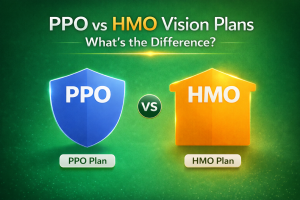
Deciding between Dental HMO and PPO plans involves understanding key aspects of coverage, network flexibility, and costs. Both types of dental insurance have unique approaches that can significantly impact your dental care options. HMO plans are usually more budget-friendly and emphasize care within a specific network, requiring you to select a primary dentist. In contrast, PPO dental plans generally offer more freedom in choosing healthcare providers, which might result in higher premiums. By exploring each structure, you can better identify which plan serves your specific dental care and financial needs effectively.
Considerations for Your Needs
When you’re weighing considerations for your needs between dental HMO and PPO plans, it’s essential to focus on how each plan type aligns with your personal and financial situation. A dental HMO, or DHMO, typically suits those who prioritize budget control, offering lower premiums and a fixed network of dentists, which helps manage expenses. This setup can make dental care more predictable and affordable, especially if preventive care is a primary focus. It’s crucial to be comfortable with the idea of selecting a primary dentist, as all initial and ongoing dental services are routed through this professional who coordinates your care. The primary dentist is vital for optimizing benefits and facilitates any referrals needed for specialized services within the network.
On the flip side, if having diverse provider options appeals to you, a PPO dental plan might be more suitable. PPO insurance allows visiting any dentist, with in-network care yielding higher savings. While typically more expensive in terms of premiums, PPO dental plans grant flexibility, which could be valuable if you have specific provider relationships you want to maintain. This plan type fits well if your dental care needs include frequent visits to specialists not available in a restricted network. The tradeoff between cost-effectiveness and choice is a central point when determining which insurance company and plan structure best cater to your healthcare priorities.
Additionally, reflect on potential future dental services when evaluating plan options. Whether you’re dealing with ongoing dental issues or planning for preventive dental care, your choice might hinge on network limitations versus the breadth of service availability. Consider if unexpected dental needs could become a factor, ensuring that your selected dental plan aligns with service flexibility or affordability. Balancing these considerations can guide you to a decision that feels secure, addressing both immediate and long-term healthcare requirements, so you can feel confident about the coverage you’ve chosen.
Finding the Right Dental Plan in Your Area
When selecting a dental plan, it’s crucial to understand the differences between each type, especially if you’re comparing HMO and PPO plans. Exploring local options and costs plays a significant role in making an informed decision. Dental plans offered by various insurance companies can vary greatly, making it essential to choose one that fits your needs and budget. Understanding how HMOs and PPOs operate and their respective benefits and limitations allows you to select a plan that aligns with your preferences for dental care and cost management. Discover what local plans offer and how they can cover your specific dental needs.
Exploring Local Options and Costs
When you’re exploring local options and costs for dental plans, there are several factors to consider to ensure you choose a plan that suits your needs. Start by looking into the network of dentists available within the plans, as these networks dictate who you can see for your dental care. A Dental Health Maintenance Organization (DHMO) plan typically requires that you choose a primary dentist from the network to manage your overall care. This can lead to lower out-of-pocket costs since the insurance company directly pays for covered services. However, the network’s size and the availability of preferred services are vital, so choosing wisely based on what the network offers in your area is key.
Different insurance companies provide varying levels of coverage and costs, so comparing these can help ensure you’re getting the best value. While DHMO plans focus on offering low-cost services through network providers, Preferred Provider Organization (PPO) plans give more flexibility in choosing dental care providers, even if they usually come with higher premiums. By carefully evaluating DHMO and DPPO (Dental PPO) options available to you, considering premium costs, copayments, and covered services is crucial for finding a plan that fits your budget and care preferences. Besides, check for additional benefits such as orthodontics or implants if they apply to your needs, which can impact the overall plan value.
Insurance companies often have websites providing essential details about dental insurance plans, assisting you in comparing what each plan covers, including preventive services, network flexibility, and service rates. These resources can indicate how plans accommodate your healthcare needs and financial goals. Lastly, remember that as an insured individual, understanding the fine details of what is and isn’t covered, along with potential waiting periods or exclusions, can help avoid future surprises and assist in maintaining good oral health without unexpected financial burdens.
Understanding the differences between HMO and PPO dental insurance can help you make informed decisions about your coverage options. Remember, each plan has its own benefits and limitations. Consider what dental services are important to you, look at network restrictions, and evaluate costs carefully. To find a dental insurance plan that fits your needs, you can explore options by entering your ZIP code on our website. Keep in mind that coverage and costs can vary based on location, such as dental insurance in California, and provider, so it’s helpful to compare plans to see which one offers the support you need.
Compare plans and enroll online
Frequently Asked Questions
What is HMO dental insurance?
HMO dental insurance, or Health Maintenance Organization dental plan, requires selecting a primary dentist within a network. This approach often offers lower premiums and no deductibles, emphasizing cost-effective care focused on preventive services. Your primary dentist coordinates your dental care, assisting with specialist referrals if needed.
How does a Dental HMO differ from a PPO plan?
The key difference lies in provider flexibility. Dental HMO plans require selecting a primary dentist from a network, emphasizing lower costs through structured care. PPO plans allow more freedom to choose any dentist, often with higher premiums but greater provider flexibility.
What are the cost benefits of choosing a Dental HMO?
Dental HMOs typically have lower premiums and no deductibles. They are designed to provide affordable preventive and routine services, with the insurance company directly reimbursing providers within the network, which can reduce your out-of-pocket expenses.
Are there any limitations to Dental HMOs?
Yes, Dental HMOs have some limitations. Care must be received from network providers, and out-of-network visits are usually not covered, leading to higher out-of-pocket expenses. It’s important to carefully choose a primary dentist and understand the network restrictions.
How can I choose the right dental insurance plan?
Consider your dental care needs, budget, and preferences for provider flexibility when evaluating Dental HMO and PPO plans. Exploring local options and comparing plan details based on your location can help ensure the coverage aligns with your healthcare and financial needs.
Find & Compare Plans Online
ZRN Health & Financial Services, LLC, a Texas limited liability company

Russell Noga is the CEO of ZRN Health & Financial Services and the head content editor of several Medicare insurance online publications. He has over 18 years of experience as a licensed Medicare insurance broker helping Medicare beneficiaries learn about Medicare, Medicare Advantage Plans, Medigap insurance, and Medicare Part D prescription drug plans.