Finding dental insurance plans without waiting periods can be crucial for seniors needing immediate dental care. Preferred Provider Organization (PPO) plans offer flexibility in choosing dentists and often include coverage for key services like examinations, cleanings, and fillings. This makes understanding your options important for maintaining oral health without delays. Plans vary by location and provider, so knowing what is covered and potential costs can support informed decisions. Let’s explore how these insurance plans work to provide timely benefits that meet senior dental care needs. Enter your ZIP code to discover available plans in your area.


Dental Insurance Plans
for individuals and families
Dental Plans start as low as $12.00 per month





Dental Insurance No Waiting Period for Seniors
Key Highlights
- Dental insurance for seniors ensures oral health care without financial stress, covering preventive and necessary procedures.
- PPO plans offer flexibility in choosing dentists, covering major treatments like crowns and dentures with reduced costs.
- No waiting period plans provide immediate coverage, crucial for seniors with urgent dental care needs.
- DeltaCare USA offers affordable, comprehensive coverage with a defined provider network and no annual maximums.
- Examining plan details carefully ensures coverage aligns with dental needs, helping mitigate unexpected costs.
Compare Dental Plans
Understanding Dental Insurance for Seniors
Dental insurance is essential for seniors seeking to maintain healthy teeth and gums without financial stress. Understanding dental insurance policies, including their coverage and benefits, can seem complex at first, but it doesn’t have to be. This section will help you grasp what dental insurance entails and why it can be crucial for seniors. Knowledge about dental insurance is important for accessing preventive services and affording dental care when needed. We’ll also discuss why seniors should consider dental coverage and how individual dental plans can cater to their unique needs.

What is Dental Insurance?
Dental insurance is a type of health coverage designed to reimburse a portion of dental care costs, generally concentrating on preventive services and essential treatments. It’s a contract between an individual and an insurance company that involves monthly premiums in exchange for financial support towards dental expenses. Coverage usually includes preventive dental care like cleanings and exams, which are crucial for early detection of oral issues. Many plans cover basic services, such as fillings, and major procedures like crowns, but specifics can vary significantly depending on the insurance plan and provider.
Understanding dental insurance involves getting to know the different plans available, how they work, what they might not cover, and how they can impact your dental care decisions. Most insurance companies offer a few primary types of plans: DHMO, PPO, and indemnity plans. For seniors, a PPO plan might be an attractive option due to its network flexibility and typically more comprehensive coverage.
By having dental insurance, seniors can save on costs and prevent more expensive future procedures through regular preventive visits. Reading plan documents carefully can help you ensure coverage aligns with your dental needs, thereby making dental insurance a valuable investment in your health.
Why Seniors May Need Dental Insurance
Seniors often face unique dental care challenges, making dental insurance a wise choice for managing costs and ensuring ongoing oral health. As we age, we might become more susceptible to certain dental issues like tooth decay, gum disease, and tooth loss, which can lead to more frequent visits to the dentist. Dental insurance provides a financial safety net to help cover costs and maintain oral health without fear of large bills. Individual dental plans offer seniors distinct advantages by providing affordable ways to access necessary dental coverage.
Aging can sometimes mean an increase in medical conditions that affect oral health, such as diabetes. Regular dental visits for preventive services can be vital in managing these risks and ensuring overall health. Insurance plans that include preventive coverage help seniors access routine cleanings and exams without incurring high out-of-pocket expenses. This means identifying problems early and avoiding complex procedures down the road.
Furthermore, accessing dental coverage through insurance can include coverage for more extensive treatments if needed, like dentures or implants. Seniors can significantly benefit from dental insurance not only by protecting their teeth and gums but also by securing lower costs for dental services overall. For those on fixed incomes, it can be particularly challenging to manage unexpected dental expenses.
Dental insurance eases this concern by allowing individuals to plan better financially. With a variety of plans available, seniors can shop wisely to find coverage that suits their needs and budgets, often with options focusing on preventive care and treatment flexibility.
Types of Dental Insurance Plans
Understanding the types of dental insurance plans is essential to making informed decisions that fit personal needs and budgets. While the plans vary, they generally aim to provide coverage for preventive, basic, and major dental procedures. In this section, we’ll explore PPO dental insurance, a popular choice for seniors due to its network flexibility, and evaluate how different dental plans compare in terms of benefits and cost. This knowledge can help you choose a plan that effectively aligns with your healthcare requirements, ensuring that you receive necessary dental care without undue financial burden.
PPO Dental Insurance Explained
PPO dental insurance, or Preferred Provider Organization plans, is a common choice among those seeking flexible and comprehensive dental coverage. With a PPO plan, individuals have the freedom to choose their dentists, whether within the plan’s network or outside of it. However, selecting an in-network dentist typically reduces out-of-pocket costs since these providers agree to offer services at lower rates for PPO members. This balance between flexibility and cost-effectiveness makes PPO dental plans appealing, especially for seniors who may have established relationships with specific dental practitioners.
These plans often cover a significant portion of preventive care, such as cleanings and check-ups, essential for maintaining oral health and avoiding more serious dental issues. For treatments beyond preventive care, such as fillings, crowns, or dentures, PPO plans generally cover part of the costs, although the specifics can vary based on the insurance company and individual policies. It’s important to carefully review plan details to understand waiting periods, which are the timeframes before certain coverage can take effect, and any exclusions that might apply.
In the case of emergency dental procedures, PPO dental insurance usually provides coverage, helping seniors handle unexpected dental issues without facing prohibitive costs. This kind of insurance plan is particularly beneficial for those who appreciate the liberty to manage their dental care while still enjoying the cost advantages associated with an in-network provider. Understanding how PPO plans function, their benefits, and potential limitations empowers seniors to make informed decisions that align with their dental health needs and financial goals.
Comparing Different Dental Plans
When comparing different dental insurance plans, it’s crucial to look at a variety of factors, including coverage benefits, costs, and flexibility. Unlike PPO plans, Dental Health Maintenance Organization (DHMO) plans typically require members to choose a primary care dentist within a designated network, which can limit provider choice but often results in fewer out-of-pocket expenses. DHMO plans may be suitable for those who prefer a structured approach with predictable payments, particularly for regular preventative care.
On the other hand, indemnity plans, sometimes known as “fee-for-service” plans, offer the most flexibility in choosing dentists and services but often come with higher out-of-pocket costs and premiums. They usually cover a percentage of each service, allowing you to visit any dental provider. However, these plans might involve upfront payments, which members then get reimbursed for, making them a less popular option among seniors on a fixed income.
While Delta Dental and Cigna Dental are examples of providers offering varied plan options, it’s important to analyze each offering based on network size, coverage specifics, and policy exclusions. A detailed comparison should also consider waiting periods, as some plans may cover certain procedures only after a specified timeframe. This comparison helps highlight plans offering no waiting periods, which can be advantageous for immediate dental needs.
By weighing the pros and cons of each insurance type, seniors can confidently select a plan that meets their healthcare expectations and financial considerations, ensuring access to necessary dental care at manageable costs.
Find & Compare Plans Online
No Waiting Period Dental Insurance Options
Finding dental insurance with no waiting period can be a game-changer for seniors needing prompt coverage. These plans can help access preventive services and necessary treatments without delay. We’ll explore various options that don’t impose waiting, shedding light on how you can begin securing coverage immediately. Some plans have no waiting period, meaning you won’t have to wait once you’ve enrolled to start receiving benefits. This section is about discovering individual dental plans and understanding how no waiting periods can fit into your dental insurance strategy, addressing both preventive and more significant dental needs.
Exploring Dental Coverage without Waiting Periods
Understanding dental coverage that bypasses waiting periods can simplify access to necessary treatments. No waiting period insurance plans allow seniors to utilize their benefits from the start, making them particularly appealing for urgent dental care needs. When you opt for a plan without waiting periods, services like preventive exams and cleanings become immediately available.
This is crucial for maintaining oral health and catching issues before they require more intensive procedures. Unlike plans that impose waiting times, opting for insurance with no such delays means you can attend to pressing dental health concerns without enduring financial setbacks.
There are insurance companies, like Delta Dental, that provide individual dental plans tailored to those seeking rapid coverage activation. The choice between professional services within these plans often covers both routine and major treatments without long waiting periods. Such plans are designed to accommodate varied senior dental care requirements, including those with a history of frequent dental visits. Moreover, these plans offer flexibility in managing urgent needs like fillings, crowns, or even dentures, minimizing out-of-pocket expenses significantly.
It’s important to examine the specific terms and conditions of each provider carefully. Some plans lacking waiting periods might have distinct coverage limits or exclusions, so clear comprehension of these aspects can prevent unexpected costs. Prioritizing insurance with no waiting period could be beneficial for those who expect to frequently utilize dental services. Accessing dental coverage services and treatments as soon as you need them can foster peace of mind, ensuring consistent oral health care. By exploring these options, seniors can confidently secure their dental health without delays, maximizing the timely advantages these insurance plans provide.
Details About Dental Coverage
Understanding what dental coverage involves can be crucial for seniors aiming to navigate their insurance needs effectively. Dental insurance plans generally include a range of services to maintain oral health, with coverage typically focusing on preventive care and necessary procedures. Delving into the specifics of what is usually covered can help you make informed choices. Additionally, knowing the common dental services included in most insurance plans sheds light on what you can expect when selecting coverage. This section provides a clear overview of these elements, enabling you to better align your dental insurance with personal health needs.
What Dental Insurance Typically Covers
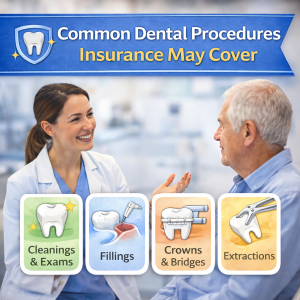
Dental insurance typically serves as a financial cushion for a variety of dental care needs. It primarily emphasizes preventive dental care, covering routine services such as cleanings, exams, and X-rays. This preventive focus is critical because regular dental visits can help identify potential issues before they escalate into more severe, costly problems. Many plans also include basic services, which cover treatments like fillings and simple extractions. This aspect of coverage is designed to manage minor dental issues that, if left untreated, could lead to more significant complications.
While preventive and basic services are the core of most dental coverage, plans often extend their benefits to cover major procedures. These can include more complex treatments such as crowns, bridges, or root canals. However, the extent of coverage for these services typically hinges on the specifics of the individual insurance plan and provider. It’s also important to consider the concept of a waiting period, common in many plans, which specifies the duration one must wait before certain benefits become active. Some plans, however, are designed to bypass these waiting periods, offering immediate access to a broader range of services.
Insurance plans differ in terms of network requirements and providers, which can affect accessibility and cost. For instance, PPO (Preferred Provider Organization) plans offer a degree of flexibility in choosing dental service providers, often reducing out-of-pocket costs when network providers are chosen. Understanding these nuances not only helps in choosing the right plan but also in maximizing the insurance benefits available to you. By carefully selecting a plan, particularly one that minimizes waiting periods, seniors can ensure they have access to essential dental services when needed without facing undue financial strain.
Common Services Included in Dental Insurance
Diving deeper into dental insurance coverage, we find a wide array of services typically included in most plans. These services are crafted to ensure that both preventive and necessary dental treatments are accessible and affordable. Preventive services, as mentioned, are paramount, comprising routine cleanings, fluoride treatments, and simple exams, all of which are pivotal in maintaining oral health and catching early signs of decay or other issues. Regular access to these services can act as a safeguard against more serious dental problems, aligning perfectly with the needs of many seniors who might want to avoid costly interventions later.
Beyond regular maintenance, dental insurance plans also cover a variety of basic services. These often include procedures like tooth fillings, extractions, and other minor dental repairs. Such inclusions are essential, as they address common dental issues that, if overlooked, can evolve into something more problematic. It’s here that plans offering flexibility, like those with no waiting periods, can be exceptionally beneficial, as they allow immediate access to care once the plan is active.
Major services are another critical aspect, often essential for those needing more advanced dental work. This category typically covers more extensive procedures such as dentures, bridges, and implants, though the scope of coverage can vary widely. The financial impact of these treatments can be significant, and having insurance that supports them can alleviate a large portion of the cost burden. Some plans are designed with special clauses that help manage the cost of these major procedures, providing essential support without long waiting periods.
Exploring various insurance options and understanding the specific services covered can empower seniors to make smart decisions about their dental health and financial planning, ensuring comprehensive care is both attainable and sustainable.
Specific Plans: DeltaCare USA
DeltaCare USA stands out as a unique dental insurance option specifically designed to cater to diverse dental care needs. We’ll delve into how DeltaCare USA fits into wider dental insurance options, detailing what makes it a viable choice for seniors. Understanding the specifics of this plan can assist in making informed decisions about dental coverage that aligns well with both immediate and long-term oral health needs.
| Plan Feature | Coverage Details | Network & Costs |
|---|---|---|
| Comprehensive Network | Includes preventive care like exams and cleanings | Utilizes an extensive network of participating dentists |
| Preventive Focus | Covers diagnostic and preventive services in full | No copay for examinations within the network |
| Affordable Pricing | Offers basic services such as fillings | Pre-negotiated rates minimize out-of-pocket expenses |
| Major Services Option | Includes options for major procedures like crowns | Set fees for complex procedures, ensuring transparency |
| Emergency Coverage | Covers urgent dental care needs | Lower emergency costs when using network providers |
This table encapsulates how DeltaCare USA aligns affordability and wide-ranging coverage, aiding seniors in identifying a dental plan that best matches their oral health and financial needs.
How DeltaCare USA Fits Into Dental Coverage Options
DeltaCare USA is renowned for offering dental insurance plans that focus heavily on affordability and comprehensive care, making it an attractive choice for seniors seeking reliable dental coverage. With DeltaCare USA, enrolled members experience a streamlined approach to dental care. The plans typically feature a predefined network of providers, which means that dental care must be sought from approved dental professionals. This approach can significantly reduce costs, as services are offered at pre-negotiated rates, ensuring that members face predictable expenses.
Understanding how DeltaCare USA aligns with dental coverage options involves exploring its unique characteristics. Unlike typical dental insurance, DeltaCare USA often comes with no deductibles or annual maximums, allowing seniors to use their benefits consistently throughout the year. This structure can be beneficial for seniors on fixed incomes, offering financial predictability and peace of mind when budgeting for dental care. Preventive care, like regular check-ups and cleanings, generally comes with little to no out-of-pocket costs, emphasizing the plan’s commitment to maintaining oral health by catching issues early.
For those requiring more than preventive care, DeltaCare USA covers numerous basic and major services. Such coverage may include fillings, crowns, and dentures, though members should review plan specifics to understand associated costs and any applicable exclusions. Waiting periods are worth noting; while DeltaCare USA may have certain timeframes affecting the commencement of coverage for some services, it generally offers immediate access to many essential dental services.
Seniors considering DeltaCare USA should also compare it with other options like Delta Dental and Cigna Dental, focusing on differences in coverage, network limitations, and overall cost-effectiveness. By doing so, they can pinpoint the plan that best suits their healthcare needs and financial circumstances. Ultimately, DeltaCare USA’s structured approach to dental insurance serves as an excellent fit for those looking for a balanced blend of wide-ranging coverage and affordability.
To dig deeper, consider these notable advantages of selecting DeltaCare USA for your dental coverage needs:
- Predictable costs with set copayments for most procedures
- No deductibles or maximums on coverage
- Access to a wide network of dentists for quality care
- Simple claims process and easy-to-understand benefits
- Emphasis on preventive care to promote oral health
These highlights underscore how DeltaCare USA caters to comprehensive and affordable dental care solutions tailored for seniors.
Finding a dental insurance plan without waiting periods can be a relief for many seniors. It offers the chance to receive necessary dental care without delays. Always consider your specific needs, budget, and provider options when choosing a plan. Remember, coverage details and costs may vary depending on your location. Exploring plans with PPO networks might provide more flexibility and access to preferred dentists. Enter your ZIP code on our website to see available options in your area, helping you find a plan that meets your dental care needs.
Compare Dental Plans
Frequently Asked Questions
What benefits do PPO dental plans offer to seniors?
PPO dental plans provide flexibility in choosing dentists and typically cover a significant portion of diagnostic and preventive services such as cleanings and exams. They also help reduce costs for major treatments like crowns and dentures, making them a convenient option for seniors.
Why are dental insurance plans with no waiting periods important for seniors?
Dental insurance plans with no waiting periods allow seniors to access necessary dental services immediately, such as fillings and preventive exams, which can help address urgent dental health needs without delay.
How does DeltaCare USA differ from other dental insurance options for seniors?
DeltaCare USA focuses on affordability with a defined provider network, offering dental services at predictable costs without deductibles or annual maximum limits. Preventive care is emphasized, making it a useful choice for seniors on fixed incomes looking for financial stability in dental care.
What types of dental services are typically covered by dental insurance policies?
Most dental insurance policies cover a range of services, including preventive care like cleanings and exams, basic services such as fillings and extractions, and major procedures like crowns and dentures. Coverage specifics can vary by plan and provider.
How do seniors benefit from dental insurance with no waiting periods?
Dental insurance with no waiting periods allows seniors to receive immediate coverage for necessary treatments, helping to maintain oral health without facing unexpected expenses. This is especially beneficial for those who require prompt dental care.
Find & Compare Plans Online
ZRN Health & Financial Services, LLC, a Texas limited liability company

Russell Noga is the CEO of ZRN Health & Financial Services and the head content editor of several Medicare insurance online publications. He has over 18 years of experience as a licensed Medicare insurance broker helping Medicare beneficiaries learn about Medicare, Medicare Advantage Plans, Medigap insurance, and Medicare Part D prescription drug plans.