Finding the right dental coverage is important for seniors on Medicare. Understanding what Medicare Advantage can offer is key to making an informed decision. For 2025-2026, plans offer different levels of dental benefits, which may include basic cleanings, crowns, and fillings. It’s crucial to know how these plans operate, what they cover, and any limitations. This guide will help seniors navigate the latest Medicare Advantage dental options, highlighting important details to consider. By entering your ZIP code, you can explore plans available in your area, tailored to meet your dental health needs. For more information, check out our other articles, like our article Best Humana Dental Insurance for Seniors?


Dental Insurance Plans
for individuals and families
Dental Plans start as low as $12.00 per month





Best Dental Coverage for Seniors on Medicare
Key Highlights
- Medicare Advantage plans offer dental coverage, unlike Original Medicare.
- Plan variations include routine, preventive, and major dental services.
- Comparing provider networks and costs is crucial for dental coverage.
- Preventive care benefits can help prevent expensive dental issues.
- Enter your ZIP code to explore local Medicare Advantage options.
Compare Dental Plans
Understanding Medicare Dental Coverage
Navigating Medicare dental coverage can be challenging, especially for seniors trying to find the right balance between coverage and cost. While Original Medicare doesn’t generally cover dental services, there are Medicare Advantage plans that can offer a wider range of benefits, including dental care. It’s crucial to understand the specifics of Original Medicare and how Medicare Advantage plans can supplement your dental needs. This section will clarify what’s included under Original Medicare, how to leverage Medicare Advantage plans for comprehensive coverage, and how understanding your options can help you find the right dental plan.
Original Medicare and Dental Services
Original Medicare, comprised of Part A (Hospital Insurance) and Part B (Medical Insurance), primarily focuses on hospital visits, outpatient care, and preventive services. However, it’s important to note that dental services are not covered under Original Medicare unless they are deemed necessary during a hospital stay. For instance, if a medical condition requires dental surgery during an inpatient stay, the hospitalization may be covered, but the dental services themselves often aren’t. This lack of coverage leaves many seniors searching for additional options to meet their routine dental care needs, like cleanings, fillings, and dentures.
Given these limitations, many seniors turn to alternative forms of dental insurance or enroll in supplemental dental plans to cover these costs. While Original Medicare sets the foundation for your healthcare needs, understanding these exclusions becomes crucial in planning for dental health expenses. Exploring other available options can aid in creating a balanced approach to your overall healthcare strategy.
For those relying on Original Medicare, seeking dental services often means paying out-of-pocket for preventive and routine care, which can quickly add up. This out-of-pocket expense stresses the importance of Medicare Advantage plans or separate dental insurance policies, which can lessen the financial burden significantly. Understanding these key differences and potential gaps in coverage with Original Medicare helps in making informed decisions about dental care.
Medicare Dental Advantage Plans Explained
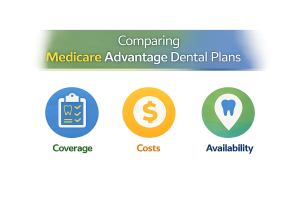
Medicare Advantage plans, also known as Part C, are an alternative to Original Medicare provided by private insurance companies. These plans must cover everything Original Medicare covers, with the added benefit of possibly providing dental care options. This makes them particularly appealing to seniors looking to manage their healthcare comprehensively. The added dental care provided by many Medicare Advantage plans can include routine services such as exams, cleanings, x-rays, and sometimes more extensive services like crowns or dentures.
When choosing a Medicare Advantage plan, one crucial aspect to consider is the network of providers. Unlike Original Medicare, Medicare Advantage plans typically operate within a network, meaning you’ll need to choose dentists that are part of the plan’s network to maximize benefits and limit out-of-pocket costs. Always verify the networks available when considering different policies to ensure you have access to preferred providers without added expenses.
The cost of a Medicare Advantage plan can vary based on the range of benefits provided, network limitations, and geographical location. Benefits, such as reduced costs on dental services, make these plans a potentially valuable option for those wanting comprehensive coverage. Some plans offer zero or low monthly premiums but might include co-pays or co-insurance for dental services, so assessing your budget and dental care needs becomes a central part of selecting the right plan for you.
In conclusion, Medicare Advantage plans provide a more expansive suite of services compared to Original Medicare, including additional dental benefits that can alleviate the cost of dental care for seniors. Understanding these differences and how plans vary by location and provider is essential for making an informed choice. Seniors and caregivers are encouraged to carefully compare the benefits, costs, and network choices provided by Medicare Advantage plans to ensure the best dental care strategy.
Exploring Advantage Plans with Dental Care
Advantage plans are an increasingly popular choice for seniors looking for expansive healthcare coverage, including dental care. Understanding the variety of dental services offered by these plans and the preventive and routine dental benefits available can help seniors make informed decisions. By examining the differences in dental care services provided and evaluating the routine benefits, seniors can select the right insurance plans to suit their needs and budgets. This comprehensive approach ensures a better understanding of how Medicare Advantage plans can help cover dental expenses effectively.
Differences in Dental Care Services Offered
Medicare Advantage plans, often provided through private companies like UnitedHealthcare or Humana, offer a variety of dental care services that can significantly enhance a senior’s healthcare strategy. One major variation among these plans is the range of dental services covered. Some insurance plans may provide comprehensive dental care, including preventive services, fillings, crowns, or even dentures and implants, while others might focus primarily on preventive care and routine exams. Understanding these differences is critical for seniors aiming to address their specific dental needs.
Part of making an informed decision involves assessing the network of dentists associated with a particular plan. Not all Advantage plans offer access to the same networks, and choosing a plan with a robust network is essential to maximize dental benefits and minimize out-of-pocket costs. Some plans might require you to choose from a specific network of providers, making it crucial to verify that your preferred dentist is covered to avoid unexpected expenses. By ensuring your dental care needs align with the network’s offerings, you can enjoy smoother, hassle-free healthcare experiences.
An additional consideration is the cost structure of Advantage plans. While some options might have low premiums, they may include higher co-pays or co-insurance amounts for certain dental services. Evaluating these cost factors, including deductibles, helps in planning your dental care budget effectively. Seniors can often find that the supplemental dental benefits in Advantage plans offer a valuable extension to Medicare by helping reduce dental service costs significantly. This makes understanding the nuances of each plan’s benefits critical in choosing the right dental insurance coverage.
Preventive and Routine Dental Benefits
Preventive and routine dental care is fundamental to maintaining good oral health and can be crucial in preventing more severe dental issues down the line. Many Medicare Advantage plans provide a spectrum of preventive dental benefits, which can include routine exams, cleanings, and x-rays. These preventive measures play an essential role in catching potential issues early when they are typically easier and less expensive to treat. As a result, having coverage for these services is a significant advantage.
For seniors on a tight budget, understanding the scope of these preventive benefits can help in planning their healthcare expenses. Routine dental benefits not only aid in detecting dental issues early but often also extend to cover basic treatments like fluoride treatments and sealants, which prevent decay and improve oral hygiene. Seniors and caregivers looking into Advantage policies should ensure these routine services are comprehensively included to maintain a healthy and cost-effective dental care routine.
Coverage for routine dental care can vary widely among different Advantage plans, emphasizing the need for detailed comparisons between options. While some plans offer extensive preventive benefits at no extra cost, others may involve small co-pays or higher out-of-pocket expenses. It’s essential for seniors to weigh these costs against their healthcare needs. Comprehensive dental plans within Medicare Advantage can provide peace of mind and allow seniors to manage their dental health without financial burdens. By understanding what each plan entails, seniors can choose a coverage option that best fits their healthcare strategy.
Find & Compare Plans Online
Cost Considerations for Seniors
Understanding the cost implications of dental coverage is essential for seniors navigating Medicare Advantage plans. With dental services not typically covered under Original Medicare, evaluating affordability and budget becomes critical. We’ll explore strategies for seniors to ensure dental coverage fits within their financial means, examining both minor and major dental work costs. This section will provide insights into how Medicare Advantage plans, along with supplemental options like Delta Dental, UnitedHealthcare, and Humana, approach costs, from premiums to deductibles and waiting periods, and offer tips to minimize out-of-pocket expenses.
| Plan Elements | Coverage Types | Financial Considerations |
|---|---|---|
| Premiums | Preventative Care | Out-of-Pocket Costs |
| Copayments | Minor Procedures | Network Flexibility |
| Deductibles | Major Dental Work | Annual Maximum Benefits |
| Network Providers | Additional Services | Cost Management Strategies |
This table succinctly captures the salient features of dental coverage options for seniors, focusing on how they balance costs and benefits within Medicare Advantage plans.
Evaluating Affordability and Budget
When considering Medicare Advantage dental coverage, seniors should evaluate affordability by carefully balancing their budget against the variety of dental insurance options available. A significant feature of Medicare Advantage plans is their ability to offer dental benefits that aren’t part of standard Medicare coverage. Plans like those from Humana or UnitedHealthcare often have different cost structures, including premiums, copayments, and deductibles. Evaluating these costs requires understanding your financial situation comprehensively and recognizing how such plans can integrate into your existing healthcare strategy.
Supplemental policies, which often include Delta Dental, can further assist in managing these expenses, providing additional coverage at potentially higher premiums or with specific coverage limitations. It’s crucial for seniors assessing these options to examine both the immediate costs and long-term value of the plans, considering how coverage factors like deductibles and waiting periods impact their overall healthcare budget. Comprehensive comparison of these insurance providers and their network capabilities can prove essential in finding a plan that’s both cost-effective and robust enough to meet dental needs.
Seniors aiming to control their dental care expenses should focus on plans with extensive networks that might reduce out-of-pocket costs by offering diverse in-network provider options. Assessing the flexibility of each plan’s network is vital to ensure preferred dentists are included, thus preventing unforeseen expenses. An evaluation that includes regular reviews of coverage specifics and potential benefits adjustments can help seniors maintain a health budget while ensuring they receive comprehensive dental care.
To continue the exploration of financial considerations for Medicare Advantage dental coverage, consider the following practical tips for evaluating plan costs:
- Analyze premium costs across multiple providers to find a competitive price that aligns with your financial goals.
- Consider the predictability and variability of copayments based on your typical dental needs.
- Evaluate the long-term costs versus benefits of higher deductibles for potential savings on premiums.
- Investigate network sizes to maximize in-network discounts and minimize out-of-pocket expenses.
- Check for any coverage limitations that might impact your unique dental care requirements.
- Assess the flexibility offered by plans to include your preferred dental professionals within their network.
- Explore the impact of waiting periods on immediate dental care needs and budget planning.
These strategies can assist seniors in making informed decisions while effectively balancing dental costs with overall healthcare expenses.
Understanding Costs of Major Dental Work
For seniors, understanding the costs associated with major dental work is an essential part of evaluating their overall dental coverage strategy. Medicare Advantage plans can provide enhanced coverage options that often include services like crowns, bridges, and dentures, which are otherwise not covered by Original Medicare. The costs for such major dental procedures can be substantial, making it necessary for seniors to choose a dental insurance plan that offers the best coverage to reduce these expenses.
Most Medicare Advantage plans offer some level of dental coverage, but the specifics can vary significantly. For instance, while some plans might cover a significant portion of the expenses associated with major dental work, others may only provide limited benefits, requiring higher out-of-pocket costs. It’s important to thoroughly review these plans side by side, focusing on coverage levels, network providers, and any potential waiting periods that might apply. UnitedHealthcare and Humana, for example, provide a variety of options designed to suit different healthcare needs and financial situations.
Additionally, seniors should also consider the potential impacts of policy terms, such as maximum allowable benefits on dental work, which can limit how much coverage they receive within a year. Understanding policy specifics, including any limitations on procedures per year, is crucial to minimizing unexpected costs. Collaborating with dentists under these plans to receive a detailed cost estimate for any major work can provide clarity and aid in financial planning.
Seniors who select plans with broader dental coverage could also benefit from additional features like coverage for dental implants, an option that can provide improved oral function and aesthetics but often comes at a higher cost. By considering these factors, seniors can make informed decisions to optimize their dental insurance coverage and better manage expected and unexpected dental care costs over the course of their plan.
Comparing Plans and Finding the Right Fit
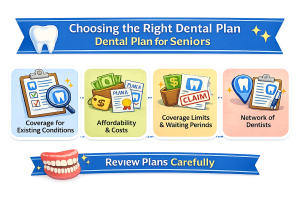
Finding the right dental coverage for seniors on Medicare involves understanding the various options available. Key to this process is comparing plans based on unique features such as the range of dental coverage and associated costs. Whether exploring Medicare Advantage plans or supplemental dental insurance policies, each option can vary greatly in terms of benefits, network providers, and cost structures. For seniors, identifying the best fit requires a careful analysis of these elements to ensure comprehensive dental care that matches their personal needs and budget.
How to Compare Plans Based on Coverage
Comparing plans for dental coverage involves several crucial steps, aimed at ensuring seniors receive the healthcare they need without exceeding their financial limits. First, it’s essential to evaluate the breadth of dental services each plan offers. Medicare Advantage plans, provided by private insurers like UnitedHealthcare and Humana, can vary significantly in terms of dental care, from preventive services to more comprehensive dental work like crowns or dentures. Seniors should carefully examine what specific services are included in their Advantage plan, as this determines how well their dental needs are addressed.
Next, consider the network of providers associated with each plan. Unlike Original Medicare, Advantage plans typically require seniors to choose dental care services from within a specified network. This means checking whether your preferred dentists are part of the network is crucial, as out-of-network services could significantly increase out-of-pocket costs. This aspect ties into finding the right fit, as having a broad network of providers can enhance accessibility and ease of scheduling important dental appointments.
Cost structure is another important factor when comparing dental insurance plans. Beyond the monthly premiums, examine costs such as deductibles, co-pays, and coinsurance. Some Medicare Advantage plans offer low premiums but might include higher deductibles or co-pays for dental services. It’s vital for seniors to understand these details to avoid unexpected expenses that could strain their budget. Additionally, checking for any waiting periods for major services is important to prevent surprise delays in coverage.
Supplemental policies, like those from Delta Dental, also offer additional advantages. While these may come with higher premiums, they can cover gaps left by standard Medicare Advantage dental plans. A detailed comparison of these supplemental options helps seniors decide if the added benefits justify the additional costs. Seniors should also verify if any potential out-of-pocket limits apply, as these could impact the overall value received from a particular plan.
Ultimately, selecting the right dental plan involves a personalized assessment of your specific needs, budget, and dental history. By weighing all these factors, coverage types, provider networks, and costs, seniors can make informed decisions that enhance their overall healthcare strategy, ensuring they are well-protected against dental expenses while maximizing the benefits offered by their chosen plan.
As you evaluate Medicare Advantage dental options for 2025-2026, focus on plans that align with your dental health requirements and budget. Assess benefits, compare coverage differences, and consider all available options. Remember, dental care needs vary, and finding a plan that meets your specific needs is essential. Use our website to research how plans function in your area. Enter your ZIP code on our site to learn more about available plans, recognizing that your location affects costs and coverage.
Compare Dental Plans
Frequently Asked Questions
What is the difference between Original Medicare and Medicare Advantage regarding dental coverage?
Original Medicare does not cover routine dental care, while Medicare Advantage plans can include dental benefits such as exams, cleanings, and sometimes more extensive services. This makes Medicare Advantage plans a valuable option for those seeking dental coverage.
How can seniors find Medicare Advantage plans with dental coverage in their area?
Seniors can explore Medicare Advantage plans specific to their location by entering their ZIP code on resource sites like Bestdentalinsurance.org. This allows them to view available plans and the dental services they cover.
What types of dental services might be covered under Medicare Advantage plans?
Medicare Advantage plans can vary but often include coverage for preventive care like cleanings and exams, as well as more substantial procedures like crowns and fillings, depending on the plan specifics.
Why is it important to consider the provider network when choosing a Medicare Advantage plan?
Medicare Advantage plans typically operate within a provider network. Choosing a plan with a broad network ensures access to preferred dentists, helping to minimize out-of-pocket costs for dental care.
What cost factors should seniors consider when evaluating Medicare Advantage plans?
Seniors should consider premiums, co-pays, deductibles, and any additional out-of-pocket expenses. Comparing these costs against the dental benefits offered helps in selecting a plan that fits their budget and healthcare needs.
Find & Compare Plans Online
ZRN Health & Financial Services, LLC, a Texas limited liability company

Russell Noga is the CEO of ZRN Health & Financial Services and the head content editor of several Medicare insurance online publications. He has over 18 years of experience as a licensed Medicare insurance broker helping Medicare beneficiaries learn about Medicare, Medicare Advantage Plans, Medigap insurance, and Medicare Part D prescription drug plans.