Aetna Dental Copay and Coinsurance Explained

Understanding dental coverage options like Aetna’s copay and coinsurance can help seniors make informed decisions about their dental care. These two terms refer to sharing the cost of dental services between you and your insurance provider.

Knowing how Aetna’s approach affects what you pay for common services like cleanings or fillings makes managing expenses easier.

This page explores the details of copay and coinsurance, highlighting what services typically fall under each, so you can plan accordingly.

By grasping these concepts, you ensure you get the dental care you need while keeping costs manageable.

Key Highlights

  • Aetna dental insurance covers a wide range of services, focusing on preventive, basic, and major care.
  • Understanding copay and coinsurance helps manage dental expenses under Aetna plans effectively.
  • Aetna Dental DMO emphasizes primary care with set copayments, offering cost predictability.
  • PPO plans provide flexibility with in-network and out-of-network dentist choices, affecting cost.
  • Coverage varies by geographical location, influencing service access and costs under Aetna plans.

Compare Plans In One Step!

Introduction to Aetna Dental Insurance

Understanding dental insurance can often be a daunting task, especially when considering a variety of plans like those offered by Aetna.

Aetna dental coverage provides various options that cater to different needs, focusing on maintaining dental health through comprehensive coverage and manageable costs.

In this introduction, we explore what Aetna dental insurance includes, the meaning of copays and coinsurance, and how these elements work together to offer a network of dental services.

Through clear explanations, this guide aims to provide a deeper insight into Aetna’s approach to dental care.

What Does Aetna Dental Cover?

Aetna dental insurance typically covers a broad range of dental services designed to maintain oral health and address dental issues as they arise. Depending on the specific Aetna plan you choose, coverage may include routine care such as cleanings, X-rays, and exams.

These preventive services are pivotal because they help detect potential dental problems early, avoiding more costly treatments later. Additionally, most Aetna plans extend coverage to basic and major dental services, including fillings, root canals, and crowns.

Such coverage ensures that essential procedures do not impose a heavy financial burden on policyholders.

Many Aetna dental plans also cover more advanced procedures like dentures and dental implants. However, it’s important to verify whether these services have a waiting period, as some Aetna Medicare options might have certain conditions.

Additionally, Aetna’s network offers the flexibility to choose from a vast array of dentists, which can influence the costs depending on whether you opt for in-network or out-of-network services.

Choosing in-network providers typically results in lower out-of-pocket expenses.

Understanding the details of your Aetna dental plan can make a significant difference in how you access dental services. By familiarizing yourself with what is covered, you can plan appointments and treatments more efficiently, preventing unexpected costs.

Moreover, Aetna offers resources to help you find the right dentist within its network, ensuring you maximize your dental insurance benefits.

Whether you’re looking for routine care or more extensive treatment, understanding Aetna’s offerings can guide you towards better oral health decisions.

Understanding Copay and Coinsurance

Understanding Copay and Coinsurance in Aetna Plans

When navigating Aetna dental insurance, understanding copay and coinsurance is crucial. These two factors dictate how much you will be responsible for paying out of pocket when receiving dental services.

A copay, or copayment, is a fixed amount you pay for specific services. For example, you might have a $20 copay for a routine dental cleaning. This fee is paid at the time of service and remains constant, regardless of the actual cost of the procedure.

On the other hand, coinsurance is the percentage of costs you’re responsible for after your deductible has been met.

For instance, if you have a 20% coinsurance rate, Aetna will cover 80% of the cost of certain dental services, leaving you to pay the remaining 20%.

It’s important to note that your specific Aetna plan will outline these percentages, and they can vary based on the category of service, such as preventive, basic, or major care.

Understanding these terms is essential because they directly impact your overall dental expenses. For seniors and caregivers, this knowledge empowers you to budget effectively and avoid unexpected high bills.

Aetna also provides detailed explanations of these costs in its plan documents, reinforcing its commitment to transparency and member education.

By familiarizing yourself with terms like copay and coinsurance, you can make informed decisions about your dental care, ultimately leading to a better-managed budget and increased confidence in your dental insurance plan.

Remember, while the terminologies might seem complex at first, Aetna strives to make dental coverage as clear and supportive as possible, ensuring you focus more on your dental health and less on financial concerns.

Typical Dental Services Guide:

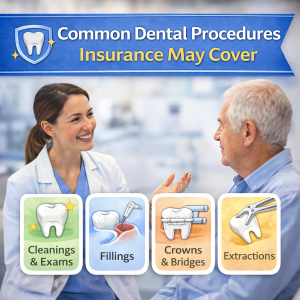
  • Preventive care: Often includes exams and cleanings with low copays or coinsurance.
  • Basic services: Coverage may apply to fillings and extractions, with moderate out-of-pocket responsibilities.
  • Major procedures: Treatments like crowns may have higher coinsurance percentages, resulting in more significant costs.
  • Orthodontics: Coverage varies and could involve distinct coinsurance rates or specific conditions for eligibility.
  • Emergency care: Discusses unexpected dental work that could influence out-of-pocket expenses under your plan.
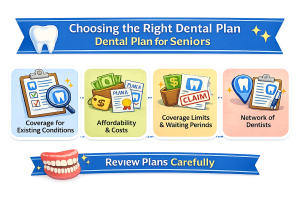
  • Annual limits: Explains maximum coverage amounts per year to anticipate out-of-pocket expenses.
  • Network dentists: Highlight potential savings by choosing dental providers within Aetna’s authorized network.

This guide enhances your understanding, ensuring you are well-prepared to handle your dental care expenses effectively.

Types of Aetna Dental Insurance Plans

Aetna offers a range of dental plans designed to meet varying needs, emphasizing flexibility and comprehensive coverage. Two primary options to consider are the Aetna Dental DMO and the traditional Aetna PPO plans.

Each plan provides unique benefits and structures, from network choices to cost management strategies. Understanding these types of Aetna dental plans can aid in selecting the one that aligns best with your dental care needs.

Let’s delve deeper into what each plan offers and how they can meet your dental health requirements efficiently and effectively.

Explore the Aetna Dental DMO Plan

The Aetna Dental DMO (Dental Maintenance Organization) plan offers an innovative approach to dental coverage by focusing on preventive care and cost efficiency. With a dental DMO plan, you must select a primary care dentist within the Aetna network.

This dentist becomes your first point of contact for all dental services, managing your care and referrals if necessary. This structured focus on primary care ensures continuity and a comprehensive understanding of your specific dental health needs.

One of the major benefits of the DMO plan is its emphasis on cost predictability. Unlike other plans where you’re faced with varying coinsurance rates, the DMO operates on a copayment system.

This means you have a set fee for services, making it easier to budget without unexpected costs. For instance, routine dental services such as cleanings and exams generally have low copayments, encouraging regular visits and early prevention.

Preventive services play a crucial role in maintaining oral health, and with the DMO plan, these are often covered thoroughly.

Aetna plans also aim to make advanced dental services accessible. Though the Aetna dental DMO emphasizes preventive and routine care, coverage extends to effective management of major services, though a referral might be needed.

While you have to stay within the Aetna network, the network’s breadth means access to many qualified dentists, ensuring quality care is within easy reach.

These defining attributes of the DMO plan focus heavily on simplicity and satisfaction from a cost and care perspective, making it an appealing choice for those looking for straightforward coverage.

It’s important to remember that while the dental DMO plans provide structured care with an emphasis on primary dentist relationships and predictability, it might mean less flexibility in choosing specialists without referrals.

Nevertheless, for seniors who prioritize clear, understandable costs and appreciate structured guidance within a consistent care framework, Aetna’s DMO plans offer a reliable choice.

Understanding the scope of services from preventive to major can enhance your confidence in making dental health decisions.

Understanding the Traditional Aetna PPO Plan

The Aetna PPO (Preferred Provider Organization) plan is designed for those who seek flexibility in their dental care options.

One of the standout benefits of the Aetna PPO plan is the freedom it offers to choose any dentist, whether in-network or out-of-network.

However, it’s worth noting that choosing in-network dentists typically results in lower costs due to negotiated rates with Aetna network providers.

This plan structure often appeals to patients who may have longstanding relationships with specific dental professionals and want the flexibility to maintain those relationships.

The PPO plan balances cost and choice with its coverage structure. Patients involved in this plan see coverage for a wide array of dental services, ranging from preventive services to complex procedures.

Preventive services are often covered at a higher percentage, emphasizing early detection and care. For preventive care like cleanings and exams, co-pays might be minimal or nonexistent, encouraging regular maintenance of dental health.

Basic and major services, such as fillings, crowns, or even specialized treatments, typically require meeting a deductible first and are subject to coinsurance, which splits the cost between you and the insurance provider.

Aetna’s PPO plans also stand out for their comprehensive access to dental services without needing primary dentist referrals. This transparency and openness can ease the process of accessing specialists or advanced procedures without the extra step of approvals.

It ensures continuity and convenience, crucial for seniors or those with specific care preferences or specialists they prefer.

While premiums for a PPO plan might be higher compared to a DMO plan, the payoff in flexibility and choice can be worth it for many.

This plan reflects Aetna’s commitment to catering to diverse needs, balancing cost control with personal choice.

For seniors or caregivers evaluating Aetna’s array of plans, the PPO provides outstanding benefits and details within coverage, allowing individuals to make informed, confident decisions about their dental care.

Assessing these factors helps ensure the PPO plan aligns with both personal health goals and financial plans.

Find & Compare Plans Online

Speak with a licensed insurance agent

1-833-667-3396TTY 711

Mon-Fri: 8am-9pm ET

Navigating Aetna Coverage Details

Understanding the intricacies of Aetna dental coverage can make a significant difference in managing your dental care effectively and affordably.

Aetna plans are designed to provide comprehensive dental coverage, but it’s important to know exactly what they cover and the potential limitations.

Equally, understanding how coverage can differ by location can help you make informed decisions about your dental needs.

Exploring these aspects further will empower you to utilize your Aetna dental plan to its fullest potential, ensuring you receive the best care while managing costs efficiently.

What is Covered and What Might Not Be Covered

What is Covered and What Might Not Be Covered

Aetna dental plans generally offer extensive coverage, tailored to different levels of dental care needs. Most Aetna dental plans include preventive services such as routine cleanings, exams, and X-rays.

These are foundational services that help maintain oral health and detect potential issues early on.

Individuals benefit from these services as they are often covered at a higher percentage, sometimes with no copays, encouraging regular dental visits and fostering proactive health care decisions.

Additionally, basic services, like fillings and root canals, as well as major services, such as crowns and oral surgeries, are often included.

Each of these services plays a vital role in addressing diverse dental care aspects, from simple cavities to more intricate dental procedures.

Despite this wide-ranging coverage, it’s imperative to understand that not all services will be covered, and some might have waiting periods.

Advanced dental procedures like braces or cosmetic treatments, such as teeth whitening, may not be covered under standard Aetna plans.

These types of services often fall outside of essential or medically necessary categories and can be subject to additional costs or exclusions.

It’s crucial to review your specific Aetna plan details to know what’s covered and what services might incur higher out-of-pocket expenses.

In understanding Aetna plans, patients should also be aware of the terms copays, deductibles, and coinsurance, which define how costs are shared between you and Aetna.

Typically, preventive services have low to no copays, but basic and major services involve cost-sharing elements like deductibles and coinsurance.

Being clear about these aspects will help in budgeting and anticipating potential costs when planning for anticipated dental work.

Patients are encouraged to use Aetna’s network of dentists, which often results in reduced costs through negotiated rates.

When using out-of-network dentists, costs might be higher, as these providers haven’t established the same agreements with Aetna, leading to more significant out-of-pocket expenses for patients.

By thoroughly reviewing plan details, patients can ensure that they anticipate which services are financially favorable and which ones might require additional financial planning.

A holistic understanding of Aetna’s coverage can greatly enhance one’s ability to approach dental care decisions confidently and avoid unexpected financial burdens.

This preparation aids in maximizing the benefits of your dental plan, ensuring comprehensive coverage while maintaining control over dental expenditures.

How Aetna Coverage Varies by Location

The coverage offered by Aetna dental plans can also be influenced by geographic location, which plays a critical role in determining the availability and costs of services.

Aetna’s network comprises many dental professionals and clinics, but the density and variety of these can differ significantly depending on where you reside.

For instance, urban areas might have a more extensive range of participating dentists and specialists, while rural areas may offer fewer in-network providers. This variability can impact both the choice and the cost of dental services available to you.

Considering this, it’s essential to verify your coverage specifics based on your zip code. Location-specific details can determine nuances such as the types of services that are more accessible or the range of facilities providing certain specialized treatments.

This geographical variation can also affect how Aetna’s network agreements adjust to accommodate local market rates, influencing the cost-effectiveness of seeking care either in-network or out-of-network.

In addition to network considerations, the scope of preventive services and the rates of premiums can be location-dependent.

Some areas may have greater incentives for using local services, potentially reducing premiums or adjusting copay structures to encourage regular usage.

This adaptability means that where you live not only impacts access but also potentially the affordability of certain dental services. Understanding these location-based differences is crucial for managing your dental care efficiently.

Being informed about how location affects your plan helps you choose appropriate services and plan financially for your dental needs.

When relocating, reviewing Aetna’s regional network and services is advised to ensure continuity in your dental health management and to avoid unexpected discrepancies in coverage.

This thorough approach empowers you to align your dental insurance benefits with your personal health goals, irrespective of geographic changes.

Ultimately, a well-rounded understanding of how Aetna coverage varies by location can guide you in selecting the right providers and taking advantage of local resources.

This knowledge helps ensure that you maximize your dental health benefits and maintain optimal oral care, regardless of your physical location.

By integrating this information into your dental care planning, you can confidently manage your health needs within the scope of your Aetna insurance plan.

Choosing the Right Aetna Dental Plan for You

Choosing the Right Aetna Dental Plan for You

Finding the best dental plan requires evaluating what Aetna offers in terms of coverage, costs, and network flexibility. Aetna dental plans provide a variety of options tailored to meet diverse needs while emphasizing comprehensive coverage and affordable access to dental services.

Whether you’re considering the Dental Maintenance Organization (DMO) plan or the Preferred Provider Organization (PPO), understanding the comparative costs, copays, and benefits is crucial in making an informed decision.

By exploring the specifics of each plan, you can better align your dental care requirements with the available insurance possibilities, ensuring an informed and confident choice.

Comparing Costs and Services in Aetna Plans

When considering Aetna dental plans, comparing costs and services is essential to determine the most suitable choice for your needs.

Aetna’s plans, including the Dental DMO and PPO, offer distinctive features regarding costs and coverage, impacting your out-of-pocket expenses and access to dental care.

Understanding the nuances between these plans can guide you in selecting the one that aligns with both your financial and healthcare priorities.

Aetna Dental DMO plans are renowned for their structured approach, focusing on preventive services and cost predictability.

With a DMO plan, you’ll select a primary dentist from Aetna’s network who will coordinate your care, ensuring a streamlined process for scheduling appointments and accessing services.

The primary advantage of this plan lies in its copayment system, where you pay a fixed fee for services, making it easier to budget and avoid unexpected costs.

Routine services such as cleanings and exams typically have low copayments, which can encourage regular dental visits and early prevention.

On the other hand, Aetna’s PPO plan offers greater flexibility with a wide choice of dentists, both in-network and out-of-network.

This plan structure is appealing if you value freedom in selecting healthcare providers or wish to maintain relationships with specific dentists. While the PPO plan often involves higher premiums than a DMO, the trade-off is increased choice and convenience.

Preventive services under the PPO might still have minimal copays, but basic and major services often require you to meet a deductible first, followed by coinsurance.

This cost-sharing setup means you’re responsible for a percentage of the service costs, typically ranging from 10% to 30%, after the deductible is met.

Flexibility within the PPO plan is beneficial if you foresee needing specialized dental care or value the ability to choose your dentist.

However, remember that in-network services usually incur lower costs due to negotiated rates, whereas out-of-network services can result in higher expenses. This aspect of cost management is a pivotal consideration when weighing your options.

Both Aetna plans provide comprehensive networks of dentists, ensuring access to quality care regardless of your preference.

The choice between a DMO and a PPO will largely depend on your financial flexibility, the importance of provider choice, and your anticipated dental care needs. If you prioritize cost predictability and straightforward care coordination, the DMO might suit you better.

However, if you lean toward flexibility and a broader network, the PPO offers significant benefits.

Understanding these cost structures and service differences empowers you to make informed decisions. Review specific plan details, considering your dental history, potential future needs, and financial situation.

By comprehensively assessing Aetna’s plans, you stand better positioned to optimize your dental insurance benefits and enhance your oral health management.

Enter your ZIP code on the website to explore your Aetna dental options further, realizing how plan specifics and local service availability can influence your ultimate choice.

Conclusion: Exploring Your Aetna Dental Options

As we’ve navigated the various aspects of Aetna dental plans, it’s clear that Aetna coverage offers a wide array of choices tailored to different dental health needs, ensuring you find a plan that fits your lifestyle and budget.

Whether you’re drawn to the structured, budget-friendly approach of the Dental Maintenance Organization (DMO) plan or the flexible, choice-oriented Preferred Provider Organization (PPO) plan, Aetna dental caters to both ends of the spectrum.

For those who prefer predictability in costs, the DMO plan, with its fixed copays, provides peace of mind. This plan emphasizes preventive services, ensuring routine cleanings and exams remain accessible, further aiding in maintaining long-term oral health.

Alternatively, if you value the liberty to choose among a wide network of dental professionals, the PPO plan might suit you better.

While it may involve higher premiums, the freedom to visit both in-network and out-of-network dentists offers flexibility that many find beneficial, especially for specialized care or maintaining existing dentist relationships.

Aetna dental plans also accommodate seniors, providing essential coverage for services ranging from basic to more involved procedures like dentures or implants.

It’s crucial to understand, however, that costs like copays and coinsurance will vary depending on the service type and your chosen plan. Being informed about these elements empowers you to manage dental care expenses efficiently, avoiding surprises.

Moreover, Aetna’s coverage capabilities extend beyond merely the type of service. They factor in geographical location, which can influence both the availability of network dentists and cost structures.

By entering your ZIP code on our site, you can explore these localized options, allowing for a more personalized dental plan choice.

In summary, understanding Aetna coverage deeply can significantly enhance your confidence in selecting the most appropriate plan. Carefully consider your health needs, budget, and location to find the best path forward.

Aetna plans are designed with flexibility and comprehensive care in mind, providing opportunities for everyone to receive the dental care they deserve.

Remember that with the right plan, maintaining oral health becomes less about navigating costs and more about improving your wellbeing.

Feel free to use our tools to compare Aetna dental plans today, ensuring you find the best match for your dental care needs.

Understanding Aetna’s dental copay and coinsurance can help you make informed decisions about your dental care. By familiarizing yourself with coverage details and limitations, you’ll know what to expect in terms of costs and services.

Remember, plans can vary based on location and provider, so it’s helpful to review your specific needs and compare options. For more detailed information on local plans, visit our website and enter your ZIP code to explore dental insurance options tailored to your area.

Compare Plans In One Step!

Frequently Asked Questions

What is the difference between copay and coinsurance in dental insurance?

A copay, or copayment, is a fixed amount you pay for specific services, like a routine cleaning. Coinsurance, on the other hand, is a percentage of the cost you’re responsible for after meeting your deductible. For example, if you have 20% coinsurance, you would pay 20% of the costs for covered services.

Example: Routine cleaning might have a $20 copay.

How does geographic location affect Aetna dental plan coverage?

The availability and cost of Aetna dental services can vary by location due to differences in in-network dentists and regional market rates. It’s important to check what services are accessible in your area and how this might affect the cost of your dental care.

What services do Aetna dental plans typically cover?

Aetna dental plans generally cover a range of services, including preventive care like cleanings and exams, basic services such as fillings, and major services such as crowns and root canals. It’s important to verify your specific plan details to understand the extent of coverage.

Are there any waiting periods for services under Aetna dental plans?

Yes, some Aetna plans might have waiting periods for certain services, especially major procedures like dentures or implants. It’s crucial to review your plan to see if waiting periods apply to any services you may need.

What is the key difference between Aetna's Dental DMO and PPO plans?

The Aetna Dental DMO plan requires you to choose a primary dentist within its network and offers cost predictability with set copayments. The PPO plan, however, provides more flexibility to see any dentist without a referral, though costs can vary based on whether the dentist is in-network or out-of-network.

Have Questions?

Speak with a licensed insurance agent

1-833-667-3396

TTY users 711

Mon-Fri: 8am-9pm ET

Find & Compare Plans Online

Speak with a licensed insurance agent

1-833-667-3396TTY 711

Mon-Fri: 8am-9pm ET

ZRN Health & Financial Services, LLC, a Texas limited liability company