Copayments and Deductibles Dental Insurance Seniors

Understanding copayments and deductibles is essential when exploring dental insurance options for seniors. These components affect out-of-pocket costs and vary by plan.

Copayments are fixed fees for specific services, while deductibles are the amount one pays before insurance starts covering expenses. Knowing how these work helps in choosing a plan that matches needs and budget.

This page provides simple explanations and examples, making it easier for seniors to navigate dental insurance decisions confidently. Dive in to learn crucial details that ensure informed, comfortable choices for your dental health coverage.

Key Highlights

  • Copayments are fixed fees for services; deductibles are paid before coverage begins.
  • Understanding copayments and deductibles helps seniors choose plans that fit their budget and needs.
  • Standalone and group dental plans offer different benefits and constraints.
  • Preventive services are often fully covered and help avoid costly treatments.
  • Seniors should verify their dental plans’ network coverage to manage costs effectively.

Understanding Dental Copayments and Deductibles

Navigating dental insurance can be daunting, particularly when dealing with terms like copayments and deductibles. These are fundamental aspects of any insurance plan, directly affecting how much you’ll pay out-of-pocket for dental services.

A clear understanding of copayments and deductibles can simplify how dental insurance works, helping you anticipate costs and manage your dental coverage effectively. Understanding these key financial components enables you to make informed decisions when selecting an insurance plan.

Let’s delve into what each term means and how they impact your dental treatment costs.

Compare Plans In One Step!

What Are Copayments in Dental Insurance?

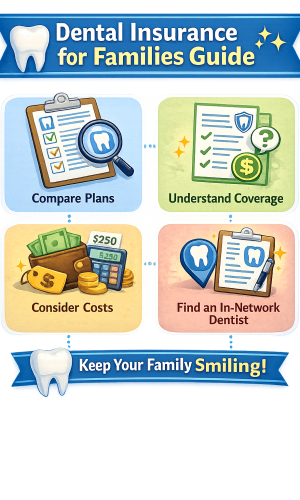
dental insurance for families guide

A copayment, often referred to as a copay, is a fixed amount you pay for a specific service or treatment under your dental insurance plan. It represents your share of the cost after your coverage has been applied.

For instance, for a routine dental exam, you might have a copayment of $20. This means you’ll pay $20 at the time of service, and your insurance covers the rest.

Copayments are usually required for basic dental services like exams, cleanings, and sometimes treatments like fillings or extractions, though this varies by insurance plan.

It’s important to know that not all insurance plans include copayments for all services; some might cover preventive services without requiring a copayment at all.

Copayments help control funding for both insurers and insured individuals by sharing the cost burden. They vary substantially between plans, so comparing these amounts across different dental insurance coverage options is crucial.

Lower copayments might seem appealing, but they often accompany higher monthly premiums, impacting overall plan affordability. Conversely, higher copayments often align with lower premiums, a trade-off to consider based on your expected dental service usage.

When assessing potential dental insurance, consider the frequency with which you might need certain dental services. If you anticipate needing more extensive care, opting for a plan with a reasonable balance between monthly premiums and copayments might be wise.

Understanding your copayment responsibilities can prevent unexpected surprises at the dentist’s office. Always review your plan’s specific copayment requirements, especially the services covered and those with no copayment, to effectively budget your dental expenses.

It’s useful to regularly evaluate these factors as your oral health needs might change, allowing you to adapt your dental insurance to suit your evolving requirements. More predictable costs can contribute to better budget management, avoiding stress and financial strain related to necessary dental treatment.

Confidence in knowing how copayments affect your coverage can enhance your experience with dental insurance, allowing you to focus on maintaining your oral health without worrying excessively about affordability.

How Deductibles Impact Your Dental Coverage

Deductibles are another crucial element of dental insurance that can significantly affect your treatment costs. A deductible is the amount you’re required to pay out-of-pocket before your insurance plan starts covering certain costs.

In the context of dental insurance, deductibles apply annually and vary based on the specifics of your insurance plan. For example, with a $100 deductible, you’ll need to pay the first $100 of covered services out of your pocket before insurance benefits kick in.

Once you’ve paid the deductible, your dental insurance starts contributing to the costs, often covering a substantial portion depending on the type of service and the level at which your plan covers it.

The concept of deductibles helps balance the risk insurers take on and encourages insured individuals to manage their dental health proactively. Knowing how your deductible works can prevent potential confusion when you’re billed for more significant dental procedures.

Deductibles typically do not apply to all dental services uniformly. Preventive services such as cleanings and check-ups might be exempt, meaning they could be covered without you needing to meet your deductible first.

However, more complex procedures like crowns or root canals usually require the deductible to be met beforehand.

It’s beneficial to consider the relationship between deductibles and premiums when selecting a dental insurance plan. Plans with higher deductibles often feature lower premiums, which might be advantageous if you expect minimal dental treatment.

On the other hand, if you anticipate requiring extensive dental work, a lower deductible could provide more immediate financial benefit despite a potentially higher premium.

Regular assessment of your dental insurance needs and understanding how deductible choices impact your expenses can enable better financial planning.

Engaging with your insurance provider and asking clarifying questions about deductible specifics can also be insightful. Inquiring about which services apply to the deductible, how much is covered post-deductible, and understanding the overall structure of your insurance plan pays off in reducing misunderstandings.

Managing these nuances empowers you to make informed choices that reflect your healthcare needs and financial situation. Such proactive management transforms how you view and use your dental insurance, enhancing your satisfaction and peace of mind regarding dental care.

Types of Dental Plans for Seniors

Choosing the right dental plan is crucial for seniors looking to maintain their oral health and manage costs effectively. Understanding the different types of dental plans available can help make informed decisions.

Standalone dental insurance and group plans offer varied benefits, while plans with differing coverage levels cater to specific needs.

Exploring these options ensures seniors can find coverage that fits their circumstances, whether they’re interested in comprehensive dental services, specific coverage needs, or cost-saving strategies like discount dental plans.

Comparing Standalone Dental Insurance and Group Plans

Senior dental insurance options primarily fall into two categories: standalone dental insurance and group plans. Standalone dental insurance is a popular choice for individuals who are not part of a group or whose Medicare plan lacks dental benefits.

This type of dental insurance is purchased independently from any other insurance plan, providing flexibility in selecting providers and coverage levels according to personal preferences.

Many seniors appreciate the autonomy these plans afford, allowing them to opt for coverage that specifically addresses their unique dental needs. Standalone dental plans provide a broad range of dental coverage, including preventive services, basic care, and major procedures, ensuring seniors can maintain their dental health effectively.

On the other hand, group dental plans are generally offered by employers or associations. While these plans can offer significant cost savings due to group purchasing power, they often come with less flexibility.

The advantage here lies in reduced premiums and out-of-pocket costs, as group plans typically negotiate prices for members who might otherwise face higher rates individually.

The trade-off, however, is that seniors might find themselves constrained by the specific coverage options and provider networks determined by the group plan.

When comparing these two options, seniors should carefully evaluate their dental health needs alongside budget considerations. Standalone dental plans can seem attractive with the prospect of tailored coverage, but it’s essential to examine the specific benefits and limitations each plan provides.

Similarly, group dental plans should be assessed for their cost efficiency and how well they meet individual care needs. Both plans require seniors to balance their priorities, such as cost, coverage scope, and personal provider preferences.

Engaging with various dental insurance companies can provide insights into what each type of plan offers, allowing seniors to make an informed choice that aligns with their health and financial goals.

add dental coverage to medicare

Exploring Dental Plans with Different Coverage Options

Dental plans come with various coverage options, offering seniors the flexibility to choose a plan that best meets their dental care needs. Understanding these options is critical, especially for seniors managing dental care on a fixed income.

Commonly, dental insurance plans include preventive, basic, and major services. Preventive services often cover routine cleanings and exams, essential for maintaining oral health and catching issues early.

These services are typically covered at 100%, meaning no out-of-pocket costs for the insured, and can be a major selling point for seniors looking to avoid unexpected expenses.

Plans also cover basic services, which include fillings, extractions, and periodontal treatment. Coverage for these services might involve a copayment or coinsurance, meaning the insured shares the cost with the insurance company.

On the other hand, major dental services, such as crowns, bridges, dentures, and implants, often require the patient to meet their deductible before coverage begins. These services might come with higher out-of-pocket costs, making it vital for seniors to understand their plan’s specifics to avoid financial surprises.

Delta Dental, Cigna, and AARP are known for offering comprehensive senior dental plans that include varied levels of dental coverage. Each insurance company has unique offerings, and it’s important for seniors to consider the trade-offs between premiums and the extent of coverage provided.

Some seniors might prioritize lower premiums if they expect minimal dental work, while others might opt for higher premiums to reduce out-of-pocket costs for anticipated major dental procedures.

Additionally, discount dental plans are an alternative that provides reduced rates for specific services through a network of providers, potentially benefiting those who require extensive dental work but want to manage costs.

Evaluating the scope of coverage and considering the flexibility of a dental plan’s network is essential for effective dental care management. Those accessing Medicare coverage should explore supplemental dental insurance options or those specifically designed for seniors, ensuring comprehensive coverage that Medicare might not fully provide.

Comparing dental PPO and HMO plans can also influence choices based on network flexibility and costs. Ultimately, seniors should assess their dental healthcare needs, financial situation, and personal preferences when exploring different dental plans, allowing for educated decisions that ensure oral health is maintained without financial strain.

Costs Involved in Dental Plans

Understanding the costs tied to dental plans is crucial for seniors aiming to manage expenses while ensuring proper dental care. When examining dental insurance options, it’s essential to consider copayments, deductibles, and the overall cost structure of insurance plans.

Each cost component affects how much seniors will pay out-of-pocket for dental services. Analyzing these financial elements helps seniors budget effectively, minimizing the risk of unexpected expenses and ensuring comprehensive dental coverage.

Let’s explore strategies to avoid surprise costs and the key budgeting approaches seniors need to navigate dental plans comfortably.

Compare plans and enroll online

Speak with a licensed insurance agent

1-833-667-3396TTY 711

Mon-Fri: 8am-9pm ET

Avoiding Unexpected Expenses for Dental Care

A key to avoiding unexpected expenses in dental care is understanding how different components of a dental insurance plan work. Seniors often experience surprise costs because they are not fully aware of their coverage limits, copayments, deductibles, and network rules.

To minimize surprises, thoroughly review your plan documents. These documents include essential details about what’s covered, what’s excluded, and what out-of-pocket costs, like office visit copays, you’ll encounter.

Carefully checking the policy specifics means you’ll better predict the costs of each visit or procedure.

Familiarizing yourself with the network of providers your plan supports is another vital step in managing costs. Using in-network dentists can significantly lower expenses compared to visiting out-of-network providers, thanks to negotiated rates that insurance companies secure.

Dental plans often include a directory where you can confirm whether your preferred dentist is in-network, helping to ensure cost savings. Checking this feature regularly, particularly if your plan updates or if you change locations, ensures you continue enjoying these benefits without surprises.

Moreover, understanding copayments and deductibles in your dental plan helps paint a clearer picture of financial responsibilities.

Copayments are usually fixed amounts covered each time for certain services, while deductibles are amounts you must pay before insurance kicks in, affecting how you budget for treatments like fillings or more complex services like crowns.

Plans may vary significantly in their policies regarding these costs; therefore, monitoring how they apply to your situation helps avoid unexpected dental expenses. Additionally, some insurers offer online tools to simulate potential costs for specific procedures, aiding in planning and preventing surprises when the bill comes.

Lastly, employing preventive measures can drastically reduce unforeseen dental costs. Regular dental check-ups, cleanings, and other preventive services often carry lower associated costs or might even be covered entirely under many plans without meeting a deductible.

These visits help detect potential issues early on, reducing the likelihood of costly treatments later. Investing time in understanding the preventive services section of your plan ensures you’re taking full advantage of the coverage benefits, aligning closely with cost management strategies.

For seniors particularly reliant on fixed incomes, leveraging all available resources within a dental plan is vital to managing finances effectively and avoiding unwelcome financial stress concerning dental care.

Compare Plans In One Step!

Budgeting for Dental Plans: What Seniors Need to Know

Dental Insurance Expenses

Budgeting for dental plans involves more than just understanding the premium costs, though these are certainly a primary factor. For seniors, planning must also encompass potential costs for out-of-pocket expenses, deductibles, and varying coverage levels across different services.

Knowing the intricacies of your dental plan allows you to forecast potential expenses, balancing expected dental care needs against financial constraints effectively. This planning is crucial, considering that healthcare costs, including dental services, can be unpredictable or change as oral health needs evolve.

First, consider the differences in cost structures among popular insurers like Delta Dental and Cigna. These companies offer varied plans with distinct levels of coverage, deductible options, and copayment structures.

Analyzing comprehensive estimates from your chosen provider underlines these differences and aids in selecting an insurance plan aligning with your financial goals. Compare these options carefully, focusing not only on the premiums but also on total costs based on likely dental service usage.

Doing so can clarify where monetary allowances might need adjustments to accommodate potential expenses for essential services like extractions or prosthetics.

A useful budgeting approach involves setting aside a contingency fund specifically for dental expenses. This safety net can help address costs if an unexpected procedure arises or if you’ve reached the maximum benefit limit of your plan.

Incorporating this fund into your broader financial plan accounts for indirect costs that might not be immediately evident, such as travel to specialists if a particular care requirement isn’t available locally.

Considering these logistics ensures preparation for both expected and unforeseen financial obligations regarding dental care.

Additionally, leveraging Medicare benefits effectively can be a strategic component of budgeting. While Medicare doesn’t typically cover routine dental services, understanding how supplemental insurance plans interact with Medicare can inform decisions about when and how to spend personal funds.

Some seniors might find value in supplemental plans designed to cover the gaps left by Medicare, freeing up budget space for other healthcare needs.

In summary, savvy budgeting for dental plans requires a thorough understanding of your specific coverage, an alignment of dental care needs with insurance plan offerings, and foresight into managing both expected and unexpected costs.

Engaging in these practices not only supports better financial management but also provides peace of mind. By maintaining a well-balanced budget, you can focus on enjoying life with the comfort of knowing your dental healthcare needs are securely managed and predictable.

Coverage Details in Dental Insurance Plans

Understanding what’s covered in dental insurance plans can greatly impact your overall health and financial peace of mind. Dental plans often include a variety of procedures, from basic cleanings to more complex treatments like crowns and dentures.

It’s important to know both the benefits and the limitations each plan holds. By examining common procedures covered and understanding the exclusions, seniors can make informed choices that align with their dental needs, helping them manage their healthcare costs effectively and reduce the risk of unexpected expenses.

Common Procedures Covered by Dental Plans

Dental insurance plans generally categorize procedures into preventive, basic, and major services. This categorization plays a significant role in understanding coverage levels and associated costs.

Preventive services such as cleanings, dental exams, and X-rays are often covered 100% under most dental plans. These routine check-ups are crucial for maintaining oral health and catching potential issues early before they become costly problems.

Seniors particularly benefit from these services as they can prevent more serious dental issues from developing, which could lead to expensive treatments. Insurers recognize that covering preventive services helps minimize the need for more extensive care down the line, saving costs for both the company and insured individuals.

Basic dental services usually include fillings, extractions, and periodontal treatment. Coverage for these procedures often requires a copayment or coinsurance, where the insured shares the cost with the insurance company.

This shared cost structure isn’t uniform across all insurance plans, varying significantly among companies like Delta Dental and Cigna. Understanding how each plan handles basic procedures can help seniors choose a plan that fits their specific oral health needs and financial situation.

Knowing these details upfront saves you from facing unexpected bills at the dentist’s office.

Major services cover more complex and costly procedures like crowns, bridges, dentures, and dental implants. These services typically involve meeting deductibles before insurance coverage begins.

It’s essential for seniors to be aware that out-of-pocket costs for major procedures can be substantial. Not all plans will cover these services fully, and some might have waiting periods before coverage takes effect.

Seniors should be particularly vigilant about understanding these aspects to accurately budget for their dental health needs.

The variance in coverage for major services makes it crucial to compare different dental plans carefully. Setting aside time to evaluate how your dental insurance plan aligns with your anticipated needs can save money and reduce stress in the long run.

Consider engaging with insurance companies to get a clearer understanding of what’s covered and at what cost. Asking questions regarding specific procedures and copayments helps you make informed decisions, providing clarity and confidence when seeking dental care.

Compare plans and enroll online

Speak with a licensed insurance agent

1-833-667-3396TTY 711

Mon-Fri: 8am-9pm ET

Understanding Limitations and Exclusions

Knowing what dental insurance plans don’t cover is just as important as understanding their benefits. Every plan has limitations and exclusions that can affect your overall dental care experience.

Common exclusions in dental insurance may include cosmetic procedures such as teeth whitening or orthodontics for adults. These are typically considered elective and not necessary for maintaining oral health, meaning they’re not usually covered by traditional dental plans.

Seniors should be mindful of these exclusions when choosing a plan, especially if they anticipate needing such services.

Plans may also have annual maximum benefit limits, which cap the amount the insurance company will pay for dental services in a year. Once this cap is reached, any additional costs must be paid out-of-pocket.

Understanding your plan’s annual limit helps budget effectively, especially if you expect to need extensive dental work. It’s wise to track your expenses throughout the year to avoid surpassing these limits unexpectedly.

Waiting periods are another consideration, impacting coverage for certain services until a specified time after the policy begins. This can include periods ranging from six months to a year for procedures like bridges or implants.

Knowing about waiting periods before selecting a dental plan is vital to avoid surprises when you visit the dentist expecting coverage. Plans with shorter waiting periods might come with higher premiums, which is another aspect to weigh against your budget and care needs.

Additionally, some dental insurance plans limit your choice of dentists by using network restrictions. These networks are groups of dentists who have agreed to provide services at reduced rates agreed upon with the insurance provider.

Visually, this might lower costs significantly if you stay in-network, but visiting an out-of-network dentist could result in higher out-of-pocket costs. Checking whether your preferred dentist is within the network can prevent unexpected bills and ensure you maintain continuity of care.

To make the best decisions, seniors should thoroughly examine each potential plan’s policy documents, focusing on these limitations and exclusions. An accurate understanding of what is not covered, the specifics of costs after limits are exceeded, and any waiting periods can guide you to a dental plan aligning with your medical needs and financial priorities.

Taking the time to research and understand all aspects of a dental insurance plan turns what can be a complex process into a more manageable part of your healthcare routine.

Find & Compare Plans Online

Speak with a licensed insurance agent

1-833-667-3396TTY 711

Mon-Fri: 8am-9pm ET

Choosing the Right Dental Plan

Choosing the right dental plan is vital for seniors looking to ensure comprehensive oral care and manage costs. With numerous dental plans available, it’s crucial to understand the array of options, such as standalone insurance and group plans, each offering unique benefits and coverage specifics.

Evaluating insurance plans effectively helps seniors align their dental care needs with their financial capacity, ensuring peace of mind and sound dental health. In the following sections, we’ll delve into the tips that seniors can utilize to evaluate dental plans effectively, providing insights into making informed decisions.

Comparing Dental Insurance Plans By Location

Tips for Seniors to Evaluate Insurance Plans

When it comes to choosing a dental plan, seniors have unique needs that require careful consideration of both coverage and costs. First, evaluate the type of dental plan that aligns with your dental needs, this can be crucial as you assess options like standalone or group insurance.

Standalone dental plans offer flexibility, allowing you to choose your preferred dentist and select coverage levels according to personal dental health needs.

It’s important to compare the benefits of these plans with group dental insurance offered through organizations like AARP, which might offer reduced costs due to group purchasing power but potentially limit network choices.

Network coverage should be a key focus as seniors explore insurance plans. Each insurance policy typically outlines a network of preferred dentists whose services are covered at in-network rates.

Staying within the network can considerably lower out-of-pocket costs, which is particularly beneficial for those on a fixed income. To avoid unexpected expenses, make it a priority to verify that your current dentist is in the network or, if necessary, find a new one covered by your plan.

Moreover, consider the extent of coverage provided, as plans offering expansive networks and more comprehensive coverage might better serve ongoing dental care needs but may come at a higher premium.

Benefits and deductibles also warrant close examination when selecting an insurance plan. Copayments, deductibles, and yearly coverage limits are vital elements impacting your total dental expenses.

Understanding how these factors interplay is crucial; typically, a plan with lower deductibles might feature higher premiums. If you anticipate needing extensive dental procedures, a lower deductible could provide more immediate financial benefit, despite the higher cost of premiums.

Alternatively, if you expect minimal dental work, balancing lower premiums and higher deductibles could be more advantageous. Carefully review plan documents to ensure you’re cognizant of what types of services are covered and excluded before making a decision.

Another consideration is the inclusion of preventive care. Many dental plans cover routine cleanings and exams, which are critical for maintaining oral health and preventing escalated issues that require costly treatments. Opt for a dental plan that offers strong preventive care benefits, potentially at no extra cost, as this can enhance oral health management without imposing significant financial strain.

Ensure you fully understand the preventive services covered by your insurance plan and any associated copayments or limitations.

Lastly, when deciding on a dental plan, customer service and claims processing times are significant yet often overlooked aspects. A plan that ensures prompt and clear communication, easy claim filing, and transparent policies will alleviate stress and provide peace of mind.

Reach out to potential providers like Delta Dental or Cigna to understand their service offerings better and how they can cater to senior dental coverage needs. Armed with these tips, seniors can confidently choose a dental plan that best fits their healthcare requirements and financial goals, bypassing financial pitfalls and maintaining optimal oral health.

Feel encouraged to enter your ZIP code on our website to explore dental insurance options tailored to your location.

When evaluating dental insurance plans, it’s important to enhance your decision-making process by considering the following essential questions and factors:

  • Do I need specialized dental services such as orthodontics or periodontics?
  • How frequently will I require dental visits or procedures throughout the year?
  • Are emergency services included, and how is emergency care covered?
  • Can I access dental care while traveling outside of my area or network?
  • What are the procedures for filing a claim, and how user-friendly is the provider’s platform?
  • Does the plan offer additional perks, such as discounts on non-covered services?
  • Are there any historical reviews or testimonials from other seniors about the plan?


By carefully examining these aspects, you can ensure a well-rounded evaluation and make a confident insurance decision that aligns with your health and financial plans.

Navigating the world of dental insurance can feel overwhelming. Knowing about copayments and deductibles can help. As a senior, it’s vital to find a plan that fits your needs and budget.

Copayments are fixed fees, while deductibles are amounts you pay before insurance begins coverage. Each plan has different terms, so comparing them is smart. Review options carefully to ensure the plan supports your dental care needs.

For further insight and personalized support, consider entering your ZIP code on our website to explore dental insurance options in your area. Remember, costs and coverage vary based on location.

Have Questions?

Speak with a licensed insurance agent

1-833-667-3396

TTY users 711

Mon-Fri: 8am-9pm ET

Frequently Asked Questions

What is the difference between a copayment and a deductible in dental insurance?

Copayments are fixed fees you pay for specific dental services, like a $20 fee for a routine exam, while deductibles are amounts you must pay out-of-pocket before your insurance begins covering costs, such as a $100 annual deductible.

Why is understanding copayments and deductibles important for seniors?

Knowing about copayments and deductibles helps seniors find plans that align with their budgets and healthcare needs, minimizing unexpected expenses while ensuring they receive the necessary dental care.

What benefits do standalone and group dental plans offer?

Standalone plans offer flexibility in choosing providers and coverage tailored to individual needs. Group plans, often offered by employers or associations, can offer cost savings but might limit provider choices.

Are preventive services covered by dental insurance plans?

Many dental insurance plans fully cover preventive services such as routine cleanings and exams, which are crucial for maintaining oral health and preventing expensive treatments.

How can seniors manage their dental plan costs effectively?

To manage costs, seniors should review their plan’s network of providers, understand copayment and deductible details, and ensure they select plans that cater to their specific dental health needs and budget constraints.

Find & Compare Plans Online

Speak with a licensed insurance agent

1-833-667-3396TTY 711

Mon-Fri: 8am-9pm ET

ZRN Health & Financial Services, LLC, a Texas limited liability company