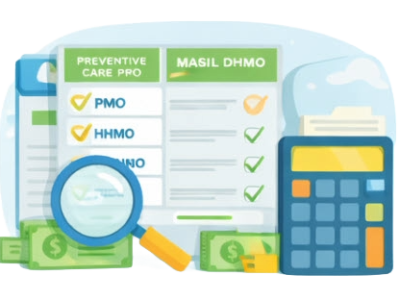
Tips for Comparing Dental Vision Bundle Quotes

Finding the right dental and vision insurance means understanding key differences and maximizing benefits. Knowing how to compare bundle quotes can reduce out-of-pocket costs and offer more comprehensive care.

Explore factors like coverage limits, network providers, and waiting periods. Understanding these elements can help you make informed decisions. By following simple tips, seniors can gain peace of mind and ensure access to essential services like exams, cleanings, and eyewear.

This guide will help demystify the process, empowering you to confidently evaluate your coverage options today.

Key Highlights

  • Bundling dental and vision coverage can reduce costs and simplify insurance management for seniors.
  • Evaluate both service coverage and network availability when choosing a dental and vision bundle.
  • Combining plans can offer additional benefits, such as cost savings and streamlined billing.
  • Consider waiting periods and out-of-pocket costs when comparing dental insurance options.
  • Use your ZIP code to find dental and vision insurance plans that suit your local needs.
various types of dental and vision plans available

Understanding Combined Dental and Vision Plans

Combining dental and vision coverage in one plan can simplify insurance management and potentially reduce costs for seniors. While each insurance company may offer various bundles, it’s crucial to understand the core aspects of both dental and vision insurance before making a decision.

Dental insurance typically covers preventive care, while vision plans focus on eye exams and corrective lenses. By grouping these into a single plan, you might benefit from cohesive coverage and streamlined billing.

Before choosing a bundle, consider the specific dental and vision care benefits you need and how they align with potential plans.

What to Know Before Bundling

Before opting for a bundled insurance plan that includes dental and vision care, it’s important to gather comprehensive information. Evaluate individual needs by considering how often your family requires dental check-ups or vision exams.

Understanding the range of services and the extent to which each aspect of care is covered is key. Many insurance plans have specific networks of dental and vision care providers, so confirming that your preferred dentist and optometrist are in-network can save hassle and unforeseen costs.
When considering dental plans within a bundle, focus on the details of each plan’s coverage.

For example, DHMO plans often require choosing a primary dentist and referrals for specialist care, while PPO plans offer greater flexibility with a broader network. Vision plans, on the other hand, may offer a set allowance for glasses or contact lenses and discounts on corrective procedures.

Carefully compare the insurance quote for bundled versus separate plans; sometimes, bundling can offer discounts or enhanced benefits.
Moreover, review the insurance company’s policies on waiting periods and whether there are any waiting periods for services such as dentures or crowns.

Policies might also vary depending on whether coverage is through employer-sponsored health insurance or individual plans. Consulting with your providers and understanding how insurance works can substantially affect access to necessary vision and dental care.

This careful evaluation ensures that the chosen plan not only meets your immediate needs but also offers valuable coverage aligned with your future healthcare expectations. Lastly, checking if there are any specific limitations or exclusions in coverage can help avoid surprises later on.

Compare dental plans and enroll online

Key Benefits of Dental and Vision Coverage

Blending dental and vision insurance into one bundle brings several advantages, particularly for those prioritizing comprehensive healthcare. A combined approach enables you to capitalize on both dental coverage for routine cleanings and vision plans for eye care.

This strategic merging of coverage helps decrease the oversight of separate policies. Furthermore, bundling often extends additional benefits and cost-saving opportunities. When you evaluate insurance plans, assess the network of doctors available, ensuring accessibility to your preferred healthcare providers.

Informed by previous needs and future expectations, consider how these bundled solutions align with your overall medical and dental care objectives.

How Bundling Enhances Coverage and Savings

Combining dental and vision coverage within a single insurance plan can significantly amplify your savings and streamline your healthcare management. By opting for a bundled plan, seniors are provided with comprehensive coverage that addresses multiple needs, from preventive dental services to essential vision care.

This fusion allows you to leverage broader medical services without the hassle of dealing with multiple policies. Insurance companies often design these packages with cost-effectiveness in mind, potentially leading to lower premiums compared to taking individual plans separately.

Moreover, such bundles facilitate seamless coverage, offering peace of mind by reducing the risk of unexpected medical bills.

The power of bundled insurance plans is also evident in the benefits they offer regarding provider networks. Typically, these plans ensure that you have access to a wide range of healthcare professionals, including dentists and optometrists within your area.

Such extensive networks can lessen out-of-pocket costs by using in-network services, enhancing the affordability of your health insurance. As you navigate insurance options, it’s crucial to evaluate each plan’s network thoroughly to ensure it aligns with your existing medical relationships.

Furthermore, vision plans incorporated within a bundle can include vital services like eye exams and even an allowance for eyewear, giving you extensive eye care without additional cost. All these features make bundled insurance a compelling choice, promoting both efficient management and financial savings.

Remember to analyze each plan’s specific offerings and limitations, helping you choose a package that meets current needs and prepares you for any future dental and vision challenges. Lastly, using your ZIP code can refine search results for plans available in your region, ensuring your choice is informed and strategic.

Continue exploring your options to optimally manage your dental and vision insurance needs efficiently.

Extend your understanding of bundled insurance benefits with these additional considerations that can help optimize your coverage strategy:

  • Investigate if bundled plans include regular wellness checks to stay proactive in your health management.
  • Confirm access to a variety of specialists, enhancing comprehensive care accessibility within the plan.
  • Evaluate additional perks like discounts on healthcare services, promoting cost efficiency.
  • Check if bundled plans cover emergency care to prevent unexpected high costs.
  • Verify options for customizing plans to better suit your unique health needs and lifestyle preferences.
  • Explore comparative ratings of bundled plans to ensure you choose a reliable provider.
  • Consider customer service reputation to ensure smooth assistance whenever needed.

These insights can further guide your insurance choices, aligning them with your health and financial goals effectively.

Types of Dental Plans Available in 2025

Common Services Covered in Dental Plans

Dental plans typically encompass a range of services, ensuring comprehensive dental care. These services can be broadly categorized into preventive, restorative, and replacement services. Understanding what your dental insurance will cover is crucial, as it impacts your overall dental health and financial planning.

Preventive services include regular check-ups and cleanings, essential for maintaining oral health. Restorative services, such as fillings and crowns, address specific dental issues. Lastly, replacement services, like dentures, cater to more extensive dental needs.

Familiarizing yourself with these categories can help you make informed decisions when comparing dental insurance plans.

Preventive, Restorative, and Replacement Services

Preventive services form the backbone of most dental plans and are designed to maintain good oral health. These typically include routine check-ups, cleanings, and early diagnostics to prevent severe dental issues.

Regular visits to your dentist for these services can catch problems early, reducing the need for more extensive procedures. Many dental plans prioritize these services, as they help avoid costly treatments later.

Generally, insurance dental companies cover a significant portion of preventive services, emphasizing their importance in dental health maintenance.

Moving to restorative services, these address specific issues when problems arise. Common procedures include fillings, crowns, and, in some cases, root canals. Dental plans often include these services in their coverage, but may require a copayment.

Restorative services play a crucial role in managing oral health, as they repair existing damage and prevent further deterioration. Finding an insurance dental plan with robust restorative coverage is vital for those anticipating these needs.

It is also crucial to understand the network your plan provides, as accessing an in-network dentist can lower out-of-pocket expenses.

Replacement services cover more extensive dental care needs, such as dentures and implants. These services are essential for those who have lost teeth. Dental insurance often takes into account the cost and frequency of these procedures, and coverage levels can vary significantly across plans.

Some plans may impose waiting periods for replacement services, so it’s beneficial to look into these details beforehand. Understanding the comprehensive coverage your dental insurance offers for replacement services can prevent future financial strain.

By examining benefits and restrictions, you can select a dental plan that aligns with your healthcare objectives, balancing costs with potential dental needs.

Evaluating Dental Plan Costs and Limitations

When assessing dental insurance plans, understanding costs and limitations is crucial, especially for seniors aiming to maximize their coverage. Dental plans often vary in terms of premium costs, coverage limits, and waiting periods.

It’s essential to compare these aspects to avoid unexpected expenses, which can significantly impact your budget. Additionally, look into how plans cover preventive, restorative, and replacement care to ensure the plan fits your specific dental needs.

By examining the details of each plan, seniors can find coverage that offers the best value for their unique requirements, while also considering the option to bundle dental and vision coverage for greater savings.

Considering Affordability and Waiting Periods

Affordability is a significant factor when reviewing dental insurance and vision insurance bundle quotes. As an educator, I emphasize the importance of understanding both upfront costs and potential hidden expenses. Dental and vision plans often differ based on premiums, deductibles, and co-payments, which can shape what you actually spend annually.

Look for insurance plans that align with your budget while still offering the necessary benefits for dental care and eye services. Another aspect to consider is the waiting period. Some dental insurance plans might have waiting periods before they cover more costly procedures like crowns or dentures. This could vary between insurance companies and even within the same company’s different plan levels.

It’s important to read the fine print in the insurance quote to know exactly what you’ll be covered for from the start and what might require some patience. Comparing health insurance options thoroughly allows for better planning, potentially reducing the stress associated with unforeseen dental or health costs.

Lastly, check how each plan treats routine dental exams and emergency visits, as these can also affect your overall satisfaction with the insurance coverage. Remember, while costs are crucial, so are the benefits and flexibility of the coverage offered. Utilizing your ZIP code can refine your search for available plans in your region, ensuring you choose an option that suits your situation perfectly.

The aim is to find a balanced plan that offers comprehensive dental and vision insurance without straining your finances.

Find & Compare Plans Online

Speak with a licensed insurance agent

1-833-667-3396TTY 711

Mon-Fri: 8am-9pm ET

Understanding Vision Plans and Services

Vision plans are essential for maintaining eye health and overall well-being. When considering a dental and vision insurance bundle, understanding the vision services included is crucial. These plans typically cover routine eye exams and offer allowances for corrective lenses, enhancing your overall health coverage.

Knowing the details of what each plan provides, from network availability to specific medical services offered, empowers you to make informed decisions tailored to your needs. Complementing dental insurance with a comprehensive vision plan ensures you have the necessary support to manage both dental and eye care conveniently.

Eye Care and Other Available Options

When selecting vision plans, it’s vital to recognize the diverse options available for eye care. Standard vision plans often include coverage for routine eye exams, which are crucial for detecting conditions like glaucoma or cataracts early.

Besides exams, many plans provide financial assistance for prescription glasses and contact lenses. Some even offer savings on corrective vision procedures, enhancing your overall medical benefits. Understanding these services helps ensure you receive comprehensive eye coverage as part of your health insurance bundle.

The network associated with your vision plan significantly impacts your access to care. Insurance networks vary, so it’s wise to verify if your preferred eye care providers are included. Utilizing an in-network eye specialist often reduces out-of-pocket expenses, providing significant savings.

It’s also beneficial to check the flexibility of changing providers within the insurance plan, which can be a valuable feature should your healthcare needs evolve.

Considering both convenience and coverage, comparing vision plans tailored to your location is key. By entering your ZIP code on educational resources like Bestdentalinsurance.org, you can discover plans that suit your unique needs and geographical area.

This personalization ensures that you maximize the coverage offered by your dental and vision bundle. Remember, thorough exploration of eye insurance options can lead to better health outcomes and financial management over time.

Embrace the clarity and care that a well-chosen vision plan provides, enhancing your quality of life with suitable and sufficient eye care measures.

Dental and vision bundles can offer additional coverage while possibly saving you money

Comparing Insurance Plans: What to Look For

When looking to bundle dental and vision insurance, it’s crucial to compare the available insurance plans carefully. Understanding key factors such as coverage, costs, and benefits can significantly impact your decision.

Be it health, dental, or vision insurance, recognizing what each plan covers and its limitations is vital. Additionally, comparing the dentist and eye specialist networks included in the plans, as well as considering any company policies on waiting periods, ensures you get comprehensive and affordable coverage that suits your needs.

You’ll also want to evaluate coverage details and potential savings thoroughly.

Tips for Finding the Right Coverage for You

Selecting the right insurance coverage, whether for health, dental insurance, or vision insurance, begins with identifying your specific needs. When examining dental plans, consider your and your family’s dental health history and frequency of dental visits.

This helps determine the vital dental services you might need, such as preventive care, restorative work, or more extensive dental treatments. Similarly, your choice of vision coverage should align with how often you require eye exams or new corrective eyewear. An eye-catching plan often includes allowances for glasses and contact lenses; ensure your chosen vision plan covers these adequately.

Consider both the affordability of the plans and the flexibility they offer in terms of provider networks.
Additionally, insurance companies often have different structures and conditions, such as whether a dental health maintenance organization (DHMO) plan requires selecting a primary dentist, or a preferred provider organization (PPO) plan offers more flexibility.

Knowing these differences can help you decide what aligns best with your personal and financial circumstances. It’s worthwhile to understand the extent to which each plan covers various services. Some plans might look cost-effective initially but have higher out-of-pocket expenses in the long run due to limited coverage.

Make sure to review each insurance company’s policies on waiting periods for more expensive procedures, such as crowns or dentures, as this can prevent unexpected delays in receiving care.

Finally, utilize your ZIP code to search local insurance options, ensuring they cater to regional healthcare providers and ease access. This thorough approach ensures you choose an insurance plan that’s both effective and budget-friendly.

Exploring Insurance Options in Your Area

Finding the right dental and vision insurance can be a daunting task, especially when considering the diverse options available. By using your ZIP code, you can refine your search to discover plans tailored to your local area.

This method not only streamlines finding insurance plans but also ensures alignment with your preferred healthcare providers. Delve into how insurance companies accommodate regional differences, enhance your knowledge of plan types, and uncover comprehensive coverage options that may include both dental and vision services, ensuring optimal healthcare management for seniors and their families.

How to Use ZIP Codes for Personalized Results

Utilizing your ZIP code is a simple yet effective way to personalize your search for dental and vision insurance plans. Each region may offer different insurance plans, networks, and coverage options, reflecting the local healthcare landscape.

By entering your ZIP code on educational platforms like Bestdentalinsurance.org, you can uncover insurance plans specifically available in your region, saving time and potential frustration. This approach ensures that the plans you explore include relevant network providers, whether it’s finding a nearby dentist or an eye care specialist.

Being in-network often means lower out-of-pocket costs, as insurance companies negotiate discounted rates with healthcare providers, offering significant savings on services like dental check-ups and eye exams.

Moreover, the regional specificity aids in comparing bundles that include both dental insurance and vision insurance. Insurance companies frequently adjust their offerings based on local demand and available healthcare providers, which can lead to variations in plan prices and coverage levels.

For example, a DHMO plan might have more dentists available in some areas, while a PPO could offer greater flexibility in others. Understanding these variations allows you to make informed decisions, ensuring your plan aligns with your healthcare needs and budget.

Additionally, regional exploration can reveal special services offered in your area, enhancing your overall coverage. Some plans may have provisions for emergency procedures or specific discounts on certain health services, which can be valuable.

As you navigate these options, consider entering your ZIP code as a starting point for a more strategic and focused approach. This method not only maximizes your dental and vision coverage but also bolsters your confidence in making informed choices about your health insurance plans.

Exploring dental and vision bundle quotes can help you find a plan that suits your needs. By comparing coverage options, costs, and benefits, you can make an informed decision about the protection for your dental and vision health. Remember to consider factors like copayments, network providers, and any limitations on coverage.

Each plan varies based on location and provider, so it’s useful to review the details thoroughly. For more precise options, enter your ZIP code on our website to start your search for suitable dental insurance plans in your area.

Compare dental plans and enroll online

Frequently Asked Questions

How can bundling dental and vision insurance benefit seniors?

Bundling dental and vision insurance can simplify management by consolidating coverage into one plan. This can lead to potential cost savings through reduced premiums and streamlined billing. Seniors might find this approach offers cohesive coverage for both dental care and vision needs.

What should seniors consider when choosing a bundled dental and vision insurance plan?

When choosing a bundled plan, evaluate factors such as coverage limits, network providers, waiting periods, and the specific dental and vision care benefits needed. Confirm that your preferred providers are in-network to avoid extra costs, and consider if the plan aligns with your healthcare goals.

What are coverage limits, and why are they important?

Coverage limits refer to the maximum amount an insurance plan will pay for certain services within a policy period. Understanding these limits helps seniors plan for out-of-pocket expenses and choose a plan that provides adequate coverage based on their anticipated healthcare needs.

How does the network of providers impact dental and vision insurance options?

The network of providers impacts the accessibility and cost of care. Using in-network providers usually results in lower out-of-pocket costs. It’s important to ensure your preferred dentist or optometrist is in-network under the insurance plan to maximize benefits and reduce expenses.

Why is using a ZIP code important when searching for insurance plans?

Using a ZIP code helps refine search results to show insurance plans available in your specific area. This ensures the plans you consider are compatible with local healthcare providers and tailored to regional differences in insurance offerings.

Have Questions?

Speak with a licensed insurance agent

1-833-667-3396

TTY users 711

Mon-Fri: 8am-9pm ET

Find & Compare Plans Online

Speak with a licensed insurance agent

1-833-667-3396TTY 711

Mon-Fri: 8am-9pm ET

ZRN Health & Financial Services, LLC, a Texas limited liability company