Compare Dental Insurance Plan Types

Understanding dental insurance options can feel overwhelming, especially for adults ages 55-85 aiming to choose the right coverage. This guide helps you explore different dental insurance plan types, shedding light on what each covers.

We simplify concepts to explain essentials like preventive services, fillings, crowns, dentures, and implants, along with any waiting periods. By comparing various plans, you’ll gain a clearer picture of how each works and which might align with your needs.

Dive in to make informed decisions confidently about dental insurance based on your location and provider differences.

Key Highlights

  • Dental insurance eases financial burdens by covering preventive and some restorative services.
  • Indemnity plans allow freedom to choose any dentist, but may have higher costs.
  • Marketplace dental plans provide structured access to various coverage options.
  • Comparing plans is crucial for balancing costs with desired dental care levels.
  • Using your ZIP code reveals local plan options and helps tailor dental coverage decisions.

Compare Dental Plans

Understanding Dental Insurance Basics

Diving into the world of dental insurance can feel overwhelming, but understanding its basics makes it manageable. Dental insurance is a type of insurance designed to cover a portion of dental care costs, easing financial burdens for patients and families.

Exploring how dental benefits work, including coverage, network details, and the role of providers, can empower consumers to make informed choices. Members often choose plans based on specific needs and budget constraints.

Grasping these fundamentals helps consumers and their families confidently navigate dental insurance plans.

What Is Dental Insurance and How Does It Work?

Dental insurance is a contract between the consumer and an insurance provider that helps cover the cost of dental care.

Typically, plans provide coverage for preventive services like cleanings and exams, and they may also cover some of the cost of procedures like fillings and crowns.

Understanding how coverage works can be crucial for patients wanting to avoid unexpected expenses.

Consumers join an insurance network by becoming members of a plan. These plans often include a selection of providers, known as a provider network, that offer discounted rates for covered services.

Dental insurance usually involves a cost-sharing component, where insurance covers a portion of the bill, and the patient pays the remainder.

It’s important for patients to understand their potential financial responsibility, which can vary widely depending on the specifics of their plan.

By learning about dental insurance and its workings, individuals and families can better plan and manage their dental health needs.

Remember, seeking coverage that fits your health requirements and financial situation is key to maximizing dental benefits effectively.

Types of Dental Insurance Plans

Navigating through dental insurance plans can be challenging, but knowing the different types can simplify the process. Each dental plan type offers unique features and benefits that cater to varying needs and preferences.

Understanding these differences is crucial to making choices that align with individual health and budget requirements. This section will discuss the main types of dental insurance, helping you compare plans and see how each can suit different dental care needs.

We’ll start with dental indemnity plans and how they differ from other plan types in offering flexibility and choice in providers.

Examining Insurance Exclusions and Their Impact

Exploring Dental Indemnity and Indemnity Plans

Dental indemnity plans, often referred to simply as indemnity plans, offer a different approach to dental insurance. These plans provide the flexibility to visit any dentist or dental specialist without needing to stick to a network or seek referrals.

Unlike plans such as PPO, which have contracted dentists in a network to deliver services at reduced rates, indemnity plans allow policyholders to select any dentist for their treatment and procedures.

This type of dental plan is ideal for those who value choice and prefer not to be tied down to specific providers or need particular referral plans.

Though indemnity plans sound advantageous, they usually come with higher out-of-pocket costs. This is due to the absence of discounted rates and more flexible network arrangements typical of PPO plans.

Members pay a percentage of the cost for dental services, while the insurance company covers most expenses up to a predefined level. These plans also demand pre-approval for certain procedures, adding a decision-making layer.

Compare plans carefully, as dental indemnity plans might be beneficial for certain treatments if selecting any specialist is a priority. It’s essential to weigh the cost against the offered freedom and assess what aligns best with your dental health strategy.

Coverage Details: What Dental Insurance Includes

Dental insurance plans often include a range of coverage options that focus on supporting both preventive and restorative care. Understanding these coverage details helps in choosing a plan that meets your individual needs.

Dental coverage generally includes preventive services, like cleanings and exams, which aid in maintaining dental health. Additionally, most plans offer some level of coverage for restorative care, focusing on treatments that address existing dental issues.

By examining both preventive and restorative services, consumers can select a plan that aligns with their dental health priorities while managing costs and procedures effectively.

Preventive Services and Restorative Care

Preventive services are at the core of most dental insurance plans, emphasizing regular dental health checks and maintenance.

These services typically include teeth cleanings, routine examinations, and x-rays, which are essential for preventing dental issues before they require more extensive care.

Coverage for preventive treatments often comes with minimal or no out-of-pocket costs, making regular visits to the dentist more accessible and encouraging routine care.

This proactive approach not only helps in maintaining good dental health but also reduces the necessity for more costly treatments later on.

When it comes to restorative care, the focus shifts to addressing problems that have already arisen. Common procedures covered might include fillings for cavities, root canals, and crowns.

The extent to which these restorative services are covered can vary significantly between insurance plans, so it’s vital to review the specifics of any plan closely.

While preventive care is designed to be more inclusive, restorative treatment often involves cost-sharing, where patients might pay a percentage of the fees.

Understanding this balance between preventive and restorative care coverage is essential for planning and managing your dental health needs effectively.

This approach ensures that unexpected dental procedures do not become a financial burden and that your dental insurance truly supports your health needs.

Keeping these elements in mind will aid in selecting a dental insurance plan that provides comprehensive coverage suited to both immediate and long-term dental care requirements.

Find & Compare Plans Online

Speak with a licensed insurance agent

1-833-667-3396TTY 711

Mon-Fri: 8am-9pm ET

Marketplace Dental Options

Marketplace dental options offer a variety of plans to suit different needs, providing access to dental insurance through a structured and often regulated platform.

These plans include diverse coverage types designed to meet the specific requirements of individuals and families.

By exploring marketplace dental options, consumers can compare plans, understand network details, and choose coverage that includes necessary dental benefits while managing costs.

This section delves into accessing plans, the role of contracted dentists, and how the marketplace makes dental insurance more accessible and manageable for members.

Accessing Plans through the Marketplace

Accessing plans via the marketplace can ease the process of finding suitable dental insurance. The marketplace serves as a central hub where various dental plans are listed, allowing consumers to compare plans effectively.

Each plan type, whether it’s a dental indemnity, supplemental dental, or another option, comes with its own set of features and benefits tailored to different dental health needs.

By joining a plan, members typically gain access to a network of providers, which can include contracted dentists offering services at reduced rates.

This feature is particularly beneficial for families looking to manage dental expenses without compromising on quality care.

The marketplace not only simplifies the process of selecting a plan but also provides transparency in terms of costs, dental benefits, procedures covered, and network details.

When considering a marketplace dental plan, it’s essential to evaluate the provider network carefully. A robust network ensures that you have access to a wide range of dentists and specialists without the need for extensive referrals.

Some plans may focus on referral plans, while others emphasize direct access to dentists within the network. Understanding these nuances enables consumers to align their choices with personal and family dental health goals.

Whether you’re seeking routine preventive services or more comprehensive restorative care, the marketplace offers plans that cater to various dental care needs.

By comparing the available options, consumers can select a plan that fits their lifestyle and financial situation, ensuring they receive necessary dental treatments without facing unexpected bills.

To further guide potential enrollees in their decision-making process, here are key considerations when choosing a dental plan from the marketplace:

  • Assess your typical dental care needs and prioritize plans offering related services.
  • Verify the accessibility of in-network dentists in your area to avoid long travel times.
  • Compare deductibles and co-pays associated with preventive and restorative procedures.
  • Evaluate the balance of coverage limits with premium costs to ensure financial viability.
  • Investigate the plan’s history of rate increases and how it may impact your budget.
  • Ensure the plan covers essential treatments and any desired specialty services.
  • Check customer reviews and ratings for insights on service quality and claim ease.

These considerations can help streamline your selection process, aligning the plan choice with your dental care priorities.

Comparing Coverage and Costs

Understanding dental insurance coverage is crucial when trying to manage dental care costs effectively. Different plans offer varying coverage levels, and comparing these can help you find the most suitable option based on your needs and budget.

Dental insurance plans, such as PPOs and dental indemnity plans, each have unique features and limitations. These plans influence provider access and treatment options, impacting overall costs and care strategies.

Exploring these aspects helps individuals and families choose plans that align with their dental health and financial strategies. By comparing coverage and costs, you can make informed decisions regarding your dental care.

how to compare senior dental plans

How to Compare Different Plan Types

Navigating the diverse landscape of dental insurance plans involves understanding key differences and evaluating how each can impact your dental care and costs. When you compare plans, consider not just the monthly fees, but also the coverage each plan provides for treatments and procedures.

PPO plans are often advantageous for those who prefer flexibility in choosing a provider, as they offer a network of preferred dentists who deliver services at reduced rates.

On the other hand, dental indemnity plans provide the freedom to visit any dentist but may come with higher out-of-pocket costs due to the lack of negotiated network discounts.

Understanding these plan types helps members weigh the cost against the desired level of care and choice. Additionally, employing a cost estimator can aid in predicting future expenses and how different plans might cover them.

Comparing plans effectively should also involve assessing the dental benefits beyond basic preventive care, like coverage for restorative services, which are critical for comprehensive dental health.

By focusing on these elements, consumers can make educated choices that balance costs with their dental care preferences, ultimately supporting long-term oral health without unnecessary financial strain.

As you review your options, remember to assess network accessibility and provider availability, ensuring the chosen plan meets both healthcare needs and budget constraints.

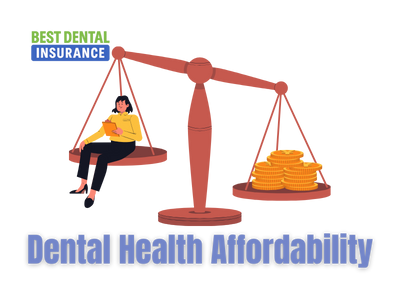
Considerations for Dental Health and Affordability

When weighing your dental insurance options, understanding the balance between dental health needs and affordability is crucial. Costs can vary significantly with each plan, affecting your budget and dental care choices.

It’s important to address common concerns around coverage, such as what services are included and the expenses you’ll likely face. Dental plans often involve different types of procedures and contracted dentists, impacting both access and fees.

Evaluating these aspects helps consumers make informed decisions, ensuring they not only maintain good dental health but also do so in a financially sustainable way.

Considerations for Dental Health and Affordability

Addressing Common Concerns About Cost and Coverage

One of the main concerns for dental insurance consumers, especially seniors, is navigating the cost and coverage landscape effectively. Dental insurance plans typically cover a variety of services, but understanding what each plan includes can prevent unexpected bills.

Coverage often spans preventive care like cleanings and more extensive procedures such as fillings and crowns, with costs varying by treatment type.

Plans may require patients to use specific contracted dentists within a network to maximize benefits, impacting both choice and affordability.

Comprehensively reviewing these aspects, including any potential fees, before committing to a plan, is essential to avoid financial strain.

Finding the best fit involves comparing multiple dental insurance features, such as the coverage for different procedures and associated out-of-pocket costs.

Many consumers seek clarity on whether their plan covers specific dental treatments and the extent of that coverage.

Understanding terms like co-pays, deductibles, and annual maximums can demystify the costs involved. Additionally, considering local provider networks can influence service accessibility, getting you the care you need when you need it.

Being informed empowers patients to select a plan that aligns with their dental health priorities while remaining within budget.

Remember, starting a plan with a clear understanding of both coverage and costs helps ensure your dental insurance supports long-term oral health effectively.

Finding the Right Plan for Your Needs

Choosing the right dental insurance plan can greatly affect both your dental health and your budget. Various plans offer different types of coverage, focusing on services such as preventive care and more complex treatments.

To select a plan that suits your needs, it’s essential to consider factors like network availability, plan types, and personal budget constraints.

Understanding these components helps you compare plans effectively, ensuring you choose coverage that meets both short-term and long-term dental health needs.

Whether you’re seeking comprehensive family coverage or something tailored to individual care, finding the right plan requires careful research and comparison.

Using Your ZIP Code to Explore Local Options

Your ZIP code can be a powerful tool when navigating dental insurance options. By inputting your location, you unlock access to dental plans and providers available in your area.

This step is crucial because dental networks can vary widely between regions, impacting the selection of contracted dentists and the cost of services.

Local plans can offer insight into network strength, helping you understand whether your preferred providers are included.

This localized approach ensures you assess the plans’ effectiveness for your specific dental health requirements and financial situation.

Exploring marketplace dental options with your ZIP code also reveals how plan types differ from one area to another. Some regions might offer broader networks, while others provide more specialized plans, like referral plans.

Understanding these subtleties can influence your decision significantly. For instance, densely populated areas may have more provider options, potentially driving competitive pricing and better coverage for family dental needs.

On the other hand, more rural or less populated areas might have limited network options, affecting how dental care services are accessed and delivered.

Analyzing these factors with your ZIP code encourages tailored dental care decisions that fit local circumstances.

In essence, using your ZIP code helps streamline the process of finding a suitable dental plan by focusing on what’s available locally. It combines personal needs with practical availability, ensuring a more informed and confident decision-making process.

Ultimately, this specificity in plan selection aids in achieving optimal dental health care without extensive financial strain, supporting your overall well-being while evaluating key aspects of coverage, treatment accessibility, and cost.

By approaching dental care decisions with both information and locality in mind, you position yourself or your family for better-managed dental health and more effective insurance utilization.

Dental insurance can help manage the costs of maintaining your oral health by covering various procedures. It’s important to compare different plans based on coverage for preventative care, fillings, dentures, or implants to find one that meets your needs.

Remember, different plans can have variations in waiting periods, coverage limits, and costs. By entering your ZIP code on our website, you can explore insurance options available in your area.

This step can help you find a plan that suits your dental care needs and budget. Understanding your options allows you to make informed decisions about your dental health.

Compare Dental Plans

Frequently Asked Questions

What types of services are typically covered by dental insurance plans?

Dental insurance plans generally cover a range of services, including preventive care such as cleanings and exams, and some restorative procedures like fillings, crowns, dentures, and implants.

How can my ZIP code help me find the right dental insurance plan?

By entering your ZIP code on platforms like Bestdentalinsurance.org, you can explore dental insurance options available in your area. This helps tailor your choices to what’s locally available in terms of providers and plans.

What are dental indemnity plans, and how do they differ from other plans?

Dental indemnity plans allow you to choose any dentist or specialist without network restrictions, providing greater flexibility. However, they often come with higher out-of-pocket costs compared to network-based plans.

Why is it important to compare different dental insurance plans?

Comparing plans helps you balance costs with the level of care you desire. Plans can vary widely in terms of coverage, waiting periods, and cost-sharing, affecting both your dental health outcomes and financial planning.

What should I consider about costs when choosing a dental insurance plan?

Consider both the premium and potential out-of-pocket costs, such as co-pays and deductibles, as well as coverage limits and waiting periods for certain procedures. Evaluating these factors can help you select a plan that fits your budget and needs.

Have Questions?

Speak with a licensed insurance agent

1-833-667-3396

TTY users 711

Mon-Fri: 8am-9pm ET

Find & Compare Plans Online

Speak with a licensed insurance agent

1-833-667-3396TTY 711

Mon-Fri: 8am-9pm ET

ZRN Health & Financial Services, LLC, a Texas limited liability company