How to Maximize Dental Insurance Benefits

Understanding how to get the most out of your dental insurance can seem tricky, but it doesn’t have to be. By learning a few strategies, you can maximize your benefits and ensure you receive the necessary dental care without unexpected costs.

This guide provides simple tips tailored for seniors to help you navigate your plan effectively, manage expenses, and maintain your smile. Read on to confidently approach your dental insurance and make the most of your coverage.

Key Highlights

  • Understanding your dental insurance is key to maximizing benefits and minimizing expenses.
  • Examine plan details carefully to fully leverage dental benefits and avoid unexpected costs.
  • Preventive care saves money by reducing the need for costly procedures later.
  • Plan larger treatments in phases to manage costs and maximize insurance coverage.
  • Compare plans by evaluating premiums, coverage, network, and annual maximums.

Compare Dental Plans

Understanding Your Dental Insurance Plan

Navigating the complexities of a dental insurance plan can be challenging, especially with the variety of insurance coverage options available. Understanding your dental insurance allows you to maximize dental benefits and minimize dental expenses efficiently.

We’ll explore how to examine your insurance coverage, emphasizing the importance of reading plan documents thoroughly.

These insights will help you make informed decisions about your dental care needs, ensuring you take full advantage of the dental benefits that your dental insurance provides, regardless of the insurance companies you are dealing with.

Examine the Details of Your Insurance Coverage

Thoroughly examining your insurance plan’s coverage details is crucial to fully leveraging your dental benefits. Each insurance plan is unique, often offering different levels of coverage for dental procedures, so it’s essential to comprehend what is and isn’t covered.

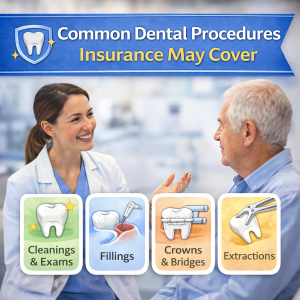
Start by reviewing the list of covered treatments and procedures. Most dental insurance covers preventive care like cleanings and check-ups, yet the extent of coverage for other treatments, such as fillings, crowns, and extractions, can vary.

It’s also wise to compare dental plans if you have more than one option. This means understanding the specifics about co-pays, deductibles, and annual maximums, terms insurance companies use that dictate how much you’ll pay out of pocket.

Knowing your plan limits will help avoid unexpected dental expenses, allowing you to plan appropriately for any larger dental treatments that might arise.

A clear understanding enables you to maximize insurance coverage efficiently by scheduling necessary procedures within the benefits year, utilizing preventive services that are often fully covered.

Importance of Reading Plan Documents Carefully

Reading your dental insurance plan documents carefully is vital to understanding the scope of your insurance coverage.

These documents contain essential information about the services and procedures covered, and those that might incur additional out-of-pocket expenses.

Often, insurance companies include specific clauses that lay down the conditions and limitations of coverage.

By closely studying these documents, you can identify which dental benefits are most advantageous for you, such as discounts on dental care, special networks for specific providers, or any restrictions on covered procedures.

Also, note the waiting periods for certain types of treatments, as this affects when you can begin using certain benefits. Being informed about these elements prevents complications when filing claims and ensures you’re fully aware of what’s covered under your insurance.

Additionally, it allows you to make more informed decisions about treatment timing, aligning significant procedures with periods when coverage is most advantageous.

Ultimately, this practice sets a strong foundation for working effectively with your insurance provider, ensuring your dental needs are met efficiently and cost-effectively.

Focus on Preventive Care First

Focus on Preventive Care First

Prioritizing preventive care in your dental plan can significantly enhance your dental insurance benefits. Regular check-ups and cleanings offered by your insurance often require minimal out-of-pocket expenses and prevent larger dental problems down the line.

This strategic focus on preventive services helps in reducing overall dental expenses by catching potential issues early.

We’ll delve into how preventive care saves you money long-term and go over common preventive services that insurance typically covers, allowing you to maximize your dental insurance benefits effectively while minimizing future dental costs.

How Preventive Care Saves Money Long-Term

Preventive care is a cornerstone of dental insurance, designed to save you money by reducing the need for costly procedures later.

Regular check-ups, cleanings, and x-rays are typically covered, allowing for early detection of potential issues that, if left untreated, could lead to extensive dental procedures.

By addressing minor problems early, you avoid the need for expensive treatments like crowns or root canals. Over time, the cost savings can be substantial as preventive care focuses on maintaining oral health proactively.

Additionally, insurance providers recognize that covering preventive services is more cost-effective than paying for major treatments.

Programs within dental insurance that emphasize preventive care not only enhance your dental health but also ensure you’re making the most of your insurance coverage.

By consistently utilizing preventive services, you’re safeguarding your teeth and reducing the likelihood of significant dental expenses, thus maximizing the benefits offered by your dental plan.

common dental procedures insurance may cover

Common Preventive Services Covered by Insurance

Most dental insurance plans cover a comprehensive range of preventive services to help maintain your oral health. These typically include bi-annual cleanings, exams, and x-rays.

Cleanings remove plaque and tartar, preventing gum disease and tooth decay. Regular exams help in diagnosing potential issues early on, while X-rays provide insight into parts of the tooth not visible during a standard check-up.

Fluoride treatments and sealants are also sometimes included, especially beneficial for children, as they protect against cavities. Understanding these covered services allows you to make full use of your benefits, ensuring regular upkeep of your dental health.

By proactively scheduling these services, you not only adhere to best practices in preventive care but also align with the benefits structure of your dental plan.

Since preventive care is often covered in full, there’s usually no added cost to you, aligning perfectly with a strategy to maximize dental insurance use and maintain excellent oral health.

Always check your insurance documents to confirm what preventive services are covered, as plans can vary widely in the specifics of their preventive care offerings.

To further optimize your dental care approach, consider incorporating these lifestyle habits:

  • Brush your teeth at least twice a day with fluoride toothpaste to combat cavities.
  • Floss daily to remove plaque and food particles from between your teeth.
  • Limit sugary snacks and beverages, as they can contribute to tooth decay.
  • Replace your toothbrush every three to four months or sooner if the bristles are frayed.
  • Stay hydrated to promote saliva production, which helps protect your teeth.
  • Avoid using tobacco products, as they increase the risk of oral health issues.
  • Consider using mouthwash to reach areas not easily cleaned by brushing and flossing.

These practices, combined with regular dental visits, will support a robust oral health routine.

Find & Compare Plans Online

Speak with a licensed insurance agent

1-833-667-3396TTY 711

Mon-Fri: 8am-9pm ET

Maximize Your Annual Maximum

Understanding and effectively using your annual maximum in dental insurance can greatly enhance how much value you derive from your plan. The annual maximum is the total amount your insurance will pay for treatments within a year.

It’s crucial to plan your dental procedures carefully to avoid unexpectedly hitting this limit. By familiarizing yourself with strategic ways to optimize these benefits, you can minimize out-of-pocket expenses and ensure that necessary care isn’t postponed unnecessarily.

This approach not only helps you save money but also ensures optimal dental health by aligning treatments with your annual coverage limits.

What Does Annual Maximum Mean?

In the realm of dental insurance, the term “annual maximum” plays a critical role in how benefits are managed and utilized yearly.

Essentially, the annual maximum refers to the cap on the amount that your dental insurance plan will pay out for covered treatment and procedures within a calendar year.

It’s important to know that if you surpass this limit, any additional treatment will require out-of-pocket payments.

Therefore, understanding this concept helps you plan dental visits and treatments more strategically. Many insurance plans set the annual maximum amount around $1,000 to $2,000, although specifics can vary by insurance provider and plan type.

Knowing the details of your annual maximum allows you to chart out a plan that prioritizes treatments based on necessity and coverage limits.

This strategic approach to managing your care ensures that you effectively use your dental benefits without financial surprises, allowing for a better balance between managed care and personal expenses.

It’s also worth checking if unused portions of your annual maximum can roll over to the following year or if any plans offer enhancements in this regard.

Tips to Make the Most of Your Annual Maximum

To fully capitalize on your dental insurance benefits, it’s crucial to plan how to use your annual maximum wisely. Start by scheduling regular check-ups and preventive care early in the year.

Since these services are often fully covered, they don’t count against your annual maximum, saving the full amount for more significant procedures if needed.

Planning is key, so review your treatment needs with your dentist and prioritize procedures based on urgency and expenses.

For example, strategizing larger treatments, such as crowns or bridges, can help you take full advantage of your annual maximum without exceeding it.

It’s also beneficial to spread necessary treatments across multiple appointments within a year or, if possible, extend some into the next year to balance the load on your annual maximum.

Don’t forget about collaboration with your dental provider’s office; they can help you understand treatment expenses and timing to make informed decisions.

This careful planning ensures you never miss out on potential benefits and that your dental health remains unwavering.

Finally, always be aware that using your benefits efficiently requires knowledge about network providers who might offer services at lower negotiated rates, thus stretching your annual maximum further.

Plan Larger Dental Treatments in Phases

Approaching larger dental treatments in phases can be a practical strategy when navigating your dental insurance coverage. This phased approach allows you to better manage out-of-pocket expenses and maximize the benefits offered by your dental plan.

Dividing significant procedures into stages can help spread the costs over multiple insurance years, thereby mitigating financial impacts.

In the following sections, we’ll explore effective strategies for scheduling major procedures and the advantages of phased treatment plans.

These insights will empower you to utilize your dental insurance coverage more effectively, ensuring your dental care needs are met without overwhelming costs.

Strategies for Scheduling Major Procedures

Strategies for Scheduling Major Procedures

When you’re facing major dental procedures, timing can be everything in terms of managing costs with your dental insurance. By understanding your plan’s annual maximum and waiting periods, you can schedule treatments strategically.

Start by consulting your dental office to evaluate which procedures are urgent and which can wait. Prioritize urgent procedures within the current plan year, making full use of any remaining benefits.

For less immediate needs, consider planning them at the start of your new benefits year. This planning allows you to tap into a fresh annual maximum, thereby reducing out-of-pocket expenses significantly.

Another strategy is to align procedures with the periods when your insurance plan covers the most. Some treatments might require a waiting period before they’re covered, so advance planning is vital.

Working closely with your dental provider will also help you understand how to coordinate these procedures, ensuring you’re utilizing the insurance plan efficiently.

For example, breaking down significant treatments like dental implants into parts, such as consultation, surgery, and final placement, over several appointments, may allow for costs to be distributed over different benefit years.

Engage with your insurance plan details thoroughly, as understanding the covered and non-covered aspects can further simplify your scheduling strategy, helping you to confidently navigate your dental care needs.

Benefits of Phased Treatment Plans

Opting for phased treatment plans not only helps manage immediate costs but also leverages insurance benefits over the long term.

By planning out significant dental care over several stages, you allow yourself the flexibility to make the most of your dental insurance coverage across multiple years.

This method is particularly effective in managing treatments that are typically costly, such as orthodontics or full-mouth reconstructions.

When you spread treatments across two or more benefit years, you can utilize each year’s annual maximum to cover different stages of the treatment, effectively minimizing larger one-time expenditures.

In addition to financial benefits, phased plans offer the opportunity to evaluate treatment effectiveness at each stage before moving forward.

This incremental approach provides both you and your dentist the chance to assess your progress periodically, making any necessary adjustments without rushing critical care decisions.

This ensures that each phase is completed with precision, enhancing overall treatment outcomes. Furthermore, phased treatments can ease the burden on your healthcare budget, aligning the pace of dental procedures with financial and lifestyle comfort.

Remember, your insurance company’s guidelines and providing clarity about what’s covered, what’s not, and any waiting periods ensure you embark on this phased approach fully aware and prepared.

Taking these steps not only boosts insurance coverage efficiencies but also contributes to better oral health without stressing your finances.

Using these strategies effectively places you in control of your dental health journey and ensures you’re maximizing your benefits throughout the treatment process.

Understanding Differences Between Dental Plans

When exploring dental insurance options, it’s important to recognize the differences between available plans. Various insurance companies offer plans tailored to different needs, affecting coverage, benefits, and costs.

Understanding these differences is key to maximizing your dental plan benefits. We’ll explore factors to consider when comparing dental plans, ensuring you align your coverage to your dental care needs.

Factors to Consider When Comparing Dental Plans

To effectively compare dental plans, consider several critical factors that impact your overall insurance experience. Begin by evaluating the monthly premiums alongside the deductibles.

While one plan might offer lower monthly payments, it may come with higher out-of-pocket costs when you receive care. Next, examine the types of procedures covered and the extent of this coverage.

This includes everything from preventive services to more extensive procedures like crowns and dentures. You’ll want a plan that balances premium costs with covered services to match your anticipated dental care needs.

Additionally, check the insurance plan’s network of dentists. A broader network ensures you have access to preferred providers, potentially saving money by taking advantage of negotiated rates between dentists and the insurance companies.

Network dentists often mean lower fees for services rendered, thereby enhancing your insurance coverage. Look into the co-pays and co-insurance rates for various services as well, as these impact what you’ll pay at the time of service.

Knowing your co-pay or co-insurance can prevent unexpected expenses.

Another key aspect is the annual maximum defined in your plan, which is the highest amount the insurance will pay for your care within a year.

Choose a plan with an annual maximum that aligns with your anticipated dental care needs, allowing you to maximize insurance benefits without exceeding your budget.

Lastly, review any waiting periods, especially for major procedures, as these affect when you can utilize your benefits.

By thoroughly analyzing these factors, you can select a dental insurance plan that’s finely tuned to your preferences and financial situation, offering significant benefits while minimizing out-of-pocket costs.

Maximizing your dental insurance benefits can help ensure you’re getting the most value from your coverage.

By understanding your policy details, opting for in-network providers, scheduling regular cleanings, tracking treatment timelines, and reviewing benefits annually, you will be better equipped to manage your dental needs effectively.

Remember, each plan varies based on location and provider, so it’s important to stay informed. For more personalized information, enter your ZIP code on our website to explore available dental insurance plans that suit your needs.

Compare Dental Plans

Frequently Asked Questions

How can I maximize my dental insurance benefits?

Maximize your dental insurance by scheduling preventive care early, using in-network providers, and planning major treatments in phases. These steps help minimize out-of-pocket costs and ensure maximum use of your annual maximum.

What types of services are usually covered under preventive care?

Preventive care generally includes bi-annual cleanings, check-ups, and x-rays. These services help in early detection of potential issues, which can prevent more costly treatments later.

What is an annual maximum in dental insurance?

The annual maximum is the total amount your dental insurance will cover for services within a year. Planning treatments with this in mind can help you avoid unexpected out-of-pocket costs.

How do waiting periods affect my dental coverage?

Waiting periods are the time you need to wait before certain treatments are covered by your insurance. Knowing these can help you schedule procedures effectively into your coverage timeline.

What factors should I consider when comparing dental insurance plans?

Consider premiums, network size, coverage details, co-pays, deductibles, and annual maximums when comparing plans. These elements help in assessing the plan that best suits your dental care needs.

Have Questions?

Speak with a licensed insurance agent

1-833-667-3396

TTY users 711

Mon-Fri: 8am-9pm ET

Find & Compare Plans Online

Speak with a licensed insurance agent

1-833-667-3396TTY 711

Mon-Fri: 8am-9pm ET

ZRN Health & Financial Services, LLC, a Texas limited liability company