



Are Dental Implants Covered by Medicare?

Navigating dental coverage can be challenging, especially when considering dental implants. While Medicare typically does not cover routine dental care, understanding how to align Medicare plans with your dental needs is crucial.

This page explores the nuances of Medicare’s dental coverage as it relates to dental implants, providing clear information to help you understand possible out-of-pocket expenses.

Learn more about supplemental options and strategies to align dental implant costs with Medicare plans, ensuring you make informed decisions about your dental health and coverage options based on your unique needs and location.
Key Highlights

  • Original Medicare does not cover routine dental care or implants, but Medicare Advantage plans might offer benefits.
  • Dental insurance can help cover costs not included by Medicare, such as implants and routine procedures.
  • Medicare Advantage plans may include dental coverage, but it varies and needs careful review.
  • Costs of dental implants include preparatory procedures, materials, and services beyond basic tooth replacement.
  • Use your ZIP code to find dental plans in your area, comparing Medicare Advantage and private insurance options.

Compare Dental Plans

Understanding Medicare and Dental Coverage

When it comes to Medicare, understanding how dental coverage fits in can be a bit tricky. Many seniors are surprised to learn that original Medicare doesn’t typically include dental services, such as implants or routine dental care.

That’s why knowing your options is crucial. While original Medicare may not directly cover dental treatments, Medicare Advantage plans might offer some dental benefits.

We’ll explore the different parts of Medicare and how they relate to dental care, helping you make sense of your choices for dental coverage.

What Parts of Medicare Include Dental Care?

Understanding which parts of Medicare offer dental care can help you navigate your potential options. Original Medicare, which includes Medicare Part A and Medicare Part B, typically doesn’t provide dental coverage.

This means routine dental services, like check-ups, cleanings, and procedures such as dental implants, aren’t covered. However, some Medicare Advantage plans, known as Medicare Part C, might include dental benefits as part of their coverage options.

These plans are offered by private insurance companies and can vary widely in terms of dental services provided. It’s important to review each plan carefully to see if dental services are included and if they meet your dental care needs.

Exploring all these options can assist in finding the right coverage that offers peace of mind.

Exploring Dental Insurance for Seniors

When considering dental health, seniors often encounter challenges in understanding what dental insurance covers, especially regarding dental implants.

With the increasing need for comprehensive dental care as we age, knowing how dental insurance can aid in covering critical procedures like dental implants is essential. Dental insurance helps bridge the gap in coverage that Medicare doesn’t typically fill.

We will delve into how dental insurance plans assist in managing the costs and benefits of dental implants, providing clear guidance on navigating these options.

How Dental Insurance Can Assist with Dental Implants

How Dental Insurance Can Assist with Dental Implants

Dental insurance can provide valuable benefits when facing the high costs associated with dental implants. While traditional Medicare usually doesn’t cover dental implants, some dental insurance plans offer implant coverage as part of their benefits.

Dental insurance plans often include various types of dental services, from routine check-ups to more complex dental care procedures. By understanding your plan’s specific coverage options, you can better anticipate out-of-pocket expenses.

It’s beneficial to look for a plan that aligns with your needs, especially if you’re considering dental implants. Investing time in selecting the right insurance plan not only helps cover dental procedures but also promotes long-term dental health.

Does Medicare Cover Dental Implants?

Many seniors wonder if Medicare offers dental implant coverage, a critical concern given the high costs of these procedures. Unfortunately, original Medicare doesn’t cover dental implants, leaving gaps in essential care.

However, across the spectrum of Medicare options, there are notable differences in what’s covered. While original Medicare lacks comprehensive dental benefits, Medicare Advantage plans might offer some form of implant coverage.

Here, we’ll explore Medicare’s intricacies, focusing on what coverage limitations exist and how Medicare Advantage can be a viable option for those needing dental implants.

Details on Coverage Limitations and Options

For those relying on original Medicare, it’s important to understand that it doesn’t cover dental implants or most dental care. This exclusion often means turning to other sources for dental insurance.

Medicare Advantage plans present a potential solution, acting as a substitute for original Medicare with additional benefits. These plans, offered by private insurance providers, sometimes include dental services like routine care and implants.

However, coverage varies significantly between plans, making it critical to examine each plan’s terms closely. For seniors seeking dental implants specifically, researching Medicare Advantage plans that cover dental implants could bring some financial relief.

This approach to coverage helps fill the gaps left by traditional Medicare, although understanding and comparing plans is vital to finding suitable coverage that aligns with personal needs and budgets.

Find & Compare Plans Online

Speak with a licensed insurance agent

1-833-667-3396TTY 711

Mon-Fri: 8am-9pm ET

Alternatives to Medicare for Dental Implants

Dental implants can be expensive, and with original Medicare not covering these costs, exploring alternatives becomes crucial. Medicare Advantage plans might offer an avenue for coverage, but other options exist beyond traditional Medicare.

Some dental insurance plans provide extensive benefits for implants, while dental discount plans can reduce overall treatment costs. These options are vital for seniors wanting to manage dental expenses effectively.

By understanding these choices, you can achieve peace of mind, knowing there are viable paths to cover the costs of dental implants.

Exploring Other Dental Benefits and Plans

Beyond Medicare Advantage, various dental insurance plans can assist in covering the cost of dental implants. These plans often include a range of dental benefits, from routine cleanings to complex procedures.

Dental insurance can vary widely, with some plans offering full or partial coverage for implants. It’s crucial to examine these plans thoroughly to understand coverage levels and out-of-pocket expenses.

Additionally, dental discount plans aren’t insurance but offer reduced rates on dental services, including implants. Comparing different plans helps find the right balance between cost and coverage, ensuring that dental needs and budgets align perfectly.

This exploration of dental benefits is essential for making informed decisions, especially when facing substantial dental treatments.

Costs Involved in Dental Implants

Navigating the financial landscape of dental implants can be challenging, especially when considering the numerous components involved.

Dental implants require more than just replacing a missing tooth; they often include preparatory procedures, materials, and professional services that contribute to the overall expenses.

As Medicare generally excludes dental coverage, including implants, understanding these costs is essential for effective planning.

By exploring each aspect of the costs associated with dental implants, seniors can gain a clearer picture of what to expect and how to prepare financially for this significant investment in dental health.

Understanding Expenses Beyond Basic Tooth Replacement

Understanding Expenses Beyond Basic Tooth Replacement

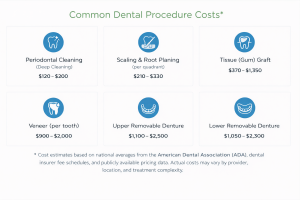
When contemplating dental implants, it’s crucial to consider various expenses apart from the actual tooth replacement. These costs can include preparatory treatments like tooth extractions or bone grafts, which some individuals might require prior to receiving implants.

Additionally, the choice of materials used for the dental implants, along with the expertise of the dental professionals providing services, can significantly impact overall costs.

While some dental insurance plans partially cover these services, Medicare doesn’t typically cover them. Seniors should assess the coverage offered by their dental plans to understand out-of-pocket expenses.

Exploring all options for paying these costs, such as dental discount plans, ensures a comprehensive financial strategy for managing dental implant expenses.

Based on the existing discussion around dental implant expenses, let’s explore some practical steps to effectively manage these costs:

  • Evaluate various dental plans focusing on implant-related services and their out-of-pocket implications.
  • Investigate alternative financial assistance programs available for dental care beyond insurance.
  • Consider dental schools offering discounted services performed under professional supervision.
  • Discuss flexible payment plans directly with dental providers under consideration.
  • Check eligibility for health savings accounts (HSAs) or flexible spending accounts (FSAs) that cover dental expenses.
  • Explore community clinics offering affordable or sliding scale dental care services.
  • Research dental discount plans that might suit your financial needs for implant procedures.

These steps will help devise a well-rounded financial plan for dental implant procedures.

Choosing the Right Plan for Dental Needs

Finding the right dental plan that meets both your budget and dental needs can feel overwhelming, especially for seniors navigating complex insurance options.

With Medicare not covering most dental services, including implants, choosing a plan that provides adequate dental benefits is essential. Medicare Advantage plans can be an alternative, integrating dental coverage with other health services.

We’ll explore ways to ensure that a selected plan not only fits financial considerations but also covers necessary dental care, aiding in making an informed decision about dental insurance.

How to Find Coverage that Matches Your Budget and Needs

How to Find Coverage that Matches Your Budget and Needs

To find dental coverage that aligns with your budget and needs, start by considering the specific dental services required. For individuals needing dental implants, exploring plans that offer clear dental benefits is crucial, as original Medicare doesn’t cover such procedures.

Medicare Advantage plans might provide some dental coverage, including preventive care and possibly implants, depending on the insurance provider and specific plan chosen.

It’s wise to compare these plans with private dental insurance that often covers a broader range of services, such as routine check-ups and advanced dental care.

Understanding each plan’s coverage limits, waiting periods, and costs will help ensure that you’re not left with unexpected out-of-pocket expenses. Also, consider dental discount plans, which, while not insurance, can reduce treatment costs significantly.

Balancing the potential benefits and the costs of these options can help in selecting a plan that truly fits your financial situation and dental health requirements.

Finding the Best Option in Your Area

Locating suitable dental plans within your area involves more than just checking coverage lists. Start by using your zip code to find insurance options that specifically offer dental coverage for implants, which original Medicare does not cover.

Medicare Advantage plans can be an option as they might offer some dental services. It’s wise to compare these with private insurance plans providing dental benefits to ensure the best match for your needs.

Consider all aspects and limitations, like waiting periods and costs, before deciding, ensuring your chosen plan aligns with both your budget and dental needs.

Exploring dental insurance options that complement Medicare is a wise step for covering dental implants. Thoroughly compare different plans, examining terms like premiums, benefits, and network restrictions.

Navigating this landscape can assist in managing costs effectively. Remember, coverage varies by region and insurer, so it’s crucial to gather details specific to where you live. Use your ZIP code to explore various options tailored to your area.

Discover plans that align with your needs by checking BestDentalInsurance.org, fostering an informed choice on how to afford dental implants within your Medicare framework.

Compare Dental Plans

Frequently Asked Questions

Does original Medicare cover dental implants?

Original Medicare, which includes Part A and Part B, does not cover dental implants or most routine dental care. Seniors may need to explore other options like Medicare Advantage plans or private dental insurance for dental implant coverage.

What dental benefits might be included in a Medicare Advantage plan?

Medicare Advantage plans, sometimes referred to as Medicare Part C, are offered by private insurance companies. These plans may offer additional benefits, including dental coverage, which can vary widely. Coverage might include routine check-ups, cleanings, and possible benefits for more extensive procedures, such as dental implants.

How can I explore dental insurance options that complement Medicare?

It’s important to compare different plans by examining their terms, like premiums, benefits, and network restrictions. Use your ZIP code to explore options specific to your area for dental coverage suitable for dental implants. Websites like BestDentalInsurance.org provide information to help you make an informed choice.

Are there options beyond Medicare for reducing dental implant costs?

Yes, apart from Medicare Advantage, there are dental insurance plans that might offer coverage for dental implants. Additionally, dental discount plans ”while not insurance” can help reduce the overall cost of dental services by offering reduced rates.

What aspects should I consider when planning for dental implant costs?

Dental implant costs can include more than the implant itself, such as preparatory procedures, materials, and professional services. It’s important to review your insurance plan to understand coverage for these services and plan for any out-of-pocket expenses that might arise.

Have Questions?

Speak with a licensed insurance agent

1-833-667-3396

TTY users 711

Mon-Fri: 8am-9pm ET

Find & Compare Plans Online

Speak with a licensed insurance agent

1-833-667-3396TTY 711

Mon-Fri: 8am-9pm ET

ZRN Health & Financial Services, LLC, a Texas limited liability company