Medicare Dental and Preventive Services

Exploring Medicare dental and preventive services can feel overwhelming, especially with all the options available. Understanding what’s covered helps you make informed decisions about your dental health.

This guide explains the basics of Medicare dental coverage, different service types, and how you can access these benefits.

By breaking down complex information into easy-to-follow details, this overview aims to equip seniors and caregivers with the knowledge needed to navigate dental care options confidently.

Learn how preventive services, such as cleanings and exams, fit into your Medicare plan and what to consider when evaluating your coverage choices.

Key Highlights

  • Traditional Medicare primarily covers medical, not dental services, often leading to out-of-pocket costs for dental care.
  • Medicare Advantage plans may offer additional dental benefits, including preventive and extensive procedures like cleanings and crowns.
  • Choosing a Medicare Advantage plan can fill dental care gaps but requires comparing cost structures and coverage limits.
  • Preventive services, like cleanings, are sometimes included in Medicare Advantage, reducing potential future dental issues.
  • Assessing personal dental needs and plan specifics helps seniors find coverage that aligns with their budget and care requirements.

Compare Dental Plans

Understanding Medicare Dental Coverage

Understanding how Medicare dental coverage works can feel a bit overwhelming. Traditional Medicare, which includes Parts A and B, generally focuses on medical and hospital care, leaving many wondering about dental services.

However, Medicare doesn’t typically offer comprehensive dental benefits. It’s essential for Medicare beneficiaries to uncover what dental care is included, if any, under the current Medicare-covered services.

Equipped with this knowledge, seniors can better navigate their coverage options and avoid unexpected dental expenses. Let’s explore whether traditional Medicare includes dental benefits and what that means for your dental care needs.

Does Traditional Medicare Include Dental Benefits?

Traditional Medicare, unfortunately, does not offer extensive dental benefits. This can be a significant concern for Medicare beneficiaries who need routine dental care. While Medicare covers a wide range of health care services, dental services are not usually on that list.

Traditional Medicare focuses on hospital and medical insurance via Medicare Part A and Part B, yet does not typically provide dental coverage, which means full dental care expenses might become out-of-pocket costs for beneficiaries.

Dental care, like routine checkups, cleanings, fillings, crowns, and even dentures aren’t medicare-covered services, unless they’re necessary for another covered medical procedure.

One reason for this limitation is that dental services have traditionally been viewed separately from general health care.

Medicare beneficiaries looking for dental coverage might need to look beyond traditional Medicare and consider supplemental options, such as Medicare Advantage plans.

These plans often bundle in additional benefits, including dental, but they are not part of the traditional Medicare framework.

This lack of inclusion in traditional Medicare highlights the necessity for beneficiaries to thoroughly research and understand their dental coverage options to avoid potentially high out-of-pocket expenses for essential dental care.

Moreover, seniors should consider exploring alternative insurance plans that specifically address dental needs. Such alternatives can be essential in providing the necessary dental coverage that traditional Medicare lacks.

Keep in mind, like with any health insurance plan, engaging in thorough comparisons can be valuable.

Because Medicare varies by location and the kind of service providers, checking locally based options could open up access to better Medicare dental solutions tailored to particular needs.

Ultimately, while traditional Medicare might be limited in dental services, understanding these limitations and exploring additional coverage options can help seniors achieve necessary dental care without unexpected financial burdens.

Medicare Advantage Plans and Dental Services

Medicare Advantage plans offer a compelling option for seniors seeking additional dental services beyond what traditional Medicare provides.

While traditional Medicare often excludes dental from its coverage, Medicare Advantage, also known as Medicare Part C, usually integrates various dental care benefits.

By opting for these plans, beneficiaries can often enjoy dental care services such as cleanings, exams, and sometimes, more extensive procedures.

Exploring these plans can aid in making informed decisions about dental healthcare without incurring large out-of-pocket expenses. Let’s unpack the types of dental services that these plans might cover.

medicare advantage explained

What Dental Services Might Be Covered?

Diving into what Medicare Advantage plans can cover in terms of dental services is crucial for most seniors.

These plans, which are offered by private insurance companies approved by Medicare, can provide a range of healthcare benefits not included in traditional plans, including dental services.

Generally, this might include preventive services like twice-yearly cleanings and dental exams. Some plans go further by offering coverage for minor and major dental procedures such as fillings, crowns, and root canals.

For those needing dentures or even treatments involving dental implants, some Medicare Advantage options may provide partial coverage, though this greatly varies by plan and location.

Not all plans are created equal, and Medicare Advantage plans’ dental services have their own set of specifics. Plans can differ regarding the extent of coverage they offer, which highlights the importance of comparing options.

For example, while one plan might cover basic cleaning, another plan may contribute more toward complex procedures like periodontal treatments.

Healthcare decisions, especially those involving dental services, are deeply personal and often hinge on existing health conditions, treatment history, and budget considerations.

Furthermore, another critical aspect of these plans is their coverage limits and potential out-of-pocket expenses. Knowing what’s included under the covered dental services limits can profoundly impact seniors’ choices.

Each plan will have its network of preferred dental providers, and getting care outside these networks may result in higher costs.

It’s also vital to scrutinize any waiting periods that might apply to specific treatments, particularly for more extensive dental care options.

Eyeing these details carefully ensures that a chosen Medicare Advantage plan aligns well with individual dental healthcare needs, ensuring peace of mind and financial transparency.

Enrolling in a Medicare Advantage Plan for Dental Coverage

Choosing a Medicare Advantage plan can significantly impact the type and extent of dental coverage available to seniors. These plans, often referred to as Medicare Part C, are offered by private insurance companies.

They go beyond the basic coverage of traditional Medicare by including additional services like dental care. However, the variety of plans and the different types of coverage they offer can seem daunting.

To make informed decisions, it’s essential to understand how these plans work and what they include, ensuring dental care needs are met while managing out-of-pocket expenses.

How to Compare Different Plans

How to Compare Different Plans

When it comes to finding the right Medicare Advantage plan, understanding how to compare them is crucial. These plans vary widely, both in the types of coverage offered and the costs involved.

It’s important to look at the dental services included in each plan. Most plans offer preventive services, such as cleanings and exams, but the coverage for more complex procedures, like root canals and crowns, can differ significantly.

For instance, while one plan might cover essential fillings, another might provide a more comprehensive package that includes dentures or even partial coverage for implants.

Another aspect to consider is the plan’s network of dental providers. Some plans may restrict coverage to a specified group of dentists, which might limit your choices.

Therefore, checking if your preferred dental group is within a plan’s network is important for continuity of care. Moreover, out-of-network services can often lead to higher out-of-pocket costs, so understanding these details beforehand can prevent unexpected expenses.

It’s also beneficial to assess the cost structures, such as the monthly premiums, deductibles, copayments, and annual out-of-pocket maximums.

Plans with lower premiums might seem attractive initially, but they could have higher costs for certain services.

Additionally, Medicare Advantage plans may have annual limits on dental coverage, meaning that once a certain amount is spent, you would need to cover any additional costs out of pocket.

Being aware of these limits and how they match your expected dental healthcare needs is an essential part of choosing the right plan.

Comparing the waiting periods for specific dental services is also critical. Some procedures may come with waiting periods that delay when coverage begins, so it’s best to identify any such waiting periods beforehand.

By carefully evaluating these factors and considering your specific dental needs, you can find a plan that not only fits your budget but also provides the necessary dental coverage.

In doing so, you ensure that the chosen Medicare Advantage plan aligns well with your healthcare requirements and provides peace of mind regarding potential dental care costs.

Find & Compare Plans Online

Speak with a licensed insurance agent

1-833-667-3396TTY 711

Mon-Fri: 8am-9pm ET

Key Differences Between Medicare and Other Dental Insurance Options

Understanding the distinctions between Medicare and other dental insurance options is crucial for Medicare beneficiaries seeking the most suitable dental coverage.

Traditional Medicare primarily offers medical and hospital coverage, often leaving dental needs unmet. In contrast, other insurance plans can provide comprehensive dental care, spanning preventive services to complex procedures.

It’s essential for beneficiaries to grasp these differences and explore available dental insurance options. This knowledge empowers individuals to find coverage that aligns with their healthcare needs, potentially reducing out-of-pocket dental costs.

How Do These Plans Affect Medicare Beneficiaries?

For Medicare beneficiaries, the impact of choosing between traditional Medicare and other insurance options is significant, especially regarding dental coverage.

Traditional Medicare often leaves gaps in dental care, offering limited services only when they’re medically necessary. This lack of dental services means that seniors may face substantial out-of-pocket expenses for necessary dental treatments.

As dental care is crucial to overall health, understanding how these plans affect healthcare decisions can be invaluable.

In seeking additional coverage, many beneficiaries turn to Medicare Advantage plans, which often include enhanced dental services.

These plans, administered by private insurance companies, frequently bundle dental care with Medicare Part A and Part B benefits, alleviating the gaps left by traditional coverage.

However, coverage levels and types of dental treatments can vary significantly between plans. It’s vital to compare these options carefully, taking into account the network of dental providers, out-of-pocket costs, and services covered under each plan.

Beyond Medicare Advantage, standalone dental insurance policies provide yet another option and may offer broader coverage or lower costs for specific dental procedures.

These policies might encompass preventive care, such as routine cleanings and exams, and cover more extensive treatments that are often excluded from Medicare Advantage plans.

Such options might be beneficial for those requiring specialized or frequent dental services not fully covered by other plans.

Moreover, as the Centers for Medicare & Medicaid Services (CMS) evolves, ongoing changes may impact the landscape of options available to Medicare beneficiaries.

Staying informed about these changes can help in making well-educated decisions on dental care coverage.

Ultimately, whether through Medicare Advantage or standalone dental insurance, beneficiaries should strive to find plans that minimize out-of-pocket expenses while maximizing the available dental care.

Understanding these dynamics equips seniors to make confident, informed choices about their dental healthcare needs.

Preventive Dental Services and Medicare

Preventive dental care plays a significant role in maintaining oral health, yet many seniors might wonder about their Medicare coverage for such services.

Traditional Medicare, primarily focused on medical and hospital benefits, often leaves gaps in dental coverage. However, understanding how preventive services fit into your healthcare plan can alleviate concerns about unexpected costs.

These services, including regular oral examinations and cleanings, are essential in the early detection and management of dental issues.

As we explore Medicare-covered services, it’s crucial to identify what preventive dental services might be included and how they can help in maintaining overall health.

Examples of Preventive Services Available

Understanding which preventive dental services might be available under Medicare is crucial for effective dental care planning.

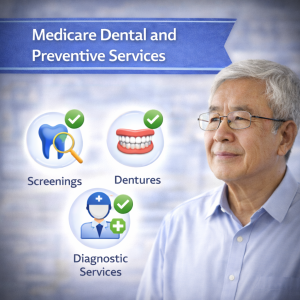
Preventive services play a pivotal role in maintaining oral health, often covering such basics as twice-yearly oral examinations, cleanings, and X-rays.

These procedures are designed to prevent the onset of dental issues, catching problems early when they’re typically easier and less costly to treat.

Unfortunately, traditional Medicare doesn’t generally include a wide array of preventive dental care services, which can be a significant concern for those relying solely on it for healthcare needs.

However, certain Medicare Advantage plans might offer such coverage, tailoring it to specific health requirements and premiums.

While traditional plans focus more on medical and hospital insurance, seniors exploring dental care through Medicare Advantage might find benefits that align better with their dental care strategies.

These plans, provided by private insurance companies, often include preventive services as part of their package, potentially encompassing cleanings, exams, and sometimes even fluoride treatments.

The inclusion of these services can be an excellent supplement to overall healthcare strategies, minimizing out-of-pocket expenses for routine care and potentially more.

Preventive dental care extends beyond just basic cleaning and exams. For example, fluoride treatments can be a preventive service covered under certain plans, aimed at reducing the risk of cavities.

Similarly, dental sealants could be another feature, although these are more common in pediatric dentistry.

Even though regular Medicare might not cover these services, understanding that preventative options exist through alternative plans can aid in making sound decisions about dental health.

With the right selection of a Medicare Advantage plan, seniors can ensure they are receiving adequate preventive care, thus maintaining their oral health and, by extension, their overall well-being.

It’s always wise to review your specific plan details or consult with a healthcare advisor to understand how your current coverage supports preventive dental services.

medicare dental and preventive services

Understanding the Costs of Dental Care with Medicare

For Medicare beneficiaries exploring dental care, understanding the costs is crucial. Traditional Medicare often leaves significant gaps in dental coverage, forcing seniors to face out-of-pocket expenses for dental services.

With varied coverage options through Medicare Advantage plans and other dental insurance, assessing these costs thoroughly can aid beneficiaries in making informed decisions about their dental needs.

These plans sometimes offer dental benefits, but it’s important to explore how costs are structured and managed. Let’s delve into what to expect with out-of-pocket costs when navigating dental care with Medicare.

What to Expect With Out-of-Pocket Costs

When considering dental care under Medicare, out-of-pocket costs become a prime consideration for beneficiaries.

Traditional Medicare typically doesn’t cover most dental services, which means seniors may be responsible for a significant portion of their dental care expenses.

This can include routine procedures like check-ups and cleanings, as well as more extensive treatments such as fillings or crowns.

The term “out-of-pocket” refers to these expenses that beneficiaries need to cover themselves, as Medicare’s coverage of dental care is usually limited to situations where dental treatment is integral to a covered medical procedure.

For those seeking broader dental benefits, Medicare Advantage plans often emerge as viable alternatives, but they, too, come with their unique cost structures.

These plans may include additional premiums specifically for dental coverage, which can be a prudent investment to reduce future dental care expenses.

However, even with these plans, beneficiaries might face copayments, deductibles, or annual limits on covered services. Understanding the details of each plan’s costs can prevent unexpected financial burdens.

Comparing plans and identifying ones that minimize out-of-pocket costs while aligning with individual healthcare needs can ensure smarter financial management for dental health.

Additionally, standalone dental insurance plans are an option some might consider. These plans are not tied to Medicare but can be integrated into an individual’s overall health strategy to provide extensive dental coverage.

While such plans might cover more services, they also come with additional premiums and possibly higher out-of-pocket costs, depending on the services required and the providers chosen.

Ensuring that the chosen plan fits personal budgetary constraints while covering essential dental services is crucial for maintaining both dental health and financial well-being.

It’s important for beneficiaries to calculate these out-of-pocket costs realistically when planning for dental care.

Staying informed about the overall costs associated with dental care under different types of insurance, such as CMS guidelines and Medicare Advantage variations, allows seniors to make decisions that are both financially sound and in line with their healthcare objectives.

By scrutinizing each plan’s offerings and potential expenses, seniors can place themselves in a stronger position to manage dental care costs efficiently.

Therefore, leveraging resources, seeking expert advice, or using online tools to compare dental coverage options can support better financial and healthcare outcomes, ensuring preparedness against dental costs that may arise.

Finding Dental Coverage That Matches Your Needs

Finding the right dental coverage that aligns with your unique needs is crucial, especially for seniors who want to avoid large out-of-pocket expenses.

With various options available under Medicare Advantage and other dental insurance plans, understanding your needs helps eliminate confusion about coverage differences.

Seniors should look at their specific dental care needs, local offerings, and the types of services covered. This way, they can ensure comprehensive coverage without overpaying or missing out on essential services.

Let’s dive into the questions seniors should consider when choosing a plan.

Questions Seniors Should Consider When Choosing a Plan

When selecting a dental plan, seniors need to ask significant questions that can influence their choice and ensure dental service coverage matches their needs. Start by evaluating what types of dental care you require.

Do you need regular checkups, preventive dental care, fillings, or more extensive procedures like crowns or dentures? Knowing your existing dental needs will guide you toward a plan that offers appropriate coverage while managing out-of-pocket costs effectively.

Speaking of coverage, another consideration is whether the plan includes the necessary procedures, as Medicare often limits its scope, focusing more on overall health care rather than dental specifics.

Next, seniors should explore the network of dentists associated with each plan. It’s essential to find a dentist within the plan’s network to make the most of the dental coverage and avoid higher costs.

Some plans might restrict coverage to a particular group of providers, so it’s crucial to verify if your preferred dentist participates.

If finding a specific provider is a priority, ensure the plan offers flexibility, letting you choose the dentist you trust rather than switching just for the plan’s sake.

This aspect not only affects costs but also impacts continuity of care, which is vital for seniors managing chronic health conditions.

Assessing the financial side involves looking into the premiums, copayments, deductibles, and potential out-of-pocket maximums that come with each plan.

A lower-premium plan might seem attractive initially, but it could result in higher overall costs due to limited coverage options. Understanding these costs will give seniors a clearer picture of what fits into their budget while providing sufficient coverage.

Additionally, examining waiting periods for certain services can prevent surprise expenses. Some dental insurance plans have waiting periods for more extensive procedures, which means coverage wouldn’t begin until the waiting period ends.

Finally, it’s wise to explore how Medicare Advantage plans differ from traditional Medicare in terms of dental offerings.

While traditional Medicare might not cover dental services comprehensively, many Medicare Advantage plans include dental benefits that go beyond basic needs.

Knowing these differences allows seniors to choose a plan that not only covers immediate requirements but also anticipates future dental health.

In conclusion, asking the right questions and understanding the specifics of each plan ensures that seniors can find the perfect balance of cost, coverage, and care quality, tailored to their individual dental care needs.

Keeping these considerations in mind, let’s explore key factors to help seniors make an informed decision when selecting a dental plan:

  • Evaluate the types of dental services you frequently use and their coverage.
  • Confirm if your preferred dentist is within the plan’s network.
  • Compare plan premiums, copayments, and overall out-of-pocket costs.
  • Investigate any waiting periods for specific dental procedures.
  • Understand the distinctions between Medicare Advantage and traditional Medicare dental benefits.
  • Determine flexibility in choosing or changing your dentist under the plan.
  • Assess the coverage for both routine and unexpected dental issues.

These guidelines ensure a comprehensive approach to choosing a dental plan that suits individual needs effectively.

Understanding your Medicare dental coverage and preventive services can feel complex, but it’s essential for maintaining good oral health. By exploring different plans, you can find one that fits your needs and budget.

Remember, dental benefits and costs can vary based on location and provider. Taking the time to research will help ensure that you receive the dental care you need. For more details, enter your ZIP code to explore available dental insurance options near you.

This will guide you in choosing a plan that offers the coverage and benefits suited to your unique circumstances.

Compare Dental Plans

Frequently Asked Questions

Does traditional Medicare cover dental services?

Traditional Medicare, which includes Part A and Part B, primarily focuses on medical and hospital care, and does not usually cover dental services. This means routine dental care like cleanings, exams, fillings, crowns, and dentures are generally not covered. However, if a dental procedure is necessary as part of a Medicare-covered medical treatment, it may be included.

What are Medicare Advantage plans, and do they include dental coverage?

Medicare Advantage plans, also known as Part C, are offered by private insurance companies approved by Medicare. These plans often provide additional benefits beyond traditional Medicare, including dental coverage. The extent of dental benefits can vary significantly from plan to plan, covering preventive services like cleanings and exams, and potentially including more extensive procedures.

How can I determine which dental plan is right for me?

Choosing the right dental plan involves evaluating your current and foreseeable dental care needs. Consider whether you need routine preventive care, such as cleanings and exams, or more complex procedures like crowns or dentures. Review the network of dental providers, plan costs, including premiums and out-of-pocket maxima, and any waiting periods for coverage. Comparing plans and their benefits can help align them with your healthcare needs and budget.

What are out-of-pocket costs for dental care under Medicare?

Seniors with traditional Medicare generally face out-of-pocket expenses for dental care, as typical services are not covered. Medicare Advantage and standalone dental plans might offer dental coverage but could also involve additional out-of-pocket costs such as copayments, deductibles, or premiums. It’s essential to review these details to effectively manage healthcare expenses.

Can preventive dental services be covered under Medicare?

Preventive dental services, such as cleanings and exams, are not typically covered by traditional Medicare. However, some Medicare Advantage plans include such services as part of their benefits. These plans might cover routine examinations, cleanings, and possibly fluoride treatments, reducing out-of-pocket costs and promoting better oral health.

Have Questions?

Speak with a licensed insurance agent

1-833-667-3396

TTY users 711

Mon-Fri: 8am-9pm ET

Find & Compare Plans Online

Speak with a licensed insurance agent

1-833-667-3396TTY 711

Mon-Fri: 8am-9pm ET

ZRN Health & Financial Services, LLC, a Texas limited liability company