Locating plans that complement Medicare requires thoughtful consideration, given the multifaceted nature of dental coverage. Medicare Advantage plans are often the favored choice for seniors seeking coverage that includes dental benefits.
However, not all Advantage plans are created equal, highlighting the importance of analyzing each plan’s dental coverage limits, included services, and any imposed restrictions.
Seniors are advised to evaluate this in conjunction with their regular dental health needs to avoid gaps in coverage or unexpected expenses.
Standalone dental insurance serves as an effective means of supplementing Medicare.
When selecting a policy, it’s beneficial to consider the types of services covered, such as preventive, basic, or major dental care, along with associated cost parameters like premiums and out-of-pocket maximums.
Including policies that accommodate services not typically covered by Medicare, such as dentures or bridges, can offer peace of mind, knowing that care is available without major financial strain.
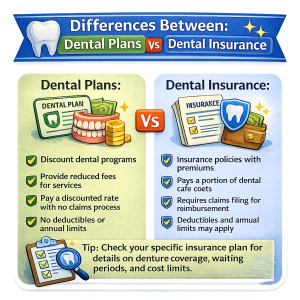
The role of dental discount plans in complementing Medicare should not be underestimated. These plans provide another layer of financial relief by granting access to discounted dental services.
It’s essential for seniors to compare the discount rates with anticipated dental expenses, ensuring the membership fees are justified by actual savings realized through provider networks.
This supplemental method, although limited in coverage, can play a critical part in comprehensive dental cost management.
Furthermore, Medicaid can sometimes complement Medicare, notably for eligible seniors with limited incomes, though variations exist based on state policies.
Medicaid’s coverage often includes dental services absent in Medicare, thus acting as a valuable resource in comprehensive care strategies.
Assessing Medicaid eligibility and covered services is imperative for those eligible, as it opens avenues to additional care solutions without undue financial pressure.
Ultimately, finding the right plan mix to complement Medicare involves a strategy that carefully considers personal health profiles, financial constraints, and the breadth of dental services needed.
Consulting with dental insurance specialists can be an invaluable step, providing clarity in plan selection by presenting options tailored to personal circumstances and health care ambitions.
This holistic approach, paired with accessible resources like bestdentalinsurance.org, empowers seniors to feel secure and informed as they navigate the world of dental coverage and secure their health care futures.
Navigating the world of dental plans alongside Medicare can seem daunting, but here’s a list of practical tips to help simplify your decision-making.
- Review what dental services you use most and check if they’re covered.
- Compare different plans side-by-side to easily spot the best terms.
- Don’t overlook the reputation of the dental providers included in the network.
- Look out for any annual or lifetime limits that may affect coverage.
- Consider the total cost, not just the premium, for a realistic budget view.
- Check if your preferred dentist is part of the plan’s network.
- Ask about any waiting periods before coverage kicks in.
- Ensure compatibility with your existing Medicare plan for seamless coverage.
By keeping these tips in mind, you can confidently choose the dental plan that best suits your needs while complementing your Medicare coverage.
Understanding the gaps in Medicare dental coverage is key to making informed choices about your dental health. By exploring available options, you can find plans that help reduce unexpected out-of-pocket expenses and fit your needs.
Coverage and costs vary, so it’s wise to compare offerings in your area. For further guidance, enter your ZIP code on the website for personalized information.
Being informed empowers you to seek coverage that supports maintaining a healthy smile. Remember to consider plan benefits, costs, and provider networks when exploring dental insurance options.