When considering Aetna dental plans, comparing costs and services is essential to determine the most suitable choice for your needs.
Aetna’s plans, including the Dental DMO and PPO, offer distinctive features regarding costs and coverage, impacting your out-of-pocket expenses and access to dental care.
Understanding the nuances between these plans can guide you in selecting the one that aligns with both your financial and healthcare priorities.
Aetna Dental DMO plans are renowned for their structured approach, focusing on preventive services and cost predictability.
With a DMO plan, you’ll select a primary dentist from Aetna’s network who will coordinate your care, ensuring a streamlined process for scheduling appointments and accessing services.
The primary advantage of this plan lies in its copayment system, where you pay a fixed fee for services, making it easier to budget and avoid unexpected costs.
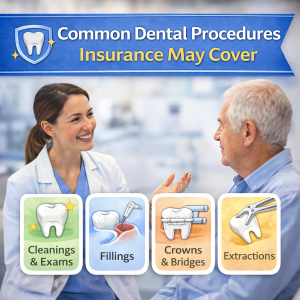
Routine services such as cleanings and exams typically have low copayments, which can encourage regular dental visits and early prevention.
On the other hand, Aetna’s PPO plan offers greater flexibility with a wide choice of dentists, both in-network and out-of-network.
This plan structure is appealing if you value freedom in selecting healthcare providers or wish to maintain relationships with specific dentists. While the PPO plan often involves higher premiums than a DMO, the trade-off is increased choice and convenience.
Preventive services under the PPO might still have minimal copays, but basic and major services often require you to meet a deductible first, followed by coinsurance.
This cost-sharing setup means you’re responsible for a percentage of the service costs, typically ranging from 10% to 30%, after the deductible is met.
Flexibility within the PPO plan is beneficial if you foresee needing specialized dental care or value the ability to choose your dentist.
However, remember that in-network services usually incur lower costs due to negotiated rates, whereas out-of-network services can result in higher expenses. This aspect of cost management is a pivotal consideration when weighing your options.
Both Aetna plans provide comprehensive networks of dentists, ensuring access to quality care regardless of your preference.
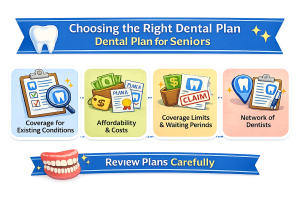
The choice between a DMO and a PPO will largely depend on your financial flexibility, the importance of provider choice, and your anticipated dental care needs. If you prioritize cost predictability and straightforward care coordination, the DMO might suit you better.
However, if you lean toward flexibility and a broader network, the PPO offers significant benefits.
Understanding these cost structures and service differences empowers you to make informed decisions. Review specific plan details, considering your dental history, potential future needs, and financial situation.
By comprehensively assessing Aetna’s plans, you stand better positioned to optimize your dental insurance benefits and enhance your oral health management.
Enter your ZIP code on the website to explore your Aetna dental options further, realizing how plan specifics and local service availability can influence your ultimate choice.