Blue Cross Blue Shield Dental Insurance for Seniors

Explore Blue Cross dental plans designed with seniors in mind. Understanding dental insurance can be complex, but we’re here to simplify it for you. Discover various coverage options, from routine check-ups to more extensive procedures like crowns and dentures.

Each plan varies by location and provider, so it’s important to find the right fit for your needs and budget. Learn how Blue Cross and other companies like Cigna can help you access essential dental care, reduce unexpected costs, and maintain your oral health. Enter your ZIP code to explore plans available in your area and make informed decisions about your dental coverage.

Key Highlights

  • Blue Cross dental plans offer a wide provider network and focus on preventive care, aiding senior dental needs.
  • Seniors benefit from basic services like cleanings and major work, such as dentures, offered under Blue Cross plans.
  • Affordable dental coverage allows seniors to predict expenses, managing dental care without financial strain.
  • Factors like premiums, network size, and location impact dental plan costs, crucial in seniors’ decision-making.
  • BCBS provides crucial supplemental coverage, reducing out-of-pocket costs and aiding seniors’ comprehensive dental care.

Compare plans and enroll online

Understanding Blue Cross Dental Plans

Blue Cross dental plans offer a wide range of options designed to meet the diverse needs of retirees and seniors. With a focus on providing coverage and flexibility, these plans can help members find suitable dental services while managing costs.

From preventive care to more comprehensive treatments, Blue Cross plans stand out due to their extensive network and reliable customer service. Learning about the unique features and target beneficiaries of Blue Cross dental plans can help seniors and their caregivers make informed decisions about dental health insurance, ensuring peace of mind and better oral health.

What Makes Blue Cross Plans Unique?

Blue Cross plans are renowned for their versatility and member-centric approach, which makes them particularly attractive to seniors seeking comprehensive dental coverage. One of the key elements that sets Blue Cross dental plans apart is their extensive provider network. This ensures that members have access to a wide array of dental professionals, facilitating the choice of preferred practitioners and locations.

The focus on accessibility means retirees and seniors can receive care without the stress of long-distance travel. Additionally, Blue Cross plans frequently incorporate preventive care, which is essential for maintaining dental health. Preventive services can include routine check-ups, cleanings, and essential diagnostic procedures, helping to keep potential issues at bay.

Another distinctive feature of Blue Cross dental plans is their adaptability to different needs and budgets. By offering a variety of plan options, from basic to more comprehensive coverage, seniors can select plans that best fit their financial situation and dental care needs. This flexibility also extends to resources provided by Blue Cross, such as online tools and customer support, which assist members in understanding benefits and managing their care.

Moreover, Blue Cross’s commitment to educating seniors about their plans further enhances the member experience by empowering them with the knowledge to make well-informed decisions. Additionally, the focus on affordability and tailored benefits ensures that retirees can achieve optimal oral health without overwhelming financial stress.

Who Can Benefit from These Plans?

Blue Cross dental plans are particularly beneficial for retirees, seniors, and other eligible members seeking comprehensive and affordable coverage. Senior citizens often face a range of dental health challenges that require regular care, from maintaining oral hygiene to addressing more complex dental work.

Blue Cross caters to these needs by providing plans that emphasize preventive and essential services, reducing the risk of more serious dental issues down the line. Seniors benefit significantly from plans offering coverage for routine procedures like cleanings and examinations, which can help detect potential problems early.

Retirees transitioning to a fixed income can also find value in Blue Cross dental plans due to their cost-effective solutions. These plans allow seniors to predict and manage dental care expenses better, alleviating the financial burden often associated with dental treatments. Furthermore, the flexibility of Blue Cross plans can accommodate various dental care needs, making them suitable for individuals at different stages of life or those with specific dental concerns.

Families and caregivers of seniors can also appreciate the peace of mind that comes from knowing there’s a robust plan in place to support ongoing dental health. By choosing a Blue Cross plan, seniors join a group that prioritizes their needs, with comprehensive resources for managing their oral health effectively and affordably.


Plan FeaturesCoverage DetailsEligible Groups
Wide Network AccessNationwide dentist optionsSeniors, Retirees
Preventive ServicesIncludes routine exams and cleaningsAll participants
Comprehensive CareBasic and major services coveredVaries by plan selection
FlexibilityChoice of plans to suit individual needsSeniors, Retirees

This table complements the understanding of Blue Cross dental plans by succinctly highlighting their unique features and benefits. It emphasizes the wide network access, comprehensive care options, and flexible plans that cater specifically to seniors and retirees, enhancing their dental health management.

Types of Dental Coverage Available

Navigating the world of dental coverage can be a bit daunting. Blue Cross offers a variety of dental plans designed to cater to varying senior needs. These plans emphasize preventive services and extend to more specialized treatments. Understanding how these options fit individual care requirements and financial situations can help seniors make sound choices.

From routine check-ups to major dental work, Blue Cross creates pathways to better oral health. Let’s explore how these coverage types support seniors in maintaining optimal dental health and managing treatment costs effectively.

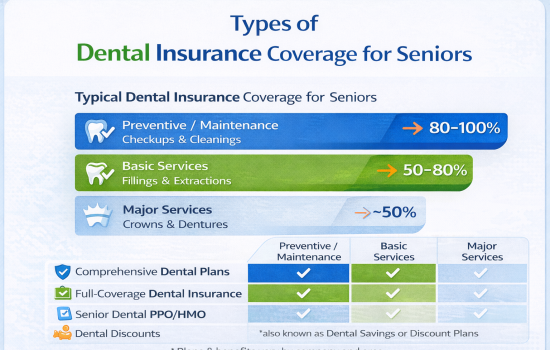
Preventive Services and Basic Care

When it comes to maintaining good oral health, preventive services are paramount. Blue Cross dental plans ensure that seniors have access to essential dental care services. These services typically include routine check-ups and cleanings’ the cornerstone of any effective dental regimen.

Regular visits to the dentist can help catch potential issues before they become major problems, saving you time, discomfort, and money in the long run. Blue Cross emphasizes care coordination by offering a wide network of dentists. So, finding a convenient provider for your regular appointments is easier than ever.

Basic services under Blue Cross dental plans don’t just stop at cleanings. They also cover fillings, extractions, and other primary treatments needed to maintain healthy teeth. This kind of dental coverage is particularly beneficial for seniors, as it allows them to handle common issues without breaking the bank.

Access to these services ensures that any emerging dental care needs are addressed promptly, preserving not just oral health but overall health. Remember, oral health is a crucial component of overall well-being, especially as we age.

The network of providers plays a significant role here, ensuring that you’re paying less out-of-pocket when seeing in-network dentists. This focus on preventive care, combined with manageable costs, underscores Blue Cross’ commitment to accessible, quality healthcare for seniors.

By taking advantage of these preventive services and basic care, you’re investing in your long-term health and peace of mind. Signing up for a Blue Cross plan can simplify dental care, letting you focus on what matters: staying healthy and happy at any age.

Major Dental Work and Specialized Treatments

For those facing more significant dental health challenges, Blue Cross dental plans can come to the rescue with comprehensive coverage for major dental work. This type of coverage includes complex procedures like crowns, bridges, dentures, and even implants.

These treatments can be essential for maintaining functional and aesthetic aspects of oral health, especially for seniors who might be dealing with tooth loss or severe decay. Access to such services can greatly enhance one’s quality of life by restoring important functions like eating and speaking comfortably.

However, major dental work often comes with higher costs, and having suitable insurance coverage can make a significant difference in managing these expenses. Blue Cross dental plans are carefully structured to include major procedures, ensuring that seniors are not left bearing high out-of-pocket costs.

Covered treatments can prevent unexpected financial burdens and provide the necessary support to pursue dental care proactively. The commitment to a broad network of providers again ensures competitive rates and availability of the best care possible.

Specialized treatments are another key component of Blue Cross’s offerings. These might include orthodontics, periodontics, or even oral surgery when required. Having the assurance that your insurance covers such specialized care means that you’re prepared for the intricacies of dental health needs as you age.

Seniors and caregivers alike can find reassurance in the fact that their plan is designed to address comprehensive oral health challenges. By understanding the scope of coverage and utilizing it effectively, seniors can maintain their dental health without the stress of overwhelming costs or limited care options.

Types of dental coverage available for seniors

Costs and Affordability

Choosing the right dental plan involves understanding its costs and affordability, especially when it comes to options like Blue Cross dental plans for seniors. Evaluating the premium, coverage limitations, and out-of-pocket expenses can prevent unexpected financial burdens.

It’s essential to consider factors that affect the cost of these plans, as well as how to compare dental insurance effectively. By assessing individual needs and network advantages, seniors can find plans that align with their budget while still providing comprehensive dental care.

Factors Affecting Dental Plan Costs

When assessing dental plan costs, several crucial factors come into play. Primarily, the premium you’ll pay is determined by the scope of the insurance coverage you choose. Plans that offer extensive benefits, including major dental work or specialized treatments, generally have higher premiums than basic coverage options.

Moreover, the insurance network significantly affects costs. Plans within a larger network tend to offer more competitive rates due to their extensive provider connections, which can lead to reduced out-of-pocket expenses for in-network services.

Another factor that can influence costs is the individual’s specific dental care needs. Seniors, for instance, may require more frequent dental visits, impacting the overall cost of their coverage. It’s essential to consider the affordability of various plans by examining the listed resources and documents that detail coverage inclusions and exclusions.

Understanding these documents helps avoid surprises and manage costs effectively. Additionally, knowing how plan policies are structured regarding preventive, basic, and major services makes it easier to anticipate and manage dental expenses.

The geographic location also plays a critical role in determining the cost of a dental plan. Regional variations in healthcare costs can affect premiums and covered expenses, meaning the same plan might be priced differently based on where you live.

Therefore, it’s wise to compare the costs of similar plans across different regions to gain a broader perspective on pricing. Overall, being aware of these factors enables seniors to select a plan that balances comprehensiveness with affordability, ensuring effective and manageable oral healthcare.

How to Compare Dental Plans for Seniors

Comparison is key when exploring dental plans for seniors, and it starts with analyzing the cost structures of different options. Begin by comparing premiums, which are often a fixed cost you’ll pay monthly. Assess the benefits of each plan by reviewing the coverage details in its documents.

Consider how these benefits relate to your dental needs, focusing on areas like preventive care, basic services, and major treatments. Comparing networks is crucial, too. A robust network means more choice in providers and potentially lower out-of-pocket costs when opting for in-network care.

Another important aspect of comparison is understanding the plan’s out-of-pocket maximums and deductibles, which determine how much you’ll pay before your insurance coverage kicks in fully. Plans that offer a lower out-of-pocket cost can make more financial sense in the long run, especially for seniors needing regular care.

It’s beneficial to look at plan options side-by-side, employing available resources and online tools provided by insurers to make an informed decision. Remember to consider individual dental needs and how different plan structures address these requirements.

Comparing plans also involves evaluating the plan’s adaptability to changing life circumstances. Seniors should consider whether a plan allows for flexible adjustments, such as adding new members or modifying services as needs evolve. Group plans may offer specific advantages in terms of cost when compared to individual coverage.

By conducting a thorough comparison that includes these components, seniors can identify the dental insurance policy that offers the best value and coverage for their unique circumstances. This approach not only boosts confidence in choosing a suitable plan but also ensures you’re paying only for the coverage you need.

To expand on how to effectively compare dental plans for seniors, consider the following key factors that can guide your decision:

  • Evaluate if plans allow adjustments for changing needs or household members.
  • Consider the lifetime benefit caps and their implications for your long-term care.
  • Verify if emergency dental services are included and any potential cost implications.
  • Analyze waiting periods for specific services and how they fit your immediate needs.
  • Investigate the reputation and financial stability of the insurance provider.
  • Determine if the plan offers discounts for enrolling multiple family members.
  • Check for any value-added services like tele-dentistry or preventive wellness programs.

Thorough consideration of these aspects will help tailor your dental plan to your evolving requirements.

Find & Compare Plans Online

Speak with a licensed insurance agent

1-833-667-3396TTY 711

Mon-Fri: 8am-9pm ET

Importance of Supplemental Dental Insurance

Finding the right dental insurance is crucial for both maintaining oral health and managing financial risks, especially for seniors. Supplemental dental insurance plays a vital role here, providing additional coverage to fill gaps left by primary insurance plans. This becomes particularly important when unforeseen dental treatments arise, necessitating broader coverage.

Blue Cross Blue Shield (BCBS), a respected leader in medical insurance, offers plans that embody these supplemental advantages. Exploring how BCBS and other such plans support dental health can help seniors and their caregivers find peace of mind, reduce financial stress, and promote overall health.

How Does BCBS Play a Role in Coverage?

Blue Cross Blue Shield (BCBS) stands out as a prominent provider of supplemental dental insurance, particularly catering to seniors. The role BCBS plays in providing coverage is pivotal due to its extensive network, which expands access to various dental services that might not be fully covered by other insurance avenues. By utilizing this network, BCBS members benefit from reduced out-of-pocket costs when they opt for in-network services, making dental care more affordable and predictable.

The advantages of BCBS are underscored by its comprehensive resources that guide seniors in making informed decisions about their dental care. These resources include access to detailed service descriptions and policy comparisons, allowing members to understand the breadth of their coverage options. BCBS’s group nature also allows seniors to partake in plans that may offer additional coverage layers, thus filling in gaps that basic dental plans may leave. This is particularly beneficial for preventive services, which are crucial for maintaining long-term oral health.

Furthermore, BCBS’s supplemental plans can adapt to the evolving dental needs seniors face. This adaptability ensures coverage for a wide array of services, from routine check-ups to major procedures. For example, if a senior requires more advanced dental work such as implants or dentures, BCBS’s supplemental insurance can offer substantial financial relief by offsetting significant costs that primary insurance might not cover. As seniors age, the flexibility of their plan can ensure continuous care without unexpected financial burdens, thus enhancing their overall quality of life.

In summary, the role of BCBS within supplemental dental coverage lies in its ability to augment existing plans with additional, crucial resources and services. This ensures seniors have access to a wide range of dental care without the prohibitive costs, thereby safeguarding both their teeth and their pocketbooks. For those seeking to maintain dental health as they age, BCBS offers diverse options that promise affordability, accessibility, and comprehensive support through its vast network and adaptable services.

Blue Cross Blue Shield supplemental dental insurance for seniors

Exploring Medicare and Dental Insurance Options

When it comes to health care coverage, understanding the intersection of Medicare and dental insurance is crucial for seniors. Medicare itself doesn’t typically provide dental benefits, which means exploring additional Medicare options or supplements becomes necessary. For seniors seeking comprehensive dental coverage, pairing Medicare Advantage plans with separate dental insurance can offer more complete healthcare benefits, including essential dental coverage.

With various Medicare Advantage plans available, seniors can find tailored solutions that often bundle different types of coverages, although details need close examination to ensure they meet specific dental needs. Adding a Medicare supplement can further enhance these benefits, covering gaps that Medicare leaves, particularly concerning routine dental procedures. Learning about these options leads to informed decisions that align with individual health profiles and budgets.

To make the right choice, it’s essential to utilize available resources for comparing Medicare plans alongside standalone dental plans. These resources can provide an overview of how each option addresses specific dental needs.

It’s also important to understand the role of providers like Blue Cross, which can complement Medicare plans with their own dental networks and supplementary policies. This means seniors and caregivers must delve into coverage details to avoid missing out on optimal dental health benefits.

By considering all these factors, including comprehensive resources, seniors can navigate the complexities of Medicare and dental insurance effectively. Always keep in mind that coverage and costs can significantly differ based on location, which makes entering your ZIP code on platforms like bestdentalinsurance.org an excellent first step in finding the right plan for your needs.

We hope this guide has helped you better understand Blue Cross dental plans and how they can support your dental health needs. Remember to explore different plan options to find one that aligns with your coverage requirements and budget.

You can enter your ZIP code on our site to learn more about dental insurance options in your area. This information can help you make informed decisions for maintaining your oral health confidently and comfortably.

Compare plans and enroll online

Frequently Asked Questions

What types of dental procedures are covered under Blue Cross dental plans for seniors?

Blue Cross dental plans for seniors typically cover a range of procedures from preventive care such as cleanings and check-ups to major work like crowns, dentures, and implants. Each plan may vary based on specific coverage, location, and provider network.

How can Blue Cross dental plans help manage dental care costs for seniors?

These plans help seniors manage costs by providing coverage for various dental services, reducing out-of-pocket expenses, and offering predictable costs through affordable premiums. By focusing on preventive care, seniors can avoid more costly treatments in the future.

How do Blue Cross dental plan benefits vary based on location?

The benefits of Blue Cross dental plans can vary by location due to differences in provider networks and regional healthcare costs. It’s important to enter your ZIP code to explore specific plans available in your area.

What is the role of preventive care in Blue Cross dental plans for seniors?

Preventive care is a cornerstone of Blue Cross dental plans, emphasizing routine check-ups, cleanings, and diagnostics to maintain oral health and prevent serious issues. This focus helps seniors keep their dental health in check over time.

How do Blue Cross dental plans support accessibility to dental care for seniors?

Blue Cross dental plans support accessibility by offering an extensive provider network, allowing seniors to choose from a wide range of dentists and services, reducing travel needs, and increasing convenience for receiving care.

Have Questions?

Speak with a licensed insurance agent

1-833-667-3396

TTY users 711

Mon-Fri: 8am-9pm ET

Find & Compare Plans Online

Speak with a licensed insurance agent

1-833-667-3396TTY 711

Mon-Fri: 8am-9pm ET

ZRN Health & Financial Services, LLC, a Texas limited liability company