Cost of Dental Insurance for Retirees

Retirees often find that dental insurance can help manage expenses related to their oral health. With many options available, understanding the cost of dental insurance for seniors can ease the burden and provide peace of mind. While each plan has its unique features, knowing what to expect in terms of coverage and premiums is crucial.

Navigating these choices becomes important for maintaining affordable dental plans that suit individual needs. Discovering the different types of plans and their benefits can guide retirees to make informed decisions about their dental care. This page explores essential information to support your journey.

Key Highlights

  • Dental insurance helps retirees manage oral health costs, providing peace of mind about expenses and necessary care.
  • Identifying affordable plans involves understanding coverage, using cost estimators, and considering provider networks.
  • DeltaCare USA offers predictable costs with no deductibles, making it user-friendly for retirees on fixed incomes.
  • AARP Dental plans offer flexibility through PPO models, covering a wide range of dental services for seniors.
  • Understanding service coverage and benefits allows retirees to maximize their dental insurance and maintain oral health.

Compare plans and enroll online

Understanding Dental Insurance for Retirees

Dental insurance plays a vital role for retirees who are keen on maintaining their oral health without straining their finances. Understanding how plans work, what they cover, and the insurance details is crucial in making informed choices. We’ll explore why having dental insurance is essential and delve into common coverage options available to help retirees choose the right plan.

With dental benefits varying by provider and location, informed decisions can empower seniors to secure the care they need. Let’s look into why dental insurance holds significant value and unpack the various coverage options you might encounter.

Why Dental Insurance is Important

As we age, maintaining oral health becomes critically important, both for quality of life and overall well-being. Dental insurance is not just about covering the cost of a routine visit to the dentist. It’s a strategic way for retirees to manage dental care expenses associated with preventive services, fillings, and more significant procedures like crowns or dentures.

Without insurance, the high costs of care can accumulate quickly, leading many to forgo necessary services due to financial strain. This decision can impact not only oral health but also general health, as research has linked oral health to cardiovascular disease, diabetes, and other health issues.

Insurance plans are designed to mitigate financial burdens by covering part or all of certain expenses. For retirees on fixed incomes, the reassurance that dental benefits are available makes it easier to prioritize regular dental visits and avoid larger bills down the line.

Most dental plans offer a range of services with clear outlines of what’s covered and any waiting periods that apply. Understanding these components in insurance plans is crucial. Seniors and their families need to understand dental insurance plans’ nuances to find options that provide the coverage they truly need.

Along with preventive care, planning for unexpected dental issues is equally important. Having a dental insurance plan ensures that when unexpected dental problems arise, retirees are not faced with exorbitant out-of-pocket costs. This is particularly vital for those living on retirement funds, where every dollar counts.

The peace of mind that comes with knowing that potential major dental expenses will not completely derail one’s budget is invaluable. In essence, dental insurance serves as a financial safety net, ensuring retirees can access quality dental care services without undue financial stress.


Coverage TypesCost ConsiderationsEssential ServicesPlan Flexibility
Preventive CareMonthly PremiumsRegular Check-upsNetwork Restrictions
Basic ProceduresDeductiblesCleaningsIn-Network Providers
Major ProceduresCo-paymentsX-raysOut-of-Network Options
Orthodontic CareAnnual LimitsOral ExaminationsPlan Customization

This table outlines critical aspects of dental insurance options for retirees, emphasizing the importance of carefully selecting a plan that meets both health needs and financial circumstances.

Common Coverage Options Explained

Selecting a dental insurance plan can be overwhelming due to the multitude of options available. Typically, plans differ mainly in the extent of services covered and the costs involved. Basic plans often cover preventive care, like cleanings and routine checkups, which are vital for maintaining overall dental health.

More comprehensive plans might cover other essential services such as fillings, extractions, root canals, crowns, and even dentures. Understanding what’s included in these plans helps retirees prioritize their coverage based on personal needs.

Most plans have defined coverage limits, deductibles, and co-pays. Knowing these details helps in managing expectations and avoiding surprises when it comes to paying for care. It’s important to note that some plans might require waiting periods before covering certain procedures, which means planning ahead is essential.

Furthermore, knowing whether a plan has a network of preferred dentists is also beneficial. A network plan might offer better rates with certain dentists, which could be advantageous for retirees looking to maximize their dental benefits while reducing costs.

Understanding these terms and conditions is key to navigating the complexities of dental insurance. Retirees will want to compare different options to ensure they pick a plan that aligns with their health needs and budget. A family member should examine potential out-of-pocket expenses and the range of services offered.

Additionally, retirees may want to verify if the preferred dentist is within the plan’s network. Knowing these points can significantly affect the utility of a plan. Exploring plans that cater specifically to seniors and retirees, such as plans under DeltaCare USA or AARP Dental, can also provide tailored options that may better fit their unique needs.

Dental insurance for retirees

Costs Associated with Dental Insurance

Navigating the intricacies of dental insurance costs is crucial for retirees looking to preserve their oral health without overspending. Dental insurance plans for seniors can vary widely, and understanding the factors that influence these costs is essential in selecting a suitable and affordable option.

Understanding what makes plans more or less expensive, as well as how to find an affordable dental plan, can empower retirees to make informed decisions. This section will delve into what contributes to the cost of dental insurance and provide guidance on identifying cost-effective plans.

Factors Influencing Insurance Costs

When considering dental insurance as a retiree, it’s important to recognize the different elements that impact the cost of plans. Generally, the premium, the amount paid each month, is at the forefront. Premiums can vary based on the extent of coverage, the insurance provider, and any additional benefits the plan offers.

For example, plans under Delta Dental might have different pricing structures than those with other providers. The location can also influence costs, as some areas may have more competitive rates due to insurance plan networks and the number of available providers.

Additionally, the type of services covered significantly affects cost. Plans offering comprehensive coverage for a wide array of services, including preventive services, fillings, crowns, and dental implants, typically have higher premiums compared to plans focused solely on preventive care.

Seniors should carefully consider their likely dental needs and choose a plan that covers necessary services without paying for unnecessary extras. Finding that balance is crucial for managing both short-term and long-term costs.

Another cost-related aspect is the consideration of deductibles and co-pays, these are out-of-pocket costs retirees must pay before and when accessing services. Plans with lower monthly premiums often come with higher deductibles and co-pays, and vice versa. For retirees on a fixed income, understanding this trade-off is vital.

Moreover, retirees should take note of annual maximum limits; these dictate the total coverage amount offered in a year. Exceeding this limit means additional out-of-pocket expenses, so knowing this cap is important when planning for care.

Lastly, networks play a pivotal role in determining costs. Plans that restrict coverage to a network of dentists often cost less than plans that offer coverage for any dentist. When evaluating an insurance option, it’s beneficial to check whether preferred dentists are within the plan’s network.

Utilizing a cost estimator can help in evaluating these factors, providing a clearer picture of what each plan might cost monthly and annually. Understanding these elements offers retirees a foundation to compare and select dental insurance plans wisely.

How to Determine Affordable Plans

Identifying affordable dental plans requires an informed approach to evaluating available options. Retirees can begin this process by assessing their specific dental needs, considering current dental health, potential future procedures, and routine care frequency.

This initial evaluation helps narrow down plans that provide the necessary coverage. Assessing premium rates with these needs in mind can help retiree couples decide what they can manage monthly without compromising other essential expenses.

Using a cost estimator can be a practical tool in this evaluation process. It offers an estimate of potential costs, allowing retirees to compare premiums, deductibles, and out-of-pocket expenses across various plans. By entering specific data like age, location, and expected use of services, retirees gain insight into how plan costs stack up against their budget. Online platforms often provide this feature and can streamline the search for a suitable plan.

When exploring plans, it’s beneficial to examine any exclusions, such as waiting periods for certain procedures, that might affect when you can receive care. Some plans might appear affordable but include waiting periods that can delay necessary treatments. Understanding these conditions in detail helps ensure that what seems cost-effective remains so in practice.

Retirees should also consider plans offering dental care discounts through preferred networks, these might be an effective way to cut costs while keeping quality dental services accessible. Delta Dental plans, for instance, may offer network discounts that lower service costs without excessive premium rates. Comparing networks and the discounts providers offer can illuminate pathways to cost savings.

Additionally, retirees can look into plans that adjust premiums based on preventive care adherence. Some providers reward regular dental visits and overall maintenance with lower rates. By maintaining steady usage and timely checkups, retirees can potentially reduce their monthly premiums, further enhancing affordability.

In summary, determining affordable dental plans involves understanding individual needs, utilizing tools like a cost estimator, paying attention to networks, and remaining vigilant about policy stipulations. Retirees can feel confident in choosing a plan that balances cost and coverage by considering all these aspects. Entering a ZIP code on dental insurance websites can customize the search, ensuring plans meet personal preferences and financial limits.

Find & Compare Plans Online

Speak with a licensed insurance agent

1-833-667-3396TTY 711

Mon-Fri: 8am-9pm ET

Exploring Dental Plans for Seniors

Navigating dental plans for seniors involves understanding the tailored options available, such as DeltaCare USA and AARP Dental. These plans are designed to meet the specific needs of retirees, ensuring they get the coverage necessary without overspending. It’s vital to explore how different plans, like PPO plans and specialized offerings, can provide essential benefits.

With various providers like Delta Dental offering diverse options, seniors must understand the costs, benefits, and limitations each plan presents. Let’s delve into these specialized plans and compare popular options to guide seniors in making informed choices.

Specialized Plans like DeltaCare USA

DeltaCare USA offers a unique approach tailored to seniors needing comprehensive dental coverage without the complexity often associated with traditional plans. As part of Delta Dental, one of the largest dental insurance networks, it brings an ease of use that retirees might find comforting.

This dental benefits plan differs from others by offering a pre-determined co-payment for dental services, which means seniors are aware of costs upfront. Knowing exactly what you’ll pay helps manage budgets, crucial for those on fixed incomes. This transparency makes DeltaCare USA a viable choice for many looking to avoid surprise expenses.

The plan emphasizes preventive and routine dental care, with minimal out-of-pocket expenses for services like checkups, cleanings, and basic fillings. These are often covered in full or with small co-pays, encouraging regular visits that help in maintaining oral health.

The emphasis on care aligns well with the priorities of seniors who wish to avoid major dental issues down the line. With a network of dentists readily available under this plan, retirees can enjoy peace of mind knowing their care is both accessible and predictable.

Another distinct feature is the absence of a deductible, making it straightforward for seniors to access dental services without needing additional financial planning for upfront costs. This contrasts with many PPO plans, where deductibles can make accessing initial care expensive.

DeltaCare USA plans also often come without an annual maximum, a significant relief for retirees who might worry about hitting cost ceilings mid-year. The flexibility offered here, covering a wide array of services under clear terms, suits seniors needing reliable and predictable dental care.

Considering the aspect of cost management, DeltaCare USA encourages seniors to focus on preventive care. Services like major dental procedures, though not covered entirely, are offered at significantly reduced rates, keeping affordability in check. Given the coverage structure, seniors needing regular dental work or with chronic conditions requiring consistent check-ups can particularly benefit from such plans.

Ultimately, understanding the nuts and bolts of DeltaCare USA’s offerings allows retirees to appreciate its extensive yet straightforward structure. It stands as a testament to a plan that balances cost-effectiveness with comprehensive care, elements crucial for retired individuals seeking dependable dental insurance solutions. Ensure you explore this with an understanding of location-specific offerings by entering your ZIP code for the best-available options.

Comparing Popular Options such as AARP Dental

Comparing dental plans can sometimes feel overwhelming given the array of choices, but AARP Dental plans often surface as a preferred option for many retirees. Known for its association with AARP, a trusted name among seniors, these plans are designed to provide robust coverage catering to both routine and extensive dental needs.

They often operate under a PPO model, providing flexibility that many retirees appreciate. This flexibility means seniors can choose any dentist but benefit from lower costs when staying within AARP’s network of providers.

AARP Dental plans usually cover a broad spectrum of services, from basic preventive care to more complex procedures like dentures and crowns. While typical preventive care is fully covered, there might be varying coverage levels for other services, so seniors need to scrutinize plan details thoroughly to understand potential out-of-pocket costs. Many retirees appreciate such comprehensive coverage, which provides peace of mind when unexpected dental issues arise, knowing they have a safety net in place.

The structure of AARP’s insurance plans, often in partnership with providers like Delta Dental, emphasizes manageable premiums, especially when weighed against the expected level of coverage. Premium levels might vary based on location, requiring seniors to check for specific plans available in their region. This regional variability sometimes results in a beneficial cost-to-coverage ratio, particularly in areas with competitive service networks, allowing retirees to maximize their dental benefits.

One of the notable advantages of AARP Dental plans is the customer support and educational resources provided. As a well-established organization, AARP ensures that retirees have access to clear, straightforward guidance, helping them understand their benefits fully. The inclusion of tools like online account management and cost estimators further empowers members to track their services and expenses, adding a layer of convenience and transparency.

For retirees considering their options, evaluating AARP Dental against other plans means looking at several factors: premiums, covered services, network provisions, and policy terms. The overall support and the trust that comes with an AARP endorsement may sway many towards opting for these plans. However, to fully appreciate what AARP offers, seniors should assess whether the convenience and coverage justify any additional costs over other network plans or dental benefits plans.

By evaluating AARP Dental plans alongside DeltaCare USA or other PPO offerings, retirees can match their personal needs with available coverage seamlessly. Detailed comparisons are key to making informed decisions, ensuring the chosen insurance plan genuinely meets the dental needs without overburdening financially.

This exploration and comparison, guided by personal requirements and available resources, help in securing a plan that balances affordability and comprehensive dental care, a crucial factor for a stress-free retirement. Checking available plans using your ZIP code may uncover plans that align closely with your needs and budget preferences.

The plan emphasizes preventive and routine dental care, with minimal out-of-pocket expenses for services like checkups, cleanings, and basic fillings. These are often covered in full or with small co-pays, encouraging regular visits that help in maintaining oral health.

The emphasis on care aligns well with the priorities of seniors who wish to avoid major dental issues down the line. With a network of dentists readily available under this plan, retirees can enjoy peace of mind knowing their care is both accessible and predictable.

Another distinct feature is the absence of a deductible, making it straightforward for seniors to access dental services without needing additional financial planning for upfront costs. This contrasts with many PPO plans, where deductibles can make accessing initial care expensive.

DeltaCare USA plans also often come without an annual maximum, a significant relief for retirees who might worry about hitting cost ceilings mid-year. The flexibility offered here, covering a wide array of services under clear terms, suits seniors needing reliable and predictable dental care.

Considering the aspect of cost management, DeltaCare USA encourages seniors to focus on preventive care. Services like major dental procedures, though not covered entirely, are offered at significantly reduced rates, keeping affordability in check. Given the coverage structure, seniors needing regular dental work or with chronic conditions requiring consistent check-ups can particularly benefit from such plans.

Ultimately, understanding the nuts and bolts of DeltaCare USA’s offerings allows retirees to appreciate its extensive yet straightforward structure. It stands as a testament to a plan that balances cost-effectiveness with comprehensive care, elements crucial for retired individuals seeking dependable dental insurance solutions. Ensure you explore this with an understanding of location-specific offerings by entering your ZIP code for the best-available options.

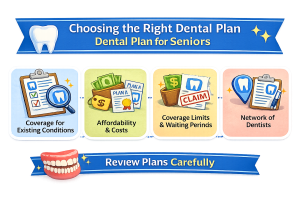
Choosing the right dental plans for seniors

Maximizing Dental Benefits for Seniors

Retirees often seek ways to make the most out of their dental insurance plans, aiming to receive comprehensive care without financial strain. Understanding the dental benefits available and how to optimize them can make a significant difference.

This section will delve into the variety of services frequently covered by dental insurance and highlight their associated benefits, allowing seniors to prioritize their oral health efficiently. By examining these key areas, retirees can navigate their insurance plans with confidence, ensuring they utilize all available resources effectively.

Services Often Covered and Their Benefits

Dental insurance plans for seniors are generally structured to cover a range of essential services that support both immediate and long-term oral health needs. A significant portion of these plans focuses on preventive care, which usually includes routine check-ups, cleanings, and basic exams.

These services are crucial as they help detect and prevent issues before they require costly interventions. Most dental insurance plans cover these preventive services fully or with minimal co-pays, encouraging regular dentist visits, which help maintain oral health over time.

In addition to preventive care, comprehensive dental plans typically include coverage for basic restorative services such as fillings and simple extractions. These services address common dental issues that, if left untreated, can lead to more serious health problems.

Coverage for such restorative care helps retirees avoid out-of-pocket expenses that can quickly become burdensome. Notably, PPO plans often provide flexibility in choosing providers, which can be beneficial for those who prefer sticking with their usual dentist.

Major dental services, like crowns, root canals, and dentures, are also a key part of many seniors’ dental insurance plans. While these are often covered at a lower percentage than preventive services, having insurance mitigates the impact on your budget.

Retirees should note that these services might be subject to waiting periods, meaning it’s important to plan ahead if you anticipate needing such treatments. Moreover, understanding the insurance plan’s limitations on major services is crucial, as many plans have maximum annual caps on coverage.

Dentures, in particular, are a common necessity among seniors. Many dental insurance plans provide partial coverage for dentures, making them more affordable. As dentures can be costly, having an insurance plan that covers a portion of the cost is highly beneficial. It’s important for retirees to explore both the typical coverage levels and any network discounts that might be available through their plan.

Overall, maximizing your dental benefits as a senior comes down to understanding the array of services offered and how they align with your personal dental needs. Retirees should stay informed about the specifics of their insurance plans, including the type of services covered, any potential waiting periods, and restrictions on their preferred dentist.

A well-chosen plan is one that not only provides peace of mind but also facilitates maintaining a high standard of dental care without excessive costs. To see what your dental plan covers in detail, entering your ZIP code on dental insurance sites can help tailor the options available to your location.

To build upon the section detailing services often covered by dental insurance plans for seniors, here are some additional aspects to consider when evaluating these plans:

  • Evaluate the network of covered dentists to ensure your preferred provider is included.
  • Compare different plans’ co-pay amounts for various services, including both preventive and major dental care.
  • Check for any annual maximum payout limits that could influence your out-of-pocket expenses.
  • Understand the waiting periods associated with major procedures like crowns or dentures.
  • Investigate if the plan offers any discounts on dental services or products.
  • Look into the plan’s reputation and customer service for guidance in selecting the most reliable option.
  • Consider any alternative treatments covered, such as orthodontics or periodontics, for comprehensive oral health care.

By keeping these points in mind, retirees can better navigate their dental insurance options and optimize their oral health coverage.

Finding the Right Insurance Plan

Finding the right dental insurance plan involves more than just comparing costs. It’s about understanding what each plan offers and how it meets your needs and budget. For retirees, this means considering factors like coverage for preventive services, network providers, and the potential costs of unexpected dental work.

This section will guide you through the steps to align dental plans with your personal healthcare needs and financial situation. By carefully evaluating these aspects, seniors can find a plan that not only fits their financial limitations but also meets their oral health needs effectively.

Steps to Match Plans with Personal Needs

When it comes to choosing a dental insurance plan, retirees must take several important steps to ensure it aligns with their personal needs. The first step is evaluating your current dental health status. This involves looking at your dental history and considering any ongoing issues that might require attention in the future.

Consider services you’ve needed in the past, like preventative care, fillings, or more extensive procedures such as crowns. By making a list of these services, you can prioritize which ones are essential for your new plan to cover. Your past dental experiences can help you predict future needs, which is crucial for selecting the right coverage plan.

After this initial appraisal, the next step is researching various dental insurance options available in your area. For many retirees, utilizing resources like Delta Dental or PPO plans can be beneficial as they often have wide networks and varying coverage levels. Network considerations are crucial since they can greatly affect both access to care and cost.

Plans that include your preferred dentist, or offer good options nearby, can ensure continuity of care while also reducing expenses through network-specific discounts. It’s wise to check if the plan allows you to continue seeing your current dentist or if you’d need to switch.

Once you have this information, it’s time to compare plan specifics. Look at the premiums and how they vary by service type. Some plans might offer lower premiums but come with higher out-of-pocket costs for extensive procedures, while others might cover more of these costs upfront.

Understanding the details of co-pays, deductibles, and any out-of-pocket maximums is also critical. These factors will all play into your decision, affecting both short and long-term affordability. Be mindful of the trade-offs involved in choosing a lower premium, as it might mean higher costs when seeking services.

Additionally, consider the plan’s benefits, such as preventive care coverage. Plans that offer full or significant coverage for check-ups and cleanings make it easier to maintain regular oral health, which can prevent more costly issues down the line. Also, pay attention to any waiting periods for major services.

If you anticipate needing more intensive dental work soon, a plan with minimal waiting times can be advantageous. Some plans, like those offered by Delta Dental, provide extensive information online or through customer support, which can clarify these points significantly.

Finally, make use of tools like an insurance cost estimator. These tools allow you to see how different plans stack up against your personal needs and budget. By inputting your specific data, such as age, past dental visits, and expected usage of services, these estimators provide a clearer picture of potential costs involved in each plan.

This exercise can help you anticipate your monthly and annual expenses, thus avoiding unpleasant surprises. Remember, the goal is to find a plan that balances cost with coverage, providing peace of mind and enabling consistent dental care.

In conclusion, matching dental insurance plans with personal needs involves analyzing your oral health history, understanding plan details, and utilizing available tools for cost estimation. By taking these steps, retirees can choose a plan that suits their financial situation while ensuring access to necessary dental services. To simplify the process, entering your ZIP code on the insurance provider’s website can help you refine the options to match local availability and preferences.

Finding affordable dental insurance as a retiree doesn’t have to be complicated. It’s important to compare different plans and consider factors like monthly premiums, coverage for services, and waiting periods. Plans vary by provider and location, so it helps to review options in your area. Dental insurance can support oral health and minimize surprise expenses.

Start by entering your ZIP code to explore dental plans suited to your needs and budget. Remember, different plans provide a variety of coverage levels, so understanding these details will empower you to make informed decisions.

Compare plans and enroll online

Frequently Asked Questions

Why is dental insurance important for retirees?

Dental insurance helps manage oral health costs effectively, providing retirees with peace of mind about expenses for necessary services like preventive care, fillings, and procedures such as crowns or dentures.

What should seniors consider when choosing a dental insurance plan?

Retirees should consider the coverage for preventive and essential services, the plan’s network of providers, premiums, co-pays, deductibles, and potential waiting periods for certain procedures.

What are the differences between DeltaCare USA and AARP Dental plans?

DeltaCare USA offers predictable costs with pre-determined co-payments and no deductibles, focusing on prevention. AARP Dental plans often operate as PPOs, providing broad service coverage and flexibility, benefiting from AARP’s network discounts.

What are the benefits of having a dental insurance plan for emergencies?

Having a dental insurance plan provides a financial safety net for unexpected dental issues, preventing significant out-of-pocket expenses for retirees, which is crucial for those living on fixed incomes.

How can retirees make the most of their dental insurance benefits?

Maximize benefits by understanding covered services, scheduling regular preventive care, and using network providers to reduce costs. Comparing plans using cost estimators can also align coverage with personal needs.

Have Questions?

Speak with a licensed insurance agent

1-833-667-3396

TTY users 711

Mon-Fri: 8am-9pm ET

Find & Compare Plans Online

Speak with a licensed insurance agent

1-833-667-3396TTY 711

Mon-Fri: 8am-9pm ET

ZRN Health & Financial Services, LLC, a Texas limited liability company