Searching for dental coverage that fits your needs while navigating Medicare can feel complicated. Understanding how to find the right dental insurance is essential for maintaining oral health without unexpected expenses. This webpage offers clear guidance to help seniors explore their dental coverage choices. We’ll discuss what Medicare covers, what it doesn’t, and how you can supplement your coverage with the right plan. Whether you’re curious about the kinds of dental treatments available or need to understand specific limitations, we’re here to provide the information you need to feel confident about your dental insurance options.


Dental Insurance Plans
for individuals and families
Dental Plans start as low as $12.00 per month





Dental Help for Seniors on Medicare
Key Highlights
- Original Medicare typically excludes dental coverage, requiring separate plans for routine care.
- Medicare Advantage plans can include dental, offering integrated health benefits.
- Seniors may find low-cost dental care through community clinics and dental schools.
- Understanding waiting periods in dental insurance is crucial for immediate care needs.
- Comparing plan costs and coverage helps seniors find dental care that meets their needs.
Compare Dental Plans
Understanding Medicare and Dental Care Options
Many seniors rely on Medicare for their healthcare needs, but understanding how it relates to dental care can be confusing. While Original Medicare covers a broad range of health services, dental care often isn’t included, leaving many looking for additional coverage. Fortunately, there are options like Medicare Advantage plans that might offer dental benefits. Exploring these options can help seniors find suitable dental coverage to meet their unique needs. In the following sections, we’ll delve into how Medicare interacts with dental insurance and what alternatives exist for comprehensive dental services.
How Medicare Relates to Dental Insurance
Original Medicare, comprising Part A and Part B, typically does not include dental care, which is a common misconception among seniors. Medicare mainly focuses on hospital and medical insurance. This means routine dental care, like cleanings, fillings, or dentures, often requires separate coverage. Seniors might wonder why dental care isn’t part of Medicare.
Historically, dental coverage wasn’t considered essential when Medicare was established. However, dental health is crucial for overall well-being, especially for seniors who may face complex dental needs. This gap has led many to seek alternatives, like Medigap or standalone dental insurance plans, to bridge the coverage gap. These plans can provide necessary dental services, but costs and coverage details can vary significantly.
Some choose Medicare Advantage plans, which might bundle dental coverage with other health benefits, offering an integrated insurance solution. Navigating these choices requires understanding the distinct differences in plans, costs, and coverage areas. To avoid unexpected dental expenses, exploring your options and finding the right dental coverage can bring peace of mind. Consider entering your ZIP code on Bestdentalinsurance.org to explore dental insurance plans available in your area.

Does Medicare Cover Dental Services?
Navigating the world of Medicare can be challenging, especially when it comes to dental services. Original Medicare generally focuses on medical and hospital coverage, leaving dental services off the list. This exclusion often surprises seniors who may assume that Medicare covers routine dental needs. However, understanding these limitations is essential for making informed decisions. Fortunately, options like Medicare Advantage plans or standalone dental insurance can provide beneficial coverage. Exploring these alternatives can help ensure that seniors find suitable dental services to meet their needs without unexpected costs.
Limitations of Medicare Coverage for Dental Needs
When it comes to dental needs, Medicare doesn’t ordinarily cover dental services. Original Medicare, consisting of Part A and Part B, is primarily designed to offer medical insurance, leaving out the most common dental procedures such as cleanings, fillings, and crowns. This significant gap in coverage requires seniors to seek alternative solutions to address their dental needs.
Understanding these limitations helps in planning more effectively for future healthcare expenses. Historically, Medicare wasn’t structured to include dental coverage as it wasn’t deemed essential at the time of its creation. However, as dental health plays a crucial role in overall health, particularly for seniors, many are left wondering why this exclusion exists.
Due to these restrictive guidelines, exploring options becomes necessary. Some seniors decide on purchasing standalone dental coverage, or Medigap plans, to close this gap, but these come with their own limitations and costs. As an alternative, Medicare Advantage plans might bundle health and dental care, providing a more integrated solution with Medicare-covered dental benefits.
However, it’s important to note that the specifics of what is covered can vary widely based on the plan chosen and location, reflecting yet another layer of complexity. Therefore, understanding these limitations of Medicare coverage for dental needs is crucial for effectively managing healthcare expenses. For those seniors eager to find a suitable dental insurance plan, entering a ZIP code on Bestdentalinsurance.org can provide customized options based on one’s location.
Exploring Dental Coverage through Medicare Advantage Plans
As seniors search for comprehensive healthcare, Medicare Advantage plans can be a valuable avenue. Unlike Original Medicare, these plans often include dental coverage options tailored to meet diverse needs. Choosing the right Medicare Advantage plan (Part C) allows seniors to potentially access a range of covered dental services, providing peace of mind. However, understanding the benefits and considerations of Advantage (MA) plans is crucial. By getting acquainted with these options, seniors can better navigate the complexities involved and ensure they select a plan that matches their healthcare and dental coverage expectations.
Key Benefits and Considerations of Medicare Advantage Plans
Medicare Advantage plans present an appealing option for seniors seeking more inclusive healthcare coverage, including dental services. One significant advantage of these plans is their ability to bundle diverse healthcare needs, such as dental, vision, and hearing services, alongside standard medical coverage. This integration simplifies healthcare management, as seniors deal with fewer separate policies and potentially reduce out-of-pocket costs. Additionally, many Medicare Advantage Plans offer extra benefits that Original Medicare does not, appealing to those who require more comprehensive care packages.
However, selecting a Medicare Advantage plan comes with important considerations. First, it’s crucial to recognize that not all Medicare Advantage Plans offer the same level of dental coverage. The specifics, such as which dental procedures are covered, the list of approved providers, and the extent of coverage, can vary. This means carefully reviewing the details of each plan is vital to ensure it aligns with individual healthcare requirements. Another consideration is potential network restrictions that might require using specific dental providers, which can impact accessibility.
Moreover, while the potential coverage advantages are clear, there can be significant variance in premiums, deductibles, and copayments. Evaluating these financial factors alongside your dental needs ensures you choose a Medicare Advantage plan that is both affordable and comprehensive.
For personalized options, entering your ZIP code on Bestdentalinsurance.org can help seniors explore plans available in their area, offering an effective way to find appropriate dental coverage that suits their particular situations. This informed approach provides a solid foundation when weighing the benefits against the costs and limitations associated with Medicare Advantage plans.
Low-Cost Dental Options for Seniors
Navigating dental care as a senior can be challenging, especially when costs are a major concern. With Medicare’s limited dental coverage, finding low-cost dental options becomes essential. Fortunately, there are several ways to access dental services without breaking the bank. Understanding affordable dental clinics, programs, and assistance tailored for seniors and low-income individuals can ease the burden of dental expenses. By exploring these strategies, seniors can maintain their oral health while managing their financial resources effectively. Let’s look at how you can find these valuable resources for affordable dental care.
Find & Compare Plans Online
Finding Affordable Dental Clinics and Programs
For seniors on a tight budget, locating affordable dental clinics and programs is crucial. Many community health centers and clinics offer dental services at reduced rates for seniors and low-income individuals. These clinics often provide preventive and basic dental care, such as cleanings and fillings, making them a great option for those who need economical solutions. Additionally, dental schools frequently offer low-cost dental services under the supervision of experienced faculty, providing a win-win situation for both students and patients seeking affordable care.
Dental assistance programs also help seniors by reducing out-of-pocket costs. Programs like these can be found through state or local health departments and sometimes through nonprofit organizations dedicated to improving senior dental health. It’s important to explore each available option, as these programs can vary in terms of eligibility and services offered. Furthermore, non-profit dental programs might also partner with dental professionals who volunteer their time to provide free or low-cost services to seniors in need. Ensuring you have the most affordable access to necessary dental care helps maintain health and peace of mind as a senior.
Staying proactive about these opportunities involves researching and reaching out to local resources. Consider reaching out to dental clinics in your area or visiting Bestdentalinsurance.org and entering your ZIP code to find what specific dental programs might be available. This approach empowers seniors to access the right dental care tailored to their needs, ultimately supporting better oral health while respecting their financial boundaries.
To enhance your understanding of accessible dental care options, consider these additional resources and strategies for finding affordable services:
- Look for community dental events providing free check-ups and cleanings for seniors.
- Contact local senior centers for information on dental care assistance programs.
- Investigate state-specific resources that support dental care initiatives for seniors.
- Inquire at dental schools about ongoing programs for reduced-rate services.
- Utilize online databases to compare available non-profit dental services.
- Engage with local charities that may offer emergency dental assistance.
By exploring these resources, seniors can better manage their dental health affordably and effectively.
Dental Services Commonly Needed by Seniors
Seniors often require a range of dental services to maintain their oral health. These services fall into key categories: preventive, restorative, and specialized services. Each type plays a vital role in ensuring comprehensive dental care, addressing both routine needs and specific conditions that may arise with age. Understanding these services helps seniors and their caregivers make informed decisions about the right dental coverage options. This guide provides insights into these dental services and highlights the importance of selecting suitable dental insurance plans.
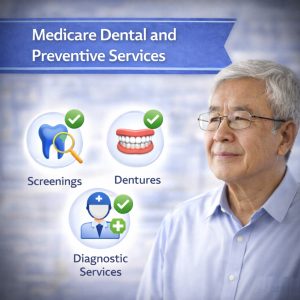
Preventive, Restorative, and Specialized Services
Preventive dental care is the first line of defense in maintaining oral health, especially as we age. It includes essential practices like regular check-ups, cleanings, and X-rays, which help detect issues before they become serious. Dental care focusing on prevention isn’t just about keeping teeth clean; it prevents costly and complicated procedures down the road. Knowing that preventive services are crucial, seniors should look for dental plans that cover regular exams and cleanings to maintain optimal oral health.
Restorative services are vital when preventive measures aren’t enough to avert dental problems. These services include fillings, crowns, and bridges, all of which aim to repair damage caused by decay or injury. For seniors, restorative care could mean replacing missing teeth with dentures or implants to aid in chewing and speech. As these procedures are sometimes costly, understanding which restorative services are covered under your dental insurance plan helps avoid unexpected expenses. It’s also wise to verify if your chosen plan has any caps or coverage limits on these essential services.
Specialized services cater to unique dental needs and often require seeing a dental specialist. These can include periodontal treatments for gum disease, oral surgery, or orthodontics. It’s important for seniors to recognize that specialized services might not be covered under all dental plans, especially ones tied closely to Medicare. Thus, carefully reviewing your dental insurance options, possibly through platforms like Bestdentalinsurance.org, can ensure you’re adequately covered.
By entering your ZIP code, you can explore plans that suit your location and specific dental care requirements. Ultimately, having coverage for specialized services is crucial for seniors who might face more complex dental issues as they age.
| Service Type | Key Procedures | Coverage Considerations | Potential Costs | Age-Specific Needs |
|---|---|---|---|---|
| Preventive | Cleanings, Check-ups, Fluoride treatments | Confirm plan includes regular preventive visits, as these can prevent more costly procedures later | Typically lower cost, but ensure coverage to avoid unexpected expenses | Regular visits are crucial as the risk of dental issues increases with age |
| Restorative | Crowns, Bridges, Dentures, Fillings | Review specific coverage for major dental work; check for any annual limits | High out-of-pocket expenses if not covered; consider plans with comprehensive restorative coverage | Increased likelihood of tooth loss or repair needs as one ages |
| Specialized | Periodontal treatments, Oral surgery | Coverage for specialized care is often limited; review details carefully | Potentially high costs; surgeries and specialized care can be expensive | Maintain gum health and manage bone loss proactively |
This table captures the essential dental services for seniors, emphasizing why understanding coverage is key to managing costs and maintaining oral health.
Understanding Waiting Periods and Restrictions
As seniors explore dental insurance, waiting periods and restrictions are crucial factors to consider. These elements can significantly impact how quickly you can access dental coverage and the services you may receive. While some plans offer immediate benefits, others impose waiting periods, especially for more complex procedures like crowns or dentures. Understanding these factors helps in making informed decisions about your dental health strategy. This section will delve into the impact of waiting periods and the common restrictions that might affect your dental coverage options, helping you to plan your dental care effectively.
The Impact of Waiting Periods on Dental Coverage
Waiting periods in dental insurance can significantly affect seniors seeking immediate care. Typically, these waiting periods vary depending on the type of service covered. For instance, while preventive services like cleanings might be available without delay, more extensive treatments such as fillings, crowns, or dentures often require a waiting period, sometimes up to a year. This delay can be frustrating, especially if you have immediate dental needs. It’s essential to review any restrictions related to waiting periods thoroughly to avoid surprises when you need care the most.
When evaluating dental coverage, understanding the impact of waiting periods can influence your choice of plan. Some plans might offer shorter waiting periods but require higher premiums, while others maintain longer delays but come at a lower cost. This trade-off is vital to consider, particularly if you anticipate needing significant dental work shortly after enrolling in a policy. Consider entering your ZIP code on dental insurance platforms to explore plans with minimal waiting periods that align with your immediate needs.
Moreover, exceptions to waiting periods can sometimes occur for individuals transitioning from one insurance policy to another, especially if there’s no lapse in coverage. Seniors should investigate these options when switching plans to maintain continuous dental access. Be sure to examine all the terms associated with waiting periods to make the best possible decision for your dental health. Understanding these nuances ensures that you select a plan tailored to your coverage needs while minimizing the impact of waiting periods on your dental care.
Finding the Right Plan for Your Dental Care Needs
Choosing the best dental plan is crucial for managing your oral health effectively, especially for seniors on Medicare. With the nuances of Medicare not fully covering dental care, understanding how to find the right options becomes essential. Several factors, including costs, coverage, and the types of plans available, play a vital role in this decision-making process. In this section, we will explore ways to compare options for your dental coverage needs, focusing on helping you confidently navigate the complexity of Medicare-related dental plans.
How to Compare and Choose Every Option Available
When it comes to selecting the right dental plan, it’s important to compare options carefully to meet your specific needs. Begin by assessing what type of dental care you need most, be it preventive services or more extensive procedures like dentures or implants. Understanding your dental care requirements helps narrow down your choices. Next, review how Medicare Advantage and standalone dental plans can complement Medicare, offering additional coverage that Medicare alone may not provide for dental needs.
Finding the right dental coverage involves considering various factors such as premiums, deductibles, and copays associated with each plan. It’s also essential to investigate the network of dental providers included in those plans. Choosing a plan that allows access to dentists who are conveniently located and have a good reputation can make a significant difference in your dental care experience.
Importantly, consider the waiting periods for each policy. As previously discussed, some plans may have immediate benefits, while others may delay coverage for certain procedures. This can greatly influence decisions based on the urgency of your dental needs. By comparing each plan’s details, such as cost, coverage, and provider network, seniors can find a dental care plan that aligns with both their medical and financial needs. For personalized plan options, entering your ZIP code on Bestdentalinsurance.org allows you to explore available choices in your area, empowering you to make well-informed, confident decisions about your dental coverage.
Understanding dental coverage with Medicare can be challenging, but exploring your options can lead to finding a suitable plan for your needs. Some Medicare Advantage plans offer dental benefits, making them worth considering. Remember to compare different plans based on costs, coverage, and provider networks. By taking the time to research, you can discover plans that fit your budget and dental care requirements. For personalized information, enter your ZIP code on our website to explore available dental insurance options in your area, as coverage and costs can vary significantly based on location.
Compare Dental Plans
Frequently Asked Questions
Does Original Medicare cover dental services?
No, Original Medicare, which includes Part A and Part B, typically does not cover dental services such as cleanings, fillings, or dentures. Medicare focuses mainly on hospital and medical care.
What are Medicare Advantage plans and do they cover dental?
Medicare Advantage plans, also known as Part C, may cover dental services along with medical and hospital care. These plans can integrate different health benefits, providing a more comprehensive insurance solution for seniors.
What are the alternatives for dental coverage if Original Medicare doesn't cover it?
Seniors can explore options like Medicare Advantage plans that may include dental benefits, or standalone dental insurance plans. Low-cost dental care may also be available at community clinics and dental schools.
Why is understanding waiting periods in dental insurance important?
Understanding waiting periods is crucial because they can affect how soon you can access certain dental services. While some plans provide immediate coverage for preventive services, others might impose waiting periods for more extensive treatments.
How can seniors find affordable dental care options?
Affordable dental care options for seniors include community health clinics offering services at reduced rates, dental schools providing low-cost care, and dental assistance programs that help lower out-of-pocket costs.
Find & Compare Plans Online
ZRN Health & Financial Services, LLC, a Texas limited liability company

Russell Noga is the CEO of ZRN Health & Financial Services and the head content editor of several Medicare insurance online publications. He has over 18 years of experience as a licensed Medicare insurance broker helping Medicare beneficiaries learn about Medicare, Medicare Advantage Plans, Medigap insurance, and Medicare Part D prescription drug plans.