Dental Insurance for Retirees Insights

Understanding dental insurance is crucial for retirees, as oral health affects overall well-being. Navigating the various coverage options can be complex, but we’re here to help ease the process.

This guide provides five essential insights to help you make informed decisions about dental insurance. We’ll explore what different plans typically cover, discuss common out-of-pocket costs, and explain how waiting periods work.

Whether you’re seeking preventive care or major procedures, these insights will assist in clarifying your options, ensuring you’re well-equipped to find a plan that suits your needs.

Key Highlights

  • Dental insurance helps retirees manage oral health and avoid unexpected costs with preventive and major procedure coverage.
  • Preventive dental care reduces future expenses by addressing issues early, often fully or partially covered by insurance plans.
  • HMO and PPO plans offer different benefits; HMOs have lower costs but less flexibility compared to PPOs.
  • Waiting periods in dental plans can affect the availability of major procedure coverage, requiring careful planning.
  • Location impacts insurance plan availability and costs, affecting access and choice for retirees.

Compare Dental Plans

Understanding the Basics of Dental Insurance for Retirees

Dental insurance for retirees offers a crucial layer of protection in maintaining oral health during retirement. With various plans designed to suit senior lifestyles, including for individuals and families, it’s vital to understand common elements such as coverage, benefits, and the range of services available.

Navigating individual dental and health insurance can be daunting, but the right information can make a huge difference. We’ll explore typical coverage areas, helping you understand what dental insurance may cover, including major procedures and treatments.

This knowledge will enable retirees to make informed decisions, ensuring they receive the dental care they need.

What Dental Insurance Typically Covers

Dental insurance coverage varies significantly between plans, but most offer foundational benefits to support basic dental care needs.

Generally, dental insurance includes coverage for preventive services such as exams, cleanings, and X-rays, which are critical for maintaining oral health.

These services often have the least financial outlay, encouraging regular checkups that can prevent costly issues later. Additionally, comprehensive plans may cover basic procedures like fillings and extractions, providing a safety net for common dental ailments.

Besides preventive care, many dental insurance plans extend benefits to cover a portion of major procedures. These might include crowns, root canals, and dentures, offering substantial financial assistance for more complex dental treatments.

However, it’s essential to understand that not all plans cover these major procedures to the same extent. Treatment coverage levels can vary, potentially affecting out-of-pocket expenses for retirees.

Thus, when selecting a plan, it’s crucial to evaluate how each handles coverage for these services, ensuring they align with individual dental care needs and retirement budgets.

It’s also worth noting that dental providers play a role in insurance coverage. Depending on the provider network, which includes dentists and specialists, the kind of coverage you receive can differ.

Reviewing network agreements helps maximize the benefits available under a chosen plan. This way, retirees can access quality dental care without unexpected expenses, thereby maintaining health and peace of mind during retirement.

preventive dental services list

The Importance of Preventive Care in Dental Insurance

Preventive care in dental insurance plays a vital role in ensuring long-term oral health, particularly for retirees. Taking advantage of preventive services, such as exams and cleanings, can help ward off serious dental issues.

Understanding these benefits is crucial for maintaining not only oral health but also financial well-being, as preventive care can lead to significant savings by avoiding costly procedures later.

By emphasizing these elements, seniors can make informed choices about their dental plans, ensuring their coverage aligns with their health needs and budgets.

How Regular Checkups Can Save Money

Regular dental checkups are a cornerstone of effective preventive care within dental insurance plans. These routine visits allow a dentist to perform essential exams and cleanings, which can reveal potential issues before they become major problems.

For seniors, this proactive approach can lead to substantial cost savings by minimizing the need for more extensive treatments down the road.

When a dentist detects issues early, they are often easier and less expensive to treat, which means lower costs for the individual.

Additionally, many insurance providers structure their dental plans to fully or partially cover these regular checkups, making them a smart financial choice.

Choosing to engage in consistent preventive care can also extend the lifespan of dental work, such as fillings and crowns, thereby delaying costly replacements.

Beyond financial benefits, taking care of preventive services can improve overall oral health, contributing to better overall well-being for retirees.

With dental insurance supporting these routine visits, seniors remain empowered to take charge of their health while managing their expenses effectively.

To explore how your current coverage handles preventive services and find plans that offer robust support for these essential checkups, consider logging your ZIP code on our website and see what’s available in your area.

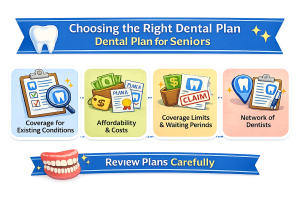
choosing the right dental plan seniors

Exploring Different Dental Care Plans

Understanding the range of dental care plans available to retirees can help make confident choices in managing oral health during retirement. Such plans, like HMOs and PPOs, offer unique coverage structures and benefits.

Seniors seeking affordable and comprehensive dental coverage should compare these plan types. Different dental plans, including options from companies like Delta Dental, come with varying levels of coverage and provider networks.

This knowledge helps retirees estimate potential costs, ensuring they pick dental insurance that aligns with their needs and budget.

Comparing HMO and PPO Plans

When evaluating dental insurance options, understanding the differences between HMO and PPO plans is crucial for retirees. Health Maintenance Organization (HMO) dental plans generally offer coverage through a network of providers.

This means retirees need to select from a list of approved dentists to receive the full benefits. While HMOs may offer lower premiums and minimal out-of-pocket costs, they might limit flexibility since coverage is primarily restricted to network providers.

This model can be simpler, but it may not suit those who seek a broader choice of dental care services or frequent travel.
On the other hand, Preferred Provider Organization (PPO) plans provide more flexibility.

These plans allow seniors to choose dental care providers outside the network, although benefits are maximized within it. PPOs often cover a percentage of the services’ costs, and retirees can expect to pay higher premiums.

This flexibility can be beneficial for those who may require specialist dental services or want the freedom to see their preferred provider.

For individuals managing various health insurance needs, understanding these key differences between dental plans ensures a well-informed choice that aligns with personal requirements.

Consider company offerings like those from Delta Dental, which might provide both HMO and PPO options. Taking the time to review these aspects helps retirees leverage dental insurance advantages while effectively balancing coverage and cost concerns.

Navigating Dental Benefits and Coverage Options

Understanding the array of dental benefits and coverage options is essential for retirees looking to maintain their oral health. Dental insurance plans can vary widely, offering different benefits, costs, and services.

It’s important to recognize what benefits are critical based on your individual needs, especially when it comes to dental care.

Whether considering stand-alone insurance plans or an addition to existing health insurance, exploring these options ensures coverage aligns with retirement goals and budgets.

We’ll discuss how to identify essential dental benefits, helping you make informed decisions about your dental care during this important phase of life.

Identifying What Dental Benefits You Need

Identifying the right dental benefits involves understanding your unique needs and how they’re covered by different plans. For retirees, it’s crucial to consider preventive care, which covers exams and cleanings, as part of maintaining long-term oral health.

Many dental insurance plans include these services, often at a lower cost, to encourage regular checkups and prevent more serious issues.

Beyond preventive care, retirees should assess the need for coverage on major procedures like crowns, root canals, or dentures, which can be costly if not covered by insurance.

Some plans may offer better benefits for these major procedures, so comparing them is beneficial.

While assessing needs, it’s also useful to think about the flexibility required with providers.

If you have a preferred dentist, ensuring they are within the provider network of a prospective dental insurance plan can enhance your care experience and minimize unexpected expenses.

It’s wise to review the benefits coverage details to see how potential plans address these services and the associated costs. Consider how location might affect your plan options, as availability can vary, impacting your choice significantly.

By doing so, you can maximize your dental insurance coverage, ensuring it aligns well with both your health needs and financial capabilities during retirement.

Find & Compare Plans Online

Speak with a licensed insurance agent

1-833-667-3396TTY 711

Mon-Fri: 8am-9pm ET

Understanding Costs and Avoiding Large Bills

For retirees, dental care costs can be a significant concern when living on a fixed income. Understanding these costs is essential to prevent large, unexpected bills and minimize out-of-pocket expenses.

Dental insurance plays a crucial role in managing these costs, allowing retirees to access necessary dental services without undue financial strain. Estimating expenses accurately helps in making informed decisions about dental care and insurance options.

This includes understanding the benefits offered by different plans, the coverage for major procedures, and how using network providers can potentially lower costs.

Reviewing options thoroughly can ensure retirees access necessary treatments while maintaining financial peace of mind.

How to Estimate Your Out-of-Pocket Expenses

Calculating out-of-pocket costs for dental insurance requires a clear understanding of insurance plan components. Retirees should first consider that an insurance company often provides a cost estimator tool, which can offer estimates for various services.

This tool generally outlines potential costs for treatments such as routine exams, cleanings, or more complex procedures like crowns and root canals.

It’s essential to note that while a cost estimator provides helpful estimates, actual costs can vary based on the provider and company policy. Always ensure that estimates reflect network providers, as using out-of-network providers may result in higher expenses.

Understanding insurance benefits offered is another critical step. Some plans provide more extensive coverage for preventive services, reducing upfront costs and potentially eliminating them altogether for exams and cleanings.

Benefits for major procedures might include partial coverage, reducing the financial burden of costly treatments. Reviewing how a plan handles these aspects helps in estimating what expenses might remain uncovered.

Additionally, the insurance coverage limit per year influences costs, as exceeding this limit may require out-of-pocket payments. Knowing these limits aids in planning and budgeting for anticipated dental care needs.

If you’re unsure about specific details of your coverage, interacting directly with your insurance provider can clarify any uncertainties. Seek explanations about procedure costs, coverage limits, and potential charges outside of plan benefits.

Communicating with your chosen provider will provide the most accurate picture of what to expect financially. By taking these steps, retirees can effectively manage their dental expenses, access necessary care, and avoid unexpected bills.

To explore available plans tailored to your location, enter your ZIP code on our website and discover how you can better manage your dental health costs.

Recognizing the Role of Waiting Periods in Insurance

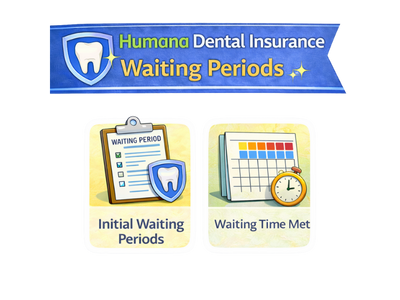
Understanding the role of waiting periods in dental insurance is key for retirees when planning their oral care budget. These waiting periods are common in many insurance plans, where coverage for certain procedures begins only after a specified time.

Knowing about these periods helps retirees avoid surprise costs and effectively plan for future treatments. This insight will enable them to better align their insurance choices with their needs, considering that major dental services often have longer waiting periods.

Let’s delve deeper into why some services may not be covered immediately and how this can influence your dental care decisions.

Why Some Services May Not Be Covered Immediately

Why Some Services May Not Be Covered Immediately

Dental insurance plans often include waiting periods before covering certain major procedures. This means coverage for specific services, like crowns, root canals, or dentures, isn’t immediate, and the time frame can vary from a few months to a year.

The rationale behind waiting periods is to prevent individuals from joining a plan only to receive coverage for major, high-cost treatments right away. The insurance provider uses these waiting periods to manage costs and minimize financial risks.

For retirees, understanding these waiting periods is crucial, as it affects when they can access benefits for essential dental care.

During the waiting period, your dental insurance might still provide benefits for preventive services like cleanings and exams, as well as some basic treatments.

However, you’ll typically be responsible for the full cost of major procedures until the waiting period concludes. This can impact cash flow and requires planning to ensure funds are available for potential out-of-pocket expenses during this time.

To avoid disruption in care, retirees might consider scheduling initial exams and basic treatments before their major procedures are needed.

It’s also important to carefully review each insurance company’s policy on waiting periods and related coverage details. Comparing plans based on their waiting period requirements can help retirees choose the right fit for their needs and budget.

They should also consider consulting with their insurance provider to clarify specific waiting period policies before enrolling.

This proactive approach not only enhances understanding but also ensures retirees are prepared for any immediate dental care needs without unexpected outlays.

By staying informed, retirees can utilize their dental insurance strategically, aligning it well with their overall healthcare and financial planning.

For more personalized plan options, seniors can explore our site by entering their ZIP code to see what dental insurance fits their situation best.

Finding a Suitable Dental Plan for Your Needs

Choosing the right dental plan is a key part of managing oral health during retirement. As individuals transition into their senior years, understanding how different plans work, what benefits are included, and the associated costs can significantly influence one’s choice.

Factors such as location, provider networks, and individual dental care needs play critical roles in determining which plan is most suitable. Exploring these aspects ensures retirees find a plan that offers the necessary coverage without straining their budget.

Let’s delve into how location impacts your dental insurance coverage.

How Location Impacts Your Dental Coverage

Your location can significantly affect dental insurance coverage and costs, as different areas may offer varying plans and provider networks. For retirees, understanding how these geographical differences influence the availability and cost of dental plans is crucial.

In some regions, there might be a limited selection of providers, which can impact the benefits you receive. Urban locations typically provide more options, while rural areas might present fewer choices, potentially affecting dental care access and the choice of dental plans.

This is why examining local plan availability is an essential part of the selection process.

When exploring dental coverage options, retirees should consider how insurers tailor plans to specific regions. Companies often adjust coverage details, including costs and services, based on local healthcare needs and provider availability.

This can mean that a plan popular in one state may not be best suited for another due to differing costs and benefits.

For example, while some locations might offer better deals on preventive services or major procedures, others could present higher premiums or out-of-pocket costs, affecting the financial feasibility for those on fixed incomes.

Moreover, provider networks in your area also play a major role in your dental insurance experience. A robust network can mean better access to covered services and potentially lower overall costs.

Seniors should check whether their preferred dental care providers are included in the network of the plans they are considering. This helps ensure retirees can continue seeing trusted professionals while maximizing their insurance benefits.

By carefully reviewing how location impacts insurance options, seniors can make informed decisions about their dental plan, ensuring it fits their needs and supports their oral health effectively.

To see what plans are available in your area, consider entering your ZIP code on our website to discover personalized options.

When considering the regional impact on dental coverage, retirees should assess key factors that may influence their decision. Here’s a list to help:

  • Check the availability of dentists in your specific area network.
  • Compare coverage differences across state lines for similar plans.
  • Investigate regional costs for preventive and major dental services.
  • Identify local plans offering specialized services for seniors.
  • Determine the impact of rural versus urban settings on dental plan choices.
  • Evaluate how local healthcare needs affect plan customization.
  • Understand the influence of local provider networks on service accessibility.

By focusing on these aspects, retirees can select a plan that aligns with their personal needs and circumstances.

Understanding dental insurance can make retirement more comfortable and stress-free. The right plan offers peace of mind by helping manage costs for preventive care, fillings, crowns, and even dentures or implants.

Consider your specific needs, budget, and the network of dentists before making a choice. Knowing potential waiting periods and out-of-pocket expenses is equally important.

To explore options tailored to your needs, simply enter your ZIP code on our website. Remember, costs and coverage can vary, making it essential to find a plan that fits your lifestyle and dental health requirements.

Compare Dental Plans

Frequently Asked Questions

What does dental insurance typically cover for retirees?

Dental insurance for retirees usually covers preventive care such as exams, cleanings, and X-rays. Some plans also offer partial coverage for basic procedures like fillings and extractions and may extend to major procedures such as crowns and root canals, depending on the plan.

What are common out-of-pocket costs in dental insurance?

Common out-of-pocket costs can include deductibles, copayments, and expenses for services not fully covered by your plan. It’s important to review each plan’s specific cost structures to understand your responsibilities.

How do waiting periods work in dental insurance plans?

Waiting periods in dental insurance refer to the time between the start of your insurance policy and when coverage begins for certain procedures. Preventive care is often available immediately, but major procedures might have waiting periods ranging from a few months to a year.

What is the difference between HMO and PPO dental plans?

HMO dental plans require you to choose from a network of approved providers, usually at lower costs but with less flexibility. PPO plans offer greater flexibility, allowing you to see both in-network and out-of-network providers, usually at a higher premium.

How does location impact dental insurance coverage?

Your location affects the availability and cost of dental plans due to varying provider networks and regional pricing. Urban areas might have more options compared to rural areas. It’s beneficial to check local plan availability to ensure it meets your needs.

Have Questions?

Speak with a licensed insurance agent

1-833-667-3396

TTY users 711

Mon-Fri: 8am-9pm ET

Find & Compare Plans Online

Speak with a licensed insurance agent

1-833-667-3396TTY 711

Mon-Fri: 8am-9pm ET

ZRN Health & Financial Services, LLC, a Texas limited liability company