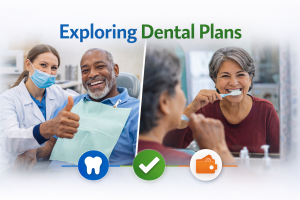
Dental Plans for Seniors in NJ

Understanding dental plans in New Jersey can help seniors make informed decisions about their oral health coverage. Retirees have specific needs, and knowing more about the available dental insurance options, including what they cover, potential out-of-pocket costs, and necessary waiting periods, makes choosing a plan easier.

This friendly guide will help you explore various dental plans tailored to senior needs, covering everything from preventive services to dentures and implants. Learn about key differences in local plans and gain confidence in selecting the right dental coverage for your unique requirements.

Key Highlights

  • New Jersey dental insurance offers plans tailored to seniors, covering preventive services and major procedures.
  • Understanding plan limitations, like waiting periods and excluded treatments, helps manage potential financial surprises.
  • Different plan types (PPO, HMO, indemnity) offer varied access, flexibility, and costs for seniors.
  • Cost estimators facilitate comparing dental plans, aligning costs with healthcare needs and budget.
  • Location impacts plan choices in NJ, affecting network access and pricing for dental insurance.

Compare plans and enroll online

Understanding Dental Insurance for Seniors in NJ

Navigating dental insurance as a senior in New Jersey can be easy with the right information. Dental coverage is essential for retirees aiming to maintain good oral health without overwhelming costs. Seniors often encounter unique needs that require specific attention, such as covering preventive services or prosthetic options like dentures.

In New Jersey, several dental insurance plans cater to these needs, each offering distinct benefits and limitations. Understanding these aspects can empower seniors to make informed decisions, ensuring they receive adequate care through a reliable network of dentists and professionals.

Basics of Dental Coverage for Retirees

For retirees exploring dental insurance in New Jersey, it`s important to grasp the basics of dental coverage to ensure they’re making informed decisions about their healthcare. Dental insurance typically encompasses several types of services. Preventive services are often covered with low out-of-pocket costs. These include routine exams, cleanings, and x-rays, which help maintain oral health and prevent larger issues. Beyond these, basic services like fillings and extractions are also usually included, although they may come with deductible requirements or cost-sharing through co-payments.

Understanding how networks operate is crucial for retirees. Dental plans frequently involve a network of dentists who agree to offer services at reduced fees. By selecting an insured network provider, retirees can significantly reduce their overall expenses. On the other hand, choosing unmanaged care might lead to higher costs and less predictable expenses. Information about whether a plan is a PPO (Preferred Provider Organization) or HMO (Health Maintenance Organization) can also affect accessibility and flexibility of care.

Another key element is understanding treatment specifics. Some dental insurance plans may cover special treatments like periodontal services or endodontics, albeit with some limitations. For retirees, knowing which treatments are covered and to what extent is vital in avoiding unexpected bills. Through straightforward exploration, seniors can find a retiree dental plan aligning with both their budget and medical needs, ensuring seamless access to essential services.

Dental Plans for Seniors in NJ

Common Limitations and Exclusions

When delving into dental insurance for New Jersey seniors, being aware of common limitations and exclusions can help navigate the complexities of a dental plan. These exclusions often entail specific treatments that insurance will not cover, or certain conditions under which coverage is restricted. Common limitations can include waiting periods for certain procedures, which might span several months before coverage becomes active for major services like crowns or dentures. It’s vital for retirees to assess these timelines as part of their healthcare planning.

Exclusions are also critical to consider. While many retiree dental plans cover preventive and basic treatments, some don’t extend to cosmetic procedures such as teeth whitening or orthodontic services. Another frequent exclusion could be pre-existing conditions, where costs for treatment of issues present before the insurance start date might not be insured. Navigating these intricate details is essential for retirees to avoid unexpected expenses.

Moreover, coverage caps can also limit the benefits received each year. Many plans set an annual maximum on the benefits paid out, requiring careful financial planning to ensure these limits aren’t exceeded. Understanding services under these caps and exclusions will allow retirees to manage their dental healthcare more effectively, forearming them against unwelcome financial surprises. By gathering comprehensive information and comparing different plans, retirees in NJ can ensure they have an easy-to-understand dental plan benefit that aligns with their healthcare and financial goals, reinforcing peace of mind and financial security.

To further guide New Jersey seniors in their quest for suitable dental insurance, it’s important to consider these additional factors:

  • Evaluate the network of dentists to find preferred providers.
  • Check for flexibility in choosing specialists for specific needs.
  • Investigate options for extended family coverage under one plan.
  • Compare plan payment structures for budget compatibility.
  • Assess benefits for emergency dental care situations.
  • Explore potential discounts on services not fully covered.

By considering these factors, seniors can tailor their dental insurance to meet their unique needs effectively.

Types of Dental Plans Available

In New Jersey, seniors have access to various types of dental insurance plans designed to cater to their unique needs. These plans offer different levels of coverage, costs, and dentist network options to help retirees manage their dental health effectively. Understanding these plan types is crucial for making informed decisions. This section will explore progressive plan options and highlight key differences between available plan types, empowering seniors to choose plans that align with their healthcare needs and budget.


Plan TypeCoverage LevelNetwork FlexibilityCost ConsiderationsSpecial Features
PPOComprehensiveModerateHigher premiums, flexible out-of-pocket costsWide choice of dental care providers
HMOBasic to ModerateLimitedLower premiums, reduced flexibilityRequires referrals for specialist services
IndemnityComprehensiveHighHigher premiums, varied out-of-pocket expensesChoose any dentist without network restrictions

This table provides an overview of how different dental plan types available to seniors in New Jersey cater to various coverage needs, network flexibility, cost structures, and special features, aiding in informed decision-making for maintaining dental health.

Exploring Progressive Plan Options

Progressive dental plan options offer retirees in New Jersey flexible and comprehensive coverage for diverse dental needs. These plans are designed to cater to the specific requirements of seniors, providing access to a wide network of dentists and varying coverage levels for preventive and other essential services.

For instance, companies like Delta Dental and Horizon Blue focus on providing robust dental plans that are tailored to the senior demographic. Progressive plans often include preventive services at little to no out-of-pocket cost alongside basic services like fillings and extractions. This allows retirees to maintain good oral health without the burden of high expenses.

These plans also provide flexibility in accessing care through a preferred provider network, enabling seniors to choose dentists who offer quality care at reduced fees. A vital feature of progressive dental insurance is transparency in costs and services, making it easier for retirees to budget their healthcare expenses. The inclusion of innovative options, such as coverage for specialized treatments like periodontal care and implants, underscores the commitment to addressing comprehensive dental care for seniors.

Moreover, progressive dental plans often alleviate the financial burden associated with major dental work by structuring costs in a manageable way. They often provide strategic options for treatments that align with an individual’s health requirements and financial capacity. However, considerations of network restrictions and potential waiting periods for certain services are essential when choosing a plan. By focusing on network quality and the balance of coverage versus costs, seniors in NJ can select dental plans that meet their health and economic objectives effectively.

Find & Compare Plans Online

Speak with a licensed insurance agent

1-833-667-3396TTY 711

Mon-Fri: 8am-9pm ET

Key Differences Between Plan Types

Understanding the differences between dental plan types, such as PPOs, HMOs, and indemnity plans, is essential for informed decision-making among seniors in New Jersey. Each plan type offers distinct features, affecting both access to services and financial implications.

A PPO, or Preferred Provider Organization, often provides a broader network of dentists and more flexibility in selecting dental professionals, making it a popular choice for retirees who frequently seek varied dental services. PPOs, supported by providers like Humana Group and Blue Cross, allow seniors more control but might come with higher premiums.

Conversely, HMO plans are typically more cost-effective, offering lower premiums but with stricter network restrictions. Under an HMO plan, retirees must choose from a specified network of dentists for their treatments, which might limit options but ensure manageable costs. Horizon Dental and Delta Dental frequently offer these plans, emphasizing preventive care and streamlined services.

Indemnity plans provide the highest degree of flexibility, letting seniors visit any dentist and negotiate treatment details directly. However, this flexibility often comes with significant out-of-pocket expenses and a more complex claim process. For some seniors, managing the balance between such costs and benefits requires careful consideration of their dental needs versus budget constraints.

When comparing these plans, seniors should focus on coverage for essential services, potential waiting periods, and network restrictions. By scrutinizing these differences, retirees can select a dental insurance plan that offers the necessary coverage without exceeding budgetary limits. Understanding each plan’s particulars equips seniors with the confidence to secure appropriate and cost-effective dental care in New Jersey, aiding in maintaining their long-term oral health.

Estimating Costs and Coverage

Understanding the financial aspects of dental plans is crucial for retirees aiming to choose the right coverage without breaking the bank. With tools like a cost estimator, seniors can compare plans effectively, assessing both costs and coverage across various providers.

Dental plans, whether from Horizon Dental or Delta Dental, offer a range of pricing structures and covered services. Evaluating these plans through detailed treatment and network comparisons ensures clarity and confidence in decision-making. Learning to estimate costs not only aids in budgeting but also aligns dental care needs with financial capabilities.

Using a Cost Estimator to Compare Plans

For seniors navigating dental insurance, a cost estimator becomes an invaluable tool. It helps unravel the complexities that often surround dental treatment pricing, making it easier to compare insurance plans. By using a cost estimator, retirees can input specific details about their desired coverage level and treatment needs, and receive tailored information on potential costs. This process demystifies the varying factors involved in dental plans, such as basic services, major procedures, and preventive care, as well as how each fits within different insurance networks like Horizon Blue or Delta Dental.

The role of the cost estimator extends beyond mere price comparison. It also highlights coverage nuances. For example, a plan might offer broad network access, opening doors to a plethora of dentists, yet come with higher premiums, while another might provide lower costs but restrict service choices. By utilizing a cost estimator, seniors can visualize these differences clearly, enabling informed decisions suited to both healthcare needs and budgets.

Understanding how each insurance company structures their plans, such as those by Horizon, is also crucial. Variables like whether costs include additional treatment aspects or if there’s broad coverage influence which plan might be ideal for individual needs. Retirees can explore these options, adjusting inputs in the cost estimator to reflect various scenarios, ensuring they select the most suitable and economically viable plan. Hidden costs and unexpected exclusions can thus be avoided, preventing financial surprises down the road.

Ultimately, using a cost estimator empowers seniors to compare plans efficiently, focusing on essential factors like treatment, network, and costs. This straightforward approach aids them in crafting a financial plan that not only covers anticipated dental needs but also accommodates unexpected changes in care without straining their budgets. By taking advantage of these tools, New Jersey retirees can confidently select insurance plans aligned with their healthcare objectives, paving the way for sustained oral health and financial reassurance.

Finding the Right Insurance in Your Area

Choosing the right dental insurance in New Jersey involves more than just understanding the types of coverage available. It`s about finding a plan that aligns with your location, dental needs, and budget. Whether you`re looking at options from Delta Dental, Horizon Blue, or another company, location significantly influences options and costs. This section will explore how your geographic area affects available dental plans, network choices, and dentist access, empowering you to make decisions ensuring comprehensive dental care in your locale.

Finding the Right Insurance in Your Area

How Location Can Affect Your Dental Plan

The geographical area you reside in can significantly influence your dental plan’s coverage choices and costs. Living in New Jersey, for example, may offer a broader range of insurance options like Delta Dental or Horizon Blue due to a higher concentration of network dentists in urban areas. Proximity to cities often brings a wider array of dentist networks, which can lead to more competitive pricing and broader service offerings for retirees looking for comprehensive dental plans.

Your location can greatly impact the network of dentists available to you. An urban environment like Newark or Jersey City may provide access to larger networks, ensuring that services from routine exams to more complex treatments are readily available. Rural or less populated areas might have fewer in-network dentists, which could limit options and possibly lead to higher out-of-pocket costs if you choose to see an out-of-network provider. Therefore, it`s vital to assess the network related to your chosen insurance plan thoroughly.

Cost variations are another factor influenced by location. Dental plans in New Jersey might differ in premiums and coverage based on regional economic conditions. For retirees on a fixed income, understanding how costs align with local health care economics can be crucial. Using tools like a cost estimator, tailored for the area, can help in comparing prices between plans and discerning what fits best within one’s budget.

Additionally, the availability of retiree dental plans that cover specialized services depends on where you live. Geographic areas with a higher demand for senior dental care will typically offer more plans that cover extended services like crowns, dentures, or periodontal treatments. Exploring these options based on your location not only ensures access to necessary services but also helps in avoiding unexpected expenses. Therefore, when selecting a dental plan, it`s advisable to factor in the location-specific aspects to maximize the benefits of your dental insurance.

We hope this guide on dental plans for New Jersey retirees has been helpful. Understanding your dental insurance options can be crucial as you aim to maintain oral health during your retirement years. Feel free to explore different plans that align with your specific needs and budget. Enter your ZIP code on our site to discover plans available in your area. Remember, dental care is a significant aspect of overall health, and finding the right plan can make all the difference. We’re here to support your journey towards healthy, confident smiles.

Compare plans and enroll online

Frequently Asked Questions

What types of dental plans are available for seniors in New Jersey?

In New Jersey, seniors can choose from various dental plans like PPOs (Preferred Provider Organizations), HMOs (Health Maintenance Organizations), and indemnity plans. These plans differ in cost, network flexibility, and coverage details.

How does location affect dental insurance options in New Jersey?

Your location can impact the network of available dentists and pricing. Urban areas typically offer a wider range of in-network providers, which can potentially lower costs and offer more extensive coverage options.

What are some common exclusions and limitations in dental plans?

Dental plans may have exclusions such as cosmetic procedures or certain pre-existing conditions. Limitations often include waiting periods for major procedures and annual coverage caps.

Why is understanding network types important for seniors?

Choosing a plan with a suitable network, such as a PPO or HMO, can affect access to dental care and overall costs. PPOs might offer more flexibility in choosing dentists, while HMOs could be more cost-effective but with limited dentist choices.

How can a cost estimator help compare dental plans?

A cost estimator helps evaluate the financial aspects of different plans by providing a comparison of covered services versus potential costs, enabling seniors to align their dental health needs with their budget.

Have Questions?

Speak with a licensed insurance agent

1-833-667-3396

TTY users 711

Mon-Fri: 8am-9pm ET

Find & Compare Plans Online

Speak with a licensed insurance agent

1-833-667-3396TTY 711

Mon-Fri: 8am-9pm ET

ZRN Health & Financial Services, LLC, a Texas limited liability company