Dental Vision Hearing Insurance

Finding the right insurance that covers dental, vision, and hearing can be essential for maintaining overall health as we age. These comprehensive plans provide coverage for routine check-ups, glasses, contact lenses, and hearing aids, helping manage costs associated with important health needs. Understanding how these plans work, including coverage details, limitations, and costs, empowers seniors and caregivers to make informed choices.

By learning the options available, individuals can choose coverage that aligns with their specific needs and budget. Get a clearer picture of what to expect from dental, vision, and hearing benefits by exploring this guide.

Key Highlights

  • Comprehensive plans cover dental, vision, and hearing, managing costs for essential health needs.
  • Routine check-ups and essential services like glasses and hearing aids are often included.
  • Seniors benefit from preventive and restorative services, ensuring health without financial strain.
  • Combined plans simplify healthcare management, aligning with seniors’ specific needs and budgets.
  • Understanding local coverage variations helps tailor plans to specific needs and maximize benefits.

Compare Dental Plans

Understanding Dental Insurance

Dental insurance provides essential support for maintaining oral health, helping to offset costs associated with dental care. It’s crucial for seniors aiming to manage expenses while ensuring their teeth and gums stay healthy as they age. Understanding the nuances, like what’s covered and the plan types, can prevent unexpected out-of-pocket costs.

We’ll illuminate the benefits of dental insurance for seniors and the common services generally covered. By grasping these elements, seniors can make informed decisions, matching their healthcare needs with appropriate plans that offer peace of mind and financial predictability.

Benefits for Seniors Explained

Dental insurance offers a lifeline to seniors looking to maintain their dental health without breaking the bank. As we age, dental care becomes increasingly important but can also be more costly. Dental insurance helps manage these costs by covering a significant portion of necessary services.

For seniors, plans often focus on preventive services like cleanings and checkups, critical for catching potential issues early. Coverage generally extends to restorative care like fillings and crowns, which are common in older adults due to wear and tear over the years. Having a policy ensures that seniors can access these services without the stress of high unexpected expenses.

One benefit seniors find particularly appealing is the reduced cost for routine visits to the dentist, which are crucial for preventing more serious issues. Regular dental checkups are vital as they can identify early signs of oral cancer, gum disease, and other conditions which can escalate if left untreated. Dental plans tailored for seniors might also include additional services such as emergency care, often without long waiting times, which is valuable for keeping dental problems from becoming emergencies due to delay.

Furthermore, having group dental plans can sometimes mean better rates and more comprehensive coverage than individual plans, making it an attractive option for seniors who are part of retiree groups or associations.

For those worried about the costs of extensive dental work like dentures or implants, dental insurance can make these more affordable. Some policies cover a percentage of these costly procedures, reducing the financial burden on seniors. It’s important for seniors to carefully compare different dental plans, examining the coverage details, deductibles, and maximum benefits to find a plan that suits their needs.

They should also consider how the dental insurance fits with their overall healthcare needs, ensuring that they’re covered adequately without overlapping coverage or paying for services they may not require.

Understanding Dental Insurance

Common Services Covered

When it comes to dental insurance, understanding what services are typically covered can help seniors plan their healthcare needs effectively. Most dental insurance plans cover preventive services at 100%, which typically includes biannual cleanings and exams.

These services are vital, as regular visits to the dentist help keep teeth and gums healthy and can prevent larger, more expensive issues down the line. Having these preventive measures in place can be a game-changer for maintaining oral health over the years.

Aside from preventive care, dental insurance commonly covers restorative services, such as fillings and root canals, albeit usually with some cost-sharing. Coverage for more substantial work, like crowns or bridges, is typically provided but may involve higher co-pays or a longer waiting period before benefits apply.

This coverage helps seniors manage significant dental expenses that might arise unexpectedly and ensures they don’t delay necessary treatments due to cost concerns. Some insurance policies also offer limited coverage for orthodontics, which can be important for those needing teeth alignment later in life.

Understanding what’s covered by your policy involves looking beyond basic services. Many insurance plans also cover a portion of the costs for major procedures, such as oral surgery and periodontal therapy, which are essential but can be costly without insurance. Policies typically outline specific limits on these services in terms of co-payment percentages and annual maximums.

For seniors, selecting a plan that aligns with their anticipated dental needs can help them avoid unnecessary out-of-pocket expenses. Knowing these details empowers seniors to use their dental benefits wisely, maximizing the value of their insurance and maintaining their dental health efficiently.

Hearing Insurance Basics

Hearing insurance basics are crucial for those exploring comprehensive healthcare options, especially as hearing concerns become more prevalent with age. Understanding how hearing coverage works can help you make informed decisions about protecting this vital sense. We’ll explore key hearing benefits you might consider and how these coverages can vary significantly.

This knowledge can empower you to select a hearing insurance policy that suits your needs, offering peace of mind and supporting your auditory health as part of a well-rounded dental, vision, and hearing (DVH) benefits package.

Key Hearing Benefits to Consider

When examining hearing insurance options, it’s essential to look at the various hearing benefits that policies might offer. Coverage often includes periodic hearing exams, which are crucial for early detection of hearing loss, a common issue as we get older. Regular checkups can prevent the escalation of potential problems by addressing them early on, similar to how preventive dental services operate.

Additionally, hearing benefits often cover a substantial portion of hearing aid costs. Given the high price of hearing aids, having insurance that provides this coverage can alleviate a significant financial burden, ensuring hearing aids are accessible when needed.

Hearing services provided under hearing insurance might also include wax removal or tinnitus treatments, emphasizing comprehensive care beyond just equipment support. Some policies bundle these services into a broader benefits package known as DVH benefits, which optimally combines dental, vision, and hearing care under one umbrella, simplifying the management of your healthcare.

As with dental insurance, certain hearing insurance policies might offer better terms through group plans. These can provide greater advantages, such as lower premiums or enhanced benefits, often seen in group dental plans available through retiree associations.

Another important aspect of hearing coverage is how it addresses waiting periods. Like dental coverage, hearing insurance plans often include waiting periods before full benefits kick in, particularly for more expensive services or devices.

Understanding this can help you plan accordingly, ensuring you’re prepared when you begin needing hearing assistance. Reviewing your hearing policy’s details on waiting periods, covered services, and exclusions can make all the difference in maximizing your coverage efficiently.

Ultimately, considering these hearing benefits is about ensuring you have the essential support for maintaining your hearing health without facing potentially overwhelming costs. This preparation and understanding empower you to approach this stage of life with a reassuring sense of readiness.


Key BenefitsCoverage DetailsPlan VariationsConsiderations
Covers hearing aids and examsMay include full or partial coverage for devicesBasic, mid-tier, premium plansCheck in-network providers
Reduces out-of-pocket costsAnnual exam coverageDifferent levels of coverage based on price tierEvaluate deductible vs. premium
Access to a network of specialistsRepairs and maintenance may be includedVariations in copayment requirementsConsider frequency of hearing aid upgrades
Potential discounts on technology upgradesSome plans offer battery replacementsAdd-on options for extended benefitsReview plan limitations and exclusions

This table concisely captures essential elements of hearing insurance, providing readers with an efficient overview of benefits, coverage details, various plan types, and strategic considerations. By summarizing these key aspects, the table aids in navigating the complexities of hearing insurance options, enabling better-informed decisions tailored to individual needs and preferences.

How Hearing Coverage Varies

Hearing coverage can vary significantly depending on your policy, which means it’s crucial to understand how these differences impact your coverage needs. One major variation lies in the services covered.

While some plans focus heavily on preventive hearing exams and basic audiology consultations, others extend their benefits to include advanced hearing devices and specialized treatments. This means if your priority is having access to cutting-edge hearing aid technology, select a plan that emphasizes equipment coverage and updates.

Geographical location can also influence how hearing insurance is structured. Just like with dental coverage, the benefits available to you may differ if you live in urban areas versus more rural locations, impacting the types of providers you can access and the range of services covered.

Furthermore, state regulations might affect what’s offered within your hearing insurance policy, with some states mandating specific coverages that others do not. Therefore, always consider local regulations when evaluating how your hearing insurance fits into your larger healthcare strategy.

The structure of your insurance, whether it’s individual or part of a group plan, also plays a crucial role in determining the scope of coverage. Group insurance, often seen with dental plans, tends to provide more extensive coverage options with better premium rates due to the risk being shared across many participants. This could mean more comprehensive hearing benefits at a lower cost, a point worth considering when exploring options.

Finally, the waiting periods associated with your hearing insurance policy can dictate when you can take full advantage of your benefits. Just as dental plans might impose a waiting period before covering significant procedures, hearing insurance might require you to wait before accessing full benefits for high-cost services or appliances. Understanding these periods is vital for planning your healthcare needs effectively.

Navigating these variations with a clear view of your priorities in mind ensures that you get the most out of your hearing coverage, integrating it seamlessly into your healthcare routine. By considering how these factors align with your lifestyle and health concerns, you can find a policy that aligns well with both your current needs and future expectations.

Find & Compare Plans Online

Speak with a licensed insurance agent

1-833-667-3396TTY 711

Mon-Fri: 8am-9pm ET

The Role of Vision Coverage

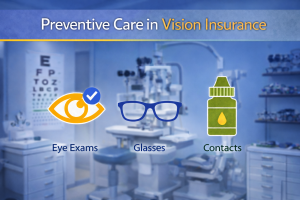
Vision coverage plays a crucial role in maintaining overall health, particularly for seniors who often face a rise in vision issues with age. Having vision insurance can help manage the cost of regular eye exams, corrective lenses, and even surgical procedures when necessary. This coverage ensures seniors can afford the care needed to detect early signs of eye diseases like glaucoma or cataracts.

By understanding the types of vision plans available, seniors can choose policies that provide comprehensive care while fitting their financial and health needs. Let’s explore vision insurance options and their benefits.

Vision Insurance Options for Seniors

Vision insurance offers a range of options tailored to meet the unique needs of seniors, who frequently require more extensive eye care. Seniors can often choose from individual or group vision insurance plans supplied by various insurance companies.

Individual vision coverage ensures personalized plans, allowing seniors to select policies based on specific requirements such as coverage for glasses, contact lenses, or comprehensive eye exams. These vision plans are ideal for those who prefer customization in their insurance coverage, ensuring they pay for services they need rather than unnecessary extras.

Group vision insurance, often part of retiree benefits, might provide broader coverage at potentially lower costs. Being part of a group, such as through a former employer or association, can result in reduced premiums and added benefits, making this option appealing for many seniors. These plans typically cover regular eye exams, a necessary cost it covers completely, offering significant savings. Additionally, many group plans offer discounts on eyewear, contributing to lower out-of-pocket expenses for glasses or contact lenses, which can be a sizable financial relief.

For seniors, the advantages of having vision insurance extend beyond just cost savings. Regular vision checkups are crucial in early detection of vision problems and can prevent deterioration, maintaining quality of life. Identifying issues like macular degeneration early through these regular checkups can prevent serious complications later on.

Vision insurance also ensures that seniors have access to the latest corrective options, which means they can get their eyewear updated regularly without financial strain. The strategic choice of a vision policy should align with seniors’ overall healthcare plans, considering both healthcare needs and projected spending.

Furthermore, seniors must evaluate the potential waiting periods associated with their chosen vision insurance. Similar to dental insurance, some vision policies have waiting periods before certain benefits like surgery or high-cost corrective procedures are fully covered. Understanding these wait times can help seniors plan their vision care without unforeseen expenses.

As seniors sift through available options, it’s also wise to check if their vision insurance has a relationship with a reputable provider network, ensuring they have access to quality care providers.

Ultimately, choosing an appropriate vision insurance plan can offer peace of mind and stability in healthcare budgeting. It requires evaluating one’s personal vision health needs and anticipated changes, ensuring the selected plan provides adequate coverage for both current and future requirements. Seniors who navigate these options wisely can find policies that are both financially advantageous and health-affirming, leading to a more secure and healthy retirement.

Understanding Vision and Hearing Coverage

Understanding the combined coverage for vision and hearing is essential for seniors aiming for comprehensive health protection. Both vision and hearing deteriorate gradually with age, necessitating frequent specialized care.

Vision and hearing insurance plans often package these crucial services, providing an integrated approach to addressing eye and ear health simultaneously. This packaging can simplify policy management and is a growing trend among insurance companies, recognizing that seniors benefit greatly from streamlined healthcare services.

Vision and hearing insurance policies typically provide coverage for essential services like annual eye exams and hearing tests, which are cornerstone preventive measures. These routine examinations can catch early signs of problems like age-related vision loss or hearing impairment, allowing seniors to take proactive steps in treatment. Policies might also provide for substantial discounts on the purchase of corrective lenses, contact lenses, hearing aids, or even surgical interventions, greatly alleviating the financial burden.

Understanding the intricacies of these combined plans requires careful examination of what each layer of coverage entails. Seniors should note that while these plans aim to be comprehensive, there are often delineations regarding what’s covered under vision versus hearing benefits.

For instance, surgical procedures related to cataracts might be under the vision umbrella, whereas hearing aids typically fall under hearing coverage. A clear understanding of where these lines are drawn can ensure seniors maximize their insurance benefits.

Another vital consideration is the inclusion of waiting periods in these policies, a common feature in comprehensive coverage offerings. Similar to standalone vision or hearing plans, waiting times before full benefits activate can impact when seniors decide to undergo procedures.

Monitoring these timelines can be crucial, particularly if a senior anticipates needing significant procedures soon after enrolling in a plan. Preparing in advance ensures smoother transitions in care and avoids out-of-pocket expenses during these waiting periods.

Overall, a well-selected vision and hearing insurance plan addresses immediate care needs and prepares for future health concerns. By understanding policy details, seniors can achieve a balance between affordable insurance premiums and extensive health coverage. Involving family members or healthcare advisors can further enhance decision-making, ensuring that personal health and financial goals align. This robust approach to managing vision and hearing healthcare combines proactive planning with applicable insurance benefits, reinforcing confidence in one’s healthcare journey.

When evaluating vision and hearing insurance policies, here are key considerations to keep in mind:

  • Review coverage details to distinguish between vision and hearing benefits, such as coverage for cataract surgery or hearing aids.
  • Check for any waiting periods that may delay the activation of benefits for needed procedures.
  • Evaluate potential discounts on corrective lenses, hearing aids, and related surgeries.
  • Confirm that annual examinations and tests are covered to catch early signs of issues.
  • Verify if family members or healthcare advisors can assist in evaluating the policy.
  • Consider future health needs to ensure the plan aligns with long-term care goals.

These points can help ensure a well-rounded approach to selecting an appropriate vision and hearing insurance plan.

The Role of Vision Coverage

Exploring Combined Dental Vision Plans

Combining dental, vision, and hearing coverage provides a comprehensive approach to managing health as we age. These bundled dental vision hearing insurance plans address the full spectrum of care seniors often require, simplifying their healthcare choices while optimizing costs.

Understanding the strengths of these combined plans can help seniors make well-informed decisions, aligning their health needs with appropriate insurance options. Let’s delve into the specific advantages of these comprehensive plans and see how they align with seniors’ healthcare objectives.

Advantages of Dental Vision Hearing Insurance

Dental vision hearing insurance plans offer several advantages, particularly for seniors who aim to maintain overall health without the complexity and cost of managing multiple separate policies. One major benefit is the streamlined approach to healthcare coverage. Instead of juggling various policies from different insurance companies, seniors can enjoy the simplicity of a single package that addresses dental, vision, and hearing needs. This not only reduces administrative hassles but also often results in cost savings, as combined policies may offer more competitive rates than individual plans.

Moreover, these plans ensure that critical services like dental exams, vision checkups, and hearing assessments are consistently covered. Regular access to these services is vital for catching early signs of potential issues such as gum disease, cataracts, or hearing loss, allowing for timely interventions and preventing more serious health complications. By integrating these essential services into one cohesive plan, insurance companies can provide a comprehensive preventive care strategy, helping seniors manage their health more effectively.

Beyond preventive care, these bundled plans often provide significant coverage for restorative and corrective procedures. For instance, dental plans may cover a portion of expenses for procedures like fillings and crowns, while vision and hearing benefits could include discounts or partial coverage for glasses, contact lenses, hearing aids, and even surgeries. With dental vision hearing insurance, seniors might find they have more predictable out-of-pocket costs and controlled expenses, making healthcare budgeting easier.

Another compelling advantage is how these plans can reduce or eliminate long waiting periods. Some insurance companies are aware that seniors cannot afford to wait for coverage to start, particularly when dealing with urgent healthcare needs. Thus, they may offer reduced waiting periods, allowing insured individuals to access services faster and with less financial strain.

Group dental and vision plans are another aspect to consider. These plans, often available through retiree associations or former employers, can lead to even greater benefits. By being part of a group, seniors may access comprehensive coverage at more favorable premium rates. This group dynamic often means better-negotiated terms with providers, leading to more extensive coverage across dental, vision, and hearing services.

For seniors, choosing a combined dental vision hearing insurance policy involves evaluating what services you personally need and ensuring the policy matches those needs. By examining the nuances in coverage and benefits within these combined plans, you can ensure your health needs are met efficiently and cost-effectively.

Explore how these integrated offerings align with your healthcare priorities, reducing the complexities of managing multiple policies. To find the dental vision hearing plan that best fits your needs, consider entering your ZIP code on our website to see available options, remembering that coverage details may vary based on location.

Understanding dental, vision, and hearing insurance is an essential step in safeguarding your health. By exploring various plans, you can find options that align with your needs and budget. Remember that coverage can differ by location and provider, so be sure to review plan details carefully.

For more information, enter your ZIP code on our website to discover insurance plans available in your area. This can help you make informed decisions about your coverage choices and ensure you’re well-equipped to maintain your overall health and wellbeing.

Compare Dental Plans

Frequently Asked Questions

What benefits do comprehensive dental, vision, and hearing plans offer for seniors?

Comprehensive plans cover routine check-ups, glasses, contact lenses, and hearing aids, assisting seniors in managing costs related to essential health needs. This simplifies healthcare management and aligns coverage with seniors’ specific needs and budgets.

Why is dental insurance important for seniors?

Dental insurance helps seniors maintain oral health by offsetting costs for services such as cleanings, exams, and restorative care. This support is crucial as dental health often becomes more important and costly with age.

How can dental insurance reduce costs for seniors?

Dental insurance can lower out-of-pocket expenses by covering a portion of necessary services like preventative checkups, fillings, crowns, and potentially more expensive procedures like dentures or implants.

What should seniors consider when selecting vision insurance?

Seniors should evaluate available vision plans based on coverage for essential services like regular eye exams, corrective lenses, and potential surgical procedures. It’s important to understand waiting periods and check for reputable provider networks.

How does hearing insurance typically cover costs for seniors?

Hearing insurance often covers periodic exams and portions of hearing aid costs. Understanding the plan’s limits and waiting periods ensures seniors maximize their benefits and manage hearing health expenses efficiently.

Have Questions?

Speak with a licensed insurance agent

1-833-667-3396

TTY users 711

Mon-Fri: 8am-9pm ET

Find & Compare Plans Online

Speak with a licensed insurance agent

1-833-667-3396TTY 711

Mon-Fri: 8am-9pm ET

ZRN Health & Financial Services, LLC, a Texas limited liability company