How to File Aetna Dental Claim

Welcome to our comprehensive guide on how to file an Aetna dental claim. Navigating the dental insurance claim process can feel daunting, but understanding the steps can make it simpler.

In this guide, we’ll walk you through the essential steps to successfully file a claim with Aetna, ensuring you have the necessary information and documents.

Whether you’re dealing with preventive services or looking to understand your coverage details better, this guide aims to help you feel informed and confident in managing your dental claims. Let’s dive into the process together.

Key Highlights

  • Aetna dental insurance covers preventive to complex procedures, offering flexibility and reliability for diverse needs.
  • Key features include coverage for preventive care, restorative services, and the flexibility to meet individual needs.
  • Aetna emphasizes comprehensive and preventive care, with robust networks offering discounts and transparent benefit plans.
  • Using Aetna’s online portal for claims accelerates processing time with easy tracking and submission features.
  • Special considerations for seniors include preventive and restorative services tailored to unique senior dental needs.

Compare Dental Plans

Understanding Aetna Dental Insurance

For those exploring dental insurance, Aetna dental plans offer a range of coverage options that can cater to varied needs, from preventive care to more complex procedures.

Aetna strives to provide comprehensive health services, ensuring flexibility and reliability. Understanding key features and benefits can help you make informed choices about your dental health needs.

We’ll also look at what sets Aetna apart in the competitive landscape of dental coverage, considering eligibility requirements, benefit plans, and clinical services.

This knowledge can empower you to understand your plan’s nuances, giving you peace of mind about your dental care decisions.

Key Features of Dental Insurance

Key Features of Aetna Plans

Aetna dental plans are designed to cover a wide spectrum of services, from routine check-ups to extensive treatments. These plans typically include preventive services like cleanings and exams, which are crucial in maintaining good oral health.

Depending on your benefit plan, you may also have coverage for restorative services such as fillings, crowns, and even dentures.

Aetna plans often stand out due to their flexibility and customizability, allowing individuals to select options that best fit their health care and financial needs.

Understanding what your Aetna dental plan covers is essential; it can help you avoid unexpected costs and ensure you’re making the most of your benefits.

Eligibility for Aetna plans usually depends on various factors, including age and health conditions. It’s advisable to check specific plan details to know the precise coverage extent for treatments and services you commonly use.

The plans often come with a network of dental clinical services, ensuring you have access to quality dental care. This network also provides a clear idea of out-of-pocket costs, setting expectations upfront.

When selecting a plan, considering how these features align with your dental history and future needs can lead to more cost-effective and proactive health management.

To continue exploring the benefits of Aetna dental plans, consider these aspects that can enhance your overall experience and satisfaction:

  • Check if your preferred dentists are within Aetna’s network for optimized care.
  • Compare coverage details with your past dental expenses for better budgeting insight.
  • Evaluate plan flexibility to accommodate changing health needs over time.
  • Assess potential savings on significant treatments and services under various plans.
  • Review detailed coverage limits specific to different dental procedures.
  • Explore options for family or multi-member coverage to maximize value.
  • Investigate additional benefits like orthodontic or cosmetic dental services.

This concise guide helps illuminate how Aetna plans can effectively meet diverse dental care needs.

How Aetna Stands Out in Dental Coverage

What makes Aetna a standout choice among dental insurance providers is its emphasis on comprehensive and preventive care.

Aetna’s plans often have robust networks that offer substantial discounts on services, which helps in managing expenses for significant procedures.

Additionally, Aetna’s commitment to transparency in its benefit plan offerings means you’ll have a clearer picture of what you’ll pay for services.

This clarity is instrumental in planning your dental health expenses, letting you avoid surprises when it comes time to pay bills.

A unique feature of Aetna dental is its approach to customer service and support. The user-friendly nature of its online resources makes it easier for individuals to navigate their health needs effectively.

From managing claims to scheduling appointments, Aetna supports its customers every step of the way, which can be especially beneficial for seniors who might prefer simpler navigation tools.

Furthermore, Aetna’s plans often come with educational resources to better inform users about maintaining good dental health. This dedication to customer support and educational initiatives helps Aetna maintain its reputation as a reliable provider.

These elements collectively contribute to greater satisfaction among policyholders, ensuring they feel supported in their dental health journey.

What is a Dental Claim

What is a Dental Claim?

Understanding the intricacies of a dental claim is crucial for managing your Aetna dental insurance efficiently.

A dental claim is essentially a request for payment that you or your dental provider submits to the insurance company for services covered under your policy.

Whether it’s a routine cleaning, a filling, or a major procedure like crowns, filing a claim ensures the costs are shared between you and Aetna, according to your plan benefits.

Knowing the steps involved and how to navigate this process can help you save time and reduce any stress associated with managing healthcare expenses.

Defining the Process

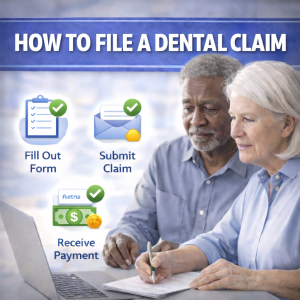
The process of filing a dental claim with Aetna involves several straightforward steps designed to ensure accurate and timely reimbursement. Initially, either your dental provider or you will complete a claim form after receiving dental services.

This form should include detailed information about the treatments received, the associated costs, and the insurance details, like your ID card number.

Importantly, accurate documentation is vital for a clean claim that has all the necessary information to avoid delays in processing.

Once the claim form is complete, it’s either submitted electronically through Aetna’s provider portal or mailed directly to the Aetna claims office.

Filing claims electronically is often recommended as it speeds up processing time and minimizes the chances of human error.

Additionally, the provider portal allows you to check claim status and track claim payment progress, giving you real-time updates. Utilizing these tools can be particularly beneficial for managing your dental clinical expenditures.

Understanding the ins and outs of dental claims with Aetna not only helps ensure timely claim payment but also empowers you to make informed decisions about your dental health expenses.

Whether you’re resubmitting claims due to errors or checking the status, knowing how to navigate this process is invaluable for maintaining transparency and efficiency.

Steps in Filing a Claim

Filing a claim with Aetna dental insurance is a systematic process that begins by gathering all necessary information related to the dental service provided.

You’ll need to fill out a claim form with detailed information, including the dental service date, provider details, and a description of the services received. Be sure to reference your Aetna ID card for accurate insurance information.

Once all required details are compiled, the next step is submitting the claim for review.

After you’ve completed the claim form, you have the option to submit it either online via Aetna’s site or by mail. Utilizing the electronic submission option through the provider portal is often faster and reduces the possibility of delays.

If submitting by mail, ensure that the form is filled out accurately and includes all necessary paperwork to prevent resubmission. Remember, the claim status can be monitored after submission, providing peace of mind as you track its progress.

Throughout the process, clear communication with your dental provider can streamline the steps. It’s helpful for ensuring that all procedures billed are covered under your plan, aligning your understanding of what’s included in your Aetna dental plan.

Filing a dental claim efficiently helps in managing your health expenses, especially when dealing with multiple claims or complex treatment plans. By staying proactive, you can better navigate the nuances of dental insurance and claim management.

Preparing to File a Claim

Getting ready to file an Aetna dental claim involves a few key steps to streamline the process. Preparing ahead ensures that you won’t hit common roadblocks and can submit your claim smoothly, whether electronically or otherwise.

In this section, we’ll explore gathering necessary information and avoiding common mistakes during filing. Both steps are crucial in ensuring your claim is processed quickly and efficiently.

Understanding these elements will provide a stress-free experience and put you on the right path to getting your dental clinical services covered as per your benefits.

Gathering Necessary Information

When filing a claim with Aetna, having all your necessary information at hand is vital. Start by gathering your ID card, as it provides essential insurance details like your policy number.

Next, make sure you have a detailed claim form. This form requires specific information relating to the dental services you’ve received. Include details such as dates, provider information, and a breakdown of all services rendered.

This comprehensive approach minimizes the need for claim resubmission by ensuring nothing is missed in the initial submission.

While gathering, pay special attention to the health information related to your treatment plan. If your dentist provides electronic records, ensure these are compatible with Aetna’s electronic claims system.

This method not only speeds up the processing time but also helps avoid errors. Having well-organized documentation helps streamline communication between you, your healthcare provider, and Aetna.

It might also be helpful to keep a folder, either physical or digital, to store all claim-related information. This proactive step safeguards against potential issues or delays and keeps you informed throughout the process.

Avoiding Common Mistakes

Avoiding common mistakes in filing your claim with Aetna can save you time and frustration. One frequent error is submitting an incomplete claim form. Always double-check that every required field is filled in before submission.

If you’re using an electronic system, ensure every necessary file is attached, as missing information can lead to delays or denied claims.

Sometimes, using the wrong ID card can cause issues, so verify that the card details you’re providing are current and match what Aetna has on file.

Communication with your dental provider is another critical area. It’s important to confirm that the services you’re claiming are covered under your Aetna policy.

Miscommunication or assumptions could result in claims not being reimbursed as expected. Furthermore, ensure that the cost of services matches what’s recorded on the claim form.

Any discrepancies might necessitate claim resubmission, which prolongs the entire process. Keeping these common pitfalls in mind and preparing ahead can greatly improve the success rates of submitted claims.

As a final tip, utilize the resources Aetna offers, like their online guides or customer service, to clarify any uncertainties before filing.

how to file a dental claim

Filing Your Aetna Dental Claim

Filing your Aetna dental claim can often feel like navigating a maze, but with the right resources, it becomes manageable. Understanding your options for submitting claims, whether electronically or via mail, can simplify this process considerably.

By using Aetna’s secure online site, you’ll find swift and streamlined claim submissions. Alternatively, traditional mail submission is available, offering a tangible way to track your paperwork.

Each method has its own set of procedures and advantages that cater to different preferences, making it easier for you to choose the one that best fits your needs.

Using Aetna's Online Site

Opting to file your Aetna dental claims electronically using Aetna’s secure site offers significant advantages in terms of speed and efficiency.

To begin, you’ll want to ensure you’re registered on Aetna’s provider portal, where you can access all necessary forms and submit your claim digitally.

Once registered, you’ll enter the claim form details, including your ID card information, dental service particulars, and costs. This method minimizes errors as the site provides prompts to ensure you complete all required fields.

Plus, the ability to submit claims electronically reduces processing time significantly compared to traditional methods.

The convenience of the electronic process also means you can track your claim status in real time through the secure site. This feature is invaluable for maintaining a transparent line of sight on your claim’s journey from submission to payment.

Additionally, Aetna’s site offers the added benefit of keeping a history of your claims, giving you ready access to past submissions for reference or correction if needed.

By streamlining these procedures, Aetna’s site supports a seamless experience, helping you manage your health expenses with less hassle.

Remember, using the site’s tools not only eases claim management but also provides peace of mind by offering accurate updates right when you need them.

Submitting Through Mail

For those who prefer a more hands-on approach, submitting your Aetna dental claims by mail remains a valid option.

This method might seem traditional, but it offers the benefit of having a physical copy of your submission, which can be easier for those who like to track hard copies.

To start, complete a printed claim form with your dental service details, referencing your Aetna ID card to fill in insurance specifics. It’s crucial to double-check that all parts of the form are accurately filled out to avoid delays caused by missing information.

Attach any required documents, such as treatment receipts or explanation of benefits, to provide a comprehensive view of your claim.

Once everything is compiled, mail your claim to Aetna’s designated address found on their secure site, often listed in the claims section. It’s wise to use a tracking method when sending your documents to ensure it reaches the correct destination.

While the mail process might take longer than electronic submissions, the tangible record it provides can be reassuring for many. Additionally, keeping a copy of everything you send can be a lifesaver should you need to verify or resubmit your claim later.

Understanding both the benefits and limitations of mail submissions ensures that you can choose the method that aligns with your preference for handling dental insurance claims effectively.

Through careful preparation and attention to detail, this approach can be just as effective in managing your Aetna dental needs.

Find & Compare Plans Online

Speak with a licensed insurance agent

1-833-667-3396TTY 711

Mon-Fri: 8am-9pm ET

Understanding Claim Resubmission

When it comes to managing Aetna dental claims, understanding when and why claim resubmission might be necessary can save time and reduce frustration.

Whether due to missing information or discrepancies in services billed, knowing the nuances of claim resubmission helps maintain the smooth flow of your dental benefits.

By grasping the reasons behind a rejected or returned claim, you can take proactive steps to correct it efficiently, thereby ensuring your Aetna dental services are covered as planned.

Let’s delve into common scenarios that might require resubmitting a claim and how to address them effectively.

When Resubmission Might Be Needed

Claim resubmission often arises when there’s an issue with the initial submission that hinders its processing.

Common reasons for resubmitting a claim include missing or incorrect information, such as discrepancies in insurance details or a mismatch between the services listed and those covered under your Aetna plan.

Sometimes, claims are returned due to eligibility issues, where the dental services rendered do not align with what’s covered by Aetna’s plan. Addressing these gaps swiftly is crucial in ensuring your health services are processed correctly.

It’s also worth noting that errors in coding can lead to the need for resubmission. Dental and health service providers use specific codes to denote different treatments, and even a minor error can halt the claim process.

Additionally, if any health eligibility requirements were overlooked during the initial submission, it could necessitate a resubmission. Carefully reviewing the explanations provided by Aetna when a claim is returned can offer insights into necessary corrections.

To mitigate the need for resubmission, double-check your claim before submission using Aetna’s secure site, which provides a checklist to ensure accuracy.

The site offers guidance on completing your submissions, helping reduce the likelihood of errors that lead to resubmissions.

Staying informed and using the site’s resources effectively can greatly minimize delays and ensure your Aetna claims are managed seamlessly, saving you both time and stress.

Additionally, keeping open communication with your dental provider about services billed helps ensure everything aligns with your coverage expectations, ultimately facilitating smoother interactions with Aetna.

Navigating the Aetna Site for Claims

Accessing and managing your dental claims through the Aetna site can make the process more efficient and straightforward. The secure site provides a range of tools designed to help you gather necessary information and submit claims smoothly.

This section will guide you on how to find the right resources and ensure seamless navigation on Aetna’s site, whether you’re checking your claim status or registering new claims.

Understanding these elements will enhance your overall experience with dental care coverage, ensuring you make the most of your benefits.

Finding the Right Resources

The key to effectively navigating the Aetna site lies in knowing where to find the right resources that simplify the claims process. Start by registering for access to Aetna’s secure site, which is essential for anyone looking to manage their dental claims efficiently.

Registration typically requires basic information, such as your Aetna ID card number, ensuring a personalized and secure experience.

Once registered, you’ll gain access to the provider portal, a valuable tool where you can manage and track claim submissions effortlessly.

Through the secure site, you can easily gather critical claim information, including current claim status and history. This feature is invaluable for maintaining an organized approach to your dental health expenditures.

Aetna’s site also offers instructional guides and support for using the electronic system to submit claims, reducing the reliance on mail submissions and speeding up processing times.

Moreover, in the event of discrepancies or errors in your claim, the site allows quick adjustments, minimizing the need for lengthy resubmissions.

For seniors and caregivers, the site provides additional support by offering customer service options via chat or phone, should you encounter any challenges while exploring your dental coverage options.

This support ensures that all users, regardless of technical ability, can confidently navigate the Aetna claims process.

By fully utilizing these resources, you manage and maximize your Aetna dental benefits more effectively, ensuring that you remain informed and prepared for any administrative needs regarding your dental insurance.

Dental Clinical Services Covered by Aetna

Understanding what dental clinical services Aetna covers can help you maximize your benefits and manage your dental health more effectively.

Aetna’s offerings focus on promoting overall well-being through a broad spectrum of services, which include both preventive and restorative treatments.

These services are designed to address various dental needs, ensuring that policyholders receive comprehensive care.

Knowing which treatments are covered under your Aetna dental plan allows you to plan ahead and avoid unexpected costs, making your dental care journey smoother and more predictable.

Examples of Covered Treatments

Aetna dental plans typically cover a diverse range of treatments, catering to different dental health requirements. Preventive dental services, such as regular check-ups, cleanings, and X-rays, form the foundation of Aetna’s coverage.

These services are crucial for maintaining oral health and catching potential issues early on, which can save on more costly procedures down the line.

By ensuring these routine services are accessible, Aetna helps individuals maintain their health with ease and confidence.

Beyond preventive care, Aetna also offers coverage for restorative services. This includes treatments such as fillings, crowns, and dentures, which are essential for restoring teeth affected by decay or damage.

These services help maintain function and aesthetics, improving both the health and appearance of your smile.

Additionally, some Aetna plans may offer coverage for more complex procedures, like root canals or periodontal treatments, though it’s important to check your specific plan for details on service variations and coverage limits.

Awareness of your Aetna dental plan benefits allows you to leverage these services effectively. When selecting a plan, consider how these covered treatments could support your long-term dental health needs.

By being informed, you can utilize your benefits wisely, ensuring the services you rely on are included in your coverage.

Remember, your location may also influence covered treatments, so always review your plan specifics to align your expectations with the available services.

For more tailored guidance, entering your ZIP code on our site can help you explore options specific to your area.

Aetna Coverage for Seniors

Aetna Coverage for Seniors

Aetna extends robust dental coverage options specifically designed for seniors, catering to diverse needs from preventive to specialized dental services.

These benefit plans are tailored to accommodate the unique health considerations of older adults, ensuring access to essential services without unnecessary hassle.

Understanding the nuances of Aetna’s insurance offerings can be crucial for seniors seeking reliable and flexible coverage tailored to their stage of life.

Whether you’re looking for extensive dental services or just basic care, Aetna’s plans are structured to support senior dental health effectively.

Special Considerations for Senior Plans

When it comes to choosing an Aetna dental plan, seniors should be aware of several considerations that can affect their experience and satisfaction.

Aetna’s senior-focused benefit plans often prioritize preventive services, making routine check-ups, cleanings, and basic oral health management readily accessible.

This emphasis on prevention not only helps maintain overall dental health but also minimizes the likelihood of more severe issues developing later on, saving costs over time.

It’s crucial to review exactly what your specific Aetna dental plan offers in terms of coverage for services, so there are no surprises when you seek care.

Aetna also understands that senior dental needs can include restorative treatments such as fillings, crowns, and, in some cases, dentures. These services are essential for preserving function and aesthetics, thus enhancing quality of life.

Seniors might also explore plans that include coverage for complex procedures like gum disease management, though availability is often contingent on the specific benefit plan and service location.

The flexibility Aetna provides in plan customization allows seniors to select coverage that aligns with their personal health goals and budget.

Additionally, eligibility criteria and specific service levels can vary based on health conditions and age, so it’s important for seniors to carefully evaluate all details when choosing Aetna’s dental insurance.

This evaluation ensures they are fully informed of any limitations or exclusions that could affect their dental care. Seniors and their caregivers should consider these elements alongside their current and anticipated health needs.

Understanding and comparing senior-specific dental plans can empower you to make confident, well-informed decisions, ensuring your dental care aligns with both your current health status and future requirements.

Addressing Student Health Concerns with Aetna

When it comes to student health, Aetna offers tailored plans designed to meet the unique needs and challenges faced by young adults.

Understanding these specialized offerings can be crucial for students navigating both academic and health requirements.

These plans, often falling under ‘Aetna student health’, provide vital coverage that ensures students can focus on their studies without undue worry about accessing necessary dental or health services.

By exploring the nuances of these benefit plans, students can better navigate the complexities of health coverage, including how to file claims when needed.

How Student Plans May Differ

Aetna student plans are crafted with the distinct lifestyle and health needs of students in mind, which often results in noticeable differences from standard health plans.

An Aetna student health plan typically provides flexible coverage options that accommodate the dynamic schedules and varied health priorities of students.

Such plans often prioritize preventive dental services, which are critical in maintaining oral health during formative years where habits are developed.

Unlike traditional plans, these student-focused options may offer certain advantages like lower premiums, manageable co-pays, and access to a broad network of providers.

One key aspect of Aetna’s student plans is the integration of mental health support, recognizing the stressors commonly associated with academic life.

This holistic approach ensures that students receive well-rounded care, addressing both physical and mental aspects of health.

The plans may also include unique provisions such as telehealth services, which offer convenient access to medical advice outside of regular office hours, an essential feature for students with demanding schedules.

When it comes to filing a claim under an Aetna student health plan, the process remains fairly straightforward but offers further support for those unfamiliar with claim submissions.

The inclusion of easy-to-use provider portals helps streamline the filing process, making it quicker and more efficient.

Understanding these differences and services can aid students in selecting a health plan that aligns with their education, lifestyle, and health needs while also minimizing stress related to handling health insurance details.

Exploring Your Aetna Options

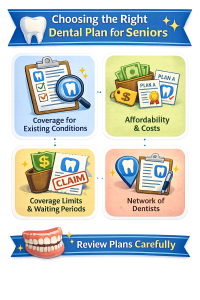
Choosing the right Aetna dental plan is crucial for managing your oral health expenses effectively. Aetna provides a range of benefit plans that cater to diverse needs, including preventive, restorative, and complex procedures.

Understanding these options can help you avoid unnecessary costs and ensure seamless dental care. From comparing different plans to utilizing Aetna’s helpful site resources, this section will guide you through making informed decisions.

Knowing how to compare and utilize Aetna’s offerings empowers you to select the coverage that aligns with your dental health needs and financial goals.

Get Help - Comparing Your Options

How to Compare Plans on the Site

Comparing Aetna plans can be straightforward when you know where to start. Begin by visiting Aetna’s official site, which offers tools and resources designed to help you compare plans effectively.

You’ll find various options tailored to different needs, from basic preventive services to extensive coverage, including major dental procedures. Use the site’s compare plans feature to assess the details of each benefit plan.

This function allows you to see side-by-side comparisons, highlighting the differences in coverage levels, annual maximums, and out-of-pocket costs.

Aetna’s electronic tools make it simpler to navigate through different benefit plans. You’ll also find guides on what each plan covers, essential for those needing specific treatments like crowns or dentures.

By using these resources, you can pinpoint which plan best aligns with your dental health priorities and budget constraints.

Consider the flexibility each plan offers, including whether you can visit out-of-network providers or how emergency visits are handled.

Reviewing the provided electronic comparisons helps visualize which plan meets your personal and financial needs most effectively.

It’s advisable to utilize Aetna’s customer service options available on the site for any questions or clarifications. The guidance provided can help identify the most critical aspects of your potential benefit plan, ensuring you’re not left confused.

For seniors or those unfamiliar with web navigation, straightforward tips and support services are accessible via the site.

By leveraging these tools, the process of choosing a dental insurance plan that suits your needs becomes less daunting, enabling you to confidently manage your dental health plan selection.

Filing an Aetna dental claim can seem daunting, but it’s manageable with the right information. Follow the steps provided, gather all necessary documents, and submit your claim promptly to ensure efficient processing.

Remember, dental insurance coverage and filing processes may vary by plan and location. Check your specific plan details or reach out to Aetna’s customer service if you have any questions.

To further explore dental insurance options tailored to your needs, enter your ZIP code on our site, and discover plans available in your area.

Compare Dental Plans

Frequently Asked Questions

What are the essential steps to file a dental claim with Aetna?

To file a dental claim with Aetna, follow these steps: gather your Aetna ID card, complete the claim form with details such as dental service dates and provider information, and submit the claim electronically via Aetna’s provider portal or by mailing it to Aetna’s claims office. Ensure all required information is accurate to avoid delays.

What services does Aetna dental insurance typically cover?

Aetna dental insurance generally covers preventive services such as cleanings and exams, as well as restorative services like fillings, crowns, and sometimes dentures. Check your specific plan to understand coverage details and any exclusions based on location and plan choices.

What are the benefits of using Aetna's electronic submission for dental claims?

Submitting claims electronically through Aetna’s secure site accelerates processing time, reduces the chance of errors, and allows for real-time tracking of claim status. The site retains a history of claims, providing easy access to past submissions for reference or corrections.

What specific considerations are there for Aetna dental plans for seniors?

Seniors looking into Aetna dental plans should note the emphasis on preventive care, which includes routine check-ups and basic oral health management. Some plans also cover restorative services like crowns and dentures. Evaluating your plan options can help manage costs and access necessary dental care tailored to senior needs.

How does Aetna support dental insurance claim resubmission?

If a dental claim needs to be resubmitted due to missing or incorrect information, correct the issues stated by Aetna before resubmitting. The provider portal can help guide you through this process, ensuring the updated claim is accurate, which minimizes further delays.

Have Questions?

Speak with a licensed insurance agent

1-833-667-3396

TTY users 711

Mon-Fri: 8am-9pm ET

Find & Compare Plans Online

Speak with a licensed insurance agent

1-833-667-3396TTY 711

Mon-Fri: 8am-9pm ET

ZRN Health & Financial Services, LLC, a Texas limited liability company