Humana Dental Insurance Waiting Periods

Exploring dental insurance can be confusing, especially with terms like “waiting periods.” Humana Dental Insurance offers various plans to suit different needs, including options with no waiting periods.

Understanding these options helps seniors access the dental care they need without delays. With choices that balance coverage and cost, Humana makes navigating dental care simpler and more reassuring.

This guide explains how Humana dental waiting periods work and highlights plans designed to provide immediate benefits, easing concerns for those managing dental health on a budget. Discover how Humana can support your dental health options hassle-free.

Key Highlights

  • Humana offers dental plans with no waiting period, ensuring immediate coverage for urgent dental needs.
  • Understanding dental plan types like HMOs and PPOs helps tailor coverage to needs and budget.
  • Waiting periods prevent cost spikes but can delay coverage for major procedures like implants.
  • Individual plans offer flexibility in coverage, while group plans emphasize cost-efficiency.
  • Review coverage, costs, and provider networks when selecting a dental plan to ensure it meets your needs.

Compare Dental Plans

Introduction to Dental Insurance

Dental insurance is a vital part of healthcare coverage, especially as we age and our dental needs increase. It helps manage the cost of dental care by covering a range of services, from preventive care to more complex procedures.

Understanding dental insurance, its benefits, and limitations empowers seniors to make informed decisions that suit their needs.

With many insurance companies offering diverse plans, it’s crucial to grasp the nuances of coverage options, like those provided by Humana. This familiarity can make navigating dental health expenses more manageable and less daunting.

What is Dental Insurance?

Dental insurance is designed to cover a portion of the costs associated with dental care. At its core, dental insurance works much like healthcare insurance, but it specifically targets dentistry needs.

Typically offered by insurance companies like Humana, a dental insurance plan may include coverage for routine check-ups and cleanings, which are crucial for maintaining oral health.

Routine preventive services are usually covered at a higher percentage, meaning lower out-of-pocket expenses for these visits. Restorative procedures, such as fillings or crowns, might be covered at a varying rate, reflecting the plan’s specifics.

However, not all procedures are covered uniformly. Understanding what is covered and what isn’t is essential for making the most out of your dental insurance.

For example, major procedures like dental implants may have different coverage levels or waiting periods before the insurance kicks in. This is where the no waiting period plan options become appealing, as they can provide immediate coverage benefits.

Plans differ widely between insurance companies and even between different offerings by the same company, so knowing the terms and conditions is vital.

When exploring plans, factors like monthly premiums, annual maximums, and deductibles influence choices.

Monthly premiums are what you pay regardless of usage; annual maximums cap what the insurer will cover within a year, while deductibles are the amount you pay before coverage begins.

With insurers like Humana, exploring various plan structures like HMOs, PPOs, and indemnity plans can help tailor coverage that meets individual needs and budgets.

Each has distinct advantages, with HMOs potentially offering lower costs in exchange for a smaller pool of participating dentists, while PPOs provide more freedom in choosing dental providers.

Choosing the right combination of coverage, cost, and flexibility involves understanding these options deeply, allowing you to confidently manage your dental health expenses.

Remember, entering your ZIP code online will help explore options tailored to your locale, as coverage and costs can differ by location.

To help you navigate the nuances of dental insurance, consider exploring these essential tips:

  • Evaluate the network of dentists included in various plans.
  • Compare coverage levels for preventive, basic, and major services.
  • Assess the financial implications of monthly premiums and annual maximums.
  • Understand how deductibles affect out-of-pocket expenses.
  • Look for flexibility in choosing between in-network and out-of-network providers.
  • Check for any waiting periods impacting your immediate coverage needs.
  • Consider additional benefits like orthodontic or cosmetic coverage.

These points can assist you in making a well-informed decision for managing your dental care expenses effectively.

Understanding Dental Plans

Dental plans play a crucial role in managing oral health expenses and ensuring access to necessary care.

With a plethora of options available, it’s important to understand the foundational aspects of dental insurance plans, particularly when considering providers like Humana.

Diverse plan types mean there’s often something to suit everyone’s needs, whether it’s major dental procedures or basic care. Recognizing key differences in coverage and structure among dental plans can empower insured individuals.

Knowing these factors helps you choose a dental plan that aligns with your personal healthcare needs and financial capabilities.

Types of Dental Plans Available

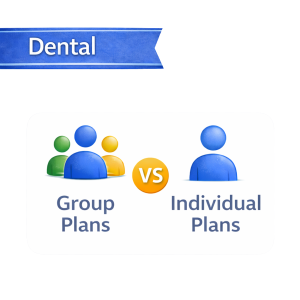
When exploring dental plans, it’s essential to identify the types available to match your needs. Generally, there are two main categories: individual dental plans and group dental plans.

Individual dental insurance plans are perfect for those seeking coverage tailored specifically to personal needs.

These plans usually come with flexibility, allowing individuals to select coverage levels that suit their dental care requirements, whether it’s routine check-ups, basic care, or more advanced treatments like major dental procedures.

This personal approach makes it possible for each insured person to receive care that matches their lifestyle and oral health requirements. On the other hand, group dental plans typically refer to the coverage provided by employers or organizations.

These plans often cover a larger pool, possibly leading to cost-efficiency and broader options. With group dental plans, you might be part of a network that can potentially reduce costs through negotiated rates with dentists.

These plans, often offered by companies like Humana, are designed for employees or group members, making dental insurance accessible to a wide audience.

They usually cover a range of services under the umbrella of dental insurance plans, making it easier for members to manage both basic and comprehensive dental care needs.

For individuals considering Humana insurance, it’s notable that they offer various options from Humana Complete to PPOs, ensuring a wide selection tailored to different needs.

When evaluating these types, it’s crucial to consider coverage intricacies, out-of-pocket costs, and limitations of each plan to ensure they meet your expectations.

Key Features of Dental Insurance

Key Differences Between Dental Plans

Deciphering the key differences between dental plans is crucial for selecting the right option for your dental needs. One of the major differences lies in the structure and flexibility of the plan.

For instance, HMO (Health Maintenance Organization) plans might restrict you to a specific network of dentists, potentially lowering costs but also limiting choices.

Conversely, PPO (Preferred Provider Organization) plans offer greater flexibility by allowing visits to out-of-network dentists, albeit often at a higher cost.

Indemnity plans provide the most freedom, letting you choose any dentist and giving you the freedom to manage your care without network restrictions.

This flexibility, however, comes with different cost structures that may include higher premiums and deductibles. Understanding these components, including deductibles, which mark the threshold you pay before coverage kicks in, is vital.

Different plans also have varying levels of major dental and basic care coverage. Basic care usually includes routine exams and cleanings, generally covered at higher percentages, easing out-of-pocket expenses.

Major dental procedures like crowns or dentures could be covered once partial deductibles are met.

When considering a provider like Humana, their plans often include a mixture of these structures with unique benefits, from comprehensive options in Humana Complete to affordable choices in their group dental offerings.

Such plans are designed to fit different dental insurance needs and budgets. Furthermore, assessing insurance plans for annual maximums, which cap the total coverage amount for a year, helps prioritize what’s financially feasible.

Whether it’s Humana Insurance’s unique offerings or another provider, ensuring you understand the distinctions and limitations allows for informed decision-making regarding your dental health strategy.

Keep in mind, balancing between various plans involves weighing flexibility, coverage, and cost, ensuring you make a choice that best fits your dental and financial needs.

Explaining Waiting Periods

Understanding waiting periods in dental insurance is crucial for managing your dental health costs and planning ahead.

These periods, often a part of insurance plans from companies like Humana, are times when certain services aren’t covered, even though you pay premiums.

Knowing what waiting periods are and the types that exist can help you choose the best coverage for your needs.

Considering plans with no waiting periods can be an attractive option if immediate dental work is necessary. Having clarity about these aspects empowers you to make informed and confident decisions regarding your dental coverage.

What is a Waiting Period?

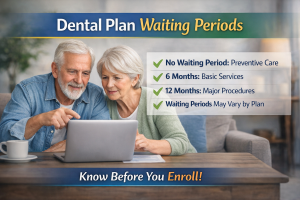
A waiting period in dental insurance refers to a specific time frame that must elapse before your insurance company begins covering certain dental services. During this period, any expenses for specified procedures will have to be borne out of pocket.

This is a crucial factor when choosing a dental insurance plan, as not understanding it can lead to unexpected costs. Typically, waiting periods apply to more comprehensive procedures rather than preventive care.

For example, while routine check-ups might have little to no waiting time, major services like crowns or dental implants could have a waiting period of several months or even up to a year.

Understanding why waiting periods are imposed is key.

Insurance companies like Humana use these periods to prevent people from only enrolling for coverage when they anticipate needing costly dental procedures, which helps keep overall premiums manageable for all members.

While it may seem like a disadvantage, knowing about these restrictions upfront means you can plan your dental procedures more efficiently.

Some plans entice customers with a no-waiting-period offer, which allows immediate access to benefits, but these may come with higher monthly premiums.

When comparing insurance plan options, it’s essential to examine not only the length of the waiting periods but also the types of treatments they apply to.

If you have an urgent need for dental work, a plan with no waiting periods might be worth the investment. Companies often offer a range of plans, like those from Humana dental insurance, which cater to different needs around waiting periods.

Choosing wisely based on how soon you need coverage can make a big difference in overall satisfaction with your dental insurance.

dental plan waiting periods

Types of Waiting Periods in Dental Insurance

Waiting periods in dental insurance can vary based on the type of coverage and the services involved. Common types include short-term, long-term, and specialized waiting periods, each tailored to different facets of dental care.

Short-term waiting periods usually apply to basic services like examinations and routine cleanings. These are often minimal or nonexistent, especially with comprehensive plans such as Humana Complete, which aim to encourage regular preventive care.

However, it’s the longer waiting periods that generally concern more intensive procedures like oral surgery or orthodontic work.

For major services, long-term waiting periods are common. These can range from several months to a full year, depending on the insurance plan.

The idea is to prevent the immediate filing of expensive claims right after insurance is purchased, helping the insurer keep costs stable. This can lead policyholders to weigh alternatives, like opting for plans emphasizing no waiting periods for essential therapies.

Such plans are designed for individuals needing frequent or immediate care, and they offer flexibility at a potentially higher cost point.

Another variant is the specialized waiting period. These are specific to particular services, such as dental implants or TMJ (temporomandibular joint) treatments, and can differ significantly from one insurance provider to another.

Understanding these can be helpful when planning long-term dental needs. Dental insurance from providers like Humana often structures these periods clearly, assisting policyholders in determining their timelines for undergoing various treatments.

When evaluating the impact of waiting periods, it’s also important to factor in personal dental health history, current dental needs, and potential future requirements.

Matching your needs with the right insurance plan can reduce confusion and ease the financial burden associated with unexpected dental expenses.

Exploring plans, like those offered by Humana dental insurance, and entering your ZIP code into online resources can provide tailored information, ensuring that the insurance coverage meets your specific needs and mitigates the challenge of waiting periods.

Always remember that while navigating through the options, understanding the nuances and timing of each plan in terms of waiting periods can be a game-changer in your overall dental health strategy.

Specifics of Humana Dental Insurance

Humana dental insurance offers comprehensive options that cater to a wide range of dental needs, including both individual and group plans.

These insurance plans are designed with flexibility in mind, allowing policyholders to select coverage that aligns with their dental health priorities.

A standout feature is the no waiting period option, which provides immediate access to certain benefits, a compelling choice for those needing urgent care.

Understanding these specifics is crucial for seniors looking to avoid unexpected expenses while ensuring access to necessary dental services.

ameritas dental group vs individual plans

Overview of Humana Insurance Plans

Humana Insurance Company, known for its diverse range of offerings, provides dental insurance plans that aim to meet various needs. These insurance plans typically fall into two primary categories: individual and group.

Individual plans, like Humana Complete, offer tailored coverage levels for those who want to manage their own dental health. This allows flexibility in choosing preventive to more advanced care, ensuring that each insured person gets exactly what they need.

Preventive services often receive high coverage, minimizing out-of-pocket expenses, which is essential for maintaining routine oral health.

On the other hand, group insurance plans are generally offered by employers or organizations and cover a larger pool of individuals. This can often lead to cost efficiencies and access to a wider range of services due to negotiated rates with dentists.

Some of these plans might be part of a larger Humana group offering, emphasizing affordability and extensive coverage.

Both individual and group plans are part of Humana’s strategy to provide dental insurance that accommodates both simple and complex dental care needs.

They achieve this by offering various deductible and premium arrangements, allowing for customization based on budget and dental health requirements.

Additionally, understanding the structure of these plans is paramount. Plans like PPOs (Preferred Provider Organizations) grant more freedom in choosing dental providers, though they might come at a higher cost.

Conversely, HMOs (Health Maintenance Organizations) may offer lower costs in exchange for a more restricted choice of dentists within a specific network. This choice impacts the flexibility and cost-effectiveness of the plan.

Exploring Humana dental can help potential policyholders decide whether an individual or a group plan best fits their dental care objectives.

Whether one’s priority is routine maintenance or comprehensive coverage for major procedures, grasping the full spectrum of Humana insurance options is crucial for making well-informed decisions.

Understanding Humana's No Waiting Period Plan

Humana Insurance understands the potential disadvantage of waiting periods in dental coverage and addresses this with its innovative no waiting period plans.

These plans are particularly appealing for individuals who need immediate dental care without the delay that waiting periods typically present. For many, the immediacy of coverage starts the moment their insurance plan is active.

This is especially beneficial for those who require urgent dental treatments, providing a significant relief from anxiety associated with unexpected dental costs.

A no-waiting-period plan can cover various essential services right from the outset, such as exams, cleanings, and even some major procedures, depending on the specific plan details.

Humana dental plans without waiting periods eliminate the common delay in coverage for procedures that might otherwise lead to hefty out-of-pocket expenses.

This feature is instrumental for patients needing prompt attention to dental problems, ensuring that their care plan can move forward on schedule.

The structure of a no-waiting-period plan, such as those offered by the Humana insurance company, underscores the importance of immediate access to care.

By bypassing the waiting period, policyholders can address dental issues swiftly and effectively, a vital consideration for maintaining good oral health, especially as we age.

However, policy seekers should be aware that these benefits often come with implications in terms of cost.

The premium for such plans might be higher due to the increased risk the insurer takes on, knowing that claims could be filed as soon as the policy is active.

Therefore, when considering a no-waiting-period plan from Humana, it’s important to weigh the benefits against the cost implications.

Examining the fine print, such as which services are covered immediately and the associated premiums, can help decide if this type of plan suits one’s dental needs and financial situation.

Remember, while these plans offer rapid access to dental care, they might be structured with specific limits or caps on certain treatments to balance the risk.

Approaching Humana’s insurance offerings with a clear understanding of these elements ensures that potential policyholders can make an informed choice about their dental health coverage.

How to Choose the Right Dental Plan

Selecting the perfect dental plan can be a daunting task, especially with so many options available. From individual to group plans, finding the right coverage involves weighing various factors tailored to your dental needs and budget.

It’s crucial to explore key elements like coverage, costs, waiting periods, and provider networks to make a well-informed decision.

Coupled with an understanding of offers from providers like Humana insurance, this approach ensures access to necessary care and financial peace of mind. Let’s delve into the essential factors to consider when choosing the best dental insurance plan for you.

Factors to Consider When Selecting a Plan

Choosing the right dental plan involves several critical factors that demand careful consideration. Understanding your dental care needs is the first step in this process. Are you seeking routine check-ups, extensive treatment, or a combination of both?

Identifying these needs will help narrow down options. With numerous offerings from companies like Humana Insurance, knowing the coverage specifics is vital.

Consider plans that align with your requirements, ensuring treatments, whether preventive or major, are sufficiently covered. The structure of a dental insurance plan can also significantly impact your choice.

Options like HMOs provide cost efficiencies but may restrict you to a specific network of providers. On the other hand, PPOs offer greater flexibility in choosing dental care providers but might involve higher costs.

Balancing these factors, based on personal preferences for provider choice, can steer you towards the ideal plan. Additionally, financial aspects such as premiums, deductibles, and annual maximums play a pivotal role in decision-making.

Monthly premiums are recurring expenses ensuring coverage, while deductibles are the initial costs before coverage starts. Understanding how these elements affect your budget can influence your choice significantly.

For instance, a plan with a higher deductible but lower premium might suit someone with infrequent dental needs, while those needing regular dental care might prioritize lower deductibles despite higher premiums.

Moreover, consider waiting periods associated with major procedures. Plans without waiting periods, like some offered by Humana Dental, ensure immediacy in care but may come at a higher premium.

Weighing these costs against the urgency of your dental needs is crucial. Evaluating the provider network is another essential aspect.

Ensure your preferred dentists are part of the insurance plan network, reducing out-of-pocket expenses and maintaining dental care continuity.

Also, assess the extent of coverage for specialized treatments such as orthodontics or implants, if relevant to your needs. Finally, geographic considerations can’t be overlooked.

Entering your ZIP code on platforms such as Humana’s can provide insights into location-specific options, enhancing choice relevance. Equipping yourself with this information empowers a confident choice that fits your dental health strategy.

Understanding Humana Dental Insurance waiting periods helps seniors make informed decisions about their dental care needs.

While some procedures may require a wait, exploring a no-waiting-period plan could offer immediate benefits for essential services. It’s important to review each plan’s details, considering coverage options, costs, and limitations.

This proactive approach ensures you can select a plan that aligns with your dental health goals. To see what’s available in your area, enter your ZIP code on our website to explore a variety of dental insurance options tailored to your needs.

Compare Dental Plans

Frequently Asked Questions

What are waiting periods in dental insurance?

Waiting periods in dental insurance refer to a set time frame when certain services are not covered after enrolling in a plan. During this period, you may need to pay for these procedures out of pocket.

Why do some plans have no waiting periods?

Plans with no waiting periods allow immediate coverage for specific services, which can be beneficial for individuals who require urgent dental care without delay.

How do different plan types like HMOs and PPOs affect coverage?

HMO plans might limit you to a specific provider network, potentially lowering costs. PPO plans offer more provider flexibility, but usually at a higher cost. Choosing between them depends on your need for provider flexibility and budget considerations.

What's the difference between individual and group dental plans?

Individual plans provide coverage tailored to personal needs and often offer more personalized choices. Group plans, usually through employers, focus on cost-efficiency and typically cover a broader range of services at negotiated rates.

How can I find the right Humana dental plan for my needs?

To find a Humana dental plan that suits your needs, consider factors like coverage types, waiting periods, monthly premiums, deductibles, and the provider network. You can enter your ZIP code on Bestdentalinsurance.org to explore options in your area.

Have Questions?

Speak with a licensed insurance agent

1-833-667-3396

TTY users 711

Mon-Fri: 8am-9pm ET

Find & Compare Plans Online

Speak with a licensed insurance agent

1-833-667-3396TTY 711

Mon-Fri: 8am-9pm ET

ZRN Health & Financial Services, LLC, a Texas limited liability company