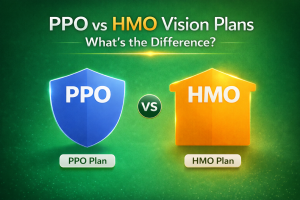
Your Delta Dental plan type determines which dentists you can see, how much your insurance contributes, and whether you need to stay within a particular network for the best benefits. The quickest place to start is your member ID card. Look for the plan name, network name, group number, and the Delta Dental company administering your coverage; these details are often more useful than a general label such as PPO or HMO.
Many cards display a network logo or wording such as Delta Dental PPO, DeltaCare USA, Premier, or another local program. If the card is unavailable, sign in to your member account through the Delta Dental website listed on your materials. The online benefits page should show your dental plan name, eligibility dates, covered family members, claims history, and a dentist-search tool tailored to your network, along with key health coverage details.
Your enrollment confirmation, benefits booklet, or an email from your employer, union, school, or health insurance administrator can provide the fuller picture. Check for information on annual maximums, deductibles, copays, waiting periods, orthodontic coverage, and out-of-network reimbursement. A PPO-style plan commonly allows visits to dentists outside the network, though your share of the bill may be higher.
A prepaid or managed-care plan may ask you to choose a primary dentist and generally works within a defined network. Keep in mind that Delta Dental is a nationwide family of member companies, so plan names and rules can vary by state and by the organization that purchased the coverage.
When the documents are unclear, call the member services number on your card and ask which network applies to your specific plan, whether your preferred dentist participates, and what your expected cost would be for a routine visit. That confirmation is especially worthwhile before scheduling specialty treatment or a procedure with significant out-of-pocket expense.