Potential Gaps in Medicare Dental Coverage

Understanding the nuances of Medicare dental coverage can be challenging, especially for seniors trying to navigate their options. While Medicare provides essential healthcare coverage, its dental benefits may have gaps that leave some needs unmet.

This page will help explain what Medicare dental coverage usually includes and what it might not cover. We’ll guide you through the possible limitations, ensuring you feel informed about potential costs and coverage options.

With clear, simple explanations, you can better explore dental insurance choices that may fill these gaps. Enter your ZIP code to discover plans available in your area.

Key Highlights

  • Medicare typically excludes dental services, creating coverage gaps for most oral care needs.
  • Medicare Advantage and standalone plans can fill these gaps with additional dental benefits.
  • Dental discount plans offer cost savings through negotiated service discounts, ideal for budget-conscious seniors.
  • Comparing plans’ costs, coverage, and networks helps in selecting effective dental care solutions.
  • Supplemental plans provide a comprehensive approach to managing dental care beyond Medicare.

Compare Dental Plans

Understanding Medicare and Dental Coverage

Many beneficiaries often wonder about the relationship between Medicare and dental coverage. While Medicare provides essential health care services, its approach towards dental benefits can be somewhat limited.

Understanding what traditional Medicare covers and identifying potential gaps is crucial for those looking to optimize their overall oral health care.

Through exploring what’s typically included and recognizing gaps in Medicare oral health benefits, adults can make informed decisions about additional services necessary to ensure complete dental care.

What Does Medicare Typically Cover?

When it comes to Medicare and dental coverage, understanding the nuances of what’s included is paramount. Traditional Medicare, which consists of Part A and Part B, primarily focuses on medical services and hospital care.

However, it can surprise many to learn that dental services don’t fall under the standard Medicare coverage.

In its essence, Medicare Part A, which typically deals with hospital insurance, and Part B, focused on medical insurance, do not cover most dental care, dental procedures, or supplies such as cleanings, fillings, tooth extractions, dentures, dental plates, or other dental devices.

This might leave a considerable portion of oral health care needs uncovered for Medicare beneficiaries.

This omission in dental coverage within traditional Medicare is a significant gap for many seeking comprehensive health care. The American Dental Association highlights that adults must be aware that Medicare coverage usually excludes routine dental services.

A rare exception arises when a specific dental procedure becomes necessary during hospital admission. For example, if you’re admitted to the hospital, Medicare might pay for certain dental services if they’re related to a covered medical procedure.

However, these instances are rare, providing only minimal inclusion of dental services through Medicare, and these temporary solutions don’t provide long-term access to necessary dental care.

Adults relying on Medicare must often seek supplemental coverage to meet their dental needs. Medicare Advantage plans (Medicare Part C) occasionally offer additional benefits, including dental, but this isn’t guaranteed across all plans.

When exploring options beyond traditional Medicare, beneficiaries tend to face a complex landscape of varied benefits and costs associated with Medicaid or private dental insurance programs.

It’s beneficial to engage directly with potential plans to understand the full scope of dental coverage provided. Additionally, exploring other avenues, like dental discount programs and supplemental dental insurance, can help mitigate uncovered services and costs.

Navigating Medicare and dental coverage comprehensively requires a multifaceted approach, including evaluating Medicare Advantage plans and potentially engaging with separate dental insurance plans.

Adults must prioritize a well-rounded understanding of what’s covered under their current plan and seek avenues that align with their oral health needs and financial capacities.

Engaging with licensed insurance professionals who can provide clarity and direct information on available coverage options is advisable.

This ensures that individuals can effectively complement their Medicare coverage with suitable dental benefits, thereby achieving a more comprehensive health care solution.

Identifying Gaps in Medicare Oral Health Care

Identifying Gaps in Medicare Oral Health Care

Exploring gaps in Medicare and dental services begins with recognizing what traditional Medicare omits.

Medicare Part A and Part B are not designed to cater to comprehensive dental care, leaving Medicare beneficiaries vulnerable to potentially high out-of-pocket expenses for oral health services.

This gap is a crucial concern, especially for older adults who may face an increased need for such care. Dental coverage shortages in Medicare necessitate exploring alternative solutions to maintain and improve oral health.

The need for adequate dental care follows us throughout our lives, and for seniors, maintaining oral health becomes critical as it can directly affect overall well-being.

Common professional services that might be excluded from Medicare’s umbrella, such as routine check-ups, cleanings, and procedures like root canals or crowns, are pivotal in safeguarding oral health.

Identifying and understanding these gaps is the first step toward ensuring one’s health care plan is as complete as possible.

Medicare Advantage plans, sometimes offering additional benefits, can occasionally include dental services, filling in some of these gaps, but not always comprehensively.

It’s essential to assess these plans critically, as the extent of dental coverage varies widely. Services might include basic preventive care, but fall short when it comes to significant restorative procedures.

Furthermore, some Advantage plans may impose limits on coverage amounts, which highlights the need for beneficiaries to scrutinize terms closely to avoid unexpected costs.

For those relying solely on traditional Medicare without supplemental dental insurance, community resources and dental discount plans can be explored as feasible options. These alternatives might offer lower-cost solutions but generally come with their own limitations.

Dental discount plans, for example, involve paying reduced fees only on services offered by participating providers and might not be suitable for all dental needs.

It’s important to understand that while these resources can provide relief for certain expenses, they are supplemental at best and should be part of a broader strategy.

To fill coverage gaps effectively, combining various health and financial products tailored to individual needs is advisable. This approach might involve integrating Medicare Advantage plans that offer dental components with additional independent dental policies.

Beneficiaries should engage with dental insurance specialists to analyze specific needs based on their oral health status and financial position.

Identifying gaps and strategically planning for them is the most effective way to approach Medicare and dental coverage shortfalls.

Effectively managing these gaps involves proactive research and engagement with insurance providers to ensure a tailored fit between health needs and coverage plans.

Seniors are encouraged to use resources like bestdentalinsurance.org to assess their current situation and explore the viability of supplemental dental benefits, ensuring a well-rounded approach to their dental and healthcare requirements.

Exploring Dental Benefits Beyond Medicare

While Medicare provides essential health services, its limited scope on dental benefits often leaves beneficiaries searching for alternatives to address their dental care needs.

Exploring dental plans beyond Medicare involves understanding different types of dental benefits, comparing costs, and identifying plans that best suit individual needs and budgets.

These supplementary options help fill the gaps left by traditional Medicare, ensuring that older adults can maintain their oral health without incurring prohibitive out-of-pocket expenses.

Types of Dental Benefits Available

Types of Dental Benefits Available

When seeking dental benefits beyond Medicare, it’s crucial to familiarize oneself with the types of dental plans available. Many private insurers offer stand-alone dental policies, which can often be customized based on the needs of adults and seniors.

These policies typically cover a range of services, from basic preventive care like cleanings and check-ups to more comprehensive procedures such as crowns, bridges, or even dentures.

Understanding the variety of dental benefits offered can help beneficiaries make informed decisions.

One popular option among adults is the preferred provider organization (PPO) dental plans. These plans offer greater flexibility, allowing individuals to visit any licensed dentist, although using network providers often yields greater savings.

They balance cost and choice effectively, which appeals particularly to those who have specific care providers they prefer. Another common option is the dental health maintenance organization (DHMO) plans.

They tend to be more affordable and generally require beneficiaries to choose a primary care dentist, who manages most of their dental care needs. These plans often feature lower premiums and out-of-pocket costs, making them attractive to those on fixed incomes.

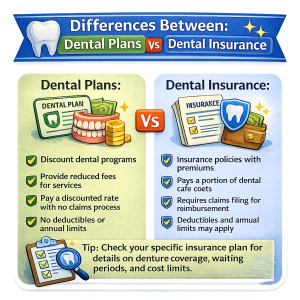
In addition to these, discount dental plans exist for those looking to minimize expenses. Unlike insurance, these are not coverage plans; rather, they offer discounts on services with participating providers.

This can be a practical solution for those needing care immediately without extensive outlays.

However, it’s essential to understand that discount plans do not provide comprehensive dental coverage and should be used as a supplemental strategy rather than a standalone solution.

Moreover, understanding Medicaid’s role is crucial for low-income adults and seniors. Medicaid can sometimes cover dental services, although this varies by state, reflecting the diverse levels of dental access and coverage.

For eligible adults, Medicaid may cover essential services, alleviating some of the financial burdens associated with dental care.

It’s important for beneficiaries to check their state’s Medicaid program specifics, as coverage can range from basic oral health care to more extensive options.

Another layer of dental benefits involves Medicare Advantage plans, which some seniors find beneficial. These plans can include additional dental services beyond what traditional Medicare offers.

Coverage can vary significantly from one plan to another, with some offering comprehensive packages that include routine dental check-ups and specialized procedures.

It’s vital to assess these plans carefully and understand any limitations or waiting periods that might apply before committing.

Comparing Dental Insurance Plans and Costs

When comparing different dental insurance plans, understanding the various cost structures and coverage options is paramount.

Adults will typically consider monthly premiums, deductibles, coverage limits, and network restrictions when deciding on a plan that suits their needs. Each of these elements plays a significant role in determining the out-of-pocket expenses incurred by the insured.

Monthly premiums are a primary concern for many, especially those on fixed incomes. Lower premiums may seem attractive, but they often correlate with higher out-of-pocket costs, such as deductibles or limited coverage on essential services.

Conversely, higher premium plans might offer more comprehensive coverage, offsetting upfront costs over time with lower service fees and a wider range of covered services.

Particular attention should be paid to the deductibles, which are the amounts one pays out-of-pocket before plan benefits kick in.

High deductibles could undercut the savings perceived in lower premium plans, making it necessary to calculate the total expected costs before deciding.

Equally, coverage limits, maximum amounts an insurer will pay annually, vary; exceeding these limits means paying for additional services entirely out-of-pocket.

Beneficiaries must ensure their dental plan can accommodate their expected level of care each year.

The network of providers is another crucial factor. Plans with a wider network may offer more significant savings and access to preferred dentists, while those with restricted networks might bind patients to fewer options, potentially impacting the quality or convenience of care.

It’s advisable to check whether preferred providers are included within a plan’s network before signing up.

Also, many plans feature waiting periods for specific services, which is the duration before one can claim certain benefits. Services like annual cleanings may be available immediately, but more extensive treatments like root canals might have specified waiting times.

Understanding these details beforehand can prevent unexpected care delays and financial strain.

Overall, finding the right dental plan involves a balance between cost considerations and coverage comprehensiveness.

Cross-referencing potential plans with your specific needs, whether routine maintenance-focused or more specialized care required, ensures the best fit.

It’s advised to engage with licensed insurance professionals who can help interpret plan features and align them with personal health care goals.

By evaluating all these aspects, seniors and their caregivers are better equipped to find a dental plan that complements Medicare, ensuring that essential oral health needs are both accessible and affordable.

Using educational resources like bestdentalinsurance.org helps simplify the decision-making process, providing unbiased information tailored to simplify understanding of the complexities involved in dental insurance.

Find & Compare Plans Online

Speak with a licensed insurance agent

1-833-667-3396TTY 711

Mon-Fri: 8am-9pm ET

The Role of Dental Discount Plans

As seniors navigate the complexities of oral health care, dental discount plans emerge as a flexible alternative to traditional insurance.

While these plans aren’t a direct replacement for dental insurance, they address unique needs by providing discounts on fundamental services.

Understanding these plans can help seniors, especially those with limited Medicare dental benefits, craft a more tailored approach to oral health care that fits their needs and budget.

By exploring their benefits and limitations, adults can better appreciate how dental discounts supplement dental coverage gaps.

How Dental Discounts Can Help Seniors

Dental discount plans offer a unique approach to managing oral health care expenses, especially for seniors who may have limited dental coverage under traditional Medicare.

Unlike traditional insurance, these plans don’t involve paying monthly premiums or dealing with annual deductibles. Instead, seniors pay a membership fee, which grants them access to a network of dentists who offer services at reduced rates.

This can be particularly beneficial for those on fixed incomes who need to manage their dental care costs efficiently.

The flexibility of dental discount plans makes them an appealing option for many.

Seniors can choose from any provider within the network without the restrictions of insurance coverage limits, annual caps, or waiting periods typically associated with traditional dental plans.

This aspect alone can significantly improve access to necessary oral health services like cleanings, check-ups, and even some restorative procedures, thus enhancing overall oral health.

For those dealing with complex dental needs that aren’t covered by Medicare, such as crowns, dentures, or implants, dental discount plans can offer substantial savings.

By reducing the cost of dental services by 10% to 60%, these plans allow seniors to maintain better financial control over their health care expenses.

Additionally, the straightforward nature of these plans often means less complicated paperwork, making it easier for seniors to manage their dental care without the administrative burdens.

Moreover, dental discount plans can serve as a valuable supplement to Medicare Advantage plans.

While some Medicare Advantage plans might cover limited dental benefits, the combination with a discount plan can provide more comprehensive access to dental care, assisting in areas where Medicare lacks coverage.

This partnership means that seniors can strategically address oral health issues without the stress of high out-of-pocket costs.

It’s essential to carefully assess the potential savings and compare providers within a network to ensure the greatest value from a dental discount plan.

By integrating dental discount plans alongside other dental benefits, seniors can develop a holistic approach to their dental health. This combined strategy ensures that critical oral health care remains accessible and affordable.

Maximizing dental care through smart financial planning not only supports oral health but also contributes to overall wellness, as good oral health is linked to better physical health outcomes.

As always, using resources like bestdentalinsurance.org can help seniors navigate these options confidently and find plans tailored to their unique circumstances.

Limitations of Dental Discount Plans

While dental discount plans offer flexibility and potential cost savings, it’s essential for seniors to recognize their limitations. Unlike traditional insurance, dental discount plans are not coverage plans.

They don’t pay for any part of the dental services provided; instead, they offer pre-negotiated discounts with participating dentists.

This means that while you’ll pay less than the standard rate for dental procedures, the out-of-pocket expenses can still be significant if extensive or frequent dental work is necessary.

Another limitation of dental discount plans is the restriction to participating provider networks. While these networks can be extensive, not every preferred dentist may be part of the plan.

Seniors must be diligent in checking the network’s list of providers to ensure their current dentist participates or be willing to switch to a network provider to enjoy the discounts.

This could potentially lead to inconvenience or dissatisfaction if changing dentists is required.

Additionally, dental discount plans may not offer the same level of savings across all services.

Common preventive services like cleaning and routine check-ups might come with notable discounts, but major procedures such as root canals or orthodontic work might offer less reduction in cost.

Consequently, seniors should evaluate the specific percentage savings on the services they anticipate needing most. This assessment helps in understanding whether a dental discount plan effectively meets its financial and dental care needs.

Furthermore, those with significant oral health care needs might find that discount plans fall short when compared to the comprehensive coverage possible with traditional dental insurance.

For example, while a discount plan can reduce costs on dentures or bridges, the out-of-pocket expenses could still exceed what insurance might cover after deductibles are met.

This warrants a thorough comparison between potential out-of-pocket expenses under a discount plan versus projected costs with a more traditional insurance setup.

Finally, while discount plans offer no waiting periods, seniors planning major dental work soon after enrollment may need to ensure the savings justify the costs without the assistance of coverage limits or caps that an insurance plan might offer.

For those considering discount plans, it’s vital to understand they function best as supplementary resources rather than primary solutions for comprehensive dental care.

Evaluating the specific needs and situations, along with consulting resources like bestdentalinsurance.org, can provide further guidance in choosing between and combining different dental care strategies, ensuring that both financial and health aspects are adequately addressed.

Combining Medicare Oral Health and Other Coverage Options

For many seniors, securing comprehensive dental care means looking beyond what traditional Medicare offers. Combining Medicare with other coverage options can bridge notable gaps in dental benefits.

By understanding the limitations of Medicare oral health coverage and exploring programs like Medicare Advantage and supplemental benefits, seniors can better access essential dental services.

This exploration includes strategies for effectively managing gap coverage and finding plans that complement Medicare to ensure that dental care needs align with financial and healthcare goals.

Effective Strategies for Gap Coverage

Effective Strategies for Gap Coverage

Medicare’s limitations in dental coverage often prompt beneficiaries to explore effective strategies for managing these gaps. One popular solution is the adoption of Medicare Advantage plans.

These plans, sometimes referred to as Medicare Part C, provide an integrated solution that combines hospital, medical, and often additional coverage like dental care.

It’s pivotal for beneficiaries to select an Advantage plan offering comprehensive dental benefits, as not all plans provide extensive oral health care.

A careful evaluation of dental benefits within Medicare Advantage plans can ensure seniors aren’t left with unforeseen out-of-pocket expenses.

Another strategy involves leveraging standalone dental insurance to complement Medicare.

By enrolling in separate policies that focus on dental services such as routine check-ups, cleanings, crowns, or dentures, seniors can achieve more thorough oral health care.

When considering standalone dental plans, it’s crucial to scrutinize elements like premiums, coverage limitations, waiting periods, and provider networks, as these factors directly influence both cost and accessibility to desired dental services.

Dental discount plans offer another avenue for managing Medicare’s dental coverage gaps. Unlike traditional insurance, these programs provide discounts on dental services, demanding careful examination of the savings offered for various procedures.

Beneficiaries should weigh the costs against expected dental needs and provider availability within networks to assess their value as part of a broader coverage strategy.

Dental discount plans serve as a bridge in cost management, particularly beneficial for seniors requiring immediate, less extensive care.

Understanding Medicaid’s role can also be pivotal for low-income seniors in need of dental coverage. Medicaid, a state-specific program, sometimes covers dental services, although its scope is not uniform across all states.

Eligibility and the extent of covered services should be assessed individually, ensuring seniors maximize available resources.

Additionally, some Medicaid programs might complement Medicare, offering vital supplemental benefits that relieve financial burdens associated with dental care. Being well-versed in state offerings provides a crucial advantage in managing healthcare resources efficiently.

Working with insurance advisors can further streamline access to coverage options, offering personalized insights into suitable plans based on individual health needs and financial circumstances.

Engaging an advisor can demystify the complex landscape of available benefits, helping seniors seamlessly integrate solutions like Medicare Advantage, standalone insurance, and discount plans.

Ultimately, a knowledgeable approach tailored to individual requirements ensures comprehensive oral health care while maintaining financial viability.

Finding Plans That Complement Medicare

Locating plans that complement Medicare requires thoughtful consideration, given the multifaceted nature of dental coverage. Medicare Advantage plans are often the favored choice for seniors seeking coverage that includes dental benefits.

However, not all Advantage plans are created equal, highlighting the importance of analyzing each plan’s dental coverage limits, included services, and any imposed restrictions.

Seniors are advised to evaluate this in conjunction with their regular dental health needs to avoid gaps in coverage or unexpected expenses.

Standalone dental insurance serves as an effective means of supplementing Medicare.

When selecting a policy, it’s beneficial to consider the types of services covered, such as preventive, basic, or major dental care, along with associated cost parameters like premiums and out-of-pocket maximums.

Including policies that accommodate services not typically covered by Medicare, such as dentures or bridges, can offer peace of mind, knowing that care is available without major financial strain.

The role of dental discount plans in complementing Medicare should not be underestimated. These plans provide another layer of financial relief by granting access to discounted dental services.

It’s essential for seniors to compare the discount rates with anticipated dental expenses, ensuring the membership fees are justified by actual savings realized through provider networks.

This supplemental method, although limited in coverage, can play a critical part in comprehensive dental cost management.

Furthermore, Medicaid can sometimes complement Medicare, notably for eligible seniors with limited incomes, though variations exist based on state policies.

Medicaid’s coverage often includes dental services absent in Medicare, thus acting as a valuable resource in comprehensive care strategies.

Assessing Medicaid eligibility and covered services is imperative for those eligible, as it opens avenues to additional care solutions without undue financial pressure.

Ultimately, finding the right plan mix to complement Medicare involves a strategy that carefully considers personal health profiles, financial constraints, and the breadth of dental services needed.

Consulting with dental insurance specialists can be an invaluable step, providing clarity in plan selection by presenting options tailored to personal circumstances and health care ambitions.

This holistic approach, paired with accessible resources like bestdentalinsurance.org, empowers seniors to feel secure and informed as they navigate the world of dental coverage and secure their health care futures.

Navigating the world of dental plans alongside Medicare can seem daunting, but here’s a list of practical tips to help simplify your decision-making.

  • Review what dental services you use most and check if they’re covered.
  • Compare different plans side-by-side to easily spot the best terms.
  • Don’t overlook the reputation of the dental providers included in the network.
  • Look out for any annual or lifetime limits that may affect coverage.
  • Consider the total cost, not just the premium, for a realistic budget view.
  • Check if your preferred dentist is part of the plan’s network.
  • Ask about any waiting periods before coverage kicks in.
  • Ensure compatibility with your existing Medicare plan for seamless coverage.

By keeping these tips in mind, you can confidently choose the dental plan that best suits your needs while complementing your Medicare coverage.

Understanding the gaps in Medicare dental coverage is key to making informed choices about your dental health. By exploring available options, you can find plans that help reduce unexpected out-of-pocket expenses and fit your needs.

Coverage and costs vary, so it’s wise to compare offerings in your area. For further guidance, enter your ZIP code on the website for personalized information.

Being informed empowers you to seek coverage that supports maintaining a healthy smile. Remember to consider plan benefits, costs, and provider networks when exploring dental insurance options.

Compare Dental Plans

Frequently Asked Questions

Does Medicare cover dental services?

Traditional Medicare (Part A and Part B) generally does not cover most dental care, procedures, or supplies like cleanings, fillings, tooth extractions, dentures, or dental devices. Rare exceptions occur when dental treatment is necessary due to a covered medical procedure during hospital admission.

What can seniors do if Medicare doesn't cover their dental needs?

Seniors can explore options like Medicare Advantage plans, standalone dental insurance, and dental discount plans to potentially cover additional dental needs not addressed by Medicare. Medicaid may also offer dental benefits, depending on state-specific programs.

What are Medicare Advantage plans with dental benefits?

Medicare Advantage (Part C) plans may include additional benefits such as dental coverage. These plans are offered by private insurers and vary in terms of the dental services they cover, the costs involved, and whether there are any restrictions.

How do standalone dental plans work alongside Medicare?

Standalone dental plans provide a range of dental care services, allowing beneficiaries to choose plans based on their specific needs. These plans often cover preventive, basic, and major dental procedures, offering a comprehensive approach when combined with Medicare.

Are dental discount plans a good option for seniors?

Dental discount plans provide reduced rates on services offered by network providers. They are not insurance but can be a cost-effective supplement for managing out-of-pocket dental expenses. The suitability of these plans depends on individual dental care needs and financial situations.

Have Questions?

Speak with a licensed insurance agent

1-833-667-3396

TTY users 711

Mon-Fri: 8am-9pm ET

Find & Compare Plans Online

Speak with a licensed insurance agent

1-833-667-3396TTY 711

Mon-Fri: 8am-9pm ET

ZRN Health & Financial Services, LLC, a Texas limited liability company