Choosing between PPO (Preferred Provider Organization) and DMO (Dental Maintenance Organization) dental plans in 2027 can be confusing for seniors seeking the right coverage. Each plan type offers different features, benefits, and considerations. PPO plans provide flexibility, allowing visits to almost any dentist, while DMO plans often have a network of providers to choose from, usually with lower premiums. Understanding these differences helps in making informed decisions about dental health, as well as vision health. This page explains how each plan works, outlining costs, coverage, and other essential factors, ensuring clear and simple guidance for selecting appropriate dental insurance and bundle options for your needs.


Dental Insurance Plans
for individuals and families
Dental Plans start as low as $12.00 per month





PPO vs DMO Dental Insurance 2027
Key Highlights
- PPO plans offer flexibility with a wide dentist network, allowing visits to both in-network and out-of-network providers.
- DMO plans prioritize affordability, with lower premiums, requiring the use of dentists within a restricted network.
- Understanding differences in costs, coverage, waiting periods, and services helps in choosing suitable dental insurance.
- PPO plans might include higher premiums and annual maximums; DMOs often lack annual maximums but limit provider choice.
- Consider your dental needs and budget to determine whether flexibility or cost containment suits you best.
Compare plans and enroll online
Understanding Dental PPO and DMO Plans
Navigating dental insurance can be a bit complex, especially when comparing different plan types like PPOs and DMOs. A PPO dental plan, standing for Preferred Provider Organization, offers a network of contracted dentists but allows for flexibility in choosing providers. On the other hand, Dental HMOs, also known as DMOs, operate under a more restricted network. When considering dental insurance, these differences can significantly impact both costs and dentist availability. In this section, we break down the key characteristics of these plans to aid you in choosing your ideal fit based on your dental needs and budget.
What is a PPO Dental Plan?
A PPO dental plan, or dental PPO, is a popular choice for those who value flexibility in their healthcare options. By being part of a preferred provider organization, these plans typically allow you the choice to visit any dentist, though staying within the network often means lower out-of-pocket costs. Contracted dentists within a PPO plan agree to provide services at set rates, which can be beneficial for budgeting purposes. While PPO plans generally have higher premiums compared to other plans, this extra cost buys you the freedom to see out-of-network dentists if that’s important to you. Additionally, PPO plans often have an annual maximum, a cap on coverage, meaning it’s essential to consider both your dental needs and frequency of visits. Another key advantage is that dental PPO plans cover a wide variety of services, from preventive care like cleanings to more extensive procedures. However, like with all dental insurance, it’s crucial to understand the limitations that come with a PPO and ensure it aligns with your overall health insurance strategy.
Explaining the Dental HMO
Dental HMOs, or DHMO plans, are structured somewhat differently. They often require you to choose a primary dental provider from a limited network, emphasizing affordability but restricting dentist choice. Most DHMOs will only cover services wholly if they are performed by dentists within the network. This can mean lower premiums and less out-of-pocket expenses compared to PPO dental plans but with less flexibility. HMO plans generally do not have an annual maximum, which can be attractive if you anticipate needing multiple dental procedures within a year. However, it’s important to note that the range of covered services might be more limited than you’d find with a PPO dental plan. For many, HMO dental plans offer a more manageable, predictable approach to coverage, making them a sensible choice for individuals who do not need extra flexibility in their dentist selection. When choosing between a PPO and a dental HMO, it’s vital to weigh the importance of cost against the need for flexibility and provider choice to ensure the plan meets your dental health and financial needs.
| Plan Type | Flexibility in Provider Choice | Cost and Premiums | Coverage and Limitations | Additional Features |
|---|---|---|---|---|
| PPO | Higher flexibility, wide provider network | Higher premiums but potential lower out-of-pocket costs when in-network | Covers a percentage of services; may have annual maximums | No referral needed for specialists |
| DMO (HMO) | Limited to network providers | Lower premiums, fixed copayments | Requires primary dentist selection; needs referrals for specialists | Often no deductibles |
This table highlights the primary differences between PPO and DMO dental plans, providing a clear comparison to help in determining the most suitable option for your dental needs and budget.
Find & Compare Plans Online
Coverage and Cost Differences
Understanding the differences in coverage and cost between PPO and DMO dental insurance plans can help you make informed decisions about your dental care. PPO plans often allow greater freedom in choosing health providers, balancing flexibility with costs, whereas DMO plans prioritize affordability but limit provider options. Each plan type has unique financial structures like annual maximums and provider contracts that impact your overall cost. By examining how these plans manage both expenses and dental service availability, you can choose a plan that fits your budget and healthcare needs best.
How PPO Dental Plans Handle Costs
PPO dental plans, short for Preferred Provider Organization plans, typically allow you to visit a broad network of dentists. These plans often have higher premiums compared to other types of dental insurance, but they also come with flexibility. You can visit out-of-network providers, though costs are lower when using contracted, in-network dentists. With a PPO plan, it’s crucial to note the annual maximum, a limit on coverage that caps the total amount the insurance will pay in a year. This means out-of-pocket contribution is required once this threshold is reached. Moreover, PPO plans usually have a cost-sharing structure for dental services, meaning patients might split costs with insurance for procedures like fillings or crowns. Contracted dentists in a PPO agree to offer services at set rates, making budgeting predictable for healthcare expenses. This financial predictability combined with patient choice is why many find PPO dental plans appealing, despite the potential for higher costs.
Dental HMO Cost Structures
Dental HMO (Health Maintenance Organization) plans, or DHMOs, offer a different approach to managing dental costs. As a part of an HMO structure, you typically select a primary dental care provider from a limited network. Services within this network might be covered fully or at a reduced cost, encouraging use of in-network dentists to keep expenses low. DHMO plans usually emphasize affordability with lower premiums and minimal out-of-pocket costs. However, they may not provide the same level of coverage diversity found in PPO plans. Unlike PPOs, many DHMO plans do not have an annual maximum. This can be advantageous if you require multiple dental services in a year, as coverage isn’t capped by a yearly limit. The trade-off for lower costs can come with less flexibility in choosing providers and potentially fewer covered procedures. For many, the consistent and predictable nature of HMO dental plans is a significant draw, particularly for those who prioritize cost containment over unrestricted provider access.
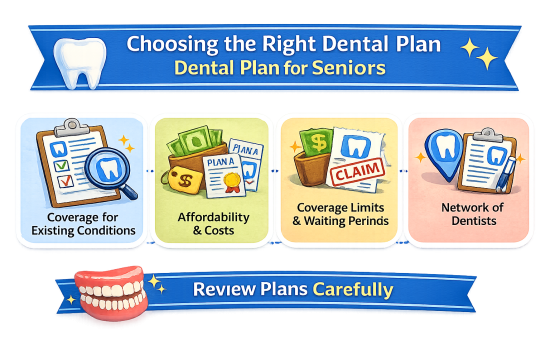
Choosing the Right Dentist for Your Plan
Selecting the right dentist is crucial to the benefits you receive from your dental insurance plan. With PPO and DMO dental insurance plans offering distinct networks and requirements, understanding your options can ease your decision. If you’re leaning toward a PPO plan, you’ll find flexibility in selecting dentists within or outside your preferred network, which might translate to varying costs. In contrast, a DMO dental plan typically restricts your choices but focuses on affordability within a limited network of contracted dentists. Let’s explore how these differences impact your care and your wallet.
The Role of Dentists in PPO and DMO Plans
Dentists play a significant role in both PPO and DMO dental plans, each catering to different patient preferences and needs. With a PPO dental plan, patients enjoy the freedom to choose from a wide array of dentists and flexibility in using services from non-network providers. However, visiting contracted dentists within the network is generally more cost-effective due to predetermined service rates. This flexibility makes PPO plans appealing to those who want a broader choice of healthcare providers and are willing to pay slightly higher premiums for that privilege.
On the other hand, DMO dental plans operate under a more standardized approach with a narrowed focus on cost control. In these plans, your choice is largely limited to dentists within the specific network, streamlining the availability and potentially reducing costs with lower premiums. These contracted dentists work under a system that prioritizes affordability and accountability, often eliminating any annual maximums that might limit coverage in a PPO plan. While the network may be narrower, the financial predictability and reliability of service often make DMO plans a suitable choice for those who value budget-friendly healthcare without the necessity of frequent out-of-network services.
To provide further insight into how PPO and DMO plans differ in their approach and patient offerings, consider the following key points:
- Compare dentist networks available in PPO versus DMO plans.
- Analyze flexibility of choices between PPO and DMO plan members.
- Examine service rate structures for in-network dentists in both plans.
- Consider the typical premium costs associated with each plan type.
- Evaluate limitations and benefits of out-of-network services in PPO plans.
- Discuss financial predictability offered by DMO plans.
- Explore the potential elimination of annual maximums in DMO coverage.
- Describe general patient experience and satisfaction with PPO and DMO plans.
In conclusion, understanding these distinctions can help individuals make informed decisions about their dental care options.
Benefits and Limitations of Each Plan Type
When examining dental insurance options, understanding the benefits and limitations of PPO and DMO plans can guide you toward the best fit for your dental needs. A PPO dental insurance plan offers significant advantages like flexibility and a wide choice of providers. This plan is ideal for people who don’t mind paying higher premiums but appreciate the freedom to select both in-network and out-of-network dentists. However, these plans come with an annual maximum limit, meaning you might face additional out-of-pocket costs once that cap is reached.
On the flip side, a DMO, or Dental HMO plan, shines in terms of affordability and straightforward cost management. With generally lower premiums, these insurance plans cater to those who prioritize immediate cost savings and can manage their dental care with a smaller selection of network dentists. While this limits provider choice, DMOs often lack an annual maximum cap, which can be a significant benefit if you anticipate high dental service usage. Balancing these benefits, along with the limitations, can clarify which plan supports your dental health and financial situation best.

Waiting Periods and Services Covered
Understanding waiting periods and the services covered by dental insurance can be significant when choosing between PPO plans and DHMO plans. Typically, PPO plans, known for flexibility, may have waiting periods for specific procedures. For instance, major services like crowns or dentures might require you to wait several months after your plan starts. This can affect how soon you can get comprehensive treatment, but it often doesn’t apply to preventive care such as cleanings, which are usually covered immediately.
Meanwhile, DHMO plans, known as dental HMO, generally don’t have waiting periods, focusing on affordability and accessible coverage. Services within their network are often covered right away, but it’s important to note the range might be less extensive compared to PPOs. While DHMO plans restrict you to network services, this structure simplifies understanding what’s covered and ensures lower costs. As you consider your options, balance the advantages, no waiting periods for DHMOs and the extensive network services offered by PPOs, to determine which plan aligns with your dental health needs and budget.
Choosing the Best Fit for Your Needs
When it comes to choosing between a PPO plan and DHMO, understanding your priorities is key. If flexibility in choosing a dentist is important, a PPO plan might be ideal. These plans offer a vast network and the ability to choose out-of-network providers, though costs can be higher. On the flip side, a DHMO often wins on affordability. With typically lower premiums, DHMOs require you to choose a dentist within a more limited network, which may suit those prioritizing cost savings over a broader provider selection.
Insurance companies like Cigna offer both PPO and DHMO options, allowing you to tailor insurance to match your needs. Consider factors like cost, dentist choice, and waiting periods. While PPO plans often involve waiting periods for specific procedures, DHMOs provide immediate access to services within their network. Assess what matters more, whether it’s immediate cost savings or flexible provider access, to make an informed choice that aligns with your dental health and financial goals.
Conclusion: Exploring Your Dental Insurance Options
Choosing the right dental insurance isn’t just about understanding the differences between PPOs and DMOs. You also need to consider how these types impact your overall costs and health insurance strategy. Each dental insurance type offers unique benefits: PPO plans provide flexibility with a broad choice of dentists, whereas DMOs focus on affordability and simplified cost structures. Patients need to weigh these options carefully, considering what kind of dental care they expect to need and how much they’re prepared to pay. For instance, while PPOs might have higher premiums and an annual maximum, they also offer the flexibility to see out-of-network providers. On the other hand, DMOs eliminate the annual maximum and offer lower premiums but restrict your choice of providers. By evaluating your dental needs and financial situation, informed patients can determine which insurance approach meets their healthcare objectives best. Enter your ZIP code on our site to discover dental insurance options that suit your location and circumstances.
Understanding the differences between PPO and DMO dental plans can help you make informed decisions about your dental care. PPO plans offer flexibility in choosing providers, while DMO plans typically have lower out-of-pocket costs. Each type has its benefits and limitations, so consider your personal needs and budget. Exploring various plans in your area can provide a clearer picture of what might suit you best. Remember, dental coverage can vary significantly by location and provider. Enter your ZIP code on our website to explore options and find a plan that meets your needs.
Compare plans and enroll online
Frequently Asked Questions
What is the main difference between PPO and DMO dental plans?
PPO (Preferred Provider Organization) plans offer more flexibility, allowing visits to both in-network and out-of-network dentists, whereas DMO (Dental Maintenance Organization) plans typically require you to see dentists within a specified network, usually with lower premiums.
How do costs vary between PPO and DMO plans?
PPO plans generally come with higher premiums but offer more dentist choice. DMO plans usually have lower premiums, as they limit care to a network of providers, which can result in lower out-of-pocket expenses.
Are there annual maximums in PPO and DMO plans?
PPO plans often have an annual maximum, which is a cap on the total coverage amount per year. Conversely, DMO plans typically do not have an annual maximum, which may benefit those needing multiple dental procedures annually.
What roles do waiting periods play in PPO and DMO plans?
PPO plans might have waiting periods for certain services, meaning you need to wait a specified time before coverage begins for certain procedures. DMO plans usually do not have waiting periods, so services might be accessible sooner.
How do I choose between a PPO and a DMO plan based on my needs?
Consider both your dental needs and budget. If seeing a broad range of dentists is essential, a PPO might be suitable, keeping in mind the potential for higher costs. If affordability is more important and you are comfortable with a limited network, a DMO might better fit your needs. Assess your preferences for flexibility versus cost when deciding.
Find & Compare Plans Online
ZRN Health & Financial Services, LLC, a Texas limited liability company

Russell Noga is the CEO of ZRN Health & Financial Services and the head content editor of several Medicare insurance online publications. He has over 18 years of experience as a licensed Medicare insurance broker helping Medicare beneficiaries learn about Medicare, Medicare Advantage Plans, Medigap insurance, and Medicare Part D prescription drug plans.