Pre-Existing Conditions and Dental Insurance

Exploring dental insurance when you have a pre-existing condition can be confusing. Understanding how these conditions are handled by various plans is essential.

This guide will help you navigate the basics, revealing what’s typically covered, uncovering limitations you may need to know, and offering tips to find plans that fit your needs.

We break it down simply, making sure you’re informed about key insights concerning pre-existing conditions in dental insurance. Learn how different insurance providers might handle these situations differently and what questions to ask for a clearer picture.

Key Highlights

  • Pre-existing conditions impact dental plan coverage, potentially increasing out-of-pocket costs and necessitating specific plan comparisons.
  • Insurance providers may impose waiting periods or exclude services related to pre-existing conditions, affecting financial planning.
  • Key factors in choosing insurance include network size, service coverage, and waiting periods for pre-existing conditions.
  • Dental insurance costs for seniors with pre-existing conditions can be higher, but exploring savings plans might offer relief.
  • Local regulations affect dental plan coverage, making it crucial to explore options specific to your area and provider network.

Compare Dental plans

Understanding Pre-Existing Conditions in Dental Insurance

Navigating dental insurance can be tricky, especially when pre-existing conditions are in play. Understanding how these existing conditions impact coverage options is crucial for making informed decisions.

This section will cover what pre-existing conditions are and how they affect your choice of dental plans.

We’ll explore the potential limitations imposed by insurance providers, helping you understand the nuances of health history and its implications on your dental coverage.

Let’s demystify these concepts so you can confidently approach your dental insurance needs, especially if you’re dealing with ongoing health or dental issues.

Defining Pre-Existing Conditions and Their Impact

Pre-existing conditions in the realm of dental insurance refer to any dental or oral health issues that you had before enrolling in a new insurance plan. These might include a history of gum disease, previous extractions, or any ongoing dental care treatments.

Insurance providers often scrutinize your health history to determine the range and type of coverage they can offer. Many plans have specific limitations on covering treatments related to these known conditions.

It’s essential to comprehend that dental care needed for these issues might not be fully covered, which can affect your financial planning and decisions regarding which dental insurance plan to choose.

The impact of pre-existing conditions is significant because they often contribute to higher out-of-pocket costs. Insurance carriers might decide to either exclude coverage entirely for these issues or impose waiting periods before providing financial assistance.

As a result, you might need to explore different plans and compare what they offer regarding pre-existing conditions. When you have a clear understanding of these terms and conditions, it becomes easier to plan effectively for required dental visits and procedures.

It’s worth noting that some dental insurance plans are more lenient towards pre-existing health conditions. However, these might come with higher premiums or have other coverage limitations.

Seniors, in particular, should be vigilant in reviewing what each plan covers, especially since they may have accumulated more significant health issues over time.

Knowing what’s defined as a pre-existing condition and how it influences your dental care coverage is a crucial step in selecting the most suitable insurance plan.

How Pre-Existing Conditions Affect Coverage Choices

When you’re choosing a dental insurance plan, understanding how pre-existing conditions affect coverage is key. Many dental insurance providers take a close look at your past health and dental history.

This means they assess existing conditions before deciding on the extent of coverage you can receive under their plan.

Insurance companies do this to manage their risk and costs, which can sometimes limit the coverage available for certain dental services or treatments related to pre-existing issues.

It’s important for potential policyholders to be aware of these limitations so they don’t face unexpected costs down the line.

Coverage for individuals with pre-existing conditions can vary significantly from one insurance plan to another. Some plans might offer partial coverage after a waiting period, while others might exclude coverage for these conditions entirely.

It is essential to compare different dental plans to find one that aligns with your needs, given your health history.

Understanding these nuances can help you avoid surprises when attempting to claim coverage for dental procedures meant to address your existing dental issues.

Moreover, being proactive about discussing your pre-existing conditions with potential insurers can often lead to better outcomes. By being upfront, you can receive guidance on what coverage options might best address your situation.

Seniors, who are more likely to have chronic dental issues, should particularly pay attention to how plans cover ongoing treatments or interventions tied to pre-existing conditions.

Ultimately, this insight empowers you to make informed decisions about your dental insurance, ensuring that the care you anticipate needing won’t lead to unexpected financial burdens.

Finding the Right Dental Insurance Plan

Exploring Dental Insurance Options

Choosing the right dental insurance involves understanding which features are most beneficial for your needs, especially when dealing with pre-existing conditions.

Navigating the world of dental plans can seem overwhelming, but knowing what to look for can make all the difference.

We’ll discuss the key features that can significantly impact your experience with dental care, ranging from plan networks to coverage specifics. This information can be crucial in making a confident choice that aligns with your health needs and financial considerations.

Key Features to Look for in Dental Insurance Plans

When evaluating dental insurance, there are several critical aspects to consider to ensure the plan meets your needs. Firstly, it’s vital to understand the network of dentists and services associated with the plan.

A plan with an extensive network allows greater flexibility in choosing a dentist, ensuring you can access preferred caregivers without incurring additional costs.

Make sure to investigate if your current dentist is within the network or if the network has reputable alternatives that suit your needs. Next, consider the coverage specifics for dental procedures and services.

Some plans may provide robust coverage for preventive services like cleanings and exams, but it’s wise to scrutinize coverage regarding more complex procedures such as crowns, fillings, or tooth extractions.

This aspect is even more critical for those with pre-existing conditions, as certain treatments may not be fully covered due to plan limitations. Look for dental plans that offer a balance between preventive and restorative care.

Another important element involves understanding any waiting periods and limitations associated with the insurance. Some dental insurance plans have waiting periods before specific services are covered, particularly those linked to pre-existing conditions.

Being aware of these details can help you avoid unexpected costs and ensure you have the needed coverage when dental care is required.

Finally, consider exploring options like dental savings plans, which might offer immediate discounts on services, though they differ fundamentally from traditional insurance.

Keeping these features in mind while comparing dental insurance plans will help you choose one that fits your health history and financial situation.

By considering the network, service coverage, and plan limitations carefully, you can secure dental insurance that supports your oral health needs efficiently.

Considerations for Dental Insurance Features

  • Review the deductible to understand its impact on your annual dental expenses.
  • Check for any annual maximums that might limit your benefits for extensive dental work.
  • Investigate the reimbursement process to ensure smooth claims handling.
  • Evaluate coverage for orthodontic treatments, especially if you or your family might need braces.
  • Look into whether the plan covers specialty dental care like periodontics or prosthodontics.
  • Consider plans offering tele-dentistry services for basic consultations.
  • Verify if emergency dental services are covered when traveling out of state.

By considering these additional factors, you can more effectively choose a plan that aligns with your dental health priorities.

Impact of Pre-Existing Conditions on Insurance Costs

Pre-existing conditions can significantly influence the cost of dental insurance for seniors. Insurance providers often factor in health history when calculating premiums, which can affect the affordability of coverage.

Understanding how existing dental health conditions contribute to potential cost increases is essential for choosing the right plan.

This section will explore what seniors should consider regarding the cost implications of these conditions and how it affects overall insurance expenses, coverage, and potential savings.

Being well-informed helps seniors plan and choose insurance options that align with their financial and dental care needs.

Cost and Pricing Expectations

Cost Considerations for Seniors with Pre-Existing Conditions

For seniors, understanding how pre-existing conditions affect dental insurance costs is crucial to managing both health and finances effectively.

When analyzing the cost dynamics, insurance companies assess your health and existing conditions, like gum disease or prior dental treatments, to determine premium rates.

This evaluation is crucial as it can lead to higher insurance costs if conditions are deemed high-risk or require more comprehensive care.

Often, the presence of pre-existing conditions results in higher out-of-pocket costs, which can strain the budget of seniors on fixed incomes.

It’s important for seniors to take note of the potential savings through different insurance plans.

Plans may vary significantly in how they handle coverage for these conditions. Some may impose higher premiums but offer more extensive coverage, while others might offer lower costs but have significant coverage restrictions.

Additionally, seniors could explore discount dental savings plans as an alternative. These plans generally don’t base costs on pre-existing conditions, potentially offering immediate savings on dental services.

Such flexibility can be beneficial, especially for services that conventional insurance might not cover comprehensively.

Being proactive and discussing pre-existing conditions with potential insurers can also shed light on the most cost-effective plan options.

Transparency in health history can guide insurers to offer more tailored advice, potentially identifying plans with reduced waiting periods or better coverage terms.

Furthermore, by comparing multiple plans, seniors can find a balance between costs and comprehensive coverage.

As pre-existing conditions play a substantial role in insurance planning, staying informed and prepared is key to minimizing expenses and ensuring access to needed dental care services.

Coverage Challenges and Overcoming Them

Understanding dental insurance can be daunting, particularly when addressing pre-existing conditions. It’s essential to know how these conditions pose challenges to coverage and ways to navigate them effectively.

This section will explore strategies to improve coverage for pre-existing dental issues, addressing common concerns such as plan limitations and potential savings.

By examining these strategies, seniors and caregivers can make informed choices, ensuring that dental care needs are met without unnecessary financial strain.

Strategies to Improve Coverage for Pre-Existing Dental Issues

When dealing with pre-existing dental issues, improving insurance coverage may seem challenging, but it’s quite manageable with a few strategic steps. A critical first step is identifying insurance plans that offer more lenient coverage for pre-existing conditions.

Some plans may not impose strict limitations or waiting periods, providing immediate access to necessary dental care.

Engaging directly with insurance providers for a detailed understanding of what a plan offers in relation to your specific health history is invaluable.

A strategy worth considering involves opting for plans with extensive provider networks. This can maximize your access to preferred dental services without additional costs, enhancing both savings and coverage quality.

Networks that include a wide range of services and care providers could mean more personalized, uninterrupted dental care.

Carefully compare the provider networks of different plans to ensure accessibility to the required dental procedures for treating pre-existing conditions.

Another tactic is exploring dental savings plans as a complementary or alternative option. Unlike traditional insurance, these plans offer discounts on services immediately, without the concerns of coverage limitations based on existing conditions.

While these are not insurance plans per se, their ability to provide affordable access to dental procedures and care services makes them a viable option for managing costs associated with pre-existing dental issues.

Finally, fostering transparent communication with your insurer about existing conditions can lead to tailored advice and solutions. This transparency helps insurers guide you towards plans that effectively balance coverage needs and financial considerations.

By using these strategies, you can improve your dental insurance coverage, ensuring peace of mind and optimum dental health management. Enter your ZIP code on our website to discover personalized options that reflect your location’s specific offerings.

Local Variations in Dental Insurance

Understanding the local variations in dental insurance is crucial for making informed decisions about your dental care.

Different locations and dental plan providers, like Delta Dental, may offer varying networks and coverage options, which can significantly impact your dental care experience.

This means your dental insurance plan in one area could differ from a neighboring region due to local regulations and provider agreements.

Let’s delve into how these factors play out and what you should consider when evaluating your options based on location and available providers.

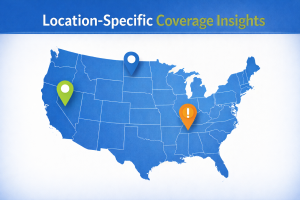
Location Specific Coverage Insights

How Delta Dental and Other Providers Differ by Location

When considering dental insurance, especially if you’re evaluating a provider like Delta Dental, it’s important to note that variations in network coverage and services can occur depending on where you live.

Dental insurance networks tend to differ by location due to local agreements and regulations, which means a plan available in one state might offer different benefits or services compared to the same plan in another.

This can significantly influence your choices, as some areas might have a broader network of dentists or include specific dental services that are not available elsewhere.

Delta Dental, known for its extensive provider network, illustrates these local variations quite well. Depending on your location, the in-network dentists included under a Delta Dental plan could vary, impacting your choice of dental care providers.

This often means different cost implications and coverage possibilities based on whether your preferred dentist is within the network.

Other providers may show similar variability, so it’s beneficial to research thoroughly how these fluctuations might affect your dental coverage, especially if you have specific needs due to pre-existing conditions.

Moreover, these location-based differences can extend to the specific treatments covered under your dental plan.

Some regions may offer more comprehensive coverage for preventive services but might limit coverage on more involved procedures, which could make a significant difference if managing conditions like a history of periodontal disease or ongoing dental treatment needs.

Understanding these variations is essential for ensuring your insurance aligns well with your healthcare needs and financial capabilities, allowing you to maximize your benefits while minimizing out-of-pocket expenses.

In conclusion, exploring how dental insurance plans like those from Delta Dental and others differ by location helps you make more informed choices about coverage.

Diving into these nuances means you can better plan for your dental care and avoid unexpected expenses, ensuring seamless access to the services you need.

To discover how these variations affect your specific situation, enter your ZIP code on our website for tailored dental insurance options that match your local offerings.

Understanding pre-existing conditions and how they relate to dental insurance can be challenging, but with the right insights, you can make informed decisions.

Different plans treat these conditions in various ways, so it’s essential to explore your options based on location and provider. Consider each plan’s specifics, including coverage limits and waiting periods, to find one that aligns with your needs.

Remember, dental plan terms can vary, so take time to explore and understand your choices. Enter your ZIP code on our website to see local dental insurance options that match your requirements.

Compare Dental plans

Frequently Asked Questions

What are Pre-Existing Conditions in Dental Insurance?

Pre-existing conditions refer to dental or oral health issues you had before enrolling in a new insurance plan. These can include a history of gum disease, previous extractions, or ongoing dental treatments.

How do Pre-Existing Conditions affect Dental Insurance Costs for Seniors?

Pre-existing conditions can lead to higher insurance costs because providers may view these as higher risk, requiring more comprehensive care. This evaluation can result in increased premiums or out-of-pocket expenses.

Are there Waiting Periods for covering Pre-Existing Conditions under Dental Insurance?

Yes, many insurance providers may impose waiting periods before covering treatments related to pre-existing conditions. This means coverage for these issues might not be immediate.

How can Seniors find Dental Plans that cover Pre-Existing Conditions effectively?

Seniors should compare different plans, focusing on network size, service coverage, and any waiting periods related to pre-existing conditions. Additionally, discussing individual conditions with insurers can reveal plans with better terms.

Do Dental Insurance plans vary based on location?

Yes, local regulations and provider networks can cause variations in dental plan coverage and costs. It is important to explore options specific to your area to ensure comprehensive coverage that aligns with your needs.

Have Questions?

Speak with a licensed insurance agent

1-833-667-3396

TTY users 711

Mon-Fri: 8am-9pm ET

Find & Compare Plans Online

Speak with a licensed insurance agent

1-833-667-3396TTY 711

Mon-Fri: 8am-9pm ET

ZRN Health & Financial Services, LLC, a Texas limited liability company