Understanding the nuances of supplemental vision and dental insurance plans is crucial for filling the gaps in your healthcare coverage. These plans are designed to complement your Medicare benefits by providing additional support for routine dental visits, vision check-ups, and hearing aid costs. As you explore coverage options, it’s important to consider how these plans can address your individual needs and budgetary concerns. We offer insights into the available options to enable you to make informed decisions about ensuring your comprehensive health and wellness.


Dental Insurance Plans
for individuals and families
Dental Plans start as low as $12.00 per month





Supplemental Vision and Dental Insurance Plans
Key Highlights
- MedicarePartCPlans.org helps compare Medicare Advantage plans, simplifying the decision process with a plan finder tool.
- Medicare Advantage plans often include vision, hearing, and dental benefits beyond Original Medicare.
- Supplemental insurance covers gaps in Medicare, offering broader dental and vision benefits.
- Enrollment periods for insurance plans vary; knowing when to enroll maximizes benefits.
- Comparing provider networks and costs is crucial for selecting optimal dental and vision coverage.
Compare plans and enroll online
Understanding Medicare Advantage (Part C) Plans
Medicare Advantage, also known as Part C, combines Medicare Part A (hospital insurance) and Part B (medical insurance) into a single plan offered by private insurance companies. These plans provide an alternative to Original Medicare and often include additional benefits like vision, hearing, and supplemental dental. Understanding how these plans work, what they cover, and how to select the right one can be crucial for those eligible for Medicare. As you explore options, our free Medicare plans finder tool can help you compare offerings based on location and personal healthcare needs.
What Are Medicare Advantage Plans?
Medicare Advantage Plans, often referred to as Part C, are a type of health insurance plan provided by private insurance companies approved by Medicare. These plans offer an alternative way to receive your Medicare Part A and Part B benefits, often with added benefits that Original Medicare doesn’t cover, such as routine vision, hearing, and supplemental dental insurance. A Medicare Advantage plan may also offer additional coverage for prescription drugs, making it a comprehensive option for many beneficiaries. It’s important to note that each plan has different coverage details, premiums, and out-of-pocket costs, depending on the region and insurance company. Therefore, it’s crucial to review plan details and compare options carefully.
Usually, Medicare Advantage plans come in several types, including Health Maintenance Organizations (HMOs), Preferred Provider Organizations (PPOs), Private Fee-for-Service (PFFS), and Special Needs Plans (SNPs). Each type has its network of doctors and hospitals, with varying rules for how you receive services. For instance, HMOs often require you to select a primary care physician and need referrals for specialists, whereas PPOs offer greater flexibility in choosing healthcare providers. By weighing these differences, you can find the plan that aligns best with your healthcare needs and lifestyle.
The appeal of Medicare Advantage plans lies in their diverse offerings and potential for additional benefits. Understanding your medical and financial needs is essential for selecting the best plan. As these plans are subject to annual changes, staying informed about the latest updates is vital for optimizing your health coverage. Given that insurance plans and coverage options can vary greatly by location, using tools like MedicarePartCPlans.org can simplify the process, making it easier to compare multiple plans and choose the most suitable one.
Based on the information about Medicare Advantage Plans, considering their diverse options and potential additional benefits, here’s a list to help you evaluate your choices effectively:
- Evaluate the network of doctors and hospitals in each plan.
- Consider additional benefits like vision, hearing, and dental coverage.
- Compare prescription drug coverage offered by various plans.
- Check if you need referrals for specialist visits.
- Assess out-of-pocket costs and premium differences.
- Look into the flexibility of choosing healthcare providers.
- Stay updated on annual changes to plan offerings.
Utilizing these points will assist in making informed decisions about your Medicare Advantage Plan options.
How MedicarePartCPlans.org Can Help You Compare Options
Choosing the right Medicare Advantage plan involves navigating through a myriad of options, each with unique benefits, costs, and coverage details. This selection process can be overwhelming, especially for those new to Medicare or needing additional coverage for vision, hearing, or dental. Fortunately, MedicarePartCPlans.org provides a comprehensive and independent resource to assist beneficiaries in making informed decisions. By utilizing this platform, you can easily compare insurance plans from various insurance companies, allowing a clearer understanding of what each plan offers.
The site features an intuitive Medicare plans finder tool designed to simplify your search. This tool enables users to compare plans based on location and specific coverage needs, ensuring that the options presented are relevant and tailored to individual circumstances. Whether you’re looking for additional dental coverage or need plans with extensive hearing benefits, our platform allows you to filter plans to match these preferences effectively. The abundance of insurance options can be daunting, but the structured guidance provided by MedicarePartCPlans.org can illuminate your best choices based on your healthcare requirements and financial situation.
It’s also crucial to bear in mind the importance of understanding enrollment periods when selecting a plan. Medicare Advantage plans have specific windows of eligibility, such as the initial enrollment period, the annual election period, or a special enrollment period triggered by lifestyle changes. Our platform offers detailed insights into these periods, helping you synchronize your plan choices with the Medicare timeline. By leveraging the educational resources at MedicarePartCPlans.org, you ensure that your healthcare coverage aligns seamlessly with your evolving medical needs and life changes. Empower yourself with the knowledge and tools necessary to navigate the complexities of Medicare Advantage, enabling you to make confident, well-informed decisions about your healthcare future.
Exploring Vision Benefits in Medicare Advantage
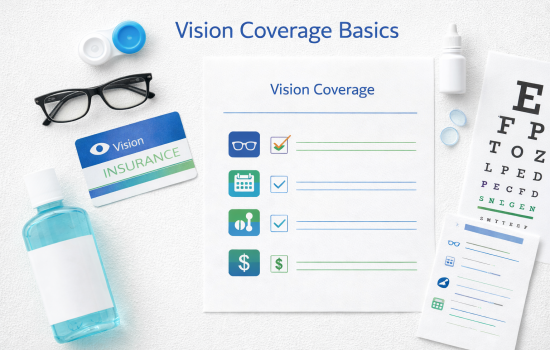
As you explore Medicare Advantage plans, understanding their vision benefits is essential. Many of these plans include vision insurance as a pivotal component, addressing needs often overlooked by Original Medicare. With these advantages, beneficiaries can access routine eye exams, eyewear allowances, and sometimes even expanded coverage for treatments. This guide will delve into what vision insurance is typically included and how to compare different vision plans, all to ensure you’re making the most informed decision possible for your healthcare needs.
What Vision Insurance is Included?
When examining vision insurance included in Medicare Advantage plans, it’s crucial to note that coverage can vary significantly depending on the plan and provider. Typically, vision insurance under these plans offers more than what Original Medicare provides. Standard benefits often include routine eye exams, a vital preventive service that can help catch vision issues early on. Moreover, many plans offer allowances or discounts for prescription eyeglasses or contact lenses, making it easier for beneficiaries to afford necessary corrective lenses.
In addition to routine care, some Medicare Advantage plans may cover specialized eye treatments and surgeries, like cataract removal, which isn’t fully covered by Original Medicare. This additional coverage can be invaluable, especially for seniors prone to eye conditions that require surgery. By providing a more comprehensive range of services, these plans help ensure that vision care remains affordable and accessible. Understanding the nuances of what each plan offers is essential, as this can directly impact your out-of-pocket costs as well as your ability to maintain optimal eye health.
Another key aspect to consider is the network of vision care providers accessible through your plan. Some Medicare Advantage plans might restrict you to a network of specified vision healthcare providers, which means it’s essential to verify whether your preferred ophthalmologist or optometrist is covered. This is particularly important if you already have established relationships with specific healthcare professionals or facilities. Exploring these network details can help ensure you avoid unexpected charges, maintain continuity in your care, and make a more informed decision about which plan can best support your vision healthcare needs.
Comparing Vision Insurance Plans
Comparing vision insurance plans under Medicare Advantage can seem daunting, but it’s critical for ensuring you get the best coverage for your needs. Start by reviewing the list of available plans in your area, as coverage details, costs, and provider networks can vary widely between regions and insurers. Evaluate the specifics such as the types of eyewear covered, allowances for contacts or frames, and any additional perks like discounts on eye surgery or advanced lenses.
It’s also beneficial to consider the costs associated with each plan. While some may have low premiums, they might involve higher copayments or coinsurance costs for vision services. Therefore, balancing these out-of-pocket expenses with the overall premium is important to making an informed choice that aligns with your financial situation. Additionally, pay close attention to any annual caps on benefits, as these might limit how much coverage you can use within a year, potentially resulting in higher personal expenses if your needs exceed the plan’s limits.
Furthermore, investigate the reputation of the insurance providers and the quality of their network. Researching customer reviews or ratings can give you insight into the provider’s service and claim processing efficiency. A plan with robust vision benefits but a poor track record in customer service might not serve your best interests. Utilize tools like MedicarePartCPlans.org, which can offer guidance and comparisons tailored to your specific location and needs. By thoroughly comparing these variants within Medicare Advantage offerings, you can select a vision plan that not only meets your immediate healthcare requirements but also gives you peace of mind through reliable support and transparent terms.
| Aspect | Description | Coverage | Additional Benefits | Provider Network |
|---|---|---|---|---|
| Eligibility | Available for specific Medicare recipients | Glasses, contacts, exams | Discounts on eyewear | Varied by plan |
| Enrollment | Ensure annual plan selection | Routine and advanced exams | Vision correction surgeries | Includes multiple healthcare providers |
| Costs | Monthly premiums and co-pays | Part of overall Medicare Advantage | Specialty care access | Check specific plan network |
| Plan Variation | Different benefits per plan type | Coverage limits apply | Hearing and dental options often included | May require referral |
This table encapsulates the diverse aspects of vision benefits in Medicare Advantage plans, aiding your understanding for a more informed healthcare choice.
Find & Compare Plans Online
Enhancing Your Coverage with Dental and Vision Options
Exploring supplemental dental and vision coverage enhances the overall benefits of a Medicare plan, providing access to vital healthcare services that traditional Medicare and some Advantage plans might overlook. Dental insurance and vision benefits are essential for maintaining oral and eye health, especially as healthcare needs evolve with age. Supplemental insurance can bridge the gaps left by standard coverage, offering benefits like routine dental services, discounts on eyewear, and more. Understanding the diverse options available, including plans tailored for individual needs and those suitable for families, is critical for creating a comprehensive healthcare plan that meets diverse needs.
Why Consider Supplemental Dental Vision Coverage?
Supplemental dental vision coverage is an important consideration for many Medicare beneficiaries. While Medicare Advantage plans often offer additional coverage, they sometimes fall short of fully incorporating necessary dental and vision benefits which can lead to substantial out-of-pocket expenses. For example, basic dental services like cleanings, fillings, and routine exams aren’t typically covered under Original Medicare, leaving beneficiaries to seek standalone dental insurance or supplemental plans for comprehensive care. Vision insurance under Medicare Advantage plans can also be limited. This is where supplemental insurance steps in, covering a wider array of dental services and vision benefits to address gaps in existing plans.
Dental insurance through supplemental coverage often includes services like preventive care, such as cleanings and exams, and extends to more extensive procedures, like crowns, bridges, and dentures. By investing in supplemental dental insurance, individuals protect themselves from hefty out-of-pocket costs for these essential services. For vision, these supplemental plans can cover eye exams, frames, lenses, and even corrective surgery, which are crucial for sustaining eye health over time. Supplemental dental and vision insurance options are particularly beneficial for individuals with ongoing health concerns, such as chronic dental issues or progressive vision loss, that require consistent and regular treatment.
Moreover, supplemental dental and vision insurance provides individuals with the flexibility to tailor coverage based on their individual or family needs. This personalization can include varying levels of coverage and the ability to visit preferred providers without network restrictions. With such benefits, the value of these policies extends beyond financial savings, offering peace of mind and security from unexpected health expenses. For many, the decision to pursue supplemental insurance isn’t just about covering what’s not included; it translates into broader health management and well-being. Utilizing tools like MedicarePartCPlans.org can simplify the process, providing clear comparisons of options that fit specific health and budgetary needs.
Options for Individuals and Families
Supplemental insurance plans offer diverse options for both individuals and families, providing flexibility to meet different healthcare needs. For individuals, these plans can be tailored to emphasize specific needs, such as dental or vision coverage, offering the ability to choose insurance plans that focus only on the services they require. For instance, someone might need in-depth dental insurance without extensive vision benefits. In contrast, families often benefit from comprehensive plans that address a broader range of services, ensuring that everyone’s needs, from routine checkups to emergency services, are covered under a single policy.
Insurance companies frequently design these plans with bundled dvh benefits, covering dental, vision, and hearing, providing a more cohesive package that affords substantial savings compared to purchasing each insurance type separately. These plans often include preventive care, like semi-annual dental cleanings, annual vision exams, and hearing assessments, which can help in early detection and management of health issues. Regular assessments through supplemental coverage contribute to preventative health and can mitigate more severe health problems down the line.
For families, supplemental dental vision options can also offer advantages like budget-friendly group rates, making comprehensive coverage more affordable. It’s critical, however, for individuals and families to assess the range of available plans carefully, considering both the coverage scope and the costs involved, such as premiums, deductibles, and copays. Comparing different insurance companies and their specific offerings can also reveal variations in service quality and provider networks, which should factor into decision-making. Leveraging resources like MedicarePartCPlans.org allows beneficiaries to efficiently compare plan options side-by-side, ensuring they select insurance plans aligned with their current and future health priorities.

Enrollment Periods and Eligibility for Additional Insurance
Understanding enrollment periods for supplemental insurance is crucial for maximizing your benefits. Whether you’re looking into vision, hearing, or dental insurance plans, knowing when you can enroll can help avoid gaps in coverage. Eligibility requirements vary depending on the type of insurance and the provider. This section will explore when you can enroll in vision insurance plans and highlight the enrollment rules that govern these additional coverage options. We’ll provide clarity on these often complex rules, helping you make informed decisions about your healthcare needs.
When Can You Enroll in Vision Plans?
Enrolling in vision insurance plans requires understanding the specific enrollment periods that apply. These windows determine when you can select a new plan or make changes to your existing coverage. For Medicare beneficiaries, vision insurance is often available through Medicare Advantage plans or as standalone plans offered by private insurance companies. Most vision plans can be purchased during the initial enrollment period when you first become eligible for Medicare. This occurs around your 65th birthday, a seven-month period that starts three months before and extends three months after your birth month.
Outside of this initial enrollment period, you may have opportunities to enroll or make changes during the annual election period, which runs from October 15 to December 7 each year. During this time, you can choose new insurance plans or adjust your current vision coverage. Additionally, if there are changes in your life, such as moving to a new location or experiencing changes in your medical needs, a special enrollment period might be granted. These specific occasions allow you to modify your vision insurance outside the usual timeframe.
It’s also crucial to consider the various insurance companies and their offerings, as plans and options may vary significantly between providers. Companies might offer different benefits or require different eligibility criteria, impacting your ultimate choice. Navigating these options can be challenging, but tools like the free Medicare plans finder on MedicarePartCPlans.org can provide clarity by helping you compare plans based on location, needs, and costs. Understanding your enrollment options is essential to securing the vision coverage that aligns with your healthcare priorities, ensuring seamless access to services like routine eye exams and corrective eyewear.
Understanding Insurance Enrollment Rules
Navigating insurance enrollment rules can feel daunting, yet it’s essential for maintaining continuous coverage across vision, hearing, and dental care. Both Medicare and private insurance companies set these rules, dictating when and how beneficiaries can join or change plans. For those new to Medicare, the initial enrollment period is key. During this time, eligible individuals can select from a variety of insurance plans, including those with supplemental benefits like dental and hearing coverage.
Apart from the initial period, the annual election window allows current beneficiaries to evaluate their existing insurance plans and make necessary changes. This is particularly useful if your medical needs have evolved or if new insurance plans with better benefits become available. Special enrollment periods, triggered by specific life events such as moving or changes in household size, also provide an opportunity to update your insurance coverage outside the designated timeframe. This flexibility is valuable for adapting your plan to meet the changing demands of your health situation.
When considering different plans, it’s vital to assess the insurance company’s offerings in relation to their network of providers, benefits, and costs. Families, especially, should consider plans that cater to collective needs across dental, vision, and hearing services, ensuring broad coverage and cost-effectiveness. The free plan comparison tool on MedicarePartCPlans.org aids in this process, offering an easy-to-use platform for contrasting various insurance options side-by-side. By understanding these enrollment rules and strategically planning your coverage, you ensure that your healthcare needs are met without interruption, ultimately enhancing your peace of mind when it comes to managing your medical expenses.
Supplemental vision, hearing, and dental insurance plans can play a crucial role in managing out-of-pocket expenses for Medicare beneficiaries. By offering additional coverage for routine examinations, corrective eyewear, hearing aids, and dental procedures, these plans provide a valuable extension to Original Medicare. Understanding the plan benefits and comparing various options through tools like the Medicare plans finder can help individuals select the right coverage based on their unique needs. Ensuring that you have adequate coverage can lead to better healthcare outcomes and overall satisfaction, empowering beneficiaries with the knowledge to make informed healthcare decisions.
Compare plans and enroll online
Frequently Asked Questions
What are the key benefits of Medicare Advantage (Part C) plans?
Medicare Advantage plans, also known as Part C, combine Medicare Part A and Part B into a single plan offered by private insurance companies. These plans often provide additional benefits like vision, hearing, and dental care that Original Medicare does not cover. They may also include prescription drug coverage.
How can MedicarePartCPlans.org assist in selecting a Medicare Advantage plan?
MedicarePartCPlans.org offers a plan finder tool that simplifies the decision-making process. Users can compare plans based on location and personal healthcare needs, helping beneficiaries find options that align with their medical and financial situations.
How do supplemental insurance plans improve Medicare coverage?
Supplemental insurance plans fill coverage gaps left by Original Medicare, offering broader benefits for dental, vision, and sometimes hearing care. These plans can cover routine exams and treatments not covered by Medicare, reducing out-of-pocket expenses for beneficiaries.
What should be considered when comparing vision insurance under Medicare Advantage?
When comparing vision insurance under Medicare Advantage, consider the types of services covered, such as routine eye exams, eyewear allowances, and advanced treatments. It’s crucial to review the network of providers and any additional costs like copayments or premiums.
When can you enroll in Medicare Advantage and supplemental insurance plans?
Enrollment in Medicare Advantage and supplemental insurance plans occurs during specific periods. The initial enrollment period happens around your 65th birthday. Annual election periods, from October 15 to December 7, allow changes to be made to your plan. Special enrollment periods may apply due to life events such as relocation.
Find & Compare Plans Online
ZRN Health & Financial Services, LLC, a Texas limited liability company

Russell Noga is the CEO of ZRN Health & Financial Services and the head content editor of several Medicare insurance online publications. He has over 18 years of experience as a licensed Medicare insurance broker helping Medicare beneficiaries learn about Medicare, Medicare Advantage Plans, Medigap insurance, and Medicare Part D prescription drug plans.