The Value of Routine Vision Checkups

Routine vision checkups are a key part of maintaining eye health as we age. Understanding what happens during these exams can ease any nerves and help you prepare for your visit.

These exams typically include simple tests to check your vision sharpness, eye pressure, and overall eye health. By catching potential issues early, routine checkups can play an important role in preventing major eye problems.

Whether you wear glasses or have perfect vision, regular eye exams are essential for everyone. Let’s explore what you can expect from these routine visits to the eye doctor.

Key Highlights

  • Routine vision checkups detect early eye conditions, crucial for asymptomatic patients.
  • Comprehensive exams include eye pressure and retina checks, crucial for seniors.
  • Regular exams help manage eye conditions, offering early treatment options.
  • Eye exams identify signs of other health conditions like diabetes, aiding overall health.
  • Senior eye care should be compatible with personalized coverage and providers.

Compare Dental Plans

Introduction to Routine Vision Checkups

Routine vision checkups are an essential part of maintaining overall eye health and ensuring that any potential vision issues are detected early.

These exams are not just for those experiencing symptoms; they play a crucial role in catching issues early in asymptomatic patients, too. Regular eye exams help in monitoring your vision health and preventing future complications.

Dental and vision insurance policies can help pay some of the expenses of routine vision care.

Whether you’re a senior or a caregiver for someone else, understanding the importance of regular checkups and what they entail can offer peace of mind. Let’s explore the significance of these routine visits and their impact on your eye care journey.

The Importance of Regular Eye Care

Regular eye care is a cornerstone of maintaining both vision health and overall well-being. Routine eye exams, conducted by an eye doctor or care provider, offer a comprehensive look into your eye health.

These visits are vital not only for those experiencing obvious problems but equally for asymptomatic patients who might be unaware of underlying issues.

Comprehensive eye exams can detect early signs of conditions such as glaucoma, cataracts, or diabetes-related eye changes before symptoms become apparent.

Early detection can significantly affect the success of treatments and help avoid more serious health concerns down the line.

Eye exams are a proactive measure in vision health, often including a series of tests to assess vision clarity, eye muscle function, and pupil response. Your eye doctor will evaluate the health of your retina and might recommend corrective lenses if needed.

This is especially important for older adults who may face an increased risk of vision problems as they age. Routine eye care, thus, becomes crucial in planning long-term health strategies, preventing vision loss, and maintaining life quality.

Your care provider acts as an essential guide in navigating these routine services, ensuring you receive personalized advice and solutions.

Don’t underestimate the power of regular eye checkups; they safeguard not just your sight, but your overall health journey as you age.

To further understand the benefits of regular eye care, consider the following key advantages:

  • Detects issues early, potentially preventing severe vision problems.
  • Monitors eye health changes due to age or lifestyle factors.
  • Offers personalized solutions for maintaining optimal vision.
  • Identifies need for corrective lenses or adjustments.
  • Provides reassurance about your eye health status.
  • Helps manage existing eye conditions with ongoing assessment.

These points underscore why scheduling regular eye exams is a wise investment in your health.

Understanding Vision Exams

Understanding Vision Exams

Vision exams play a pivotal role in maintaining eye health, offering insights into both your current vision state and potential future issues.

These routine exams are more than just tests; they provide a comprehensive overview of your eye health, detecting any signs of early problems that might not yet be symptomatic.

Gathering a complete assessment of your eye health helps tailor individualized care approaches, ensuring your vision needs are met effectively.

From routine eye exam steps to comprehensive evaluations, understanding what these exams entail can help strengthen your confidence in the care of your eyes.

What to Expect During a Routine Exam

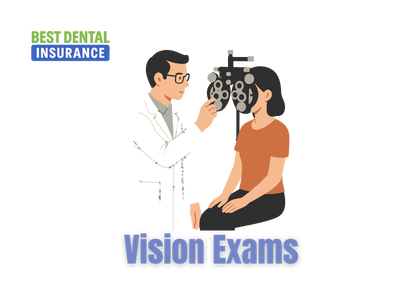
During a routine eye exam, you can expect a series of tests that assess various aspects of your vision and eye health. Initially, a standard vision test will measure visual acuity, determining whether corrective lenses, like glasses or contact lenses, might be necessary.

The eye doctor will then check your eyes’ ability to work together and focus properly. This involves several vision exams designed to evaluate how the eyes function in unison and how effectively they can switch focus between different objects, both near and far.

Another core component is the eye exam that examines the health of the external and internal structures of the eyes. This includes a thorough look at the eyelids, front part of the eye, and retina using tools like the ophthalmoscope and slit lamp.

These tests help in detecting early signs of potential eye problems such as cataracts, glaucoma, or retinal disorders. The slit lamp exam, in particular, is crucial in highlighting any anomalies in the cornea and lens, which are pivotal to maintaining overall eye health.

These routine checks are crucial as they offer a chance for early detection of eye conditions that may not present any immediate symptoms, enabling timely management and care.

Completing these routine exams not only provides a snapshot of the current health of your eyes but also helps outline necessary eye care moving forward.

Your eye doctor will discuss any findings with you and suggest further tests or treatments if needed, prioritizing your comfort and understanding throughout the process.

Regular vision exams are a cornerstone of comprehensive eye care, ensuring you maintain good eye health throughout your life.

Find & Compare Plans Online

Speak with a licensed insurance agent

1-833-667-3396TTY 711

Mon-Fri: 8am-9pm ET

Key Aspects of Comprehensive Vision Exams

Comprehensive vision exams extend beyond the routine to offer an in-depth look into your eye health and overall vision. These exams incorporate all the tests found in a standard routine exam but include additional testing to ensure a holistic view of your vision health.

Important aspects of a comprehensive exam involve measuring eye pressure to check for signs of glaucoma, inspecting the retina for any signs of degeneration, and conducting advanced imaging if necessary.

These extra steps allow your eye doctor to detect more subtle issues that might be overlooked in a simple exam.

For seniors, comprehensive eye exams are vital as they help manage the increased risk of age-related eye conditions. Regular comprehensive exams allow for monitoring changes in your vision over time, offering valuable insights into how your eyes age.

This can include tracking the progression of any conditions like macular degeneration, diabetic retinopathy, or cataracts, helping tailor appropriate eye care strategies and interventions.

Furthermore, a comprehensive exam enables your eye care provider to assess the health of the optic nerve, crucial in identifying and managing conditions such as glaucoma early on.

Catching these issues early is vital, as it enhances the efficacy of treatments and helps preserve vision and quality of life.

As part of comprehensive vision care, your eye doctor will also ensure that you’re aware of all the options available for managing your eye health, emphasizing preventive care as a pivotal tool in maintaining long-term wellness.

Understanding and scheduling regular comprehensive eye exams can significantly impact the preservation of your vision. It fosters a proactive approach in eye care, empowering you to take charge of your health with confidence and peace of mind.

The Role of Vision Exams in Eye Health

Vision exams are fundamental in maintaining optimal eye health. They serve as an early warning system, providing insights into potential eye conditions long before symptoms emerge.

Regular eye exams can be crucial for safeguarding against vision loss by enabling early detection and timely intervention.

These exams are not only vital for those with known vision problems but also for asymptomatic patients who might unknowingly harbor underlying issues. The information gathered during these exams plays a pivotal role in guiding individualized care plans.

By understanding the significance of routine eye exams, individuals can enhance their overall health and maintain clarity in their vision.

Early Detection of Eye Conditions

Early Detection of Eye Conditions

Routine eye exams are instrumental in the early detection of eye conditions that might otherwise go unnoticed until significant damage has occurred.

These exams frequently reveal early signs of eye diseases such as glaucoma, cataracts, and age-related macular degeneration.

By catching these conditions early, patients have better opportunities for effective treatments, which can slow or prevent the progression of vision loss. An eye doctor will perform various vision exams to assess the health of your eyes.

These tests are critical because many eye conditions do not present symptoms until they have reached advanced stages.

For instance, glaucoma, often termed the “silent thief of sight,” can develop without any noticeable signs, making early detection through routine exams a vital component of preserving eye health.

Additionally, regular eye care through routine exams is crucial for asymptomatic patients. Individuals might not realize they have a vision issue until it begins affecting their daily lives.

An eye doctor can identify problems well before noticeable symptoms occur, enabling timely interventions that are less invasive and more manageable.

Consider routine exams as preventative care for your vision, similar to regular physical check-ups for your overall health.

They serve as a proactive measure, reducing the risk of serious complications down the line.

Keeping up with routine eye exams ensures that any changes in your vision or eye health are addressed promptly, providing a foundation for maintaining clear vision and optimal eye health.

Engage with your eye care provider about the benefits these exams offer, and how they fit into a broader strategy of safeguarding your sight for years to come.

Common Eye Problems Identified in Routine Checkups

Routine checkups are key to identifying common eye problems that might not show symptoms initially. Regular eye exams conducted by an eye doctor allow for the evaluation of vision health and early detection of eye conditions.

These appointments are crucial in discovering issues like glaucoma, cataracts, and macular degeneration, which, if caught early, have more treatment options. Early detection during a routine will protect vision and ensure your eyes get the proper care needed.

Understanding these common problems identified in routine eye exams can help you maintain overall eye health and prevent future complications.

How Regular Exams Prevent Issues

How Regular Exams Prevent Issues

Regular eye exams play a pivotal role in preventing and detecting eye problems before they become severe. These exams serve as a frontline defense against vision loss by providing early detection of potential ailments.

Many eye conditions, such as glaucoma and macular degeneration, can progress unnoticed until they severely impact vision.

By scheduling routine exams, patients ensure early identification and management of these problems, which can effectively slow or even prevent the progression to vision loss.

It’s crucial to understand that regular eye care is a proactive step in maintaining vision health.

During these visits, an eye doctor employs various tests to evaluate your eye health. These might include assessments of vision clarity, eye pressure, and the health of the retina.

Tools like slit lamps and ophthalmoscopes help identify any disruptions in the eye’s structure and function. Such comprehensive evaluations are essential because many eye conditions do not present symptoms in their early stages.

Regular exams thus play a preventive role by highlighting issues before they affect daily life. This proactive approach to eye care not only safeguards against severe complications but also ensures personalized care based on individual health needs.

Furthermore, regular eye exams contribute to overall health monitoring. The eyes can reveal signs of other health conditions, such as diabetes and hypertension, allowing early intervention.

By keeping up with routine checks, patients gain insights into both their eye conditions and general health. This holistic approach underscores the importance of including regular eye exams in your health care regimen.

It helps maintain the clarity and health of your vision, enabling you to enjoy a better quality of life. Discuss with your eye doctor how routine checkups fit into a broader strategy for your ongoing health and wellness.

Routine vision checkups play a crucial role in maintaining eye health and catching issues early. By understanding what these exams entail, adults can approach them with confidence and ease.

Remember, every set of eyes is unique, and regular visits to an eye care professional help to ensure personalized care. For seniors, it’s key to find vision coverage that matches their needs and is compatible with their current providers.

If you’re ready to explore your options, enter your ZIP code on our website to access information specific to your area. Your vision deserves attention, care, and proper coverage.

Compare Dental Plans

Frequently Asked Questions

Why are routine vision checkups important as we age?

Routine vision checkups are crucial for detecting early eye conditions, which is especially important for those without noticeable symptoms. These checkups help in catching issues early, potentially preventing major eye problems, and they play a vital role in managing eye health as we age.

What tests are involved in a routine eye exam?

During a routine eye exam, you can expect tests to measure vision sharpness, check eye pressure, and evaluate the health of the retina and other eye structures. These exams may also include tests to assess eye muscle function and coordination.

How do regular eye exams help in overall health management?

Regular eye exams can reveal signs of other health conditions, such as diabetes and hypertension, allowing for early interventions. This makes routine eye care an integral part of comprehensive health management.

Are routine eye exams necessary if I have no vision problems?

Yes, routine eye exams are essential even for asymptomatic individuals. Many eye conditions do not present noticeable symptoms until they are advanced. Regular exams help to catch these conditions early, ensuring better management and care.

What should seniors consider regarding vision coverage?

Seniors should ensure their vision coverage matches their specific needs and is compatible with their current eye care providers. Understanding the details of their coverage options can help in planning ongoing eye care effectively.

Have Questions?

Speak with a licensed insurance agent

1-833-667-3396

TTY users 711

Mon-Fri: 8am-9pm ET

Find & Compare Plans Online

Speak with a licensed insurance agent

1-833-667-3396TTY 711

Mon-Fri: 8am-9pm ET

ZRN Health & Financial Services, LLC, a Texas limited liability company