Tips for Finding Affordable Dental Insurance

Navigating the world of dental insurance can seem daunting, especially when trying to keep costs low. For seniors looking to protect their smiles without breaking the bank, understanding key tips can make dental coverage more affordable and effective.

Explore these tips to help you find plans that balance cost with comprehensive care. Whether you need preventive services, fillings, or dentures, this guide will help you make informed decisions, ensuring you have access to the dental services that matter most.

Start your journey towards affordable and effective dental health today.

Key Highlights

  • Dental networks help reduce costs by offering services at negotiated rates with insurance plans.
  • Preferred Provider Organizations (PPOs) provide flexibility, allowing visits to out-of-network dentists.
  • Health Maintenance Organizations (HMOs) require the use of network providers but offer lower premiums.
  • Discount dental plans offer membership-based cost reductions on dental services without insurance claims.
  • Comparing dental plans involves evaluating premiums, copayments, coverage, and provider networks.

Compare Dental Plans

Understanding Dental Insurance: What You Need to Know

Navigating dental insurance can sometimes feel overwhelming, but understanding how dental plans work helps secure the right coverage for your needs.

Different dental insurance plans offer varying levels of care and coverage, making it crucial to differentiate between them.

Knowing what dental care is covered, how insurance companies process enrollment, and what to expect from your health plan are foundational steps.

This section simplifies how dental insurance operates, the common types of plans available, and provides insights into making informed decisions about your coverage needs.

How Dental Insurance Works

Dental insurance functions by helping you manage the cost of your dental care services, covering a percentage of common procedures and routine check-ups.

Most dental plans are structured around preventive care, making regular visits to your dentist affordable and maintaining oral health more straightforward.

Essentially, you pay monthly premiums to an insurance company, and in return, they cover part of your dental care costs, following the specifics outlined in your health plan.

Once enrolled in a dental insurance program, you usually have access to dental care services at set rates, regardless of the actual cost of services.

Dental insurance plans typically have deductibles, the amount you must meet before the insurance company starts covering services. Additionally, they often cover preventive services at 100%, with other services like fillings or extractions at a lower percentage.

Understanding how these components fit together helps you avoid unexpected expenses and ensures you get the most from your coverage.

Using the insurance marketplace can simplify shopping for the right dental plan, as you can compare different coverage options side by side. Some plans may include waiting periods or coverage limits, so it’s crucial to review these details during enrollment.

Remember, your location can impact available plans as insurance companies tailor options to local needs. By comprehensively understanding how dental insurance works, you can confidently enroll in a plan that fits your needs and protects your smile.

Common Types of Dental Insurance Plans

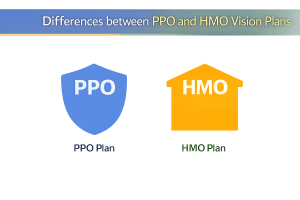
There are several types of dental insurance plans, each offering distinct coverage options and payment structures. Typically, these plans include Preferred Provider Organizations (PPOs), Health Maintenance Organizations (HMOs), and discount dental plans.

PPO plans are popular because they offer flexibility in choosing dental care providers, covering a larger portion of costs if you visit an in-network dentist but still providing coverage for out-of-network services at a lower rate.

These plans are a good option for those who value choice in providers.

Another common type of plan is the HMO, which tends to have lower premiums but requires you to use a network of specified dentists and healthcare professionals. This network-focused approach might limit your choice of providers, but it can be more cost-effective.

HMO plans often cover basic dental services at a lower cost and can include routine preventive care, encouraging regular dental visits.

Lastly, discount dental plans offer reduced fees on dental care services. They aren’t insurance plans but offer significant savings on procedures by partnering with participating dentists.

If a traditional insurance plan doesn’t meet your needs, this can be an alternative to help manage costs.

However, it’s essential to weigh the pros and cons of discount dental plans against true insurance plans to ensure you’re making the best choice for your dental health and financial situation.

By understanding these types of plans, you prepare to select coverage that provides peace of mind and helps maintain your oral health over time.

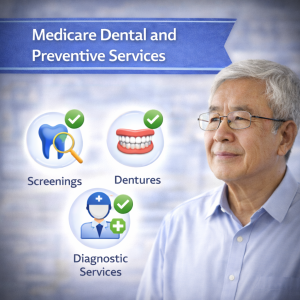
medicare dental and preventive services

Determining Your Dental Coverage Needs

Understanding your dental coverage needs is crucial to selecting the right plan. Each individual, including children and seniors, requires different essential services, from preventive care to complex treatments.

Knowing which services are covered, their costs, and how they fit into your budget is key. This section explores the essential services typically covered under dental insurance and how to evaluate costs effectively to make informed decisions about your dental benefits.

Essential Services Covered by Dental Insurance

Dental insurance plans often focus on preventive and diagnostic services to encourage regular dental visits and maintain oral health. These include routine cleanings, exams, and X-rays, which are generally covered at 100% by most insurance programs.

Preventive care minimizes the risk of developing more serious dental issues, keeping both your teeth and cost concerns in check.

Additionally, many plans offer coverage for basic restorative services like fillings and extractions, which help treat tooth decay or damage.

Coverage for these essential services ensures that minor problems don’t turn into costly emergencies.

Beyond basic care, some plans also cover major restorative services, such as crowns, bridges, and dentures. While coverage percentages for these services vary, having insurance can significantly reduce out-of-pocket costs.

Moreover, if you find yourself needing specialized care like orthodontics or periodontal treatment, knowing whether these services are included is essential.

Keep in mind that not all plans offer comprehensive coverage for major or specialized treatments, so reviewing plan details is vital for understanding your potential costs and benefits.

Children’s dental care is another key aspect to consider, especially as some plans might cover orthodontic treatments to support growing smiles.

Dental insurance can play a supportive role in ensuring that your family’s oral health needs are met without breaking the bank.

Ultimately, matching coverage options to your personal or family needs is the cornerstone of effective dental care planning.

Exploring what services are crucial for you and understanding your plan’s specifics will help not only in securing essential dental benefits but also in managing overall oral health costs more efficiently.

Find & Compare Plans Online

Speak with a licensed insurance agent

1-833-667-3396TTY 711

Mon-Fri: 8am-9pm ET

Evaluating Costs and Budgeting for Dental Insurance

Budgeting for dental insurance involves assessing both premium costs and potential out-of-pocket expenses. Premiums are the monthly payments you make to maintain your dental coverage.

They vary depending on the extent of coverage, choice of providers, and your location. It’s important to find a rate that fits your budget while ensuring you receive adequate benefits.

When comparing plans, look for one that balances affordable premiums with comprehensive service coverage to best meet your dental needs.

In addition to premiums, factor in copayments and deductibles.

Copayments are the fixed amounts you pay for specific services at the time of your dental visit, while a deductible is the amount you must pay before your insurance kicks in for more extensive care.

Understanding how these elements impact your overall dental costs is crucial for effective budgeting. By knowing the specific figures associated with different plans, you can avoid unexpected expenses and make financially sound choices.

Budget planning should also include a look at maximum annual benefits, which is the highest amount your insurance will pay in a given year.

If you anticipate needing significant dental work, verify that the plan’s maximum benefit will cover your potential expenses.

Additionally, examine the network of providers associated with each plan, as visiting in-network dentists often results in lower rates and reduced costs.

This emphasis on evaluating all potential costs helps ensure the dental plan you enroll in fits your financial needs and supports your long-term oral health.

To help with this process, consider using online tools for comparing different insurance plans side by side. These resources can make it easier to understand varying coverage options, their implications on costs, and what coordinating care would entail.

Ultimately, wise budgeting and choosing the right plan help in minimizing overall dental care expenses while maximizing coverage.

By understanding how dental insurance costs work and incorporating them into your budget, you’ll be better prepared to find affordable options that fit your needs and help maintain a healthy smile.

Exploring Affordable Dental Insurance Options

Finding affordable dental insurance can greatly alleviate the financial burden of maintaining oral health. By understanding various networks, you can manage costs and find plans fitting your needs.

In this journey, learning about dental networks and assessing different plan options become essential step.

This section explores the role of dental networks in managing costs, presenting strategies to find affordable plans tailored to individual needs, ensuring you get great coverage without straining your budget.

The Role of Dental Networks in Cost Management

The Role of Dental Networks in Cost Management

Dental networks play a crucial role in managing the costs associated with receiving dental care. These networks are essentially groups of dentists and providers who have agreements with insurance companies to provide services at reduced rates.

When you enroll in a dental insurance plan, it’s often beneficial to choose providers within the network to maximize your savings.

Visiting a network provider means you’ll likely face lower out-of-pocket costs because these dentists offer negotiated rates, lower than what they might charge a non-network patient. This approach not only helps in keeping the care affordable but also in ensuring predictable costs.

Furthermore, understanding the difference between types of networks, such as PPO and HMO, can significantly impact how you manage care costs.

Preferred Provider Organizations (PPOs) offer more flexibility as you can visit out-of-network providers, though at a higher cost, while Health Maintenance Organizations (HMOs) generally limit you to a specific dental network but offer lower premiums and reduced service rates.

Choosing between these can depend on whether flexibility or cost savings is your priority. If you frequently travel or need specialized care not available locally, a PPO might suit you better, whereas an HMO can work well if you stick within available local services.

Additionally, being part of a dental network often facilitates better care coordination, as providers understand the terms of your dental plan, minimizing unexpected costs or treatments that aren’t covered.

Shopping for insurance plans involves evaluating these network structures and determining which best aligns with your financial and care needs.

Using the healthcare marketplace to compare network details can help you find a dental plan that offers the best combination of affordability and coverage.

In-network care not only manages dental service costs but also helps you maintain regular visits, an essential component of ensuring long-term oral health.

Finding Affordable Dental Plans That Fit Your Needs

Identifying affordable dental plans requires thoughtful consideration of various factors beyond just premiums.

The starting point is understanding what specific dental care needs to be covered, whether you require basic preventive care, extensive restorative services, or treatments like orthodontics.

Different insurance plans cater to varying needs, so aligning your coverage with your expected dental care is crucial.

A careful review of what each plan covers and contrasts will reveal which options provide the most economic benefit without compromising necessary services.

Moreover, the scope of services covered vastly influences the affordability and accessibility of care, impacting which plan suits you best.

Some plans, for instance, may emphasize preventive services like cleanings and exams by offering these at no additional cost, which can lower future dental expenses by maintaining oral health.

Others may focus on major services but come with varied coverage levels. By examining the balance of premiums against copayments and deductibles, you can gauge which offering strikes the right balance between affordability and comprehensive care.

Another consideration includes exploring the dental discount plans available in your area, especially if traditional insurance doesn’t appear to meet your needs.

These can offer reduced fees for a range of services through participating providers, but differ from insurance plans as they don’t cover costs, but discount them.

Discussing with providers about the actual costs of procedures and whether they offer additional discounts can also be insightful.

The healthcare marketplace simplifies this exploration by allowing side-by-side comparisons, aiding in identifying affordable dental options tailored to specific requirements.

Lastly, remember to consider location-based differences as plan availability and pricing may fluctuate geographically.

Insurance companies often design their offerings to respond to local healthcare needs, which might mean broader options or specific limitations, affecting cost alongside coverage benefits.

Taking advantage of enrollment periods to assess any changes in available options or network providers is essential.

By aligning your dental plan choice with a clear understanding of your needs and financial capabilities, you ensure effective management of dental expenses without sacrificing critical health needs.

Comparing Different Dental Plan Types

Comparing Different Dental Plan Types

Diving into dental insurance involves understanding the variety of dental plan types available.

These plans impact the coverage you receive and the costs you might incur. Comparing different dental plans, such as dental insurance and discount dental plans, can help you make informed decisions.

Each type of plan has distinct features, benefits, and limitations. Knowing these differences enables you to choose the best package that aligns with your financial capabilities and oral health requirements.

The Differences Between Dental Insurance and Discount Dental Plans

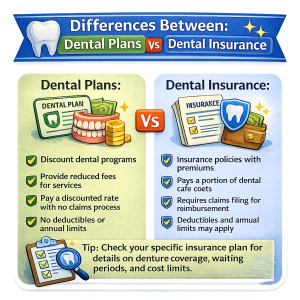
When comparing dental insurance and discount dental plans, the first thing to note is their fundamental difference in structure and operation. Dental insurance is traditional insurance coverage, similar to health plans, where you pay premiums monthly.

In return, the insurance company covers a portion of your dental care costs, often tailored to specific services. These plans typically focus on preventive services like cleanings and exams, covered at 100% to promote regular dental visits.

In contrast, basic services such as fillings and extractions get partial coverage, while major procedures like crowns or dentures may have a higher out-of-pocket cost.

Participating in a network is common, as insurance companies often negotiate lower service rates with approved providers to keep costs in check.

On the other hand, discount dental plans operate as membership programs rather than insurance. By enrolling in a discount dental plan, you pay an annual fee in exchange for substantial discounts on dental care services at participating providers.

These plans don’t pay a portion of your bill; instead, they reduce the cost upfront. This model appeals to those who might not meet the criteria for traditional insurance or prefer straightforward cost structures without the complexity of claims and deductibles.

Although they’re not insurance plans, these discounts can provide significant savings, making dental care more accessible for budget-conscious individuals or those with limited dental needs.

Choosing between these two options depends on your needs and financial situation.

If you require extensive dental work or wish to diversify your provider options, traditional dental insurance might offer more comprehensive coverage and flexibility through PPO or HMO networks.

However, if you have fewer dental issues or seek a low-cost alternative, a discount dental plan could be sufficient, offering immediate savings without the commitment of ongoing premium payments.

It’s essential to compare the available plans by reviewing the cost structures, covered services, network providers, and any additional benefits.

Leveraging this knowledge ensures that you select an option that optimizes coverage, aligns with budget constraints, and ultimately supports your long-term dental health goals.

When comparing dental insurance with discount dental plans, here are the key factors to consider:

  • Analyze the total annual cost, including premiums, fees, and anticipated out-of-pocket expenses.
  • Evaluate the availability and reputation of network providers for each option.
  • Consider the range of services covered and any existing limitations or exclusions.
  • Assess whether pre-authorization is needed for specific procedures.
  • Look into the ease of accessing care, especially in emergencies.
  • Review potential savings against expected dental care needs.
  • Determine if either option offers additional health-related benefits or services.

This list aims to provide clarity and assist in selecting a dental plan that suits your needs effectively.

Finding the right dental insurance can feel overwhelming, but it’s achievable with the right information. Remember to compare plans carefully, considering what each covers and how much it costs.

Think about your dental needs and any treatments you might need soon, like dentures or implants. Your location affects coverage, so explore plans available in your area.

By understanding dental insurance, you can make informed decisions that suit your budget and health needs. Feel free to enter your ZIP code on our website to explore options tailored to your area. Remember, costs and coverage can vary.

Compare Dental Plans

Frequently Asked Questions

What are the key types of dental insurance plans available?

Dental insurance plans primarily include:

  • Preferred Provider Organizations (PPOs): These plans offer flexibility by allowing visits to out-of-network dentists, though at a higher cost.
  • Health Maintenance Organizations (HMOs): These require using network dentists but often have lower premiums.
  • Discount Dental Plans: These aren’t insurance per se, but offer reduced rates at participating providers through a membership.

How does a dental network help in reducing costs?

Dental networks comprise groups of dentists who offer services at negotiated rates. By staying within these networks, you can benefit from reduced costs, as network providers agree to provide services at lower prices than they might charge outside the network.

What are the typical costs involved in dental insurance?

The main costs include:

  • Premiums: The monthly payment to maintain your coverage.
  • Deductibles: The amount you must pay out of pocket before insurance coverage begins.
  • Copayments: The fixed amount paid for each visit or service.

Evaluating these costs helps ensure your plan aligns with your financial situation.

What services are typically covered by dental insurance?

Most dental insurance plans focus on preventive and diagnostic services, covering routine cleanings, exams, and X-rays at 100%. Basic restorative services like fillings may be covered partially. Major services like crowns or dentures vary, so it’s important to review each plan’s specifics for your needs.

How do I choose a dental insurance plan that's right for me?

Consider your dental care needs, possible upcoming treatments, and budget. Review plans for their coverage of specific services, network of providers, and costs like premiums and deductibles. Comparing plans side by side can help ensure the coverage fits your needs and regional availability.

Have Questions?

Speak with a licensed insurance agent

1-833-667-3396

TTY users 711

Mon-Fri: 8am-9pm ET

Find & Compare Plans Online

Speak with a licensed insurance agent

1-833-667-3396TTY 711

Mon-Fri: 8am-9pm ET

ZRN Health & Financial Services, LLC, a Texas limited liability company