Understanding dental coverage through Medicare can be challenging but important, especially for those seeking to manage dental expenses in retirement. This webpage aims to clarify how dental coverage fits into Medicare, detailing potential costs and the types of services one might encounter. While traditional Medicare often doesn’t include routine dental care, discover what options exist, including those provided through other Medicare-related plans. Our goal is to provide straightforward information to help individuals make informed decisions about their dental health. Read on to explore how Medicare dental costs may impact your overall healthcare planning.


Dental Insurance Plans
for individuals and families
Dental Plans start as low as $12.00 per month





How Much Is Dental Coverage on Medicare?
Key Highlights
- Original Medicare typically doesn’t cover dental services like checkups and cleanings, leading to out-of-pocket costs.
- Medicare Advantage plans may include dental coverage, varying by plan type, location, and provider networks.
- Waiting periods and exclusions can affect dental coverage under Medicare Advantage plans, impacting service availability.
- Exploring options like community clinics can provide affordable dental care for those on fixed incomes.
- Entering your ZIP code helps find local Medicare dental plans tailored to specific coverage and cost needs.
Compare plans and enroll online
Understanding Medicare and Dental Coverage
Navigating Medicare coverage for dental services can be a bit complex. Original Medicare, which includes Part A and Part B, provides a wide range of healthcare benefits. However, when it comes to dental care, there are often gaps. The plan typically does not cover most types of dental services like checkups, cleanings, and major procedures like fillings or dentures. Understanding why dental care is excluded can help beneficiaries plan properly. As we delve deeper, we’ll explore the reasons behind these exclusions and discuss available alternatives to help cover dental costs effectively.
Why Original Medicare Often Lacks Dental Services
Original Medicare is primarily designed to address medical and hospital costs, focusing on inpatient care through Part A and outpatient services through Part B. Unfortunately, original Medicare doesn’t cover most dental care, which means typical dental services aren’t included in this coverage. Dental care is excluded not because Medicare deems it unimportant, but due to legislative decisions made at the inception of the program. Dental coverage wasn’t prioritized during Medicare’s creation since the focus was on immediate medical crucial needs for seniors. Thus, common dental services like exams, cleanings, fillings, and even more significant procedures such as crowns or dentures aren’t covered. This can lead to significant out-of-pocket costs since the Medicare-approved amount doesn’t apply to dental expenses.
However, there are exceptions, such as when dental care is needed as part of a covered procedure or treatment received during a hospital stay. Yet these cases are relatively rare. For most beneficiaries, additional policies like Medicare Advantage plans or separate dental insurance can help bridge this gap. While original Medicare doesn’t inherently cover dental, understanding these nuances and exploring supplemental options can provide seniors with the dental care coverage they need. It’s essential to review each plan’s specifics to know what’s covered, what costs may apply, and how Medicare-related dental plans can vary by location and provider. This ensures a more comprehensive understanding of what to expect from Medicare dental coverage.
The Role of Medicare Advantage Plans
Medicare Advantage plans have become a popular choice for those seeking more comprehensive healthcare coverage. Unlike Original Medicare, these plans often include additional benefits like dental insurance, vision, and hearing. They serve as a bridge for seniors seeking to fill the coverage gaps left by Original Medicare, especially when it comes to dental services. By understanding how Medicare Advantage works, beneficiaries can make informed decisions about their healthcare needs. In this section, we’ll dive into how these plans can incorporate dental coverage and the advantages it brings.
How These Plans Can Include Dental Insurance
Medicare Advantage plans, often referred to as Medicare Part C, merge the benefits of Original Medicare with additional services, sometimes including dental insurance. These plans are offered by private insurance companies approved by Medicare and can cover different types of dental care, from checkups to more extensive procedures like crowns or dentures. The degree of coverage, however, varies widely between plans and providers. It’s crucial to scrutinize each plan’s specifics since dental benefits can significantly impact the overall healthcare costs you might face.
For those considering these advantage plans, it’s essential to recognize that while they generally offer more comprehensive coverage than Original Medicare, they come with different costs and pay structures. Advantage dental benefits might include preventive services like exams and cleanings, and some might also cover restorative care, which can help reduce out-of-pocket expenses. Understanding the types of dental coverage offered is key to selecting a plan that aligns well with personal dental care needs and budget. Additionally, when exploring these options, seniors should consider how geographic location can affect costs and availability, as not all plans have the same reach or networks.
By diving into specifics, like what type of dental insurance each plan provides and how it pays for certain services, beneficiaries can find plans that best suit their individual health requirements, ensuring they’re not caught off-guard by unexpected dental expenses.
Exploring Dental Costs for Medicare Beneficiaries
Understanding dental costs within Medicare can help beneficiaries better manage their healthcare expenses. Many might assume that Medicare covers dental services, but this isn’t typically the case. Most dental services fall outside of Medicare’s standard coverage, leading to potential out-of-pocket fees. Still, learning about the associated costs and insurance options can empower beneficiaries to make informed decisions. Below, we’ll delve into the typical costs associated with dental care for those relying on Medicare benefits, and explore various ways to address these fees without financial stress.
Typical Costs Associated with Dental Services
For Medicare beneficiaries, understanding the typical costs associated with dental services is crucial. Often, Medicare doesn’t cover most dental care, so beneficiaries must pay out-of-pocket for regular dental visits and procedures. These costs can include fees for preventive care such as cleanings or exams, and more significant expenses for procedures like fillings, crowns, or dentures. Without coverage, these amounts can add up quickly, leaving many wondering how to pay for necessary care. It’s important to know that Medicare-approved amounts don’t apply to dental costs, meaning beneficiaries are responsible for the full fee of the services received.
Medicare pays for very limited dental services, usually connected to a Medicare-covered medical procedure. For instance, if a senior undergoes jaw surgery, Medicare might cover related dental issues if it falls under their hospitalization coverage. However, these exceptions are rare. To manage these costs, many seniors opt for additional dental insurance or consider Medicare Advantage plans. These plans often include dental insurance, offering a remedy to the gaps left by Original Medicare.
Exploring local options is another practical step. Dental costs and coverage vary by location and provider, and beneficiaries should compare options based on their unique needs. Learning about different policies and consulting with providers can ensure seniors select a plan that balances costs and coverage, reducing the burden of dental fees.
Continue learning about strategies to manage dental expenses with these practical tips:
- Consider dental savings plans for discounts on various dental services.
- Research community dental clinics for affordable or sliding scale fee services.
- Discuss payment plans directly with clinics to spread out payments.
- Explore potential discounts for seniors or members of specific organizations.
- Utilize free or low-cost dental schools for basic dental services.
These strategies offer additional pathways to manage dental costs effectively.
Types of Dental Services Covered by Medicare
Medicare’s dental coverage options can often leave people puzzled, especially since traditional Medicare doesn’t usually cover routine dental services. However, there’s more to learn about what is and isn’t covered under Medicare. Some specific instances do allow for dental services to be included in Medicare coverage, primarily when linked to a covered medical condition or treatment. For those looking to understand how Medicare dental coverage works, it’s key to explore the types of dental services that might be included, as well as alternatives for additional insurance options that cater to dental needs.
Learn About Common Dental Services Available
Many wonder about the types of dental services available under Medicare and the limitations they might face. While Original Medicare focuses on covering medical and hospital care, it often leaves out most dental services. This means preventive measures like cleanings and checkups, along with treatments such as fillings, crowns, or dentures, aren’t typically included in Medicare coverage. However, in certain situations, Medicare covers dental services if they’re tied to a related medical procedure. For example, if dental treatment is necessary before a surgery covered by Medicare, then those dental services might be included.
Beyond these specific scenarios, seniors can explore additional insurance options like Medicare Advantage or standalone dental insurance plans. Medicare Advantage plans, also known as Medicare Part C, can offer dental coverage that Original Medicare lacks. These plans often include a variety of dental services, from routine checkups to more complex treatments, depending on the specific plan’s details.
Understanding the specifics can help beneficiaries decide if a Medicare Advantage plan or another form of dental insurance is a suitable choice based on coverage needs and financial considerations. Reviewing plan details, coverage amounts, and location-specific options ensures that seniors are well-informed about how to access and finance their dental care, avoiding unexpected out-of-pocket expenses.

Comparing Dental Insurance Options
Understanding the different dental insurance options available is key for Medicare beneficiaries looking to manage their dental care costs effectively. Dental insurance plans, including those supplemented by Medicare Advantage plans, vary in coverage, costs, and limits. Medicare itself doesn’t typically cover extensive dental care, so beneficiaries often look into additional insurance policies to address these gaps. Analyzing how coverage and costs can differ significantly by location and provider is essential to making an informed choice. Let’s look into these variables and how they influence dental insurance choices for older adults.
How Coverage and Costs Vary by Location and Provider
Dental insurance coverage under Medicare can be a bit tricky, as the details greatly depend on where you live and the providers you choose. Different locations have varying networks and insurance costs, which means that what works for someone in one area may not be the best option elsewhere. This variability affects both the types of dental plans available and their out-of-pocket costs. Seniors must compare these options carefully to ensure they receive the benefits they need at a price they can afford.
The coverage offered by private insurance plans or Medicare Advantage plans depends significantly on the dental providers contracted in specific areas. Some locations might have more robust networks that allow for comprehensive dental services, including preventative care, fillings, crowns, and even dentures, at lower costs. In contrast, others with limited options might lead to higher fees due to reduced competition among dental providers.
Many find that the Medicare-approved amount doesn’t apply to routine dental services, making understanding local costs essential. By comparing plans and exploring various Medicare Advantage options, seniors can discover how some dental insurance plans help keep costs low. It’s vital to review each plan’s terms, ensuring it aligns with personal health needs and financial circumstances. This thoughtful consideration allows beneficiaries to navigate the complex landscape of dental insurance under Medicare with confidence. Finally, remember that Medicare advantages can include varying levels of dental insurance, so thoroughly researching available plans can aid in making the best decision for one’s specific situation.
Understanding Waiting Periods and Limitations
When exploring Medicare dental plans, it’s important to consider the waiting periods and limitations which affect coverage. These factors play a key role in when and if certain dental services are covered and under what conditions. Waiting periods can influence when you start receiving benefits, and limitations might exclude certain treatments from being covered altogether. Alongside this, comparing plans’ specifics regarding fees, exclusions, and similar dental services is crucial. This knowledge helps beneficiaries effectively navigate their options and make informed decisions about their dental health coverage needs.
| Periods | Exclusions | Covered Services | Cost Considerations | Plan Variations |
|---|---|---|---|---|
| Up to 12 months for major services | No coverage for cosmetic procedures | Routine exams, cleanings, x-rays | Premiums vary by provider | Basic, Enhanced, and Comprehensive options |
| No waiting for preventative services | Restrictions on pre-existing conditions | Fillings and extractions | Co-pays and deductibles apply | Coverage levels differ |
| 6-month wait for basic procedures | Lack of orthodontic coverage | Root canals under certain plans | Out-of-pocket maximums | Region-specific plans and benefits |
This table provides an overview of important considerations regarding waiting periods and limitations in Medicare dental plans.
Find & Compare Plans Online
What You Should Know About Waiting Times and Exclusions
Waiting periods are a common aspect of dental insurance plans and could also be applied to Medicare Advantage plans that offer dental coverage. These are the initial times when you sign up for a plan and when the benefits actually begin. During the waiting period, specific services might not be covered, including major procedures like root canals or crowns. Understanding the waiting times and the associated exclusions is crucial as it directly impacts when you can utilize the coverage for these dental services. For example, while preventive measures like cleanings might be available immediately, more complex treatments can entail waiting periods of up to twelve months or more.
Exclusions are another essential aspect to consider. They refer to specific services not covered under a given plan. With Medicare dental coverage, exclusions typically involve elective or cosmetic procedures, meaning these might not be covered regardless of whether you’ve passed the waiting period. For instance, while Medicare may cover dental services related to a medical procedure, routine dental care like fillings might be excluded. Exclusions and limitations vary greatly between plans, and being aware of these can avoid surprises down the road when planning for necessary dental treatments.
Knowing the fees associated with your plan also helps in managing overall costs effectively. Although Medicare typically doesn’t cover extensive dental, understanding the amount that’s paid towards covered services can assist in predicting potential out-of-pocket expenses. It’s wise to compare different plans’ limits on what is covered and how similar dental services are described across varying Medicare Advantage options, which could lead to significant cost implications based on location and provider networks. Learning about these elements informs beneficiaries’ choices, ensuring they choose suitable plans that align with both health needs and budget constraints.
Considering Affordability and Budget Concerns
Many Medicare beneficiaries face challenges covering dental costs, especially on a fixed income. Balancing medical expenses with everyday financial needs makes navigating dental coverage even more critical. While Original Medicare often lacks dental benefits, there are steps to help manage costs. Understanding plan limitations, additional insurance options, and financial constraints helps seniors take control of their dental health without overwhelming their budget. This section explores practical ways to manage these costs, focusing on maximizing coverage and affordability for those with limited resources.
Ways to Manage Dental Costs on a Fixed Income
If you’re living on a fixed income, managing dental costs can be a daunting task. For many Medicare beneficiaries, understanding how to deal with expenses is crucial since Original Medicare rarely covers dental care. Yet, there are strategies to tackle this issue. First, evaluating Medicare Advantage plans is essential. These plans sometimes include dental insurance that Original Medicare does not cover, which can significantly reduce out-of-pocket expenses. By comparing the costs and coverage of various Advantage plans, seniors can find options that fit their budgets.
Another strategy is to explore separate dental insurance plans specifically designed for seniors. These plans typically offer more comprehensive coverage of dental services that may not be available through Medicare alone. Reviewing these options lets you understand the available coverage and how much you’ll need to pay compared to other solutions, such as personal savings or third-party payment plans.
For those on a limited budget, seeking care through community clinics or educational facilities offering reduced rates for seniors can be a lifesaver. These clinics sometimes offer services performed by supervised students or volunteers, lowering the treatment costs. Additionally, some states provide extra benefits through Medicaid programs, although these vary widely by location and eligibility.
Ultimately, careful planning can make dental care more affordable for seniors. By thoroughly researching available plans, keeping track of dental insurance costs, and considering state-specific programs, you can manage expenses efficiently without compromising your health care needs. By understanding these options, Medicare beneficiaries can better manage dental costs, ensuring they don’t overspend while still receiving necessary care.
Finding the Right Plan for Your Needs
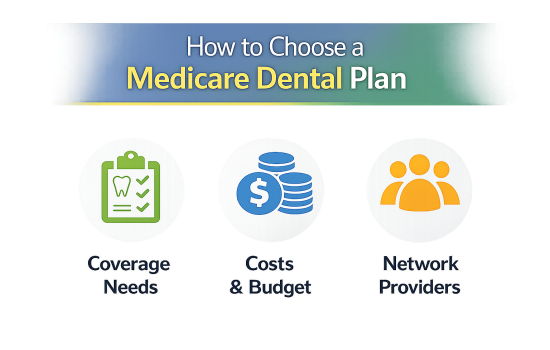
Choosing the right dental coverage plan under Medicare can feel overwhelming with many options to consider. Dental care is crucial, especially for seniors, but understanding the available plans can make a huge difference in coverage and costs. With Original Medicare lacking comprehensive dental benefits, exploring Medicare Advantage plans and other insurance options is essential. These plans can offer varying degrees of dental insurance, coverage for specific services, and opportunities to manage overall costs effectively. Let’s delve into tips that can help you identify the most suitable Medicare dental plan for your unique needs.
Tips to Identify Suitable Medicare Dental Plans
Finding a fitting Medicare dental plan starts with assessing your dental needs and financial situation. Consider what dental services you use regularly, do you need coverage for simple checkups, or are you anticipating more complex procedures like fillings or crowns? Understanding your typical dental care can guide you in selecting the right plan. Look into Medicare Advantage plans as they often include dental insurance that covers a range of services that Original Medicare doesn’t. Each advantage plan offers different degrees of coverage, from preventive care to more intensive dental work.
It’s crucial to research the costs associated with these plans, including any extra fees you might encounter. Many plans have different structures for copays and premiums, affecting the overall cost. Since dental coverage often varies by location, using your ZIP code to explore available plans in your area ensures you choose the most geographically reasonable option. Additionally, reviewing the specifics of each plan, such as waiting periods and exclusions, is key. Some dental services might not be covered immediately, affecting when you can access benefits.
Comparing advantage plans against standalone dental insurance options can also be beneficial. Standalone plans may provide more comprehensive dental benefits for specific needs. It’s about weighing what each plan offers against your own dental needs and budget constraints. By carefully evaluating these factors, Medicare beneficiaries can find plans that not only provide the necessary coverage but also fit within financial limits. Remember to check if your preferred dental provider is within the network of the plans you’re considering, as this can affect convenience and costs.
Summary and Next Steps
After exploring the intricacies of Medicare dental coverage, it’s time to consider your next steps towards securing suitable dental insurance. Understanding the importance of Medicare Advantage plans and how they can help cover dental costs is crucial. These plans offer a valuable option for those seeking additional benefits not provided by Original Medicare, including dental services. Through careful evaluation of different insurance plans, considering location-based coverage differences, and recognizing the potential costs, you can make informed decisions about your healthcare needs. Let’s explore how entering your ZIP code can facilitate your journey to finding the right dental coverage.
Explore Options by Entering Your ZIP Code
Taking the step to enter your ZIP code on our platform can open doors to a variety of Medicare dental coverage options tailored to your region. Geographic location plays a significant role in the availability and variety of healthcare plans, including dental coverage. By entering your ZIP code, you access region-specific information that helps understand the exact costs and types of dental insurance available to you. This local approach ensures that you can find coverage options that match your dental needs and budget, providing a streamlined way to learn about and compare different insurance plans.
Medicare Advantage plans, which often include comprehensive dental coverage, vary significantly by region. Prices, plan types, and accepted providers can depend on local networks and the specific offerings of insurance companies in your area. Utilizing your ZIP code allows you to see plans available in your community and compare them across different criteria like coverage limits, fees, and out-of-pocket costs. This insight is beneficial for beneficiaries who want to fully understand their healthcare options before making a decision.
Understanding these location-based differences not only helps in finding suitable plans but also in managing expectations about coverage. You can ensure that your plan covers necessary dental services, potentially offering benefits at reduced costs compared to out-of-pocket expenses. Completing this small step by entering your ZIP code empowers you with the knowledge needed to explore personalized options effectively. So, take advantage of this tool to explore your healthcare solution and ensure it meets your dental coverage needs efficiently and affordably.
Understanding dental coverage options within Medicare can help you make informed decisions. Exploring different plans, knowing potential costs, and considering both needs and budget are crucial steps. Remember, dental benefits through Medicare often depend on additional private policies or Medicare Advantage plans. As you review your options, focus on what aligns best with your dental care requirements and financial situation. To explore dental insurance plans that cater to your specific location and coverage needs, enter your ZIP code on our website. Being informed helps ensure better oral health and more prepared decisions about coverage.
Compare plans and enroll online
Frequently Asked Questions
Does Original Medicare cover routine dental services?
Original Medicare, which includes Part A and Part B, generally does not cover routine dental services such as checkups, cleanings, fillings, or dentures. This exclusion was part of the original legislative framework, focusing primarily on hospital and medical needs. Beneficiaries often have to explore additional options to cover these costs.
What dental services might be covered by Medicare in certain situations?
While routine dental care is typically excluded, Medicare might cover dental services when they are necessary for a covered medical procedure, such as jaw surgery. These instances are rare, so it’s important to review specific cases where dental care might be included under Medicare coverage.
How do Medicare Advantage plans differ in terms of dental coverage?
Medicare Advantage (Part C) plans are offered by private insurers and often include additional benefits, such as dental coverage. These plans vary in the extent of their dental benefits, which may include routine care and more extensive treatments like dentures. It’s essential to compare these plans based on their specific offerings and costs, as they differ widely by provider and location.
What should seniors consider when selecting a dental plan?
Seniors should consider their dental needs and financial situation when selecting a plan. Evaluating the types of coverage required, comparing Medicare Advantage plans with standalone dental insurance, and considering the costs and limitations, such as waiting periods, are crucial steps to finding a suitable plan for their needs.
Why is it beneficial to use your ZIP code when searching for Medicare dental plans?
Dental coverage and plan availability can vary significantly based on geographic location. By using your ZIP code, you can access information about specific Medicare Advantage plans available in your area, allowing you to review local networks, coverage options, and costs more effectively.
Find & Compare Plans Online
ZRN Health & Financial Services, LLC, a Texas limited liability company

Russell Noga is the CEO of ZRN Health & Financial Services and the head content editor of several Medicare insurance online publications. He has over 18 years of experience as a licensed Medicare insurance broker helping Medicare beneficiaries learn about Medicare, Medicare Advantage Plans, Medigap insurance, and Medicare Part D prescription drug plans.