Managing the high cost of dental implants requires strategic planning and an exploration of various financial assistance options. A key step is seeking a comprehensive dental plan that offers implant coverage or partial support.
While some insurance plans might classify implants as elective, others may provide limited coverage for necessary elements of the procedure. Evaluating multiple dental plans allows you to identify one that minimizes out-of-pocket expenses effectively.
It’s essential to carefully assess plan particulars like annual maximums and waiting periods, which can impact funding availability and timing for your treatment.
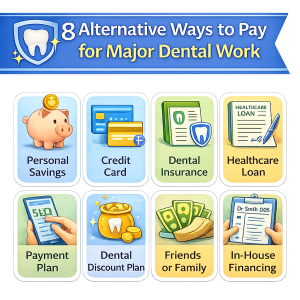
Beyond conventional dental insurance, considering supplemental dental insurance or a medical savings account can be advantageous.
Health savings accounts (HSAs) and flexible spending accounts (FSAs) allow pre-tax dollars to cover medical expenses, including dental procedures, potentially reducing the overall cost by lowering taxable income.
These accounts can be used to budget and save specifically for dental implants, making the cost more manageable over time.
Another viable option is exploring dental savings plans, often offering discounted procedures through network dentists in exchange for an annual membership fee.
You might also explore financing options directly through your dental provider, many of whom offer payment plans or partner with credit companies specializing in healthcare financing.
These solutions enable you to affordably spread payments over time, alleviating the immediate financial pressure.
Researching and comparing interest rates and terms ensures that you choose a plan that aligns with your financial situation without incurring significant interest charges.
By piecing together these strategies, from insurance exploration to financing, you can effectively manage the financial aspect of getting dental implants, maintaining both your oral health and financial stability.
Ultimately, this empowers you to move forward with confidence, knowing you’ve taken the steps to make your dental care investment viable and stress-free.
Geographical location and the dentist’s expertise can also affect pricing. Implants in metropolitan areas may cost more due to higher operational expenses compared to rural locations.
Additionally, seasoned professionals may charge more owing to their advanced skills and high success rates. Recognizing these variables is essential when assessing quotes or estimates from different providers.
Furthermore, while dental insurance plans vary, many may not cover the full implant procedure, considering it elective rather than necessary.
Understanding these cost factors helps you plan effectively and seek dental plans that best accommodate these expenses, ensuring a well-rounded approach to your dental health.
Understanding the costs of dental implants is crucial for finding the right dental insurance plan. Many plans offer partial coverage for implants, but details vary.
Consider how benefits, costs, and waiting periods affect your decision. We hope this guide has helped you feel more informed about navigating dental implant insurance.
Please enter your ZIP code on our website to explore specific plans available in your area. Remember, coverage and pricing can differ based on location.
Take your time to find the plan that meets your needs and budget, and feel empowered in your choices.