Common Exclusions in Medicare Dental Plans

Many seniors wonder about the dental benefits that come with Medicare plans. While Medicare itself doesn’t typically include dental coverage, understanding the additional plans that may be available can help you manage your dental care needs.

This article will explain both the benefits and common exclusions you might find in Medicare dental plans, all in simple terms. Our goal is to educate and inform, so you’ll be better equipped to explore various options with confidence.

Let’s take a closer look at the coverage possibilities and limitations that are vital for planning your dental health care.

Key Highlights

  • Medicare typically doesn’t cover routine dental care; additional plans can help fill this gap.
  • Medicare Advantage plans often include dental coverage, such as cleanings and crowns.
  • Preventive dental care is vital for seniors, though not usually covered by traditional Medicare.
  • Common exclusions under Medicare include routine check-ups; explore plans covering these services.
  • Compare Medicare Advantage plans for costs and benefits to find suitable dental coverage.

Compare Dental Plans

Understanding Medicare Dental Plans

Navigating the landscape of Medicare dental plans can be challenging, especially when trying to understand what type of dental care is covered.

These plans vary, often including different levels of dental coverage, depending on the specific Medicare or Medicare Advantage plan chosen. While some plans offer comprehensive dental options, others may limit coverage to certain procedures.

It’s essential to know the differences in plan benefits and limitations to make an informed decision. Understanding the nuances of Medicare dental can empower seniors, allowing them to choose a plan that best aligns with their dental care needs.

What Coverage Can Be Expected?

When examining Medicare dental plans, it’s crucial to note that Medicare, as a federal health insurance program, traditionally doesn’t cover routine dental care.

However, some aspects of dental care may be covered under specific conditions, particularly when they’re deemed medically necessary. For example, Medicare might cover certain dental services if they’re part of another covered procedure.

Despite this, the majority of general dental services, such as cleanings, fillings, and extractions, are not included under traditional Medicare. This can be quite surprising to some, especially those new to Medicare coverage.

To receive dental benefits, many seniors turn to Medicare Advantage plans, also known as Medicare Part C.

These plans are offered by private insurance companies that contract with Medicare to provide at least the same coverage as original Medicare, with many plans offering additional benefits that include dental services.

The extent of these dental coverages varies, but they often include routine check-ups, cleanings, and sometimes more advanced dental procedures like crowns and dentures.

However, it’s crucial to review each plan carefully, as the benefits can widely differ not only in terms of services covered but also in cost-sharing requirements.

Understanding your options when it comes to Medicare-covered dental is all about knowing what’s included in each plan’s network.

While some Medicare Advantage plans offer robust dental networks, others might limit the choice of dental providers or include specific conditions for coverage.

It’s a good practice to assess how these conditions fit your personal dental health needs and preferences.

Additionally, if dental care is a priority, comparing plans based on their dental coverage specifics will be a key factor in finding an option that covers routine and more specialized care to avoid unexpected costs.

Seniors should feel comfortable asking questions and ensuring they understand what their Medicare plan specifically offers regarding dental care, helping them make informed decisions for their health.

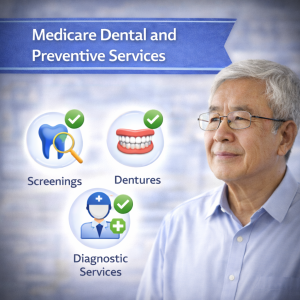
medicare dental and preventive services

The Role of Preventive Services

Preventive services in dental care are critical for maintaining oral health, especially for seniors.

Regular dental visits can help catch problems early, saving both discomfort and costs in the long run. These services typically include routine check-ups, cleanings, and x-rays, aimed at detecting issues before they escalate.

However, understanding the relationship between Medicare and preventive dental services is essential, as traditional Medicare doesn’t usually cover routine dental care.

Exploring Medicare Advantage options may offer some individuals broader access to these vital services.

This section will explain why regular check-ups are crucial and how they contribute to overall health.

Why Regular Check-Ups Matter

Regular dental check-ups are a vital component of maintaining both oral and overall health, particularly for seniors.

Preventive services like routine examinations and professional cleanings play a critical role in catching dental issues early, preventing more severe problems down the road.

These check-ups often include examinations of the teeth, gums, and mouth tissues, highlighting any signs of diseases such as cavities, gum disease, or even early indications of oral cancer.

While standalone Medicare plans might not cover these services, some Medicare Advantage plans offer coverage for preventive services, making it easier for seniors to engage in routine dental care without worrying about substantial out-of-pocket costs.

Medicare’s traditional approach doesn’t typically extend to regular dental check-ups, placing the onus on seniors to find suitable coverage options elsewhere.

Medicare Advantage plans, often referred to as Medicare Part C, are designed by private insurance companies to provide additional health benefits not covered by original Medicare, with many including dental services like preventive check-ups.

This means that for seniors, selecting a dental plan that encompasses these services can be incredibly beneficial in minimizing long-term dental expenses.

Regular check-ups help avoid unexpected dental care costs by addressing issues like cavities or gum disease before they progress into more expensive dental treatments requiring specialized restorative services.

The importance of preventive dental care goes beyond oral health.

Studies have shown that maintaining good dental hygiene can lower the risk of more serious health conditions such as heart disease and diabetes, illustrating the interconnectedness of oral health with overall health.

Regular check-ups and cleanings are essential services to help monitor and maintain this balance. For seniors relying on Medicare, exploring plans that offer coverage for these preventive services ensures they can access necessary care without financial strain.

As effective management of oral health improves general well-being, it becomes clear why prioritizing these services through comprehensive Medicare Advantage plans can be a wise decision.

Consider entering your zip code to explore the dental plan options tailored to your location and find coverage that best meets your dental care needs over the long term.

Find & Compare Plans Online

Speak with a licensed insurance agent

1-833-667-3396TTY 711

Mon-Fri: 8am-9pm ET

Exploring Extensive Dental Procedures

For seniors navigating Medicare, understanding dental coverage options can be crucial, especially when it comes to extensive dental procedures like crowns and dentures.

These procedures often come with higher costs, making coverage essential to avoid financial strain. Dental benefits under different Medicare plans can vary widely, impacting decision-making.

As you delve deeper, you’ll discover the specifics of coverage for these extensive dental treatments and how they align with various plan offerings, empowering you to make informed choices about your dental care needs.

Coverage for Crowns and Dentures

Crowns and dentures are common dental treatments that many seniors require, often at a high cost. Typically, traditional Medicare does not provide coverage for these extensive dental services, as it mainly focuses on medical needs rather than dental care.

However, understanding the different options available for dental coverage can significantly impact your budget and care decisions. Medicare Advantage plans, also known as Part C, often step in to fill the gap left by Original Medicare.

These plans are offered by private insurers and frequently include additional benefits not found in Original Medicare, which may cover some or all costs associated with crowns and dentures.

The key to finding which plan might suit your needs involves closely examining the details of each Medicare Advantage plan.

These plans can differ drastically, not only in terms of coverage for crowns and dentures but also in benefits for other treatments such as endodontic services.

Since dental care needs may align differently from one individual to another, it’s beneficial for seniors to carefully review each plan’s details.

Some plans might offer comprehensive coverage, including preventive services, partly covered treatments, or even specialized services that Original Medicare doesn’t cover. As such, it’s important to explore plans that align with your specific needs.

Given that crowns and dentures fall under the umbrella of extensive dental procedures, cost-sharing arrangements can also differ greatly between plans.

While some Medicare Advantage plans may offer a broader network of dental providers and more generous terms for these services, others might present higher out-of-pocket costs or more limited options for selecting a dentist.

The terms might include specific conditions, such as waiting periods or an annual maximum, which could affect how soon and how much you can claim. It’s worthwhile to consider these elements when selecting a plan, especially if you know you will need extensive dental procedures soon.

Another consideration is how dental care under these plans ties into your overall health plan. Dental health is not an isolated aspect of overall health, and maintaining good dental care can positively affect other health areas.

For seniors, proactive dental management through Medicare Advantage plans that cover extensive dental procedures can prevent future complications and costs.

To ensure you’re making the best decision, it’s always advantageous to consult with dental insurance educators or resources that can clarify the nuances of each plan, ultimately helping you find a plan that balances both dental benefits and costs effectively.

Enter your ZIP code now to explore the options available in your area and find a plan tailored to your needs, ensuring confidence in your dental health decisions.

To effectively complement the discussion on crowns and dentures coverage, here are some factors to consider when evaluating Medicare Advantage plans:

  • Investigate the network of dental providers associated with each plan.
  • Compare out-of-pocket expenses for crowns and dentures across different options.
  • Understand the implications of waiting periods on your coverage start date.
  • Check the maximum coverage limit for dental procedures each year.
  • Review if preventive and specialized services are included in the plan.
  • Evaluate how well dental and overall health benefits integrate within the plan.
  • Ensure the plan addresses your individual dental care needs and preferences.

These considerations will assist in making informed decisions about your dental coverage options.

What Medicare Doesn't Cover

While Medicare provides essential health coverage, it often leaves gaps in dental care, which can confuse seniors. Knowing what’s not covered helps prepare for unexpected costs.

Some services, especially those deemed non-essential, are commonly excluded from coverage.

Understanding these exclusions ensures seniors aren’t caught off guard with expenses. This section will detail typical aspects Medicare doesn’t cover, aiding in identifying the necessary coverage or alternative plans to consider for full dental health coverage.

By recognizing these gaps, seniors can make more informed decisions about their dental care needs.

Common Exclusions to Be Aware Of

When examining common exclusions in Medicare dental plans, it’s important to recognize the types of dental treatments frequently lacking coverage.

While Medicare can provide extensive advantages in many areas, general dental care often doesn’t fall under this umbrella.

Excluded dental procedures usually encompass routine dental care such as check-ups, cleanings, and fillings, which specific Medicare plans might not cover at all.

This lack of coverage can surprise seniors who expect more comprehensive benefits, necessitating a proactive approach in seeking additional dental plans or Medicare Advantage options that specifically include these benefits.

Understanding these exclusions is crucial as it impacts how seniors plan for their dental health needs and manage potential expenses.

Another significant category of excluded dental procedures includes extensive treatments like crowns and dentures.

While advantageous for overall health, these services are often viewed as non-essential medically, thus often excluded from traditional Medicare coverage.

This exclusion means seniors may need to look into additional dental coverage options, such as enrolling in a Medicare Advantage plan that offers specific benefits for these advanced treatments.

These plans may provide added coverage advantages for dental services, aiding those who require such procedures.

However, navigating the myriad of options requires a careful examination of what each plan offers to ensure they align with personal dental health needs.

It’s also worth noting that issues relating to cosmetic enhancements fall under excluded dental categories.

Procedures that are primarily for cosmetic purposes, such as teeth whitening or veneers, are generally not covered because they’re not considered medically necessary.

These exclusions serve as a reminder for seniors to carefully check the specifics of their dental plans under Medicare, as understanding these omissions helps in crafting a more suitable strategy for addressing one’s dental care within the constraints of available plans.

By identifying these common exclusions, seniors are better equipped to seek the right coverage that aligns with their particular needs, ensuring comprehensive dental health without unexpected financial strains.

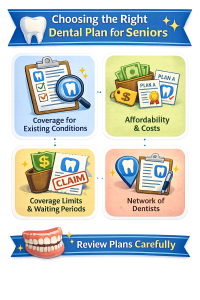
choosing the right dental plan seniors

Finding the Right Dental Care Plan

Choosing the right dental care plan requires understanding the complex landscape of Medicare and dental coverage options.

Whether you’re considering traditional Medicare, Medicare Advantage, or standalone dental plans, it’s essential to weigh the benefits and costs associated with each.

Coverage varies widely, from basic preventive services to more comprehensive care like crowns and dentures.

By comparing services and examining plan specifics, you can align your dental needs with the right insurance option, ensuring both affordability and access to necessary dental care.

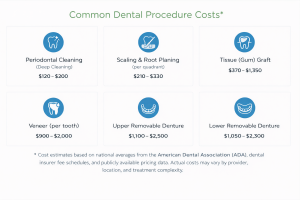
common dental procedures and cost

Comparing Services and Costs

When it comes to comparing services and costs in dental plans, the first step is understanding the scope of coverage offered by each type of plan.

Medicare, in its traditional form, typically doesn’t cover routine dental services like cleanings or check-ups, which can be a surprise to many. This gap in coverage makes it crucial for seniors to explore additional options if they want these preventive services covered.

Medicare Advantage plans, alternatively known as Medicare Part C, can be more inclusive as they often bundle dental care with other healthcare services, providing a more comprehensive package.

It’s always important to scrutinize the details, as each Medicare Advantage plan might offer different coverage for dental services, ranging from basic cleanings to advanced procedures like dentures and crowns.

Cost is equally important when comparing dental plans. Premiums, co-pays, and deductibles can vary significantly from one plan to another.

Medicare Advantage plans, for instance, might have a lower premium but higher out-of-pocket costs for specific services. On the other hand, specialized dental plans could have higher premiums but lower costs at the point of service.

Understanding these financial dynamics requires a close look at the overall cost structure that each plan offers. Some might offer benefits that justify higher initial spending by reducing significant expenses down the line, especially if extensive dental work is anticipated.

This detailed comparison helps in making informed decisions that align with your financial and dental health needs.

Another aspect to consider when comparing is the network of doctors and facilities associated with each plan, as this significantly impacts service accessibility.

Some plans may have a robust network of dental care providers, whereas others might restrict your choice to a few locations or practitioners. Ensuring that your preferred dentist participates in the network can save time and potential out-of-network costs, which can be substantial.

Additionally, when examining Medicare Advantage plans, consider any additional perks they might offer, such as discounts on related services or complimentary dental health resources, which could be beneficial in maintaining oral health over time.

Finally, understanding each plan’s claims process and how they manage benefits is crucial. Streamlined claims and prompt reimbursement can make a significant difference in how manageable your dental care expenses are over time.

A straightforward process reduces the stress and time commitment required to handle unexpected dental issues.

Seniors should evaluate different providers based on feedback or experiences from others in their network, or consult with a knowledgeable dental insurance educator to guide them through this labyrinth of options.

These steps will empower seniors to find a dental care plan that is both effective and economical, supporting their overall well-being. Enter your ZIP code to explore options in your area and find a dental plan tailored to your needs.

Understanding how Medicare dental plans work helps you make informed choices about your oral health coverage. Examining the benefits and common exclusions ensures you find a plan that fits your needs.

Remember, coverage details often vary by plan and location, so it’s helpful to research and compare your options. Feel empowered to enter your ZIP code on our site to explore dental insurance options tailored to your area.

This way, you can feel confident about choosing a dental plan that best addresses your specific concerns and coverage requirements.

Compare Dental Plans

Frequently Asked Questions

Does Medicare cover routine dental care?

Traditional Medicare typically does not cover routine dental care, such as check-ups, cleanings, and fillings. Seniors often explore additional plans like Medicare Advantage for these benefits.

What dental services can Medicare Advantage plans offer?

Medicare Advantage plans, offered by private insurers, often include dental coverage for services like routine check-ups, cleanings, crowns, and sometimes dentures. The specifics can vary by plan.

Are there dental services that Medicare plans generally exclude?

Common exclusions under Medicare include routine check-ups, cleanings, and extensive procedures like crowns and dentures. Cosmetic procedures are also generally excluded.

Why is preventive dental care important for seniors?

Preventive dental care, including regular check-ups and cleanings, is essential for maintaining oral health and can prevent more severe health issues, such as heart disease and diabetes.

How can seniors select the right Medicare dental plan?

Seniors should compare the benefits, costs, provider networks, and exclusions of different plans. Understanding these factors helps in selecting a plan that meets their dental care needs.

Have Questions?

Speak with a licensed insurance agent

1-833-667-3396

TTY users 711

Mon-Fri: 8am-9pm ET

Find & Compare Plans Online

Speak with a licensed insurance agent

1-833-667-3396TTY 711

Mon-Fri: 8am-9pm ET

ZRN Health & Financial Services, LLC, a Texas limited liability company