Limitations of Dental Coverage under Medicare

Medicare is essential for seniors, but when it comes to dental benefits, there are important limitations to understand.

Traditional Medicare usually doesn’t cover routine dental care, such as cleanings, fillings, or dentures, leaving many beneficiaries looking for other options.

This webpage explores these gaps, helping seniors identify what Medicare covers and what it doesn’t. By examining the limitations, seniors can explore additional coverage options that may better suit their needs.

Understanding these details can make a significant difference in managing dental health without unexpected costs.

Key Highlights

  • Original Medicare generally does not cover routine dental care like cleanings, fillings, or dentures.
  • Medicare Advantage plans may include additional dental benefits covering exams and cleanings.
  • Many seniors explore Medicare Advantage or standalone dental plans for more comprehensive coverage.
  • Understanding cost-sharing elements like deductibles aids in budgeting for dental treatments.
  • Reviewing plan networks ensures preferred dentists are covered, reducing out-of-pocket expenses.

Compare Dental Plans

Understanding Medicare and Dental Coverage

Many seniors wonder if their dental needs are covered under their Medicare plan. While Medicare offers a range of medical services, dental coverage isn’t always straightforward.

Original Medicare generally focuses on medical, rather than dental, services. However, it does pay for certain Medicare-covered services related to dental procedures in specific circumstances.

With the rise of Medicare Advantage plans, some beneficiaries might find dental options more comprehensive.

Understanding the limits and possibilities of what Medicare and Medicare Advantage plans cover is essential for maintaining good oral health and ensuring your dental needs are met efficiently.

What Medicare Covers for Dental Needs

Original Medicare, comprising Part A and Part B, typically does not cover routine dental care such as cleanings, fillings, or dentures.

Medicare’s focus is primarily on medical needs, aiming to support beneficiaries’ overall health while generally excluding extensive dental services.

Nevertheless, Medicare will cover dental services if they are necessary due to other Medicare-covered services, like certain hospital-related procedures.

For instance, if you require a dental exam before a heart surgery, that exam might be covered under Medicare Part A if performed in a hospital setting.

Unfortunately, these situations are relatively rare, reflecting Original Medicare’s limited dental coverage.

For more robust dental benefits, many seniors turn to Medicare Advantage plans, also known as Medicare Part C. These plans, offered by private insurance companies, often include additional benefits like dental, vision, and hearing coverage.

These Medicare Advantage plans vary widely in the dental services they cover, from preventive services like exams and cleanings to more extensive dental procedures.

It’s important for beneficiaries to carefully compare these plans, considering their specific oral health needs and budget.

Make sure to read each plan’s details to understand the covered dental services and any associated costs, helping you find a plan that truly meets your dental care needs.

Common Limitations in Medicare Dental Coverage

Understanding the common limitations in Medicare’s dental coverage is essential for beneficiaries seeking comprehensive oral health care. Original Medicare, which includes Part A and Part B, rarely covers dental services, focusing instead on medical needs.

This means routine dental procedures and many oral health services are often excluded. While Medicare Advantage plans can offer some dental coverage, understanding their limits is crucial.

It’s important to compare the nuances of each plan, as dental needs vary greatly among beneficiaries. Let’s delve into which dental services are typically excluded under Medicare and how these limitations can impact your healthcare planning.

Exploring Preventive Services Under Medicare

Services That Medicare Typically Excludes

Medicare’s approach to dental coverage can leave many beneficiaries in a quandary when it comes to everyday dental care. Routine services such as cleanings, exams, fillings, and dentures are typically not covered by Original Medicare.

This exclusion extends to preventive care that is essential for maintaining oral health over the long term. For many beneficiaries, this limitation presents challenges, especially when considering the significance of oral health in overall wellness.

If you require regular dental check-ups or treatment for common issues like cavities, you may find yourself with unexpected out-of-pocket expenses.

Coverage limitations under Medicare mean that essential services aren’t routinely funded. Instead, coverage for dental services is often only provided in specific scenarios, such as when dental work is integral to a covered medical procedure.

For instance, a dental exam needed before a major surgery might be covered if it falls under Medicare Part A, particularly if it’s involved in a hospital setting. However, this integration of dental services is an exception rather than the rule.

Medicare’s separation of medical and dental insurance can lead to significant gaps in dental coverage, pushing many to seek alternative solutions.

To address these gaps, beneficiaries often look to Medicare Advantage plans, which may offer more comprehensive dental coverage. However, even these plans carry their limitations.

It’s crucial to understand the extent and nature of the covered dental services, as well as the potential costs involved, in effectively planning for your oral health needs.

Given these complexities, it’s vital for beneficiaries to thoroughly research and evaluate all available options to ensure they can access the dental care they require.

Exploring Preventive Services Under Medicare

Medicare can be a bit difficult to understand, especially when it comes to preventive dental services. Although Original Medicare primarily targets medical care, its approach to dental services often leaves room for doubt.

Medicare beneficiaries typically find that common preventive services like cleanings and check-ups are not covered. Thankfully, Medicare Advantage plans offer a solution, providing greater dental coverage.

It’s crucial to recognize how these preventive services differ from other covered services and to explore the variety of dental options available. Let’s dive into how Medicare approaches these essential oral health services.

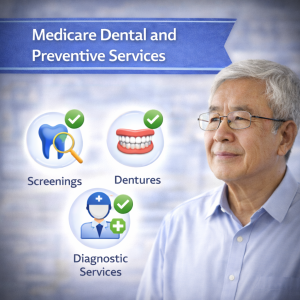
preventive dental services list

How Preventive Services Differ in Coverage

When it comes to dental services, particularly preventive services, the coverage under Medicare can vary significantly. Original Medicare doesn’t routinely cover dental services, focusing instead on medical needs.

This exclusion means that preventive services like check-ups, cleanings, and basic screenings typically fall outside coverage. On the other hand, Medicare Advantage plans start to fill this gap by offering coverage for preventive dental services.

These plans, offered by private insurers, often include benefits like exams and cleanings that Original Medicare doesn’t cover, helping maintain good oral health among beneficiaries.

It’s important to understand that not all Medicare Advantage plans offer the same level of dental coverage. Some plans may only cover basic preventive services, leaving more extensive dental needs unmet or at the policyholder’s expense.

So, when choosing a plan, it’s crucial to thoroughly assess the covered services to ensure they align with your dental needs.

Besides, each Medicare Advantage plan may impose certain terms on preventive services, such as specific providers or frequency of visits, which should be considered.

The distinction between what is considered a covered service under Medicare and what needs additional coverage is key to managing oral health effectively.

As Medicare beneficiaries explore their options, understanding these differences becomes imperative. Reviewing plan specifics ensures that preventive care, significant for maintaining overall health, is attainable.

With careful research, finding a plan that meets both medical and dental needs becomes a more achievable goal.

By entering your ZIP code on our site, you can easily compare the options available in your area and make informed decisions about your dental coverage needs.

Find & Compare Plans Online

Speak with a licensed insurance agent

1-833-667-3396TTY 711

Mon-Fri: 8am-9pm ET

Options for Medicare Beneficiaries Seeking Dental Care

Medicare beneficiaries often face challenges when it comes to dental care, as Original Medicare offers limited dental coverage. Fortunately, there are alternative plans available that can help seniors meet their oral health needs.

Medicare Advantage plans, for example, often include additional dental benefits. Additionally, there are standalone dental plans and discount programs that can provide further options.

Understanding these alternatives is essential for finding a plan that matches both personal preferences and budgetary constraints, ensuring that dental care is both accessible and affordable for Medicare beneficiaries.

Alternative Plans and Programs Available

For Medicare beneficiaries seeking extensive dental coverage, several alternative plans and programs can be of assistance.

Medicare Advantage plans, also known as Medicare Part C, are a popular choice since they often provide more comprehensive dental benefits compared to Original Medicare.

These advantage plans are offered by private insurance companies and may cover a range of services, from routine cleanings to more complex procedures, such as crowns or dentures.

It’s important for beneficiaries to examine these plan options carefully, as the coverage details and associated costs can vary significantly.

Beyond Medicare Advantage, standalone dental plans are another viable option for enhancing dental coverage. These plans, separate from Medicare, offer tailored benefits that focus exclusively on oral health care needs.

They can cover preventive services and more extensive dental treatments, providing flexibility and additional protection against out-of-pocket expenses.

Additionally, dental discount plans serve as an alternative, offering reduced rates on a range of dental services through partnership arrangements with specific dental care providers.

Researching these options thoroughly ensures that Medicare beneficiaries can find a dental plan or program that fits well with their expectations.

With the availability of these options, seniors can better manage their oral health, reducing unexpected costs and ensuring that their needs are met.

Entering your ZIP code on our site can help you explore available plans in your area, aiding in the decision-making process to find suitable coverage. Stay informed and proactive about your dental care options, especially when considering your needs and budget.

To further help Medicare beneficiaries navigate their dental care options, here are some key considerations to keep in mind:

  • Assess the network of dental providers connected to each plan.
  • Compare monthly premiums and out-of-pocket costs between plans.
  • Review annual or lifetime coverage limits and exclusions.
  • Investigate customer reviews and satisfaction ratings of insurers.
  • Evaluate the ease of access to specialists for dental procedures.
  • Research additional benefits, such as orthodontics or cosmetic dentistry.
  • Check for any required waiting periods before full benefits take effect.

By considering these factors, beneficiaries can make well-informed choices for their dental care needs.

The Role of Cost Sharing in Dental Plans

Cost sharing is a fundamental aspect of dental plans, playing a significant role in how Medicare beneficiaries manage their financial responsibilities.

By understanding the nuances of plans like Medicare Advantage and traditional insurance, individuals can better prepare for their oral health needs.

Cost-sharing mechanisms such as deductibles and coinsurance influence how much beneficiaries need to pay out of pocket for dental services.

It’s essential to grasp how these elements work to ensure effective budgeting for dental care. Knowing these intricacies helps beneficiaries make informed decisions on choosing the right plan that aligns with both needs and costs.

Understanding Your Financial Responsibility

Grasping your financial responsibility under different dental plans involves understanding key terms like coinsurance, deductible, and cost-sharing.

These aspects significantly affect the overall cost that a Medicare beneficiary will need to pay for their dental needs. For many, coinsurance requires paying a percentage of the dental service cost, often ranging from 20% to 50%, depending on the plan and service.

The deductible, on the other hand, is the amount beneficiaries pay before the insurance plan starts paying its share. Knowing these details helps plan costs effectively, avoiding surprises when receiving dental care services under Medicare coverage.

For Medicare beneficiaries, understanding the financial responsibilities in dental plans is crucial. While Original Medicare’s coverage of dental services is limited, Medicare Advantage plans may offer more robust options but also involve cost-sharing components.

A key point to note is that these plans might have varying cost structures that could affect out-of-pocket expenses.

It can be helpful to compare multiple plans, keeping an eye on the balance between premiums and potential costs for services like exams, cleanings, and more complex procedures.

Ultimately, knowing what you’ll have to pay allows for better financial planning and ensures that dental care remains accessible.

By evaluating the cost-sharing features of available plans, beneficiaries can select an option that aligns with their oral health needs and financial circumstances.

A careful comparison of these factors empowers seniors to make informed decisions about their dental coverage, minimizing financial strain and maximizing healthcare value.

Extensive Dental Treatments and Medicare

Extensive Dental Treatments and Medicare

When it comes to extensive dental treatments, understanding Medicare’s limitations is essential. Medicare, in its original form, generally doesn’t cover extensive dental procedures.

The focus remains on essential medical care, leaving significant gaps for those needing more intensive dental work. However, Medicare Advantage plans can sometimes fill these gaps, offering additional coverage that expands beyond original Medicare’s scope.

For beneficiaries seeking comprehensive oral health care, navigating these options and understanding what is included in these plans is critical. Let’s delve into considerations for more complex dental procedures under Medicare.

Considerations for More Complex Procedures

When considering more complex dental procedures, Medicare beneficiaries should be aware of certain limitations and options available to them.

Extensive dental treatments often include procedures like crowns, root canals, and dental implants, which Original Medicare typically does not cover as they fall outside the realm of medical necessity defined by Medicare.

Instead, Medicare only covers dental services when they are linked to a medical procedure.

For example, certain oral surgeries required for medical treatments, like reconstructive surgery after an accident, might become eligible under Medicare Part A if performed in a hospital setting. However, these instances are rare and specific.

For those needing extensive dental work, Medicare Advantage plans present an alternative. These plans, offered by private insurers, generally provide more extensive dental coverage but vary widely in terms of services and costs.

They might cover preventive care and some extensive treatments to a degree, though beneficiaries must carefully assess these plans for details on what dental services are covered and how costs are shared.

Comparing plans based on the specific oral health needs and financial conditions is crucial for effective budgeting and healthcare planning.

There’s also the option of standalone dental insurance or discount dental programs, which might cater specifically to complex dental needs and can be paired with Medicare coverage to ensure comprehensive oral health care.

Finding the Right Plan for Your Dental Needs

Searching for the ideal dental plan can be a straightforward process with the right approach. Understanding how plans work, including insurance options through Medicare Advantage and standalone dental coverage, is the first step.

Taking time to evaluate dental services, costs, and doctor networks will help you select a plan tailored to your oral health needs.

Whether it’s covering extensive dental procedures or routine care, exploring various Medicare and private plans will guide you toward cost-effective solutions that ensure you’re covered for the services you need.

Steps to Evaluate and Compare Options

Evaluating dental plans requires a methodical approach, especially for Medicare beneficiaries. First, start by listing the dental services you regularly need, such as exams, cleanings, or specific treatments.

This will help identify whether the plan covers essential dental needs or preventive care.

Compare Medicare Advantage plans and private insurance options side by side, ensuring you understand what’s covered under each and the associated cost-sharing requirements.

Pay attention to deductibles, copayments, or coinsurance as these factors will impact your budget directly.

Speaking of Medicare beneficiaries, it’s crucial to understand the nuances of Medicare Advantage plans that might include dental benefits.

Unlike Original Medicare, these plans often cover more extensive dental needs, significantly benefiting individuals requiring specific oral health services. As you compare, consider the networks of covered providers.

Ensuring your preferred dentist is within the plan’s network could save costs and avoid out-of-pocket expenses for out-of-network services.

When evaluating options, don’t forget to utilize tools and resources that allow you to enter your ZIP code to personalize your search, as availability and costs can vary by location.

Additionally, keep an eye on the fine print of each plan. Look for details about waiting periods for certain procedures, coverage limitations, and exclusions that might affect your choice.

By thoroughly comparing these aspects, you can make informed decisions that fit your health needs and financial circumstances, resulting in optimal dental coverage.

Understanding the limitations of dental coverage under Medicare is vital for making informed decisions about your dental health. As dental benefits can vary widely and may not cover all procedures, it’s important to review your options carefully.

Exploring supplemental dental insurance could help bridge coverage gaps. Remember, by entering your ZIP code on our website, you can compare tailored dental insurance options in your area.

This allows you to choose a plan that best fits your needs and budget, ensuring you have access to the dental care essential to your overall well-being.

Compare Dental Plans

Frequently Asked Questions

What dental services does Original Medicare cover?

Original Medicare, which includes Part A and Part B, typically does not cover routine dental services such as cleanings, fillings, or dentures. It focuses mainly on medical needs and usually excludes extensive dental procedures. However, it may cover certain dental services if they are necessary for certain Medicare-covered medical procedures performed in a hospital setting.

Can Medicare Advantage plans include dental coverage?

Yes, Medicare Advantage plans, also known as Medicare Part C, often include additional benefits such as dental, vision, and hearing coverage. These plans, offered by private insurance companies, may cover a range of dental services from preventive care like exams and cleanings to more extensive procedures.

What should I consider when choosing dental coverage?

When evaluating dental coverage, consider factors such as the types of services covered, the costs involved including premiums and co-payments, and the network of available dental providers. It’s important to understand the plan details to ensure it aligns with your specific dental needs and budget.

Are there alternatives to Medicare Advantage for more comprehensive dental coverage?

Absolutely. Besides Medicare Advantage plans, seniors can explore standalone dental insurance plans or dental discount programs. These options can provide additional coverage for preventive services and other dental treatments, offering flexibility and potentially reducing out-of-pocket expenses.

How does cost-sharing work with dental plans?

Cost-sharing under dental plans typically involves mechanisms such as deductibles, copayments, and coinsurance, which determine how much a beneficiary needs to pay out-of-pocket for services. Understanding these elements is crucial for budgeting dental care effectively and avoiding unexpected costs.

Have Questions?

Speak with a licensed insurance agent

1-833-667-3396

TTY users 711

Mon-Fri: 8am-9pm ET

Find & Compare Plans Online

Speak with a licensed insurance agent

1-833-667-3396TTY 711

Mon-Fri: 8am-9pm ET

ZRN Health & Financial Services, LLC, a Texas limited liability company