Medicare Dental Plans for low Income Seniors

Understanding dental insurance options can be challenging for seniors, especially when on a fixed income. Medicare doesn’t typically cover dental care, but seniors can explore various programs that provide assistance.

Some plans offer reduced costs for essential services such as cleanings, fillings, and dentures. These options can help lower-income seniors find affordable dental care tailored to their needs.

This guide will explain different plans, what they cover, and how to find one that fits personal circumstances. Let’s explore the available options to help you maintain a healthy smile.

Key Highlights

  • Medicare doesn’t cover routine dental services; private plans can fill this gap.
  • Medicare Advantage offers dental benefits but varies widely in coverage.
  • Low-income seniors should explore additional resources like Medicaid for dental aid.
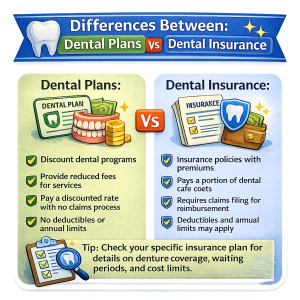
  • Standalone dental plans provide focused dental care coverage, independent of health plans.
  • Network flexibility and cost-effectiveness are crucial when choosing dental insurance.

Compare Dental Plans

Understanding Medicare and Dental Insurance

Navigating Medicare and dental insurance options can feel complex, especially for seniors seeking clarity on how these plans mesh.

It’s crucial to understand how Medicare relates to dental care, as well as the factors that low-income seniors should consider when exploring options.

Not only does Medicare impact the dental coverage available, but it also determines how costs and services are managed. Learning these aspects helps seniors make informed decisions, ensuring they receive the dental care needed without unnecessary financial strain.

Let’s delve deeper into Medicare’s connection to dental insurance and specific considerations for low-income individuals.

medicare advantage explained

How Medicare Relates to Dental Insurance for Seniors

Medicare is a vital component of healthcare for many seniors, yet it surprisingly offers limited dental benefits. Original Medicare, which includes Part A and Part B, does not typically cover routine dental services such as checkups, cleanings, or fillings.

This can be concerning for seniors who require regular dental care. However, there are exceptions where Medicare might cover dental expenses if they’re related to a hospital stay or specific medical procedures.

Understanding these nuances is key for seniors who rely on Medicare.

To bridge the gap, many seniors turn to Medicare Advantage plans. These plans, also known as Part C, are offered by private insurance companies and often include additional dental benefits alongside standard medical coverage.

While these plans can offer some relief, the extent and type of dental services covered can vary widely. It’s important for seniors to review each plan’s specifics to determine if the dental services align with their needs.

Network restrictions also come into play. Dental care within a Medicare Advantage plan often requires using network dentists, which can limit choices.

Moreover, each plan has different rules regarding dental payments, potentially leading to out-of-pocket expenses for certain procedures. Therefore, seniors should carefully compare plan options and networks before deciding.

With this knowledge, they can confidently navigate their dental coverage under Medicare and seek out supplemental policies if necessary.

Key Considerations for Low Income Seniors

For low-income seniors, the cost of dental care can be a significant burden. Understanding their Medicare coverage and exploring viable options becomes crucial. Those with financial constraints should evaluate additional resources available alongside Medicare.

State-run programs and other benefits can sometimes offer supplemental dental coverage or assist with expenses, ensuring seniors receive necessary care without substantial costs.

Additionally, it’s important for low-income seniors to investigate their eligibility for programs like Medicaid, which can provide enhanced dental benefits in some states.

Medicaid’s coverage for dental services often varies, so understanding state-specific policies is vital. This can lead to substantial savings on routine dental procedures and even more extensive treatments.

Another strategic step is considering dental plans specifically designed to supplement existing Medicare benefits. These plans can offer more comprehensive dental coverage while being mindful of cost.

However, seniors must examine deductibles, service scope, and potential network limitations. By combining Medicare with additional insurance or programs, seniors can access the services they need in a financially viable way.

Exploring these options thoroughly enables low-income seniors to maintain oral health without overwhelming expenses.

To further assist low-income seniors in navigating their dental care options, here are actionable steps they can take:

  • Investigate community health centers offering low-cost or sliding scale dental services in your area.
  • Explore non-profit organizations that provide free or reduced-cost dental care.
  • Look into dental schools where supervised students perform services at a lower cost.
  • Ask local dental professionals about in-house membership plans for patients without insurance.
  • Research state-specific Medicaid benefits to maximize available dental services.
  • Consider joining a dental savings plan to receive discounts on treatments.
  • Contact senior advocacy groups for guidance on affordable dental care resources.

These measures can help seniors access necessary dental care without straining their finances.

Dental Coverage Options Under Medicare

While Medicare plays a fundamental role in senior healthcare, its coverage for dental services is limited. Seniors must explore options to fill the gaps in dental care under Medicare.

Understanding the types of plans available, including Medicare Advantage and standalone dental insurance, helps seniors access necessary services without unexpected costs.

Let’s look at why dental insurance is critical for seniors and the variety of dental plans available to them, ensuring they receive comprehensive care tailored to their unique needs.

Dental Insurance is Important

Why Dental Insurance is Important for Seniors

Dental health is an integral part of overall well-being, especially for seniors. As we age, dental care becomes crucial, not only for maintaining oral hygiene but also for preventing health complications linked to dental issues.

Seniors often face challenges like increased susceptibility to gum disease, tooth decay, and the need for procedures like dentures and implants.

Unfortunately, Original Medicare does not cover routine dental procedures, leaving seniors to fend for themselves when they need routine checkups or specific treatments.

This is where dental insurance steps in as a protective layer, providing necessary coverage for preventive services, thus avoiding more costly interventions later.

Diving deeper into the significance of dental insurance, it offers seniors a safety net against unexpected dental expenses. Given that Medicare plans generally do not include dental benefits, having a standalone dental insurance policy becomes critical.

These plans can provide coverage for various services, from cleanings and X-rays to more complex procedures such as root canals or crowns. Having dental insurance allows seniors to keep their dental care consistent and predictable in terms of cost.

It helps manage any dental issues proactively rather than reactively, which could lead to a healthier life and potentially prevent related health issues stemming from poor oral health.

In addition, dental insurance also offers peace of mind. Knowing that insurance covers a significant portion of dental expenses means seniors can focus on maintaining their health without the anxiety of looming large bills.

Access to dental care not only improves the quality of life but also enhances confidence, which is so valuable in one’s later years. Thus, it becomes clear that dental insurance is not just an optional add-on but an essential part of a holistic health approach for seniors.

Find & Compare Plans Online

Speak with a licensed insurance agent

1-833-667-3396TTY 711

Mon-Fri: 8am-9pm ET

Understanding Dental Plans Available to Seniors

The landscape of dental plans available to seniors is diverse, providing options to cater to varied needs and budgets. For seniors relying on Medicare, exploring supplemental dental options becomes essential due to the limited coverage offered by traditional plans.

One prominent option is the Medicare Advantage plan, which often includes additional dental benefits.

These plans, offered by private insurance companies, can cover preventive services and may even offer discounts on procedures like crowns and bridges, although specifics can differ greatly between providers.

Seniors are encouraged to assess each Medicare plan to ensure it meets their specific dental needs, considering both coverage and network providers.

Standalone dental plans are another viable option, designed to supplement the limited oral health benefits provided by Medicare. These plans typically cater to coverage for routine exams, cleanings, and basic procedures like fillings.

Moreover, some standalone dental plans extend their benefits to cover more extensive dental work, such as dentures or oral surgery, making them an appealing choice for seniors with particular needs.

It’s vital to note that while these plans can provide robust coverage, they often come with network restrictions, meaning seniors must select from approved lists of dentists.

For low-income seniors, eligibility for state-run programs like Medicaid can be a turning point. Medicaid often provides enhanced dental coverage, but it’s important to bear in mind that benefits can vary significantly by state.

Exploring these supplemental options is crucial for seniors looking to bridge the gap that Medicare leaves. Seniors should consider their financial circumstances, assess the cost-effectiveness of each option, and seek out plans that align with their health requirements.

By doing so, they can find a suitable solution that allows them to maintain dental health without undue financial stress.

Exploring Supplemental Dental Options

With Medicare’s limited dental coverage, seniors often need to explore supplemental options to access necessary dental care. Supplemental dental plans offer a bridge to cover services not included in standard Medicare offerings.

Whether it’s preventive care, restorative procedures, or specialist services, the right supplemental plan can make a significant difference.

We’ll delve into how these plans provide coverage, what to consider when choosing one, and why it’s essential for maintaining comprehensive dental care for seniors.

Let’s explore these supplemental dental options that can help seniors maintain their oral health without financial burden.

How Supplemental Dental Plans Can Help

Supplemental dental plans can play a crucial role in bridging the coverage gaps left by Medicare.

These plans are specially designed to provide additional coverage for routine dental services such as cleanings, exams, and fillings, which are typically not covered under Medicare.

For seniors, these are not just routine; they’re preventive measures that help avoid more serious health issues down the line. Preventive care is cheaper than treatments for advanced problems, making supplemental dental insurance a financially prudent option for many seniors.

Moreover, some supplemental plans extend beyond basic dental services to cover more extensive procedures. This can include crowns, root canals, dentures, and even dental implants.

By offering coverage for such procedures, supplemental plans help seniors avoid large out-of-pocket expenses. An added benefit of these plans is the flexibility they offer.

Seniors can choose plans that align with their specific needs, taking into account the types of procedures they anticipate needing, thus ensuring comprehensive coverage tailored to individual circumstances.

Another advantage of supplemental dental plans is the potential access to broader provider networks. Some standalone plans or those integrated into Medicare Advantage may restrict seniors to a limited network of dentists.

In contrast, supplemental plans often offer wider access, ensuring that seniors can select dentists they trust and prefer.

This network flexibility, combined with the tailored coverage options, makes supplemental dental insurance an indispensable resource for seniors needing dental care.

Ultimately, these plans are about providing peace of mind, knowing that coverage extends where Medicare doesn’t, and that necessary dental services are within financial reach.

Things to Consider When Choosing a Plan

Selecting a supplemental dental plan involves careful consideration of various factors to ensure that it meets both health and financial needs. First, understanding the scope of coverage is crucial.

Plans differ significantly in terms of services covered. Some might only cover basic preventive services, while others offer broader coverage that includes major procedures like crowns and bridge work.

It’s important for seniors to review the details of each plan against their anticipated dental needs.

Cost is another critical factor. Seniors must evaluate the premiums, deductibles, and copayments associated with each plan.

A plan with a lower monthly premium might seem appealing initially, but if it includes higher out-of-pocket costs for services, it might not be cost-effective in the long run, especially if frequent visits to the dentist are required.

Additionally, understanding any annual maximums, the cap on what the insurance will pay in a year, is essential. This helps seniors gauge their potential financial responsibility if they face multiple dental issues in a year.

Network availability is also a key consideration. It’s vital to check whether the preferred dentists are within the plan’s network, or if there’s flexibility to go out-of-network.

This choice impacts both the cost and the continuity of care, as network limitations can sometimes result in higher costs or necessitate a change in dentist. Finally, seniors should ponder the waiting periods often associated with dental insurance.

Some plans may have no waiting periods for preventive care, but might require a waiting period for more extensive services.

Understanding these components empowers seniors to select insurance options that best align with their dental care expectations and budget constraints.

a

Finding the Right Dental Insurance for Your Needs

Choosing the right dental insurance involves understanding various plans and how they fit your coverage needs. As a senior, finding a plan that complements Medicare’s limited dental coverage is crucial.

This exploration includes comparing options like standalone dental insurance and Medicare Advantage plans. It’s also essential to consider the benefits, costs, and network restrictions each option may present.

By thoroughly analyzing these aspects, seniors can ensure they select a plan that provides the necessary dental care services while effectively managing costs and accessing preferred providers.

Comparing Standalone Dental Insurance Plans

Standalone dental insurance plans are distinct options that seniors can consider alongside their existing Medicare coverage.

Unlike Medicare Advantage plans, which combine health and dental coverage, standalone dental plans focus solely on dental care services, making them an attractive choice for those seeking comprehensive coverage independent of health insurance.

These plans typically cover a range of services, including preventive care like cleanings and examinations, as well as more involved procedures such as fillings, crowns, and bridgework.

Understanding their advantages can help seniors decide if these plans suit their needs best.

One of the primary advantages of standalone dental plans is flexibility. They allow seniors to choose a policy based on specific dental needs rather than adapting to the broader coverage of a health plan.

This focus often results in fewer limitations when it comes to network providers. Unlike some Medicare-related options, standalone plans frequently offer competitive provider networks, giving seniors ample choice in selecting their preferred dentists.

Additionally, these plans are available in various cost structures, enabling seniors to balance their monthly premiums with the level of coverage they desire.

When comparing standalone dental plans, it’s important to analyze how the costs fit into a senior’s overall budget. Prospective enrollees should evaluate factors like premiums, deductibles, and copayments.

A plan with lower premiums might impose higher out-of-pocket expenses, especially for significant procedures. Therefore, assessing the likelihood of requiring advanced dental services plays a vital role in the decision-making process.

Many standalone plans have waiting periods for major services, requiring strategic planning to ensure coverage when needed without delay.

This detailed comparison not only aids seniors in selecting a dental plan but also empowers them to maintain their dental health with confidence and financial prudence.

Understanding Medicare dental insurance plans can seem complicated, but knowing your options can save you money and stress. Each plan can differ in cost and coverage, so it’s essential to compare what’s available in your area.

By taking a moment to enter your ZIP code on our website, you can explore various dental insurance options tailored to seniors with varying incomes. Remember, coverage and costs can change, so stay informed to make the best decision for your dental health needs.

Compare Dental Plans

Frequently Asked Questions

Why is dental insurance important for seniors?

Dental insurance helps seniors manage the cost of dental care, which can be significant, especially as dental needs increase with age. It typically covers preventive services like cleanings, which help avoid more costly procedures later. This can help reduce financial stress and maintain oral and overall health.

How does Medicare interact with dental insurance?

Original Medicare (Part A and B) generally does not cover routine dental services, but Medicare Advantage plans may include some dental benefits. These plans can vary significantly in terms of coverage, so it’s important to compare them based on individual needs.

What options are available for low-income seniors needing dental coverage?

In addition to exploring Medicare Advantage plans, low-income seniors might qualify for Medicaid, which can offer additional dental benefits in some states. State-run programs can also provide support, and standalone dental plans can offer targeted coverage.

What should seniors consider when choosing a dental insurance plan?

Seniors should consider the scope of coverage, costs including premiums and deductibles, network restrictions, and any waiting periods. It’s beneficial to match these factors against anticipated dental needs to find a cost-effective option.

How can seniors explore different dental insurance options?

Seniors can explore various dental insurance options by entering their ZIP code on educational resources like Bestdentalinsurance.org. This allows them to see what plans are available in their area and compare coverage and costs specific to their needs.

Have Questions?

Speak with a licensed insurance agent

1-833-667-3396

TTY users 711

Mon-Fri: 8am-9pm ET

Find & Compare Plans Online

Speak with a licensed insurance agent

1-833-667-3396TTY 711

Mon-Fri: 8am-9pm ET

ZRN Health & Financial Services, LLC, a Texas limited liability company