When it comes to comparing services and costs in dental plans, the first step is understanding the scope of coverage offered by each type of plan.
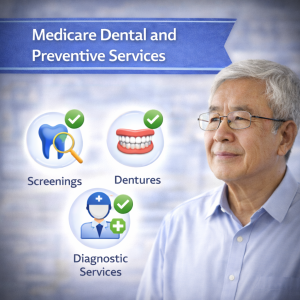
Medicare, in its traditional form, typically doesn’t cover routine dental services like cleanings or check-ups, which can be a surprise to many. This gap in coverage makes it crucial for seniors to explore additional options if they want these preventive services covered.
Medicare Advantage plans, alternatively known as Medicare Part C, can be more inclusive as they often bundle dental care with other healthcare services, providing a more comprehensive package.
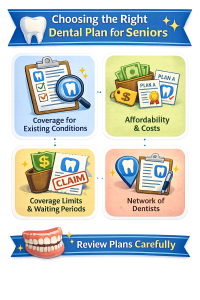
It’s always important to scrutinize the details, as each Medicare Advantage plan might offer different coverage for dental services, ranging from basic cleanings to advanced procedures like dentures and crowns.
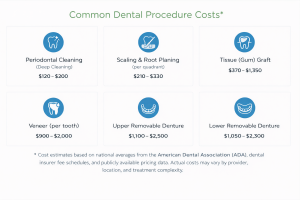
Cost is equally important when comparing dental plans. Premiums, co-pays, and deductibles can vary significantly from one plan to another.
Medicare Advantage plans, for instance, might have a lower premium but higher out-of-pocket costs for specific services. On the other hand, specialized dental plans could have higher premiums but lower costs at the point of service.
Understanding these financial dynamics requires a close look at the overall cost structure that each plan offers. Some might offer benefits that justify higher initial spending by reducing significant expenses down the line, especially if extensive dental work is anticipated.
This detailed comparison helps in making informed decisions that align with your financial and dental health needs.
Another aspect to consider when comparing is the network of doctors and facilities associated with each plan, as this significantly impacts service accessibility.
Some plans may have a robust network of dental care providers, whereas others might restrict your choice to a few locations or practitioners. Ensuring that your preferred dentist participates in the network can save time and potential out-of-network costs, which can be substantial.
Additionally, when examining Medicare Advantage plans, consider any additional perks they might offer, such as discounts on related services or complimentary dental health resources, which could be beneficial in maintaining oral health over time.
Finally, understanding each plan’s claims process and how they manage benefits is crucial. Streamlined claims and prompt reimbursement can make a significant difference in how manageable your dental care expenses are over time.
A straightforward process reduces the stress and time commitment required to handle unexpected dental issues.
Seniors should evaluate different providers based on feedback or experiences from others in their network, or consult with a knowledgeable dental insurance educator to guide them through this labyrinth of options.
These steps will empower seniors to find a dental care plan that is both effective and economical, supporting their overall well-being. Enter your ZIP code to explore options in your area and find a dental plan tailored to your needs.
Understanding how Medicare dental plans work helps you make informed choices about your oral health coverage. Examining the benefits and common exclusions ensures you find a plan that fits your needs.
Remember, coverage details often vary by plan and location, so it’s helpful to research and compare your options. Feel empowered to enter your ZIP code on our site to explore dental insurance options tailored to your area.
This way, you can feel confident about choosing a dental plan that best addresses your specific concerns and coverage requirements.