Dental Insurance for Implants Information

Understanding dental implant costs can be crucial for seniors considering this tooth replacement option. Dental insurance for implants may cover some expenses, generally focusing on parts of the procedure like crowns or abutments.

Coverage varies by plan, so it’s important to know what to expect before getting started.

This guide will help you understand how implant costs are addressed by dental insurance, what factors affect these costs, and how to explore different plan options to match your needs.

Explore how dental insurance works for implants and make informed decisions about coverage that’s right for you.

Key Highlights

  • Dental implants mimic natural teeth; they offer stability, durability, and help maintain jaw health.
  • Insurance coverage for implants is limited; many plans consider them elective and cover only parts of the procedure.
  • Factors such as bone density and additional procedures like bone grafting influence implant costs.
  • Explore dental plans, savings accounts, or financing options to manage implant expenses effectively.
  • Enter your ZIP code on our website to find dental insurance plans tailored to your location and needs.

Compare Dental Plans

Understanding Dental Implants

Dental implants offer a modern solution for tooth replacement, providing a stable and natural-looking result. These implants are often favored for their durability and ability to mimic natural teeth.

This overview covers essential aspects of dental implants, explaining why they’re preferred and what they entail. While considering dental implants, understanding costs and insurance coverage is crucial, as these factors can affect your decision-making process.

Exploring each facet of implants helps adults and seniors make informed choices about dental care and oral health, ensuring a balance between aesthetics and functionality.

What Are Dental Implants?

Dental implants are innovative oral health solutions designed to replace missing teeth with an approach that mimics natural tooth structure. They consist of a titanium post that acts as the root, surgically implanted into the jawbone.

Over time, the bone fuses with the implant, creating a stable foundation for a crown, bridge, or denture. This process is known as osseointegration, which ensures that the implant feels and functions like a natural tooth.

Implants can be used for single replacements or to support multiple teeth, making them versatile for various dental needs. One notable aspect of dental implants is their longevity.

Unlike traditional dentures, which might need replacement or adjustment over time, implants offer a more enduring solution when properly cared for. This aspect appeals particularly to seniors who seek long-term stability.

Typically crafted from biocompatible materials, dentures are designed to withstand the forces of chewing and provide the wearer comfort and confidence. Additionally, dental implants play a significant role in maintaining jaw health.

When a tooth is lost, the jawbone can start to deteriorate due to the lack of stimulation that a natural tooth root provides. Implants help preserve the bone by providing the necessary stimulus, thereby preventing the sunken appearance that often accompanies tooth loss.

As you consider your options, understanding the structural and health benefits of implants can guide your decision-making process, especially concerning how it integrates with dental insurance coverage.

Why Are Dental Implants Preferred?

Dental implants often stand out as the preferred choice for those needing tooth replacement due to their superior benefits over other methods. Primarily, they offer an unparalleled level of stability and function.

Unlike dentures, dental implants provide a fixed solution, meaning no slipping or adjustments are needed once integrated. This stability allows individuals to enjoy their favorite foods without the worry of dislodging.

Furthermore, implants enhance speech and comfort. With implants, there’s no need for the bulky hardware associated with removable dentures, allowing for natural speaking without the risk of clicking sounds or slurred speech.

Another critical factor in the preference for dental implants is their aesthetic appeal. They are designed to closely resemble natural teeth, both in the way they look and feel.

The crowns placed on implants are custom-made to match the color and contour of existing teeth, ensuring a seamless blend with your natural smile. Additionally, dental implants benefit overall oral health.

By securing the implant in the jaw, they prevent bone loss that typically occurs after losing teeth.

This preservation of bone structure helps maintain facial appearance and prevents the shifting of adjacent teeth, which can lead to bite issues and further oral complications.

For seniors, this means a higher quality of life and a more youthful appearance, which are significant considerations when exploring dental care options.

When contemplating dental implants, evaluating how they align with your lifestyle and oral health goals is essential.

While costs and insurance coverage can be factors, the long-term benefits of implants often make them a worthwhile investment in oral health.

Understanding these advantages can help you make an informed decision as you explore different dental insurance options that might cover such procedures.

Benefits of Dental Implants

  • Implants integrate seamlessly with existing teeth for a natural look.
  • They offer long-term durability, blending function with aesthetics.
  • Securely anchored in the jawbone, they help prevent bone loss.
  • Dental implants eliminate the inconvenience of slipping dentures.
  • Enjoy improved speech and comfort without bulky equipment.
  • Enhance your ability to chew a variety of foods with ease.
  • Maintain facial structure, promoting a youthful appearance.

Reflecting on these points can help clarify why dental implants are often a preferred choice for tooth replacement.

Dental Insurance Basics

Dental Insurance Basics

Understanding the basics of dental insurance can help you make informed choices about dental implant costs and coverage. Dental insurance plays a crucial role in managing the expense of various procedures, including implants.

By knowing how dental coverage works and what benefits or limitations exist, you can better align your needs with available insurance options.

This section delves into how insurance companies typically handle coverage for dental procedures and highlights key benefits and limitations that might impact your decision-making.

Navigating these elements with confidence lets seniors find plans that meet their needs and protect their oral health investments.

How Dental Coverage Works

Navigating dental insurance might seem daunting, but understanding the basics can simplify the process. Essentially, dental insurance works by sharing the cost of dental care between you and the insurance company.

Most insurance companies offer plans through employers, but individual plans are also available.

Typically, these plans cover a range of services that fall into three main categories: preventive, basic, and major procedures. Understanding each type is key to navigating your dental needs effectively.

Preventive services usually include routine exams, cleanings, and x-rays, often covered at 100% to encourage early detection of potential issues. Basic procedures, like fillings and simple extractions, may be covered at a lower percentage, often around 70-80%.

Major procedures, including dental implants, generally receive the least coverage, highlighting the importance of understanding your policy. Dental plans like those offered by Delta Dental and Cigna provide varying levels of support based on the specific plan you choose.

When it comes to dental insurance, coverage for implants can vary significantly. Some dental plans offer partial coverage, while others might not cover implants at all, considering them elective procedures.

This variation makes it crucial to thoroughly review your insurance plan. Checking whether your dental coverage includes dental implants involves going through your insurance policy or contacting your insurance company directly.

Understanding these details ahead of time allows you to plan better, either by choosing a plan that aligns with your expected needs or by identifying additional insurance coverage or savings plans to supplement costs.

By demystifying how dental insurance works and leveraging this understanding, you can maximize benefits and maintain a confident approach toward managing oral health expenses.

Key Benefits and Limitations

Dental insurance offers several key benefits, but it’s important to recognize the limitations as well. One of the primary benefits is the financial support it provides for maintaining oral health.

With coverage, regular check-ups become affordable, encouraging preventive care. This focus on prevention can lead to fewer major dental issues over time, ultimately saving you money.

Additionally, insurance companies like Delta Dental and Cigna offer plans that cater to diverse needs, allowing you to select a dental plan that aligns with your lifestyle and health goals.

However, dental plans come with specific limitations that users must be aware of. Coverage limitations often include annual maximums, which cap the amount the insurance company will pay in a year.

These caps can significantly impact those looking to cover expensive procedures like dental implants. Another common limitation is the waiting period, which might delay the coverage start time for major procedures, including implants.

Moreover, some plans might exclude certain procedures altogether or categorize them in a way that reduces coverage amounts.

It’s also worth noting that not all insurance plans consider dental implants as medically necessary, which often leads to limited or no coverage for these procedures.

Understanding these boundaries is vital for planning; knowing what your insurance will or won’t cover helps manage expectations and finances.

By clearly identifying coverage and limitations, you can better plan for your oral health expenses, ensuring you’re fully prepared to handle procedures like dental implants.

This knowledge empowers you to make informed decisions and seek additional coverage options if needed, such as dental savings plans, which can further offset out-of-pocket expenses.

Armed with this information, you can confidently explore and choose the best plan for your specific needs, balancing cost and care.

Find & Compare Plans Online

Speak with a licensed insurance agent

1-833-667-3396TTY 711

Mon-Fri: 8am-9pm ET

Does Insurance Cover Implants?

Dental insurance coverage for implants varies, and many factors play a role in determining if and how much is covered. Understanding how insurance covers implants can be challenging, especially with varying policies.

Deciphering these intricacies enables you to manage your expectations and plan financially for the cost. Key considerations include the factors affecting insurance coverage for implants and ways to confirm your provider’s stance on implants.

With this knowledge, you can better navigate options and potentially reduce out-of-pocket expenses when considering dental implant surgery, ensuring alignment with your dental health goals.

Factors Affecting Implant Coverage

Coverage for dental implants by insurance is influenced by a multitude of factors, each contributing to the complexity of insurance policies. Firstly, insurance providers categorize implants as a major procedure, which often impacts the coverage level.

Many insurance plans may offer only partial coverage, considering implants to be an elective or cosmetic procedure rather than a necessity.

Therefore, the perception of necessity versus elective can dramatically affect whether implants are covered and to what extent. Another key factor is the type of insurance plan you hold.

For instance, some dental insurance plans may include implant coverage in their more comprehensive packages, while basic plans may not cover implants at all. It’s important to assess your specific plan type when contemplating the implant insurance available to you.

Moreover, annual maximums in your dental insurance plan can limit the financial assistance available when pursuing implants. These caps define the total amount your insurance company is willing to pay within a given year, which could restrict your ability to finance such procedures.

Additionally, the presence of waiting periods, where coverage becomes available only after a stipulated time from the policy start, often affects new policyholders’ ability to immediately claim benefits for major procedures like implants.

Insurance companies sometimes implement these waiting periods to deter individuals from signing up solely for high-cost procedures and then canceling their plan. Due diligence is, therefore, essential to understand these parameters beforehand.

Lastly, geographical factors and the specific agreements between your insurance provider and dental service networks impact whether your implants are covered.

Providers may have different coverage rules based on state regulations or networks of preferred dentists, which can affect your access to covered procedures.

High costs associated with implants highlight the importance of verifying these elements to ensure comprehensive coverage.

Being equipped with detailed information on your insurance’s approach to implants is crucial to minimizing unexpected expenses and selecting a plan that aligns with your dental implant needs.

How to Check If Your Provider Covers Implants

Determining whether your insurance provider covers implants involves a few proactive steps to ensure clarity on your plan’s details. First, it is crucial to review your insurance policy documentation thoroughly.

The benefits booklet or online portal provided by your insurance company typically lists covered services and conditions for coverage. Search for specifics related to major procedures, particularly any mention of implants, to assess eligibility.

Look for stipulations regarding coverage percentages, annual maximums, and waiting periods, all of which can influence how implants are addressed under your plan.

If the terms are ambiguous or implants are not explicitly addressed in the documentation, consider contacting your insurance company directly.

Speaking with a representative can provide insights not immediately clear in the policy literature and may help clarify whether implants are covered or partially insured.

When calling, have specific questions ready, such as inquiries about any applicable waiting periods or necessary pre-authorizations for implant procedures.

Additionally, confirming whether a preferred provider network influences implant coverage can reveal information about cost savings or enhanced coverage rates that may apply when visiting in-network dentists.

Another step involves consulting with your dentist about the potential for insurance coverage for implants.

Dental offices often have experience working with various insurance providers and can offer practical advice and critical information based on past interactions with your specific insurance company.

Their input can help you better understand the likelihood of coverage and necessary steps, such as obtaining pre-treatment estimates or submitting additional documentation to support the necessity of the procedure.

Ultimately, actions such as these ensure you leave no stone unturned when determining your implant insurance options.

Recognizing these steps and executing a detailed review of your provider’s stance on covering implants arms you with the knowledge to make informed decisions regarding your dental health investments.

Exploring outside options, such as supplemental insurance or dental savings plans to further cover significant out-of-pocket expenses further, may further enhance your ability to afford the implants you need without financial strain.

Stay informed and proactive to realize the best possible coverage scenario for your dental implants.

Costs Associated with Dental Implants

Costs Associated with Dental Implants

Understanding the costs associated with dental implants is key to planning your oral health investments effectively. Dental implants are a durable and aesthetically pleasing tooth replacement solution, yet they come with significant financial considerations.

This section delves into the specifics of implant costs and explores practical strategies for managing these expenses without compromising on quality care.

By breaking down the factors influencing implant cost and examining ways to manage these expenses, adults and seniors can make informed decisions about their dental care, aligning it with individual needs and budget constraints.

Breaking Down Implant Cost

Diving into dental implant costs reveals multiple components that contribute to the overall expense. The initial step involves the surgical implantation of a titanium post into the jawbone, which alone can account for a significant portion of the cost.

This is followed by a healing period, where osseointegration occurs, and the implant becomes securely fused with the bone.

Once the implant is stable, there’s an additional cost for placing the abutment, a connector that holds the crown, an artificial tooth, securely on the post. Each aspect, from surgery to the final crown placement, requires skill and precision, justifying the cost.

The complexity of your case can also dramatically alter implant costs. Factors such as bone density, oral health conditions, and the need for additional procedures like bone grafting or sinus lifts can elevate expenses.

Bone grafting might be necessary if your jawbone isn’t thick enough to support an implant, adding to the cost.

Similarly, sinus lifts or other preparatory treatments can vary depending on personal health factors, sometimes requiring multiple dental visits and further increasing the implant cost.

Geographical location and the dentist’s expertise can also affect pricing. Implants in metropolitan areas may cost more due to higher operational expenses compared to rural locations.

Additionally, seasoned professionals may charge more owing to their advanced skills and high success rates. Recognizing these variables is essential when assessing quotes or estimates from different providers.

Furthermore, while dental insurance plans vary, many may not cover the full implant procedure, considering it elective rather than necessary.

Understanding these cost factors helps you plan effectively and seek dental plans that best accommodate these expenses, ensuring a well-rounded approach to your dental health.

Ways to Manage Dental Implant Expenses

Ways to Manage Dental Implant Expenses

Managing the high cost of dental implants requires strategic planning and an exploration of various financial assistance options. A key step is seeking a comprehensive dental plan that offers implant coverage or partial support.

While some insurance plans might classify implants as elective, others may provide limited coverage for necessary elements of the procedure. Evaluating multiple dental plans allows you to identify one that minimizes out-of-pocket expenses effectively.

It’s essential to carefully assess plan particulars like annual maximums and waiting periods, which can impact funding availability and timing for your treatment.

Beyond conventional dental insurance, considering supplemental dental insurance or a medical savings account can be advantageous.

Health savings accounts (HSAs) and flexible spending accounts (FSAs) allow pre-tax dollars to cover medical expenses, including dental procedures, potentially reducing the overall cost by lowering taxable income.

These accounts can be used to budget and save specifically for dental implants, making the cost more manageable over time.

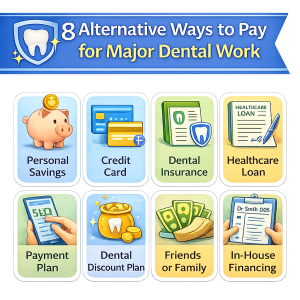
Another viable option is exploring dental savings plans, often offering discounted procedures through network dentists in exchange for an annual membership fee.

You might also explore financing options directly through your dental provider, many of whom offer payment plans or partner with credit companies specializing in healthcare financing.

These solutions enable you to affordably spread payments over time, alleviating the immediate financial pressure.

Researching and comparing interest rates and terms ensures that you choose a plan that aligns with your financial situation without incurring significant interest charges.

By piecing together these strategies, from insurance exploration to financing, you can effectively manage the financial aspect of getting dental implants, maintaining both your oral health and financial stability.

Ultimately, this empowers you to move forward with confidence, knowing you’ve taken the steps to make your dental care investment viable and stress-free.

Geographical location and the dentist’s expertise can also affect pricing. Implants in metropolitan areas may cost more due to higher operational expenses compared to rural locations.

Additionally, seasoned professionals may charge more owing to their advanced skills and high success rates. Recognizing these variables is essential when assessing quotes or estimates from different providers.

Furthermore, while dental insurance plans vary, many may not cover the full implant procedure, considering it elective rather than necessary.

Understanding these cost factors helps you plan effectively and seek dental plans that best accommodate these expenses, ensuring a well-rounded approach to your dental health.

Understanding the costs of dental implants is crucial for finding the right dental insurance plan. Many plans offer partial coverage for implants, but details vary.

Consider how benefits, costs, and waiting periods affect your decision. We hope this guide has helped you feel more informed about navigating dental implant insurance.

Please enter your ZIP code on our website to explore specific plans available in your area. Remember, coverage and pricing can differ based on location.

Take your time to find the plan that meets your needs and budget, and feel empowered in your choices.

Compare Dental Plans

Frequently Asked Questions

What are dental implants and why are they preferred for tooth replacement?

Dental implants are a modern solution for replacing missing teeth. They consist of a titanium post implanted into the jawbone, mimicking the root of a natural tooth. Implants offer stability, durability, and help maintain jaw health, making them a preferred choice over dentures and bridges as they feel and function like natural teeth.

Does dental insurance typically cover dental implants?

Coverage for dental implants varies widely by insurance plan. Many plans only offer partial coverage, considering implants an elective procedure. It’s crucial to read your policy or consult your insurance provider to understand how your plan addresses implants.

What factors affect the cost of dental implants?

Factors affecting implant costs include the surgical procedure, additional treatments like bone grafting, the dentist’s expertise, and geographic location. Costs can also be influenced by the complexity of your dental needs and whether your insurance provides coverage for these procedures.

How can seniors manage the cost of dental implants?

Seniors can manage implant costs through multiple strategies, such as selecting a dental plan with implant coverage, using HSAs or FSAs for pre-tax savings, and exploring dental savings plans or in-office financing options to spread the cost over time.

How can I find a dental insurance plan that covers implants?

Enter your ZIP code on Bestdentalinsurance.org to compare plans available in your location. Look for policies that offer coverage for major procedures or consider supplemental plans that may cover implants. This research helps tailor a plan to your specific needs and budget.

Have Questions?

Speak with a licensed insurance agent

1-833-667-3396

TTY users 711

Mon-Fri: 8am-9pm ET

Find & Compare Plans Online

Speak with a licensed insurance agent

1-833-667-3396TTY 711

Mon-Fri: 8am-9pm ET

ZRN Health & Financial Services, LLC, a Texas limited liability company