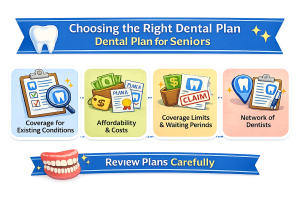
When choosing between dental insurance and dental discount plans, it’s crucial to weigh the benefits and limitations each presents. Dental insurance typically involves paying premiums for insurance coverage that reduces the cost of preventive, basic, and major procedures.
This coverage extends to preventive services like cleanings and exams, often covered at higher rates under dental insurance. However, complexities arise with basic and major dental care, where insurance plans might cover a reduced percentage of costs, demanding that the policyholder pays the remainder.
For instance, insurance coverage for major procedures like root canals or crowns might cap at around 50% of the cost, leaving significant expenses for the patient.
Additionally, dental insurance plans come with annual maximums, meaning there’s a limit to what the insurance plan will cover each year, leading to potentially higher out-of-pocket costs once exceeded.
Dental discount plans prove advantageous for their straightforward approach. By paying a membership fee, patients gain access to a network of providers who agree to discount their services.
This allows patients to enjoy reduced costs without the intricate coverage details characteristic of insurance. Since these plans typically lack coverage limits, deductibles, or waiting periods, they address the needs of those who infrequently visit the dentist but desire cost savings on necessary dental procedures.
One limitation of discount plans, however, is that they don’t involve insurance coverage; members pay a reduced rate rather than receiving reimbursement or coverage from insurance companies.
This can be a downside for individuals who require extensive dental work since all payments come directly from the member’s pocket, albeit at a discounted rate.
Considering both the benefits and limitations, dental insurance might suit families who seek comprehensive coverage and are prepared to manage premiums and potential out-of-pocket expenses.
In contrast, dental discount plans appeal to seniors or individuals looking for immediate savings and flexibility without dealing with insurance plan constraints. These plans are especially helpful for those on a fixed income or those who might not require extensive dental treatments often.
Ultimately, the choice between these two options should be guided by evaluating personal dental care needs, financial situation, and the level of simplicity desired in managing dental costs.
For a more localized approach, understanding that provider networks differ, checking if your dental professionals participate in the plan is crucial. Always consider the interplay between the cost of the plan or premiums and the potential savings or coverage amounts offered by these dental solutions.
To find the best dental care option aligned with your needs, consider the dental plan’s network, benefits, and costs involved, and you can explore options conveniently by entering your ZIP code on our website.