How to Choose Vision Insurance

Navigating the world of dental and vision insurance can feel overwhelming, but understanding your options helps you make an informed decision. This comprehensive guide will simplify the process of selecting a plan that fits your needs.

We’ll explore different types of coverage, common benefits, costs, and factors to consider when comparing options. Whether you need routine eye exams or coverage for eyewear, this guide provides the clarity you need.

By the end, you’ll be ready to select a vision insurance plan that supports your eye health. Let’s get started on your journey to better vision coverage.

Key Highlights

  • Vision insurance covers essential services like eye exams and eyewear to maintain good eye health.
  • Plan types vary with unique coverage levels and benefits, from individual plans to family options.
  • Key factors for selecting plans include cost, network flexibility, and covered services like corrective surgeries.
  • Saving tips: use in-network services, benefit from discounts, and consider HSAs/FSAs for cost management.
  • Special considerations for contacts: compare benefits, network compatibility, and cost flexibility.

Compare Dental Plans

Understanding Vision Insurance Basics

Getting a grip on vision insurance basics can make a world of difference when choosing the right plan. Vision insurance primarily focuses on covering costs related to maintaining good eye health.

It typically includes benefits for services like eye exams, which are essential for early detection of vision issues. Coverage often extends to eyewear needs, such as frames and contact lenses.

Let’s delve into what vision insurance generally covers, helping you understand how to protect and preserve your vision without worry.

What Vision Insurance Typically Covers

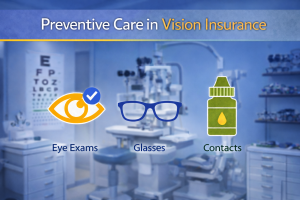
Vision insurance plays a crucial role in maintaining eye health by providing access to essential services. Typically, these plans cover regular eye exams, an important preventative measure that helps detect issues like glaucoma or cataracts early on.

Such screenings ensure that any necessary corrective measures, like getting a new prescription for eyeglasses or contact lenses, can be taken promptly. These exams are often included with a minimal co-pay, making them accessible for routine care.

Beyond just exams, vision coverage usually extends to purchasing eyewear. Plans often allow for a set dollar amount or percentage off on eyeglasses, making it easier and more affordable to update your frames when your prescription changes or fashion demands shift.

Many plans also offer benefits for contact lenses.

Whether you prefer daily disposables or monthly wear lenses, vision insurance typically provides either an allowance toward purchase or discounted rates, ensuring you have the flexibility to choose what’s best for your lifestyle.

In addition to eyewear, some vision plans might include discounts on corrective surgical procedures like LASIK. While these are not always covered fully, receiving a discount can ease out-of-pocket expenses significantly.

Understanding these coverage details helps you make informed choices about your eye care. Ensuring you maximize the benefits of your plan and knowing what is included can keep your costs down, especially if comprehensive eye care is a priority.

Extend your understanding of what vision insurance covers by exploring these additional benefits frequently offered by such plans:

  • Discounted rates on lens treatments, such as anti-reflective or scratch-resistant coatings.
  • Financial support for low vision aids, including magnifying glasses and specialized lighting.
  • Access to telehealth services for virtual consultations and advice.
  • Opportunities for family or group discounts on insurance premiums.
  • Coverage options for children’s vision care, including annual exams and corrective wear.
  • Partnerships with local eye care centers for exclusive services and deals.
  • Options for upgrading frame choices or lens quality through added discounts.

These additional benefits can further enhance your vision care experience while maintaining affordability.

Types of Insurance Plans Available

Types of Insurance Plans Available

When selecting vision insurance, familiarizing yourself with different plan types is crucial. Various insurance plans exist to meet diverse needs, from individual vision plans to family and even employer-based options.

Each insurance plan offers unique coverage levels and benefits.

This section will explore the differences in plans offered by insurance providers, helping you make informed decisions based on specific vision care needs and budgetary considerations.

Differences in Plans Offered by Insurance Providers

The landscape of vision insurance is broad, with insurance providers offering a variety of plans tailored to meet distinct needs. Some plans focus on providing basic coverage like eye exams, while others include more comprehensive services and coverage levels.

For instance, an employer-based insurance plan may come with added benefits that aren’t typically available in a standalone vision plan purchased individually. These might include enhanced services or discounts on additional eyewear needs.

Moreover, insurance companies often work with network providers to offer care at reduced rates, influencing the choice of optometrists or vision care services available to you under the plan.

In addition to basic plans, many insurance providers offer plans designed for families, enabling multiple members to be covered under one policy to benefit from shared services and cost savings.

These plans often allow flexibility in choosing care providers while maximizing family coverage benefits.

On the other hand, some plans cater specifically to seniors, often including perks like bigger discounts on essential services and eyewear, acknowledging that vision care needs may increase with age.

Other notable differences lie in waiting periods, co-pay amounts, and specific benefit exclusions, which vary from plan to plan. Understanding these factors is crucial as you compare different insurance plans.

For instance, while one vision plan might have an immediate start with no waiting period, another might require a few months before full services are accessible.

It’s essential to read the details thoroughly and consider which plan aligns best with your vision care needs and financial preferences.

By understanding these differences, you can confidently choose the most appropriate insurance plan that offers the desired benefits and aligns with your personal situation.

Find & Compare Plans Online

Speak with a licensed insurance agent

1-833-667-3396TTY 711

Mon-Fri: 8am-9pm ET

How to Choose the Right Plan for You

Selecting the perfect vision insurance plan requires thoughtful consideration and understanding of your unique needs. Evaluating various insurance plans involves analyzing coverage specifics, costs, and benefits that align with your lifestyle and eye health requirements.

Delving into key factors can empower you to make informed decisions that ensure optimal vision care.

This thorough examination will guide you in choosing a vision insurance plan that caters to your specific vision benefits while factoring in essential services and associated expenses.

Key Factors to Consider in Vision Benefits

When you’re looking to choose the right vision insurance, there are several key factors to weigh, ensuring the plan fits your specific needs. The first factor is understanding the scope of coverage.

Vision benefits vary widely among insurance plans, often affecting what you receive in terms of services. Many plans cover routine eye exams, which play a key role in maintaining eye health by detecting issues early.

Pay attention to how much coverage extends to eyewear, like glasses and contact lenses, as some plans offer allowances or discounts rather than full coverage.

Another critical factor is network flexibility. Investigate whether your preferred eye doctors are part of the plan’s network. Using in-network providers often ensures lower costs and maximizes your vision benefits.

Compare different insurance plans to see which ones provide flexibility in choosing vision care professionals. Also, consider plans that cover a broader range of vision care services, such as corrective surgeries, if that’s something you might need.

Additionally, examine plan documents carefully for waiting periods and co-payments.

Some plans might offer immediate benefits, while others have waiting periods for services like LASIK. Co-pays can vary, affecting out-of-pocket costs and influencing the overall affordability of your vision care.

Look for insurance providers offering benefits that match your financial situation. Verifying these details ensures that you are well-informed before committing to a plan.

Finally, the availability of additional perks and benefits can be a deciding factor. Some insurance plans offer discounts on additional services or products.

Understanding these key factors helps you choose an insurance plan that optimally supports your vision care needs.

By considering what’s covered, which eye doctors you can see, and any additional savings or services provided, you can confidently select the vision insurance that best fits your lifestyle and requirements.

Understanding Vision Insurance Costs

Understanding Vision Insurance Costs

Understanding the costs associated with vision insurance is crucial for effective financial planning and maintaining good vision care.

While premiums are a regular part of any insurance plan, understanding one’s vision expenses and the benefits can make choosing a plan easier.

Vision insurance plans typically cover various services and products, each with its own cost implications, including lens copays, exams, and other necessities.

By diving into tips for saving on vision care expenses, you can make informed decisions that optimize your savings and ensure your vision needs are met without breaking the bank.

Tips for Saving on Vision Care Expenses

Saving on vision care expenses starts with selecting the right vision insurance plan tailored to your specific needs.

It’s essential to understand what each plan covers, including how much of the cost is handled by your insurance when it comes to exams, eyewear, and other services.

Paying close attention to lens copays and any out-of-pocket expenses can prevent unexpected financial burdens.

One effective strategy is to regularly review available plans to ensure your current coverage aligns with changes in your vision care requirements.

Opt for insurance plans that provide comprehensive coverage for your recurring needs, such as regular eye exams and prescription lenses.

Another tip is to take advantage of discounts on eye exams and eyewear offered by various insurance providers.

Many vision plans provide benefits that include periodic eyewear allowances or percentage discounts on glasses and lenses, which can significantly reduce costs. Additionally, consider shopping around for eyewear.

Some major retailers or independent eye doctors might offer promotions or lower prices, especially if your plan covers a range of different providers.

Utilizing in-network services is another practical way to save, as these typically come with negotiated rates for exams and eyewear, further minimizing expenses.

For those who frequently require lens updates or have specific eye care needs, leveraging health savings accounts (HSAs) and flexible spending accounts (FSAs) can also be a smart move.

These accounts allow you to set aside pre-tax dollars for medical expenses, including vision care, resulting in both immediate savings and tax benefits.

Another practical measure is scheduling eye exams and assessing when it’s best to update prescriptions to avoid unnecessary expenditures.

By exploring these tips and advice for saving on vision care expenses, you can better manage your healthcare costs effectively and keep your vision sharp with reliable and affordable coverage.

Special Considerations for Contact Lenses

Special Considerations for Contact Lenses

When selecting a vision insurance plan, it’s important to understand the special considerations for contact lenses. Unlike eyeglasses, contact lenses have unique care needs and costs that can impact your vision coverage choice.

Some vision insurance plans offer better benefits for contact lenses, such as allowances toward purchase or discounted rates, which can be a significant advantage if you prefer lenses over eyeglasses.

It’s crucial to compare how different insurance plans handle expenses related to lenses, including fitting fees and follow-up visits with eye doctors.

Vision insurance plans may differ in their coverage for contact lenses compared to traditional glasses.

For example, some plans allocate a set dollar amount towards lenses, providing flexibility to select daily, monthly, or extended-wear lenses based on your lifestyle and preference.

Others may offer a choice between glasses and lenses at each benefit period. Understanding these distinctions helps ensure that your vision benefits align with your personal needs and prevent unexpected costs.

In addition to cost considerations, focus on the insurance plan’s network. Confirming that your preferred eye doctors, particularly those specializing in contact lenses, are in-network can maximize your vision benefits.

Many insurance companies establish networks to offer care at reduced rates, making regular eye exams and fittings more affordable. Make sure your plan includes necessary follow-up care for lens adjustments or issues that may arise.

Lastly, be mindful of any plan exclusions or waiting periods that might apply to contact lens purchases. Some plans require you to meet specific criteria before qualifying for contact lens benefits.

Reviewing these details ensures you’re making a well-informed choice, avoiding surprises down the line. By considering these special considerations, you can select a vision insurance plan that adequately supports your contact lens needs.

If you’re interested in exploring comprehensive vision insurance options tailored to your needs, don’t hesitate to enter your ZIP code on our website.

Remember, coverage and costs can vary by location, so this step will help you discover plans available in your area that suit your lifestyle and budget.

Choosing the right vision insurance involves understanding your needs and researching available options carefully. Consider coverage for exams, lenses, frames, and extras like contact fittings or enhancements.

Check provider networks to ensure your preferred eye doctor is included. Compare costs, including premiums and out-of-pocket expenses, to find a plan that fits your budget.

Review any waiting periods or restrictions before making a decision. Enter your ZIP code on our website to explore available vision insurance options in your area, and gain peace of mind knowing you’ve made an informed choice.

Compare Dental Plans

Frequently Asked Questions

What does vision insurance typically cover?

Vision insurance generally covers routine eye exams, which are vital for early detection of issues like glaucoma or cataracts. It often includes an allowance for eyewear such as glasses and contact lenses, and sometimes offers discounts on corrective surgeries like LASIK.

How should I choose the right vision insurance plan?

When selecting a vision insurance plan, consider the scope of coverage, network flexibility, and additional perks offered. Compare plans based on how they handle coverage for eye exams, eyewear, and other services. Investigate costs, including premiums and copays, and check if your preferred eye doctor is in-network.

What are the cost considerations for vision insurance?

Costs associated with vision insurance include premiums, copays for services like exams and eyewear, and any out-of-pocket expenses. Utilizing in-network services and taking advantage of available discounts or allowances can help manage these costs effectively.

Are there special considerations for contact lenses in vision insurance?

Yes, many vision plans offer specific benefits for contact lenses, such as allowances for purchase or discounted rates. It’s important to compare plans regarding fitting fees, follow-up care, and network providers to ensure your needs for contact lenses are covered effectively.

How can I save on vision care expenses?

To save on vision care, select a suitable insurance plan, use in-network providers, and take advantage of eyewear discounts or allowances. Considering HSAs and FSAs can also provide financial benefits, as these allow pre-tax contributions for healthcare expenses.

Have Questions?

Speak with a licensed insurance agent

1-833-667-3396

TTY users 711

Mon-Fri: 8am-9pm ET

Find & Compare Plans Online

Speak with a licensed insurance agent

1-833-667-3396TTY 711

Mon-Fri: 8am-9pm ET

ZRN Health & Financial Services, LLC, a Texas limited liability company