Difference Between Dental and Vision Plans

Navigating the world of dental and vision plans can feel overwhelming, especially with so many options available. Understanding their differences is crucial for making informed decisions.

While dental plans focus on oral health, covering services like cleanings, fillings, and more, vision plans cater to eye care needs, including exams and glasses. Each type of plan offers unique benefits, coverage limitations, and costs.

By learning the basics, you can compare various plans effectively and choose what suits your needs. Our guide aims to simplify this process, providing clear, unbiased information to help you explore dental and vision insurance confidently.

Key Highlights

  • Dental plans focus on oral health, covering services like cleanings, fillings, and major procedures.
  • Vision plans cover eye health, including exams and corrective lenses, often with fewer waiting periods.
  • Both plans provide specialized care not typically covered by general health insurance.
  • Dental and vision plans are essential for seniors, addressing age-related health issues affordably.
  • Understanding coverage, networks, and costs ensures seniors can select the right plans confidently.

Compare Dental Plans

Introduction to Dental and Vision Insurance

Navigating the world of health insurance can be complex, especially when it comes to understanding dental and vision plans. These specialized insurance coverages each serve unique purposes and come with distinct scopes.

Dental and vision care are crucial for maintaining overall health, yet they’re not always included in general health insurance policies. This necessitates separate plans that cater specifically to these needs.

Here, you’ll get a comprehensive understanding of what each type of insurance covers. By addressing their purposes, you’ll be better informed when choosing plans for your unique health requirements.

Understanding Their Purpose and Scope

Dental and vision insurance plans are designed to meet the specific health needs that general health insurance might not cover. Dental insurance primarily focuses on maintaining oral health and addressing common dental issues.

Most plans include preventive services such as routine check-ups, cleanings, and sometimes fluoride treatments.

Beyond these basics, you’ll find coverage for procedures like fillings, crowns, and bridges, though these might come with specific waiting periods or coverage limits.

The scope of dental insurance is quite targeted, focusing on ensuring long-term oral health and managing dental costs effectively.

Vision plans, on the other hand, cover needs related to eye health and eyesight correction. These plans typically include routine eye exams, which are essential for early detection of vision problems and underlying health issues that may affect your sight.

An additional benefit commonly found in vision insurance is coverage for corrective lenses, including glasses and contact lenses. Some plans might also offer discounts or help with the costs of elective procedures such as LASIK.

Like dental plans, vision coverage helps people manage costs while maintaining optimal eye health.

It’s crucial to recognize that both dental and vision insurance are supplemental to basic health insurance, which often does not cover these areas. The purpose is to provide additional, focused care that addresses specific health needs.

Understanding the scope of what is covered can make a substantial difference when selecting the right plans. Seniors, in particular, may need more specialized coverage due to age-related dental and vision issues.

Ensuring you choose plans that reflect your personal health priorities can make managing your healthcare more straightforward and affordable in the long run.

What Dental Coverage Includes

Diving into what dental coverage entails can help you make informed choices about protecting your oral health. Dental insurance is designed to cover a variety of dental services, ensuring that essential dental care remains affordable.

From routine check-ups to more complex procedures, dental plans provide a range of benefits tailored to meet different needs. It’s vital to understand which dental services are typically covered and how the costs may vary based on the plan you choose.

This knowledge can empower you to manage your dental expenses more effectively.

Essential Dental Services and Their Costs

Essential Dental Services and Their Costs

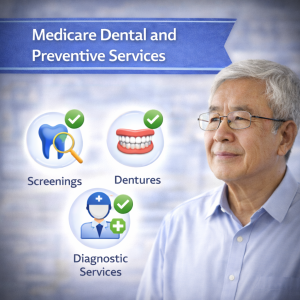
Dental insurance offers coverage for a wide array of services, categorized into preventive, basic, and major services. Preventive services form the foundation of most dental plans.

They usually include routine dental check-ups, cleanings, and X-rays, as well as fluoride treatments. These services are often covered in full because they’re critical for maintaining oral health and preventing more serious issues.

By covering these preventive services, dental insurance helps catch potential problems early, avoiding costly treatments down the road.

Beyond preventive care, dental insurance also covers a range of basic services.

These include procedures like fillings to repair cavities and tooth extractions. The costs for these services can vary, but many dental plans cover a significant portion of the expenses, with policyholders responsible for a smaller co-payment.

This shared cost approach makes necessary basic dental care more accessible. For seniors, coverage for these basic services can be particularly helpful in managing oral health as issues like tooth decay and gum disease become more prevalent with age.

When it comes to major services, dental insurance typically offers coverage for more intricate procedures such as crowns, bridges, dentures, and sometimes even dental implants.

These services often come with higher out-of-pocket costs due to lower coverage percentages in most dental plans. However, understanding the full scope of what your dental insurance covers can prepare you for the financial aspects of these treatments.

While major services can be costly, having insurance substantially reduces the financial burden.

In conclusion, understanding dental coverage and its associated costs is crucial for effectively managing oral health. Whether opting for preventive, basic, or major services, knowing what’s covered helps in planning and budgeting your dental care.

Seniors, in particular, benefit from understanding these details, as they often face more complex dental health challenges.

To explore personalized dental insurance options based on your needs, enter your ZIP code on our website and discover plans tailored to your location.

Exploring Vision Services and Coverage

Understanding vision services and coverage options can shed light on important benefits available under vision plans. These plans specifically cater to eye care needs, offering a range of services that focus on maintaining good eye health and addressing vision correction.

Many seniors find that having a dedicated vision insurance plan is invaluable for managing the costs associated with regular eye care.

By exploring vision plans comprehensively, you’ll gain clearer insight into the types of vision coverage available, the typical benefits included, and how these align with your personal eye care needs.

Common Vision Care Benefits Explained

Vision insurance offers a suite of benefits designed to help maintain and improve eye health. One of the standout advantages of having a vision plan is the coverage for routine eye exams.

A crucial part of preventive care, these exams can detect early signs of eye conditions and other health issues that may affect eyesight, enabling timely intervention.

Many vision insurance plans cover these exams either fully or with a minimal co-payment, making it easier to schedule them regularly without financial strain.

Beyond preventive care, vision insurance often extends its coverage to include expenses related to corrective lenses.

Whether you prefer glasses or contact lenses, most vision plans will help offset the costs, sometimes providing allowances for a new pair every year or two.

This can significantly reduce your out-of-pocket expenses for maintaining clear vision. Additionally, some plans offer discounts or partial coverage for elective procedures like LASIK, broadening the scope of eye care benefits available.

Understanding the network of providers associated with your vision plan is an essential step.

Just like dental and general health insurance plans, vision insurance typically has a network of covered ophthalmologists and optometrists who provide services at negotiated rates.

By staying within this network, you can maximize your benefits, ensuring that the cost of eye care remains manageable. Furthermore, knowing the benefits and coverage limits helps in planning and budgeting for both regular and unexpected eye care needs.

With these benefits, vision plans are tailored to reduce the overall costs of eye care. The importance of having this type of insurance grows with age, as vision tends to change over time.

Seniors can thus better manage the financial impact of their eye care needs, maintaining optimal eye health through comprehensive vision services. To explore the vision plans available in your area, enter your ZIP code on our website.

This simple step can help you find personalized options tailored to your unique vision care requirements.

Find & Compare Plans Online

Speak with a licensed insurance agent

1-833-667-3396TTY 711

Mon-Fri: 8am-9pm ET

Comparing Dental and Vision Plans

When it comes to comparing dental and vision plans, it’s essential to understand the key differences in their coverage options and how they cater to distinct health needs.

Dental and vision coverage offer specialized services that general health insurance often misses.

As you’ve explored what each insurance plan typically includes, it’s crucial to dive into how these supplemental plans differ in their approach, networks, and enrollment requirements.

By recognizing these disparities, you gain the insights needed to tailor an insurance plan to effectively manage your dental and vision health, ensuring overall wellness.

Key Differences in Coverage Options

In comparing dental and vision insurance plans, understanding the key differences in their coverage options is paramount. Both plans offer coverage for a range of services, but the specifics can vary widely.

Dental insurance typically covers oral health services such as preventive care, basic procedures like fillings, and major services including crowns and dentures.

Often, these services are grouped into different tiers of coverage where preventive services are fully covered, whereas basic and major services may require co-payments or have coverage limits.

This tiered structure aims to encourage regular dental maintenance to avoid more costly treatments later.

Vision insurance, on the other hand, focuses on eye health and vision correction. It usually includes coverage for routine eye exams, helping to detect vision and underlying health issues early.

Coverage often extends to corrective lenses, such as glasses and contact lenses, with some plans offering allowances for new glasses annually or biannually.

Unlike dental plans that tier their services, many vision plans fully or partially cover a wider range of preventive and corrective eye care needs without categorizing services into tiers.

Some may even offer discounts on elective procedures like LASIK, broadening their scope.

The network of providers also varies between dental and vision plans. Dental plans typically work within a network of dentists and specialists, often requiring you to select a primary dentist or sometimes offering out-of-network options at higher costs.

Vision plans generally provide access to a network of optometrists and ophthalmologists, emphasizing the importance of staying in-network to maximize benefits.

Enrollment processes can differ as well, with some insurance plans offering specific open enrollment periods, while others may allow year-round enrollment.

Recognizing these differences empowers you to evaluate which plan type meets your healthcare priorities and lifestyle.

How Dental Plans and Vision Services Benefit Seniors

Dental and vision plans offer essential benefits to seniors, addressing needs that general health insurance might overlook. As seniors face age-related challenges, these plans provide targeted support to maintain oral and eye health.

Dental plans focus on comprehensive oral care, spanning preventive to major procedures, while vision services ensure access to routine exams and corrective lenses. By understanding these offerings, seniors can better manage healthcare costs and receive tailored care.

The following explains how affordability and elder care considerations play a pivotal role in selecting the right insurance plan.

Addressing Affordability for Elder Care

Addressing Affordability for Elder Care

Affordability is a crucial factor for seniors when considering dental plans and vision services. With rising healthcare costs, many seniors are concerned about managing expenses without compromising essential care.

Dental plans can significantly reduce the financial burden by covering a range of services, from routine cleanings to more complex procedures like crowns and dentures.

These plans often include preventive care at no additional cost, ensuring seniors can maintain oral health proactively. Enrolling in the right dental plan can mean fewer out-of-pocket expenses for necessary services, which is paramount for those on a fixed income.

For elder care, dental and vision insurance serve as a supplemental layer to regular health insurance. These specialized plans help seniors access specific healthcare services that may not be fully covered otherwise.

Vision services, for instance, include coverage for regular eye exams and corrective lenses, making it more affordable for seniors to manage their eyesight. Regular visits to an optometrist or ophthalmologist can prevent costly eye health issues from escalating.

Choosing the right plan within a network of preferred providers can further enhance affordability. Through insurance networks, seniors access negotiated rates with specific dentists and eye care professionals, reducing out-of-pocket costs.

These networks support seniors in finding care that aligns with their budget and health needs. By understanding what each plan covers, seniors are better equipped to manage costs and ensure comprehensive coverage that addresses both dental and vision needs.

For those interested in exploring dental and vision insurance options tailored to their specific needs and location, entering a ZIP code on our website is a helpful start.

This step allows seniors to compare available plans, facilitating informed choices that ease the financial pressures of elder care while ensuring access to quality health services.

To expand on the topic of affordability in elder care concerning dental and vision services, consider essential factors seniors should evaluate when selecting a plan:

  • Understand Provider Networks: Opt for plans with a broad network of approved providers for more choice and better rates.
  • Evaluate Coverage Options: Check coverage for routine visits, specialized care, and how each plan handles services not included in general health insurance.
  • Review Plan Costs: Examine premiums, deductibles, and co-insurance amounts to find a plan that fits within your financial means.
  • Analyze Preventive Care Benefits: Focus on plans that offer complementary preventive services to maintain long-term health at reduced costs.
  • Consider Additional Perks: Some plans offer eyewear discounts or dental appliance benefits, which can boost cost-effectiveness.
  • Assess Plan Flexibility: Ensure the plan allows changes as health needs evolve over time.
  • Leverage Online Tools: Use online resources to compare plans and find coverage that suits individual needs.
  • Seek Expert Advice: Consult with a knowledgeable advisor if you’re uncertain about plan details or benefits.

Understanding these considerations ensures you choose a plan that effectively balances cost and coverage for your elder care needs.

Waiting Periods in Dental and Vision Insurance

When exploring dental and vision insurance, understanding waiting periods is vital for managing expectations and planning your care effectively.

Waiting periods are specific times at the start of an insurance contract during which no benefits are payable for certain services.

For dental insurance, these often apply to more costly procedures such as crowns, bridges, or dentures. The idea is to prevent people from signing up for insurance only when they need a procedure and then canceling it shortly after.

In dental insurance, waiting periods can vary significantly depending on the plan and provider. Preventive services like cleanings and check-ups might not have a waiting period, as they’re essential for continuous oral health and preventive care.

However, for basic services like fillings or extractions, and major services including crowns or root canals, waiting periods are typically present.

This means you may need to wait several months or even a year before insurance will start covering these more expensive treatments.

Similarly, vision insurance might also impose waiting periods, though they’re less common than in dental insurance. Routine eye exams and corrective lenses often have minimal or no waiting periods, allowing you prompt access to essential vision services.

However, for more extensive benefits or discounts on elective procedures, some plans may require a short waiting period.

It’s essential to review each plan carefully to understand the specifics of these waiting periods. Being aware of when your coverage kicks in helps in planning and avoiding unexpected out-of-pocket costs.

Remember, the right insurance plan can align with your health priorities, minimizing costs and ensuring that when the time comes, your dental and vision care needs are met.

Enter your ZIP code on our website to explore personalized dental and vision insurance options in your area, based on coverage details and waiting period considerations.

Finding the Right Insurance Plans for Your Needs

Choosing the right insurance plans involves understanding your unique health requirements and evaluating available options. Dental and vision plans offer essential coverage that complements general health insurance, especially for seniors.

These plans cover preventive services, essential for maintaining good health, and can greatly aid in managing costs.

Understanding the intricacies of what’s covered, the network of providers involved, and how to ensure comprehensive coverage makes a significant difference.

This section guides you through practical steps to secure the right balance of coverage, addressing both dental and vision care needs effectively.

Steps to Ensure Comprehensive Coverage

Steps to Ensure Comprehensive Coverage

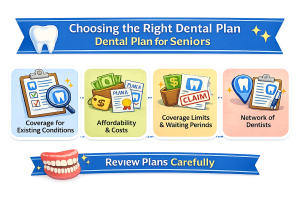
Ensuring comprehensive coverage with your insurance plans involves several key steps. First, evaluate your specific needs by assessing past healthcare expenses and anticipating future care.

For example, regular dental visits for cleanings or potential vision needs like new eyeglasses are predictable expenses that your plan should cover. Next, consider the networks associated with each plan.

A robust network of dentists and eye care specialists ensures you have access to quality care when needed. Often, staying within network providers reduces your out-of-pocket costs, making healthcare more affordable and accessible.

Analyzing the coverage options provided by each plan is paramount. Dental insurance typically involves coverage tiers, such as preventive, basic, and major services, each with varying levels of coverage.

Preventive services like cleanings and X-rays might be fully covered, while major procedures, such as crowns or dentures, may require co-payments.

Vision plans, on the other hand, often cover routine eye exams and corrective lenses, enhancing your ability to manage vision health without breaking the bank.

Understanding these specifics helps in choosing plans that align with your financial capability and health priorities.

A thorough review of what services are covered and under what conditions, such as waiting periods, is crucial. Waiting periods can affect when benefits start for certain treatments, especially in dental insurance.

Knowing this helps in planning your care schedule efficiently. Comparing these details across different plans empowers you to find an insurance solution that offers the most comprehensive protection.

Don’t forget the practical benefit of exploring plans based on your ZIP code to find location-specific networks and coverage nuances that could benefit you.

For personalized guidance, entering your ZIP code on our website provides insights into the available dental and vision plans, helping you make well-informed decisions based on your health needs and financial situation.

Conclusion: Navigating Your Options

When it comes to navigating your options for dental and vision plans, understanding key differences and benefits is essential. Each type of plan offers unique benefits that cater to specific health needs not typically covered by standard health insurance.

By focusing on the specialized coverage options available, seniors can better manage their oral and eye health.

Comparing plans for their benefits, networks, and waiting periods empowers you to make informed choices that align with your healthcare priorities and financial capacity.

Dental plans often cover preventive services in full, like cleanings and X-rays, promoting long-term oral health. Basic and major services, such as fillings and crowns, might involve co-payments or waiting periods.

Vision plans, in contrast, consistently cover routine exams and corrective lenses, ensuring your vision care remains affordable.

The specialized benefits of these plans allow you to plan for both expected and unexpected healthcare needs, thus reducing financial stress over time.

Particularly for seniors, selecting the right dental and vision plans means examining how they fit within a broader health insurance strategy. It’s beneficial to assess each plan’s network of providers to maximize your benefits and minimize out-of-pocket costs.

Given the specialized focus of these plans, they offer a tailored approach that can often better meet the evolving needs of aging populations.

Start by entering your ZIP code on our website to explore plan options that best suit your location and personal health requirements, giving you confidence and peace of mind in your choice of coverage.

We hope this overview of dental and vision plans has been helpful. Understanding both types is essential for making informed decisions about your health coverage.

If you have any further questions or need personalized information, feel free to explore additional resources or consult with a professional. Remember, dental and vision needs may vary over time, so it’s important to review your options periodically.

Entering your ZIP code on our website can provide localized plan information to better serve your specific needs. Empower yourself with knowledge to make the best decision for you and your family.

Compare Dental Plans

Frequently Asked Questions

What services do dental insurance plans typically cover?

Dental insurance plans usually cover a range of services categorized into preventive, basic, and major services. Preventive care, such as cleanings and X-rays, is often fully covered

What is the difference between dental and vision insurance?

Dental insurance focuses on oral health, covering services like cleanings, fillings, and major procedures. Vision insurance covers eye health, including exams and corrective lenses.

Why might seniors need dental and vision plans?

Seniors often face age-related dental and vision issues. Dental and vision plans provide specialized coverage that general health insurance may not, helping manage costs effectively.

How do waiting periods affect my dental and vision coverage?

Waiting periods are specific periods during which certain benefits are not payable. Common in dental plans for major procedures, they can affect when coverage for more costly treatments begins.

What should I consider when choosing a dental or vision plan?

Consider the types of services covered, the associated costs, the network of providers, and any waiting periods. Understanding your specific needs will help find a plan that aligns well with your health priorities.

Have Questions?

Speak with a licensed insurance agent

1-833-667-3396

TTY users 711

Mon-Fri: 8am-9pm ET

Find & Compare Plans Online

Speak with a licensed insurance agent

1-833-667-3396TTY 711

Mon-Fri: 8am-9pm ET

ZRN Health & Financial Services, LLC, a Texas limited liability company